
The golden state of California, a land celebrated for its dramatic coastline, towering redwoods, sun-drenched vineyards, and vibrant cities, annually faces a formidable challenge: wildfires. These infernos, a recurring and increasingly intense feature of the California landscape, not only devastate natural habitats and communities but also significantly impact the state’s vital tourism and hospitality sectors. For anyone planning a trip, considering a move, or simply observing from afar, understanding “who started the California wildfires” is crucial to grasping the complexities of this environmental and societal issue. The answer, however, is rarely simple, often involving a confluence of natural phenomena, human activity, and underlying environmental conditions. This article delves into the multifaceted origins of these blazes, examining their profound effects on travel, accommodation, and lifestyle across the Golden State, and what both residents and visitors can do to navigate and mitigate their risks.
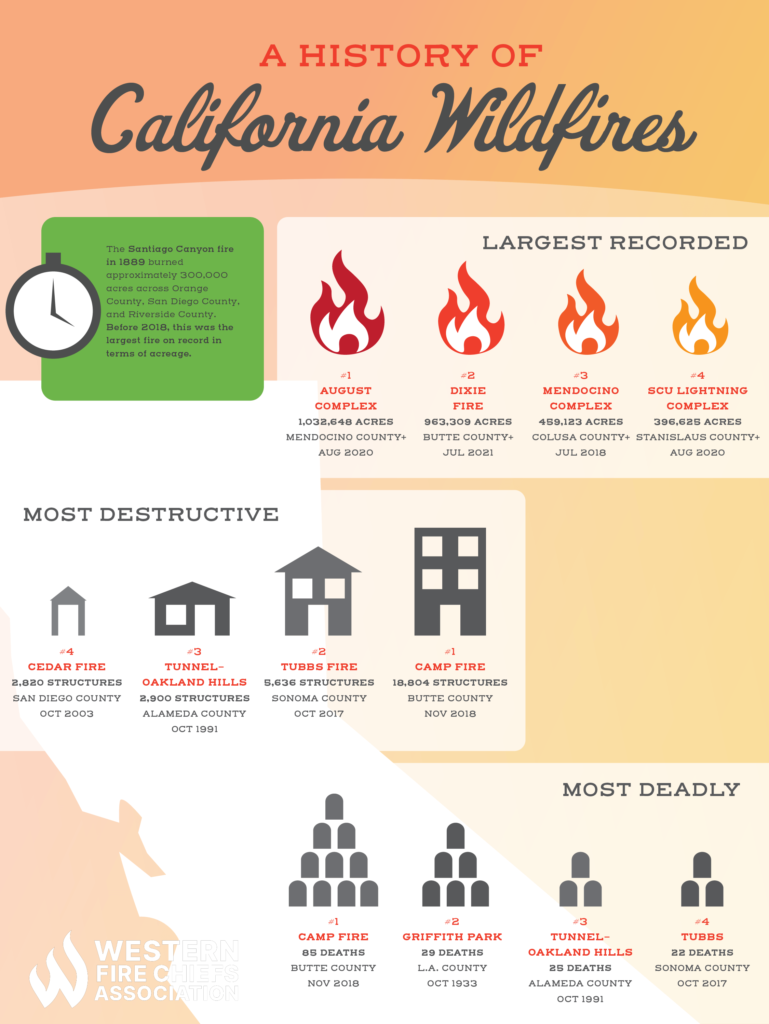
Unraveling the Complex Web of Wildfire Origins
Pinpointing a single culprit for every wildfire in California is an oversimplification. The causes are diverse, ranging from pure acts of nature to a spectrum of human actions, some accidental and others malicious. Understanding these origins is the first step toward effective prevention and management.
Natural Ignition Points: When Nature Strikes First
While human activity often dominates the headlines, nature itself is a significant, albeit less frequent, initiator of wildfires.
- Lightning Strikes: Particularly during late summer and early fall thunderstorms, lightning can strike dry vegetation, igniting fires. These natural ignitions are often remote, making them difficult to detect and suppress in their early stages, allowing them to grow into major conflagrations. Areas like Sequoia National Park and Yosemite National Park, with their vast, rugged terrain and dense forests, are particularly susceptible to lightning-caused fires, which can sometimes be allowed to burn under controlled conditions to restore ecological balance, but often pose significant threats.
- Prolonged Drought and Climate Change: While not direct ignition sources, prolonged periods of drought, exacerbated by climate change, create the perfect tinderbox conditions. Warmer temperatures lead to less snowpack, earlier snowmelt, and increased evaporation, drying out vegetation. This creates an abundance of highly flammable fuel, meaning that when an ignition does occur, whether natural or human-caused, the fire spreads faster and burns more intensely. California’s Mediterranean climate, characterized by hot, dry summers and mild, wet winters, naturally predisposes it to fire, but climate change is amplifying this risk to unprecedented levels.
The Human Element: Accidental and Intentional Ignitions
The vast majority of California’s wildfires are ignited by human activity. These range from the utterly unintentional to acts of arson, each carrying severe consequences.
- Power Lines and Utility Equipment: A major and often contentious source of wildfires stems from electrical infrastructure. Downed power lines, malfunctioning equipment, or contact between power lines and vegetation, especially during strong winds (like the Santa Ana or Diablo Winds), have been responsible for some of California’s most destructive fires. Utility companies, such as Pacific Gas & Electric (PG&E) in Northern California and Southern California Edison (SCE) in the south, have faced immense scrutiny and legal battles over their role in igniting fires, leading to significant investments in grid hardening and preventative power shutoffs. These shutoffs, though disruptive, are a controversial measure designed to prevent ignitions during high-risk weather.
- Campfires and Outdoor Activities: Unattended campfires, carelessly discarded cigarettes, sparks from off-road vehicles, fireworks, and even debris burning are common sources of accidental ignitions. As more people explore California’s wildlands for recreation—hiking in Joshua Tree National Park, camping near Lake Tahoe, or exploring the vast backcountry—the risk of human-caused fires increases significantly. Education on fire safety and strict adherence to burning regulations, particularly during dry seasons, are critical.
- Equipment Use and Malfunctions: Sparks from welding equipment, grinding, agricultural machinery, or even vehicle exhaust systems can ignite dry grasses and brush. These types of fires are particularly prevalent in rural and wildland-urban interface areas, where residential and agricultural activities meet undeveloped land.
- Arson: Sadly, a portion of wildfires are intentionally set. While the motivations vary, from malicious intent to misguided pyromania, the impact of arson-caused fires is no less devastating. Law enforcement agencies rigorously investigate the origins of suspicious fires, and convictions for arson carry severe penalties.
- Structural Fires: Less commonly, structural fires that spread to wildland areas can also become wildfires, especially in the wildland-urban interface, where homes are built amidst or adjacent to flammable vegetation.
The blend of these human-related factors with the state’s natural conditions creates a complex and challenging wildfire environment.
The Devastating Ripple Effect on California’s Travel & Tourism
California’s allure is deeply intertwined with its natural beauty and outdoor experiences. Wildfires directly threaten this appeal, sending ripple effects across its robust travel and tourism industries, affecting everything from destination accessibility to the fundamental experience of a vacation.

Impact on Destinations, Attractions, and Iconic Landmarks
When wildfires rage, the very essence of California’s tourism is jeopardized.
- National Parks and Natural Wonders: Iconic destinations like Yosemite National Park, Sequoia National Park, Kings Canyon National Park, and Redwood National Park are frequently forced to close, sometimes for extended periods, due to active fires, smoke, or fire suppression activities. These closures mean lost revenue for the parks and surrounding communities, and heartbreak for travelers whose long-anticipated visits are cancelled. The air quality in and around these parks can become hazardous, making outdoor recreation impossible even if trails remain open.
- Scenic Routes and Coastal Drives: The famous Pacific Coast Highway (Highway 1) through Big Sur, a bucket-list drive for many, has often been impacted by fires and subsequent mudslides, leading to road closures and detours. Such disruptions hinder scenic drives, prevent access to charming coastal towns like Carmel-by-the-Sea or Santa Barbara, and affect businesses reliant on passing tourist traffic.
- Wine Regions: Napa Valley and Sonoma Valley, world-renowned wine destinations, have been repeatedly hit by devastating fires. Beyond the direct destruction of vineyards and wineries, smoke taint can damage entire harvests, impacting the quality and reputation of California wines for years to come. Tourism to these regions, a cornerstone of their economy, suffers significantly from cancellations, reduced visits, and the perceived risk of future fires.
- Urban and Suburban Proximate Fires: Even major metropolitan areas like Los Angeles, San Diego, and Oakland are not immune. Fires in the hills surrounding Malibu, Santa Barbara, or the Oakland Hills can lead to mass evacuations, destroy homes and businesses, and generate smoke plumes that blanket vast areas, including major airports like Los Angeles International Airport (LAX) or San Francisco International Airport (SFO), disrupting air travel and discouraging visits.
Accommodation and Lifestyle Disruption
The impact extends deeply into the hospitality sector and the overall lifestyle experience for both residents and visitors.
- Hotel and Accommodation Cancellations: During active fires or periods of poor air quality, hotels, resorts, vacation rentals, and campsites experience a surge in cancellations. Guests prioritize safety, and often, accommodations are forced to close or operate at reduced capacity due to evacuations, staff shortages, or damaged infrastructure. This hits small, independent businesses particularly hard, as they often have fewer reserves to weather prolonged disruptions. Resorts in areas like Palm Springs or near Lake Tahoe can see their prime seasons severely impacted even if not directly in the fire path, due to smoke or fear of travel.
- Air Quality and Health Concerns: Smoke from wildfires can travel hundreds of miles, causing unhealthy to hazardous air quality across broad regions, including cities like San Francisco, Sacramento, and even as far south as San Diego. This not only poses significant health risks, especially for vulnerable populations, but also severely detracts from the outdoor lifestyle California is known for. Outdoor activities, dining on patios, and enjoying scenic views become impossible or unpleasant, dampening the overall travel experience.
- Insurance and Rebuilding Costs: For residents and property owners, wildfires represent immense financial burdens. Homeowners’ insurance premiums skyrocket in high-risk areas, and some insurers are withdrawing from the California market altogether. The emotional and financial toll of rebuilding homes and lives is profound, leading to long-term community displacement and economic instability. For the lifestyle of luxury travel, this means certain secluded villa or resort destinations become higher risk or harder to insure.
- Local Culture and Food: The unique local culture, often intertwined with agriculture and outdoor festivals, is also affected. Farmers markets may be disrupted, local restaurants suffer from fewer tourists, and community events are canceled. The essence of “local culture” and “food” tourism takes a hit when the local community is grappling with recovery.
Navigating Wildfire Season: Tips for Travelers and Residents
Given the persistent threat of wildfires, adapting to these conditions has become an essential part of living in and visiting California. Both residents and potential tourists must be informed and prepared.
Staying Informed and Prepared
Awareness and proactive planning are key to minimizing risks during wildfire season, which typically runs from late spring through late fall but can extend year-round.
- Monitor Official Sources: Before and during your travels, consult official government websites like Cal Fire (California Department of Forestry and Fire Protection), the National Park Service, and local county emergency services for the latest information on active fires, air quality alerts, road closures, and evacuation orders. Reliable news outlets also provide critical updates.
- Have an Evacuation Plan: If you live in or are visiting a high-risk area, familiarize yourself with evacuation routes and emergency procedures. For travelers, this might mean having alternative accommodation options or knowing how to quickly adjust travel plans. Many hotels and resorts, particularly in mountainous or wildland-urban interface areas, have their own emergency protocols for guests.
- Consider Travel Insurance: Investing in comprehensive travel insurance that covers natural disasters, including wildfires, is highly advisable. This can protect against financial losses from cancelled flights, accommodation bookings, or other prepaid activities due to fire-related disruptions.
- Practice Fire-Safe Behavior: Whether camping, hiking, or simply driving, adhere strictly to all fire restrictions and guidelines. This includes proper campfire management, safe disposal of smoking materials, ensuring vehicles are maintained to prevent sparks, and avoiding activities that could generate heat or flames in dry conditions. Your actions, however small, contribute to prevention.
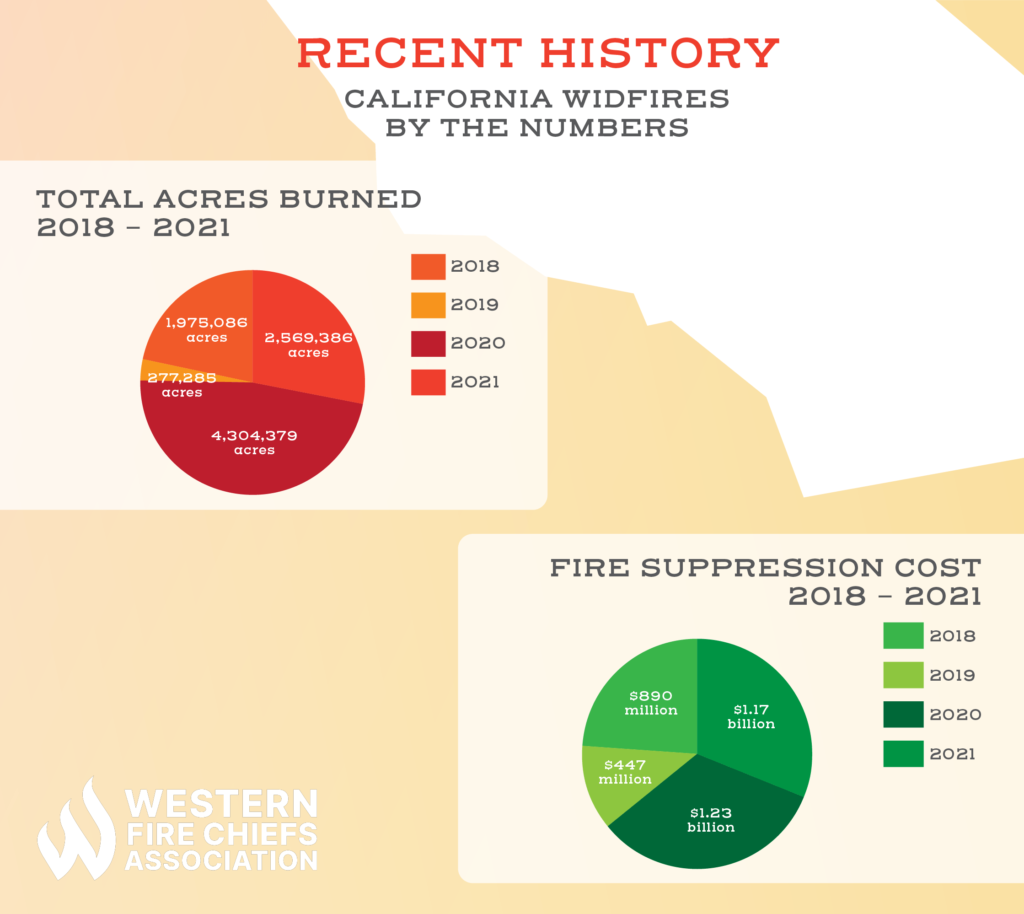
Supporting Recovery and Sustainable Tourism
After the immediate danger has passed, thoughtful engagement can play a crucial role in the state’s recovery and building resilience.
- Visit Unaffected Areas: Even when some regions are battling fires, vast swathes of California remain unaffected and safe to visit. Continue to plan trips to areas not impacted by fires or smoke. This supports local economies that rely on tourism and helps distribute tourist dollars across the state. Cities like San Jose, Fresno, or regions along the Central Valley might be clear when coastal areas are impacted.
- Choose Eco-Friendly and Responsible Tourism: Support businesses that practice sustainable tourism and actively contribute to fire prevention and restoration efforts. Look for accommodations and tour operators that prioritize environmental stewardship and community well-being.
- Contribute to Rebuilding Efforts: Consider donating to reputable charities and organizations focused on wildfire relief, reforestation, and community rebuilding. Many non-profits work tirelessly to restore ecosystems and help affected communities get back on their feet. This extends beyond monetary donations to supporting volunteer efforts where appropriate.
- Engage with Local Communities: When visiting fire-affected areas during their recovery phase, be patient, respectful, and mindful of the challenges locals face. Supporting local businesses through patronage helps them regain stability. Engaging with guides who can explain the ecological impact and recovery efforts can also be a profound educational experience.
In conclusion, the question “Who started the California wildfires?” has no single, simple answer. It is a mosaic of natural forces, human error, infrastructural vulnerabilities, and, occasionally, deliberate acts, all exacerbated by a changing climate. For a state that thrives on its natural beauty and the vibrant experiences it offers, wildfires present an ongoing, complex challenge. By understanding their origins, acknowledging their profound impact on travel and lifestyle, and committing to informed, responsible practices, both residents and visitors can play a part in protecting California’s precious landscapes and ensuring its continued allure for generations to come. The resilience of the Golden State is immense, but it requires collective vigilance and sustained effort to thrive amidst these fiery challenges.