
The Golden State, a land of sun-drenched beaches, towering sequoias, and sprawling vineyards, has long been a dream destination. But beyond its allure for vacationers and retirees, a more complex narrative surrounds the idea of “buying” California – not in the traditional sense of ownership, but in the way that investors and developers shape its future and leverage its unparalleled appeal. This isn’t about acquiring state borders, but about understanding the economic forces that influence its tourism, hospitality, and lifestyle sectors, making it a perpetual target for investment and a beacon for those seeking a particular quality of life.

The Enduring Allure of the Golden State for Global Travelers
California’s magnetism is undeniable. Its diverse landscapes, from the arid beauty of Joshua Tree National Park to the dramatic cliffs of the Big Sur coastline, offer an endless canvas for exploration. For travelers, this translates into a kaleidoscope of experiences, catering to every whim and interest.
Coastal Charms and Urban Vibrancy
The coastline, stretching over 840 miles, is a primary draw. The sun-kissed beaches of Southern California, including the iconic shores of Santa Monica and Malibu, are synonymous with a laid-back, active lifestyle. Here, surfing lessons, beachside dining, and sunset strolls are de rigueur. Inland, the allure shifts to the bustling metropolises. Los Angeles is a global hub for entertainment, art, and culinary innovation, drawing visitors to its world-renowned museums, vibrant street art scene, and celebrity-spotting opportunities.
- Theme Park Thrills: For families and thrill-seekers, the theme parks are legendary. Disneyland Resort and Universal Studios Hollywood offer immersive entertainment that captivates audiences of all ages.
- Cultural Enclaves: San Francisco, with its historic cable cars, the majestic Golden Gate Bridge, and its diverse neighborhoods like Chinatown and North Beach, presents a unique blend of history, culture, and innovation. The city is a testament to architectural marvels and a rich immigrant heritage.
Northern California’s Natural Grandeur and Wine Country
Moving north, the landscape transforms. The towering redwoods of the Avenue of the Giants and the ancient forests of Yosemite National Park offer unparalleled opportunities for hiking, camping, and connecting with nature. Further exploration leads to the world-famous wine regions.
- Napa Valley and Sonoma County: These regions are synonymous with world-class vineyards, gourmet dining, and picturesque countryside. Wine tasting tours are a quintessential California experience, offering a deep dive into the art and science of winemaking.
- Coastal Exploration: The rugged coastline north of San Francisco provides dramatic vistas and charming seaside towns, perfect for scenic drives and whale watching excursions.
The Hospitality Landscape: Investing in California’s Overnight Appeal
The sheer volume of tourists flocking to California necessitates a robust and diverse hospitality sector. From opulent resorts to boutique hotels, the state is a prime market for investment and development within the accommodation industry. The demand for high-quality lodging is constant, driven by both leisure and business travelers.
Luxury Resorts and Boutique Stays
California excels in offering luxurious experiences. The desert landscapes of Palm Springs are dotted with chic resorts known for their mid-century modern architecture, serene spa facilities, and world-class golf courses. Along the coast, exclusive hotels in Beverly Hills and Santa Barbara provide an air of sophistication and impeccable service, often featuring stunning ocean views and Michelin-starred dining.
- The Iconic: Many establishments have achieved iconic status. Think of the historic Fairmont San Francisco with its breathtaking views, or the legendary Hotel del Coronado on San Diego Bay. These are more than just places to sleep; they are destinations in themselves, contributing significantly to the state’s tourism appeal.
- Boutique Charm: Beyond the grand hotels, a thriving scene of boutique accommodations offers unique character and personalized experiences. These smaller properties often capture the essence of their locale, from a cozy inn in a wine country town to a stylish urban retreat in a vibrant city neighborhood.
Business Travel and Extended Stays
California’s status as a global economic powerhouse means a significant influx of business travelers. Cities like Los Angeles, San Francisco, and San Jose are major hubs for technology, finance, and entertainment, leading to sustained demand for accommodation.
- Serviced Apartments and Aparthotels: For longer business trips or family vacations, serviced apartments and aparthotels provide the comforts of home with hotel amenities. These options offer flexibility, kitchen facilities, and more space, catering to a growing segment of travelers seeking independent living.
- Conference and Convention Centers: The state boasts numerous large-scale convention centers that host international events, driving occupancy rates for nearby hotels. Properties catering to this market often feature extensive meeting facilities, ballrooms, and business services.
The Economic Engine: Tourism and Real Estate Development
The economic impact of tourism on California is colossal. The hospitality industry, along with related sectors like entertainment, dining, and retail, forms a significant portion of the state’s GDP. This economic vitality naturally attracts considerable investment, both from domestic and international entities looking to capitalize on the Golden State’s enduring appeal.
Real Estate as a Tourism Investment
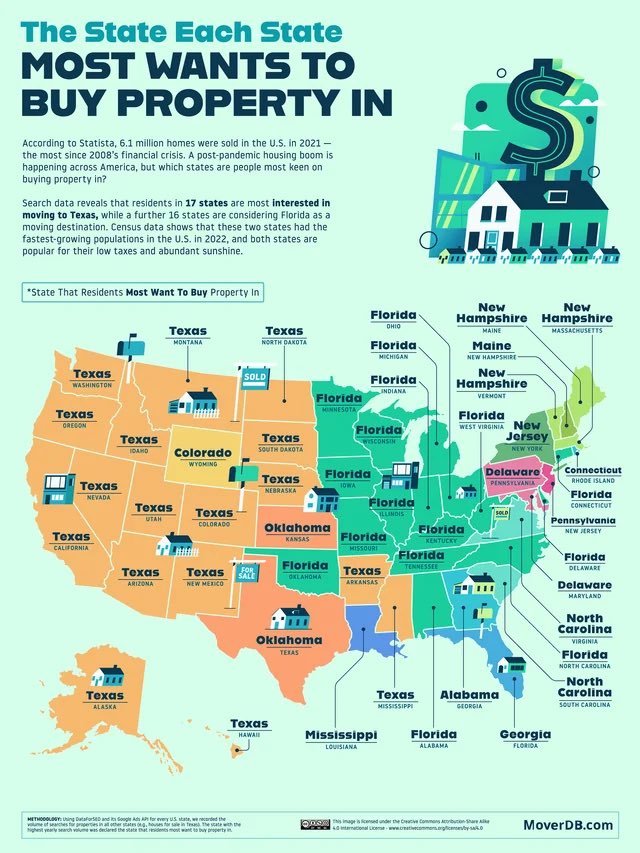
The question “Who wants to buy California?” often touches upon the real estate market, where properties in prime tourist locations are highly coveted. This includes hotels, beachfront villas, vineyards, and even entire commercial districts that serve as tourist magnets.
- Foreign Investment: California has historically been a favored destination for foreign investors looking for stable returns and exposure to the American market. Real estate, particularly in the hospitality sector, represents a tangible asset that benefits directly from the state’s thriving tourism.
- Development Opportunities: Developers are constantly seeking opportunities to build new hotels, resorts, and entertainment complexes, particularly in high-growth areas or emerging tourist destinations. The demand for unique and high-quality experiences fuels a continuous cycle of development and renovation.
The Role of Local Culture and Experiences
While infrastructure and luxury accommodations are crucial, the “buying” of California also involves the packaging and marketing of its unique local culture and authentic experiences. This is where the value lies for many travelers – the chance to immerse themselves in the state’s distinct way of life.
- Farm-to-Table Movement: California’s leadership in the farm-to-table movement is a major draw for food enthusiasts. Local farmers’ markets, renowned restaurants championing seasonal produce, and wine-tasting experiences in regions like Sonoma offer a taste of the state’s agricultural bounty.
- Art, Music, and Festivals: From the world-class museums in Los Angeles to the vibrant live music scene in San Francisco, and the numerous cultural festivals held throughout the year, California offers a rich tapestry of artistic expression. These cultural assets are intrinsic to its tourism appeal and are actively promoted to attract visitors.
Navigating the Future: Sustainability and Innovation in California Tourism
As California continues to be a prime destination, the question of “buying” also extends to its future development and the sustainability of its tourism model. Investors and developers are increasingly mindful of environmental responsibility and the preservation of the state’s natural beauty.
Eco-Tourism and Sustainable Practices
There is a growing trend towards eco-tourism, with visitors seeking experiences that minimize their environmental impact. This translates into investment in eco-lodges, sustainable tour operations, and destinations that prioritize conservation.
- National and State Parks: The pristine natural environments of California’s numerous national and state parks are crucial assets. Efforts to preserve these areas while ensuring accessibility for visitors are paramount.
- Green Hospitality: Hotels and resorts are increasingly adopting sustainable practices, such as reducing water and energy consumption, using local and organic materials, and implementing robust recycling programs. This not only appeals to environmentally conscious travelers but also contributes to long-term operational efficiency.

Technological Integration and Future Growth
Innovation is key to maintaining California’s competitive edge in the global tourism market. Technology plays an increasingly vital role in enhancing the traveler experience and streamlining operations within the hospitality sector.
- Smart Destinations: The concept of “smart destinations” is gaining traction, utilizing technology to improve visitor flow, provide personalized information, and enhance safety and security. This includes app-based navigation, virtual reality tours, and AI-powered concierge services.
- Data Analytics and Personalization: The hospitality industry leverages data analytics to understand traveler preferences, allowing for more personalized marketing and tailored experiences. This data-driven approach helps hotels and destinations anticipate needs and exceed expectations.
In essence, “Who Wants To Buy California?” is a rhetorical question that speaks to the state’s enduring desirability. It’s not about territorial acquisition, but about the continuous investment, development, and curation of experiences that make California a perpetual dream for travelers and a lucrative market for the global hospitality industry. The state’s blend of natural beauty, vibrant culture, and economic dynamism ensures its place at the forefront of international tourism for generations to come.
LifeOutOfTheBox is a participant in the Amazon Services LLC Associates Program, an affiliate advertising program designed to provide a means for sites to earn advertising fees by advertising and linking to Amazon.com. Amazon, the Amazon logo, AmazonSupply, and the AmazonSupply logo are trademarks of Amazon.com, Inc. or its affiliates. As an Amazon Associate we earn affiliate commissions from qualifying purchases.