
The question “Who was the bomber in Boston?” delves into one of the most poignant and defining moments in the modern history of Boston, a city steeped in historical significance. On April 15, 2013, the festive atmosphere of Patriots’ Day, traditionally a celebration of freedom and community spirit culminating in the world-renowned Boston Marathon, was shattered by an act of terror. This event, forever etched into the city’s narrative, speaks volumes about Boston’s resilience, its swift investigative capabilities, and the enduring spirit of its people. Understanding “who” was responsible is not merely an inquiry into names, but an exploration of how a critical historical event unfolded, its immediate impact, and its lasting legacy on a city known for its vibrant past and unwavering resolve. As we examine this historical chapter, we underscore the meticulous efforts that led to the identification of the perpetrators and how this episode became an indelible part of Boston’s broader historical tapestry.
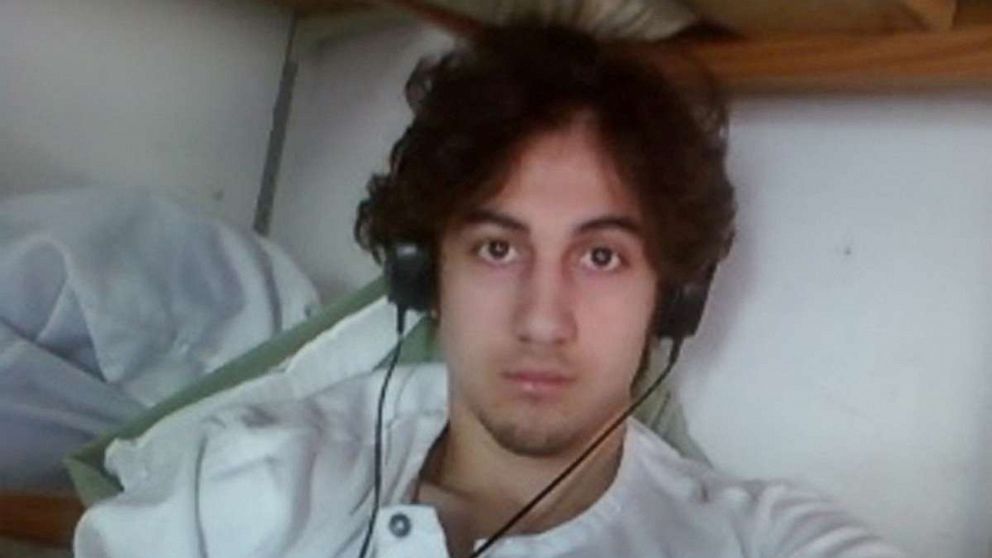
A City Interrupted: The Day History Changed
Boston, a city often called the “Cradle of Liberty,” holds a special place in American history, known for its pivotal role in the American Revolution and its commitment to democratic ideals. Annually, the Boston Marathon embodies this spirit, drawing participants and spectators from across the globe to witness an iconic display of human endurance and communal celebration. The events of April 15, 2013, profoundly altered this perception, demonstrating how even the most cherished traditions can become targets.
The Boston Marathon as a Boston Institution
For over a century, the Boston Marathon has been more than just a race; it is a fundamental institution that captures the essence of Boston. Held on Patriots’ Day, a Massachusetts state holiday commemorating the Battles of Lexington and Concord, the marathon is a symbol of perseverance, community, and the welcoming spirit of the city. Thousands of runners, ranging from elite athletes to charity fundraisers, tackle the grueling 26.2-mile course, cheered on by hundreds of thousands of spectators lining the route. The finish line on Boylston Street, adjacent to Copley Square, represents the culmination of immense effort and emotional triumph, an annual spectacle that weaves itself into the fabric of the city’s historical calendar. This particular day, the third Monday in April, typically buzzes with an unparalleled energy, cementing its status as one of the most anticipated annual events in Boston. The marathon route itself winds through several historic towns before reaching the heart of Boston, each mile a testament to the region’s rich heritage and community pride.
The Unthinkable Occurs: The 2013 Attack
On that fateful Patriots’ Day in 2013, the joyous occasion turned into a scene of chaos and horror. At approximately 2:49 PM EDT, two homemade pressure-cooker bombs detonated near the finish line on Boylston Street, mere seconds apart. The explosions killed three people, including an 8-year-old boy, and injured hundreds more, many of whom suffered life-altering injuries, including amputations. The sheer audacity of the attack, targeting a peaceful public event, sent shockwaves not only through Boston but across the nation and the world. The sounds of celebration were instantly replaced by screams of terror, sirens, and the frantic efforts of first responders and ordinary citizens rushing to aid the wounded. The bombings represented an unprecedented assault on the city’s communal spirit and a stark reminder of vulnerability, immediately propelling the event into the annals of modern American history.
The Immediate Aftermath and a City United
In the wake of the bombings, Boston demonstrated an extraordinary capacity for resilience and unity. The immediate response from emergency services, law enforcement, and ordinary citizens was nothing short of heroic, laying the groundwork for what would become a complex and high-stakes investigation.
Law Enforcement’s Swift Response
Within minutes of the explosions, the scene on Boylston Street transformed into a meticulously organized emergency operation. The Boston Police Department, Massachusetts State Police, Federal Bureau of Investigation (FBI), and numerous other agencies swiftly converged. Their immediate priorities were tri-fold: secure the scene, provide medical attention to the injured, and begin the painstaking process of collecting evidence. The sheer volume of surveillance footage, witness accounts, and physical debris presented an immense challenge, but the coordinated effort among local, state, and federal entities was unprecedented. Within hours, a massive investigative task force was assembled, dedicated to identifying and apprehending those responsible. This rapid, multi-agency response showcased the impressive capabilities of American law enforcement in the face of domestic terrorism. They worked tirelessly, combing through every piece of information to piece together the narrative of the attack and identify potential suspects.
“Boston Strong”: A Community’s Resilience
Amidst the devastation, a powerful rallying cry emerged: “Boston Strong.” This phrase quickly became synonymous with the city’s indomitable spirit and its defiant response to terror. Hospitals across Boston and Cambridge were inundated with casualties, yet medical professionals, volunteers, and blood donors responded with overwhelming generosity. Community support poured in from every corner, manifesting in fundraising efforts, vigils, and countless acts of kindness. The unified front presented by the citizens of Boston and the surrounding areas became a symbol of collective strength, showing the world that an act of violence could not break the city’s spirit. This remarkable display of solidarity, compassion, and determination became a defining characteristic of Boston’s historical response to adversity, echoing its revolutionary past where collective action shaped its future.
The Identification and Pursuit of the Perpetrators
The days following the bombing were marked by an intense, unprecedented manhunt that captivated the nation. The goal was clear: identify and capture the individuals responsible for this heinous act. The process involved a blend of cutting-edge forensic analysis, extensive surveillance review, and crucial public cooperation.
Unraveling the Evidence: The Role of Surveillance
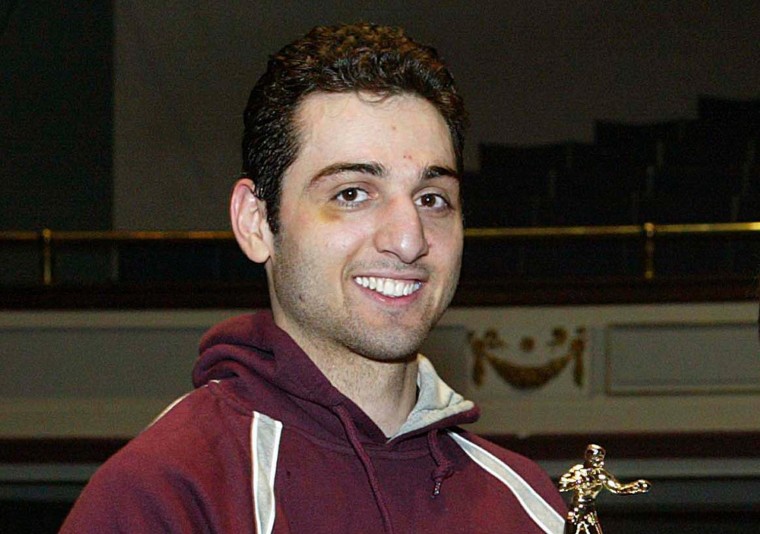
The breakthrough in the investigation came from the meticulous examination of security camera footage gathered from businesses and public cameras along the marathon route. Investigators spent countless hours sifting through thousands of videos, eventually identifying two individuals carrying backpacks near the finish line just before the explosions. On April 18, the FBI released images of two suspects, urging the public for assistance. This critical decision leveraged the power of community vigilance and significantly narrowed the search. The images, though grainy, showed two young men, later identified as brothers Tamerlan Tsarnaev and Dzhokhar Tsarnaev. The public’s immediate response to the FBI’s plea was instrumental in generating leads and accelerating the identification process. This use of technology and community partnership underscored a modern approach to criminal investigations in an urban environment.
The Manhunt Across Greater Boston
The release of the suspects’ images ignited a frantic chain of events that unfolded rapidly. That same evening, the Tsarnaev brothers shot and killed MIT Police Officer Sean Collier in Cambridge in an attempt to steal his firearm. They then carjacked a vehicle, briefly holding the driver hostage before he managed to escape and alert authorities. The escapee provided critical information, including the car’s description and the general direction the brothers were heading. This led to a dramatic pursuit and shootout in Watertown in the early hours of April 19. During the intense confrontation, over 200 shots were fired. Tamerlan Tsarnaev was gravely wounded, run over by his brother Dzhokhar as he fled the scene, and later died. Dzhokhar Tsarnaev escaped, triggering an unprecedented lockdown of Boston and its surrounding communities. Public transportation was halted, residents were asked to shelter in place, and businesses closed, creating an eerie silence across the normally bustling metropolitan area. This lockdown, a historical first for the region, highlighted the extreme measures taken to ensure public safety and secure the perpetrator.
The Bombers: Dzhokhar and Tamerlan Tsarnaev
The identification of the Tsarnaev brothers as the perpetrators brought a chilling clarity to the tragedy. Their background and motivations became a central focus of both the investigation and public discourse, shedding light on the complexities of radicalization within immigrant communities.
The Tsarnaev Brothers: Background and Radicalization
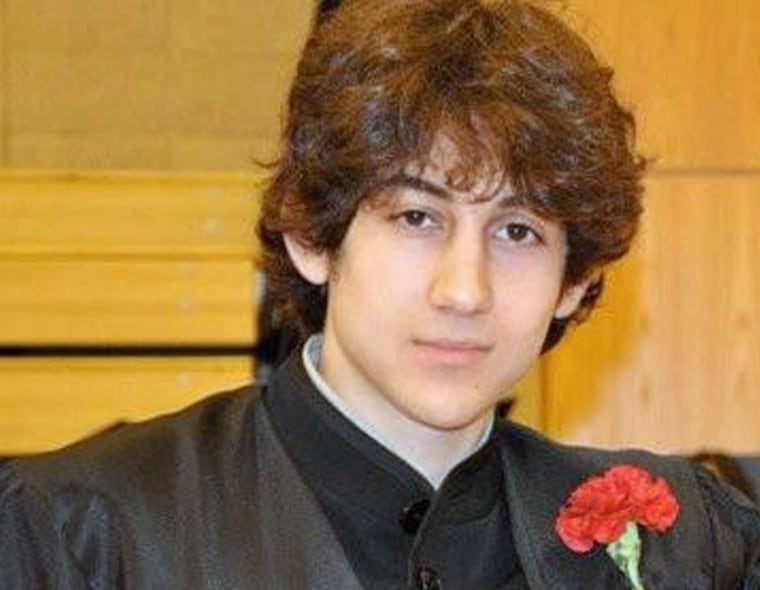
Tamerlan and Dzhokhar Tsarnaev were ethnic Chechen brothers who had immigrated to the United States with their family from Kyrgyzstan in the early 2000s, eventually settling in Cambridge, Massachusetts. Tamerlan, the elder brother, reportedly became increasingly radicalized in the years leading up to the attack, influenced by extremist Islamist ideologies found online. He traveled to Russia in 2012, reportedly to visit relatives, but investigators later suspected he may have engaged with extremist groups during this period. Dzhokhar, significantly younger, appeared to have been influenced by his elder brother. While both were seemingly integrated into American society — Dzhokhar was a student at the University of Massachusetts Dartmouth and Tamerlan was an aspiring boxer — their hidden descent into extremism culminated in the horrific act of violence at the Boston Marathon. The revelation of their identities, particularly their relatively recent immigrant status, sparked national conversations about assimilation, radicalization, and community vigilance.
The Tragic End for Tamerlan, The Capture of Dzhokhar
The manhunt for Dzhokhar Tsarnaev concluded on the evening of April 19, 2013, after he was discovered hiding in a boat in a backyard in Watertown. The boat’s owner noticed disturbed coverings and a trail of blood, leading him to investigate and ultimately call 911. After a brief standoff with law enforcement, Dzhokhar, wounded and bleeding, was apprehended. His capture brought immense relief to the city and the nation, ending a harrowing 24-hour period of intense fear and uncertainty. Tamerlan Tsarnaev’s life ended during the earlier confrontation with police. The capture of Dzhokhar allowed the legal process to begin, leading to his eventual trial and conviction for numerous federal charges, including the use of a weapon of mass destruction. He was sentenced to death in 2015, though appeals have kept the sentence under review. The conclusion of the manhunt marked a significant historical moment, demonstrating the relentless pursuit of justice by law enforcement and the eventual triumph over an immediate threat.
Legacy and Remembrance: Boston’s Enduring Spirit
The Boston Marathon bombing left an indelible mark on Boston, profoundly affecting its residents and the global perception of the city. However, true to its historical character, Boston has chosen to remember not just the tragedy, but also the extraordinary courage and unity that emerged from it.
Memorials and Ongoing Vigilance
In the years since the bombing, Boston has established poignant memorials to honor the victims and commemorate the resilience of the community. A permanent memorial, located near the finish line on Boylston Street, was dedicated in 2019, featuring bronze spires and individual stones honoring those who died. Each year, on April 15, the city observes a moment of silence and hosts various remembrance events, ensuring that the victims are never forgotten and the lessons learned are always upheld. Beyond physical memorials, the bombing led to enhanced security protocols for large public gatherings, not just in Boston but nationwide, reflecting an ongoing vigilance against similar acts of terror. These measures represent a permanent shift in how cities approach public event security, a direct historical consequence of the 2013 attack.
The Boston Marathon’s Resurgence
Perhaps the most powerful testament to Boston’s enduring spirit is the Boston Marathon’s resurgence. The first marathon after the bombing, held in 2014, was charged with emotion and an unprecedented sense of solidarity. Tens of thousands of runners and over a million spectators lined the route, many wearing “Boston Strong” gear, transforming the race into a powerful affirmation of life and defiance. The race continues to thrive, attracting record numbers of participants and spectators, embodying the city’s unwavering resolve to reclaim its cherished tradition. This annual event now serves as both a remembrance and a celebration of human resilience, a living historical monument to the fact that while Boston’s history was tragically interrupted, its spirit remains unbroken, proving that hate cannot overcome the power of unity and hope. The story of “Who Was The Bomber In Boston?” ultimately evolved into a narrative of how Boston overcame, making the city itself a landmark of resilience in the face of modern adversity.
LifeOutOfTheBox is a participant in the Amazon Services LLC Associates Program, an affiliate advertising program designed to provide a means for sites to earn advertising fees by advertising and linking to Amazon.com. Amazon, the Amazon logo, AmazonSupply, and the AmazonSupply logo are trademarks of Amazon.com, Inc. or its affiliates. As an Amazon Associate we earn affiliate commissions from qualifying purchases.