
The story of the founding of the New York Colony is less about a single visionary individual and more about a complex interplay of European powers, economic ambition, and shifting geopolitical landscapes. While the title “founder” might suggest a singular heroic figure, the establishment of New York as a distinct colonial entity was a gradual process, marked by conquest and a change in governance rather than a singular act of creation. To truly understand who “founded” the New York Colony, one must look beyond the traditional narrative of a sole leader and examine the contributions of the Dutch and subsequently the English who laid the groundwork and ultimately solidified its colonial identity.
The Dutch Genesis: New Netherland
The narrative of New York’s colonial beginnings is inextricably linked to the Dutch Republic. In the early 17th century, the Dutch West India Company, driven by lucrative fur trade opportunities, established a presence in the region. Their primary objective was not to create a settled agricultural colony in the same vein as the Pilgrims at Plymouth or the Puritans in Massachusetts Bay, but rather to build a commercial outpost.
Fort Amsterdam and the Strategic Location
In 1624, the Dutch West India Company dispatched settlers, primarily Walloon families, to establish a presence on Noten Eylant (Governors Island), followed shortly by a permanent settlement at the southern tip of Manhattan Island. This strategically vital location, at the mouth of the Hudson River, provided unparalleled access to the interior fur-trading routes. The fort they constructed, named Fort Amsterdam, served as the administrative and defensive center of their nascent colony, which they christened New Netherland.
Peter Minuit, serving as the Director-General of New Netherland, is often cited in relation to the acquisition of Manhattan Island. In 1626, he famously orchestrated the “purchase” of the island from the indigenous Lenape people for goods valued at 60 Dutch guilders. While this transaction is a pivotal moment in the colony’s history and a key event for understanding New York’s land ownership origins, it’s crucial to recognize that Minuit acted as an agent of the Dutch West India Company, rather than as an independent founder. His role was administrative and economic, facilitating the Dutch claim and development of the territory.
A Melting Pot Under Dutch Rule
Under Dutch rule, New Netherland developed into a remarkably diverse and tolerant society for its time. Unlike some of the more religiously homogeneous English colonies, New Netherland welcomed settlers from various European backgrounds and faiths, including Dutch, French Huguenots, Germans, Scots, and Jews. This diversity contributed to a vibrant and dynamic society centered around trade and commerce. The capital, New Amsterdam, established on Manhattan Island, quickly became a bustling port city and a significant center for the fur trade.
However, the Dutch presence, while foundational, was ultimately transient. Their economic success and strategic location made New Netherland a tempting prize for rival European powers, most notably England.
The English Conquest and the Birth of New York
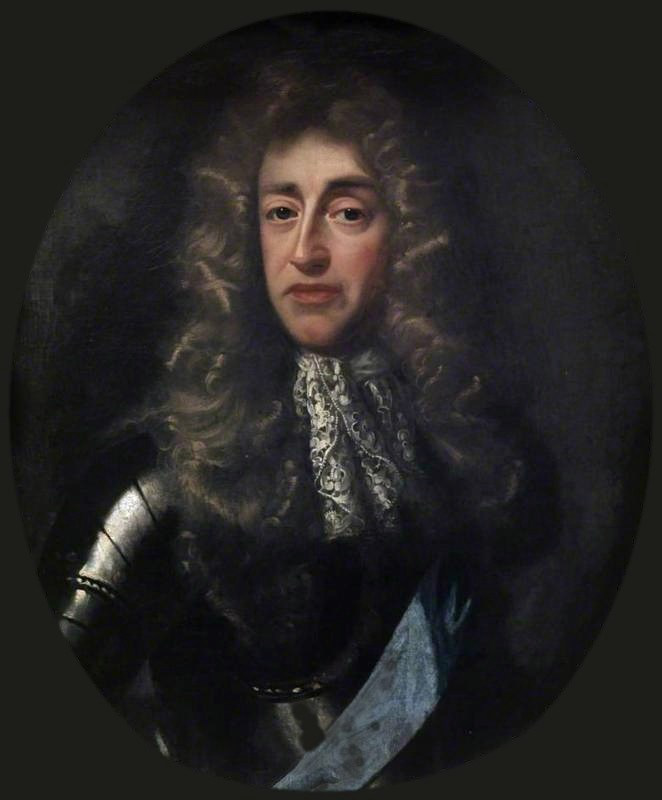
The transition from Dutch to English control was a decisive moment that effectively solidified the identity of the New York Colony. In 1664, during a period of escalating Anglo-Dutch tensions, King Charles II of England granted the territory of New Netherland to his brother, James, Duke of York. This grant was part of England’s broader ambition to consolidate its colonial holdings and assert its dominance in North America.

A Bloodless Takeover
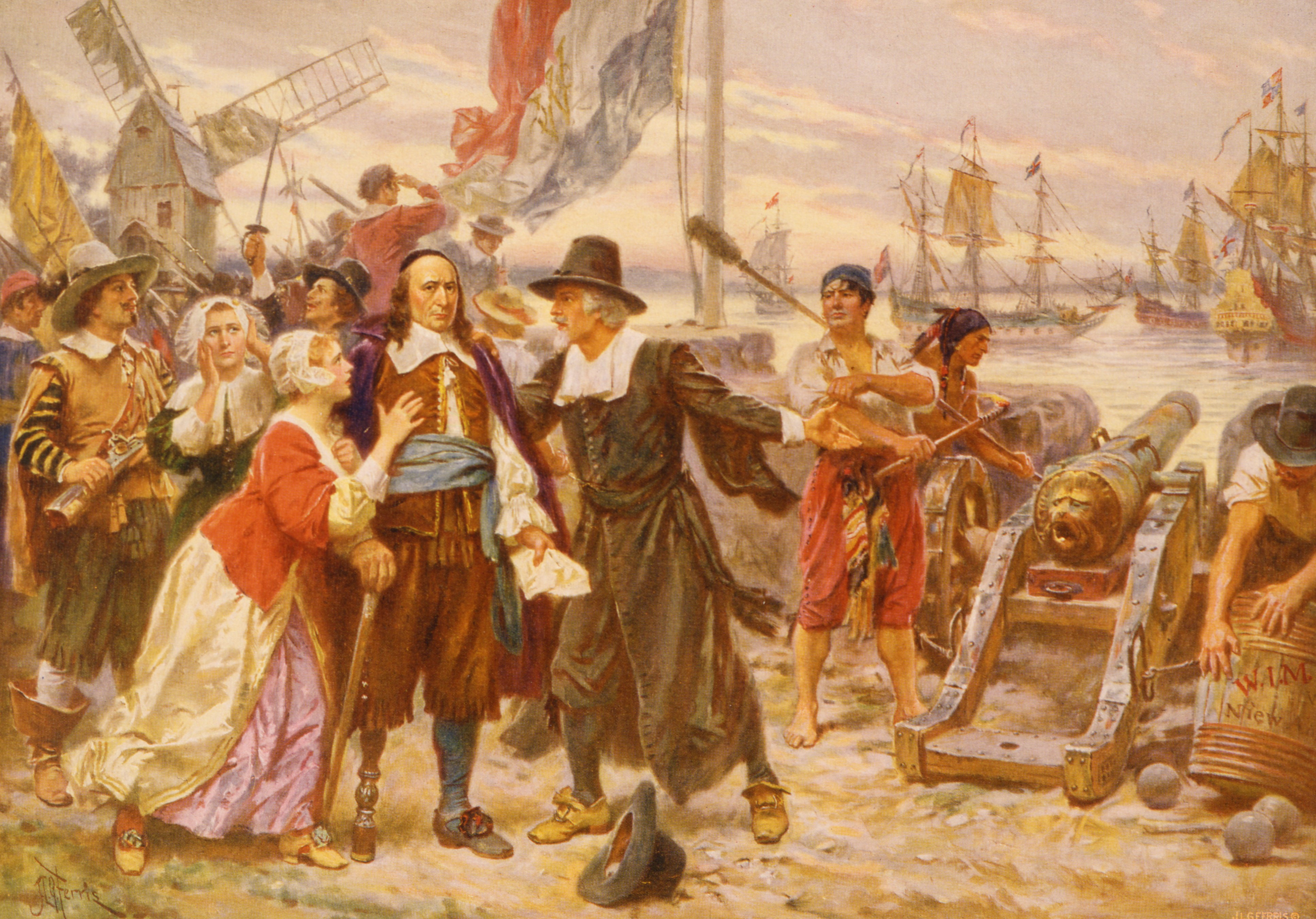
In August 1664, an English fleet arrived in New Amsterdam’s harbor, demanding the surrender of the colony. The Dutch Director-General at the time, Peter Stuyvesant, a figure often depicted as a stern but dedicated administrator, was faced with an impossible situation. With inadequate defenses and a population that was largely indifferent to Dutch rule, Stuyvesant reluctantly surrendered New Netherland without a fight. The ease of this conquest underscores the limited cohesive support for Dutch authority among the populace.
Following the surrender, the English renamed the colony New York in honor of the Duke of York. New Amsterdam was also renamed New York City. This marked the beginning of a new era, one where English laws, language, and administrative structures would shape the future of the colony.
The Duke of York’s Administration
While James, Duke of York, was the titular proprietor of the colony, he did not personally oversee its day-to-day management. Instead, he appointed a series of governors to administer New York on his behalf. These governors were tasked with establishing English governance, managing the economy, and navigating relations with both the indigenous populations and the remaining Dutch settlers.
Under English rule, New York continued to evolve as a vital commercial hub. The English maintained and expanded upon the Dutch legacy of trade, particularly in furs, but also increasingly in agricultural products and timber. The strategic port of New York City remained central to the colony’s economic prosperity, attracting merchants and settlers from a variety of backgrounds.
The Legacy of Multiple Founders
Therefore, the question of “who was the founder of the New York Colony?” necessitates a nuanced answer.
The Dutch Architects
The Dutch can be considered the original architects of the European settlement in the region. Through the Dutch West India Company, they established the initial infrastructure, administrative framework, and the foundational settlement that would become New York City. Figures like Peter Minuit and Peter Stuyvesant, though serving specific roles within the company’s hierarchy, were instrumental in the early development and administration of New Netherland. Their efforts laid the essential groundwork for any future colonial enterprise.
The English Consolidators
The English, through the grant to James, Duke of York, and the subsequent conquest, can be seen as the consolidators who transformed the Dutch outpost into a formal English colony. They provided the political and legal structure that defined New York as a distinct entity within the British Empire. While the Duke of York was the proprietor, it was his appointed governors and the English Crown that ultimately established and maintained English sovereignty over the territory.
Ultimately, the New York Colony is a product of both Dutch foresight and English ambition. It was not founded by a single individual with a singular vision, but rather by the confluence of competing imperial interests and the strategic importance of the land itself. The legacy of its founding is a testament to its diverse origins and its enduring role as a vital crossroads of commerce and culture in North America. The continuous evolution of New York as a global center owes a debt to both the Dutch beginnings and the English consolidation that shaped its early identity.
LifeOutOfTheBox is a participant in the Amazon Services LLC Associates Program, an affiliate advertising program designed to provide a means for sites to earn advertising fees by advertising and linking to Amazon.com. Amazon, the Amazon logo, AmazonSupply, and the AmazonSupply logo are trademarks of Amazon.com, Inc. or its affiliates. As an Amazon Associate we earn affiliate commissions from qualifying purchases.