
The tragic events of April 15, 2013, etched a somber chapter into the vibrant history of Boston. What began as a day of celebration, marking the 117th running of the Boston Marathon, quickly descended into chaos and profound sorrow. For any visitor or resident contemplating the historical fabric of this iconic New England city, understanding this pivotal moment and the individuals responsible is crucial to grasping its modern resilience and enduring spirit. The perpetrators were two brothers, Dzhokhar Tsarnaev and Tamerlan Tsarnaev, whose actions left an indelible mark on the city and nation, prompting a re-evaluation of security measures at public events and a testament to Boston’s strength. This historical account delves into their identities, motives, and the profound impact their crimes had on the city’s historical narrative.
The Day That Shook Boston: A Historical Retrospective
The Boston Marathon is more than just a race; it’s an annual testament to human endurance, community spirit, and a cornerstone of Boston’s cultural landscape. Patriots’ Day, the third Monday in April, typically sees hundreds of thousands of spectators lining the 26.2-mile course, culminating near Copley Square on Boylston Street. This festive atmosphere, deeply ingrained in the city’s historical traditions, was shattered by an act of terror that echoed through the streets, irrevocably altering how future generations would perceive this storied event.
The Boston Marathon: A City’s Enduring Tradition
Tracing its origins back to 1897, the Boston Marathon is the world’s oldest annual marathon, a significant landmark in the history of long-distance running. Its course winds through several historic towns, from Hopkinton to the heart of Boston, passing by numerous historical markers and landmarks. For decades, it has symbolized the city’s vibrant communal spirit and its global standing as a center for athletics and public gatherings. The finish line on Boylston Street, ordinarily a place of triumph and celebration, became the focal point of the attack, making it a site of both historical achievement and profound tragedy. Understanding the historical context of the marathon itself is crucial to comprehending the depth of the wound inflicted upon the city.
The Attack Unfolds
At approximately 2:49 PM EDT, as thousands of runners were still making their way to the finish line, two improvised explosive devices (IEDs) detonated mere seconds apart. The first blast occurred near 671 Boylston Street, close to the finish line, followed almost immediately by a second explosion a block away, near 755 Boylston Street. The devices, fashioned from pressure cookers packed with shrapnel, inflicted horrific injuries, killing three spectators and injuring hundreds, including 17 who lost limbs. The immediate aftermath was a scene of pandemonium, quickly giving way to remarkable displays of heroism by first responders, medical personnel, and ordinary citizens, whose swift actions undoubtedly saved countless lives and became an immediate part of Boston’s historical response to crisis.
Unmasking the Perpetrators: A Look into Their Background
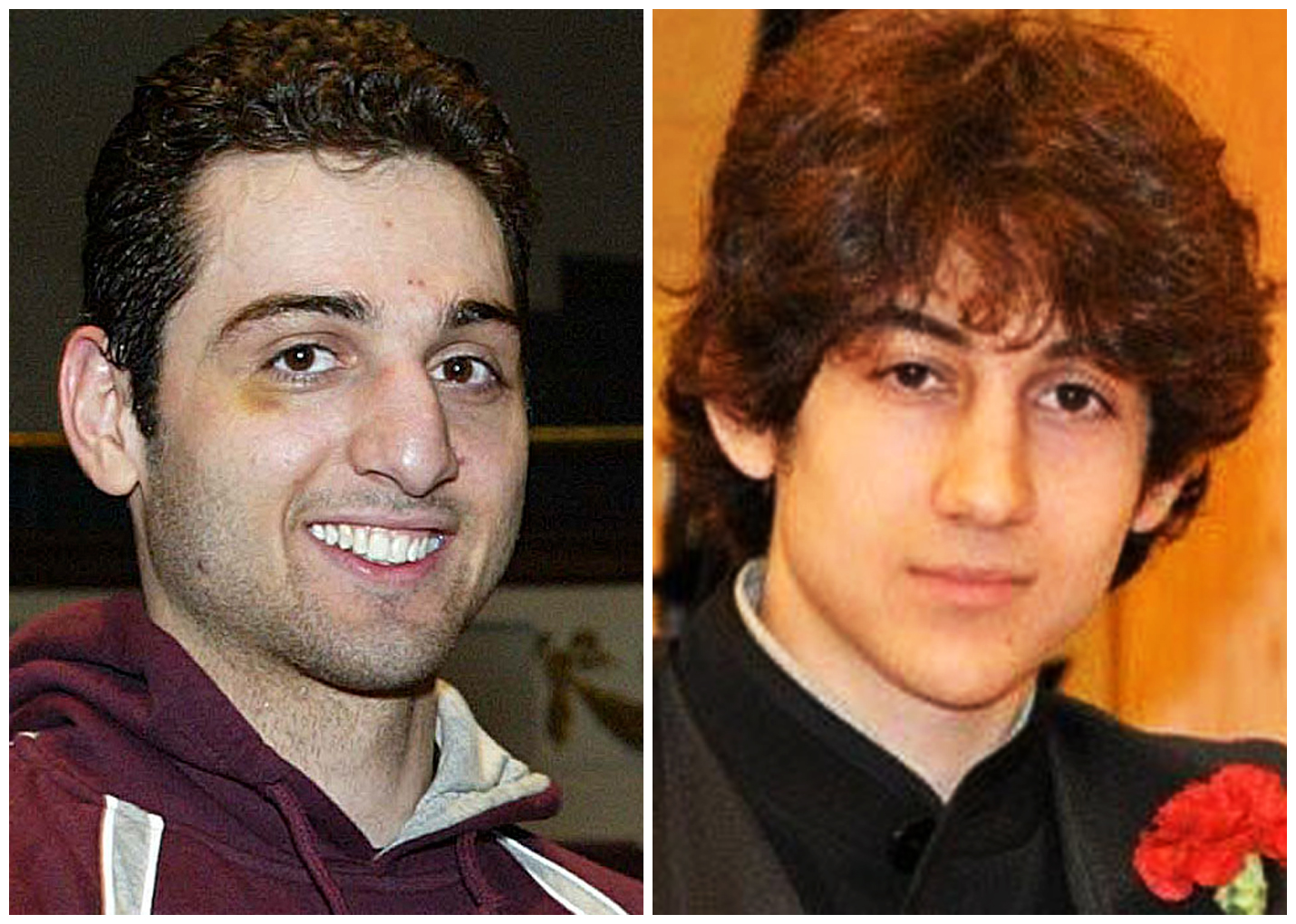
The rapid and extensive investigation that followed the bombings quickly focused on identifying those responsible. Within days, the Federal Bureau of Investigation (FBI) released images of two suspects, leading to a tense, city-wide manhunt that culminated in the identification of the Tsarnaev brothers. Their story, a complex tapestry of immigration, cultural assimilation struggles, and radicalization, became central to understanding the motivations behind such a heinous act.
Dzhokhar and Tamerlan Tsarnaev
Dzhokhar Tsarnaev and Tamerlan Tsarnaev were ethnic Chechen brothers who had immigrated to the United States with their family from Kyrgyzstan in 2002 and 2004, respectively, eventually settling in Cambridge, Massachusetts. Tamerlan, the elder brother, was a former amateur boxer who appeared to struggle with integrating into American society, displaying increasing signs of religious fundamentalism and discontent in the years leading up to the attack. Dzhokhar, on the other hand, was a student at the University of Massachusetts Dartmouth and was generally perceived as more assimilated and less outwardly radicalized. Their contrasting public personas added a layer of complexity to the post-event analysis, highlighting the insidious nature of radicalization that can occur even within seemingly ordinary communities.
Radicalization and Motives
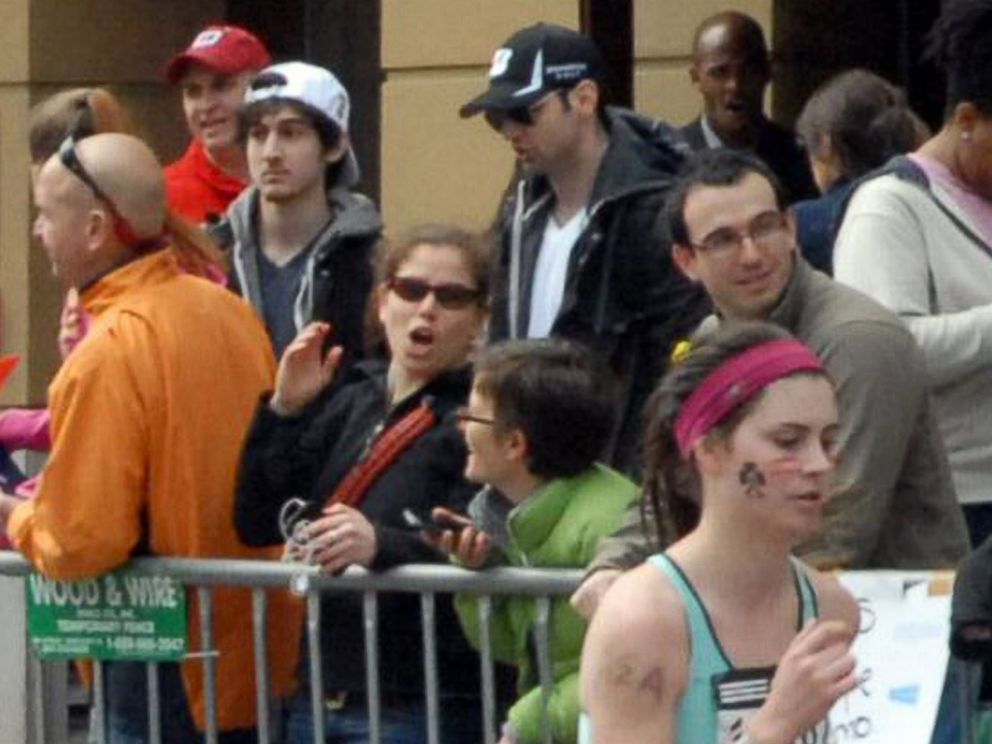
Investigations into the brothers’ motives revealed a path of self-radicalization, largely influenced by online extremist propaganda. Tamerlan emerged as the primary instigator, consuming radical Islamic content and discussing extremist ideologies with family members and acquaintances. He had traveled to Russia in 2012, raising concerns with Russian and American intelligence agencies, though no direct actionable intelligence prevented the later attack. His younger brother, Dzhokhar, later testified that he became involved due to his brother’s influence and his own desire to defend Islam from perceived attacks. Their stated motivation, according to notes left by Dzhokhar while hiding in a boat, was retaliation for U.S. wars in Muslim lands. This narrative underscores a crucial historical lesson on the dangers of online radicalization and the challenges faced by law enforcement in identifying and mitigating such threats within open societies.
The Manhunt and Its Aftermath: A City United
The period following the bombings was characterized by a dramatic and unprecedented manhunt that gripped the entire nation. The events that unfolded over the subsequent days, from the identification of the suspects to their eventual capture, represent a significant historical episode of inter-agency cooperation and public vigilance, profoundly impacting the collective memory of Boston.
Watertown Lockdown
The pursuit of the Tsarnaev brothers escalated dramatically on the evening of April 18, just three days after the bombings. Following the public release of their images by the FBI, the brothers murdered Massachusetts Institute of Technology (MIT) Police Officer Sean Collier in Cambridge in an attempt to steal his firearm. This was followed by the carjacking of an SUV, leading to a high-speed chase and a fierce shootout with police in Watertown, a suburban town west of Boston. During this confrontation, Tamerlan Tsarnaev was critically wounded and later died, partly due to injuries sustained from being run over by his brother, Dzhokhar, as he fled the scene in the stolen vehicle. The incident triggered an unprecedented lockdown of Boston and surrounding communities, with residents ordered to shelter in place as thousands of law enforcement officers conducted a meticulous, house-to-house search for the remaining suspect. This collective act of civic responsibility and the massive coordinated effort from law enforcement remain a powerful historical precedent.
Capture and Consequences
Dzhokhar Tsarnaev was ultimately found hiding in a boat stored in a backyard in Watertown on the evening of April 19, his capture bringing an end to the four-day reign of terror. He was apprehended alive, albeit with serious injuries. His subsequent trial became a landmark legal case, revealing intricate details of the plot and the brothers’ radicalization. In 2015, Dzhokhar Tsarnaev was convicted on 30 counts, including conspiracy and use of a weapon of mass destruction, and sentenced to death, a sentence that has undergone appeals and remains a subject of legal discourse. The legal proceedings themselves added another layer to the historical record, offering insights into the justice system’s response to domestic terrorism.
The Legacy and Resilience of a City
The Boston Marathon Bombing, and the subsequent events, profoundly impacted the city’s identity, becoming a crucial historical marker. Yet, out of the ashes of tragedy, Boston emerged with an even stronger sense of community and resilience, epitomized by the rallying cry that resonated across the globe.
“Boston Strong”
In the wake of the bombings, the phrase “Boston Strong” quickly became a symbol of unity, defiance, and unwavering spirit. It encapsulated the collective determination of the city to heal, rebuild, and not be defined by the actions of terrorists. This slogan adorned everything from social media profiles to t-shirts, signifying a communal bond that transcended individual sorrow. The outpouring of support from across the nation and around the world demonstrated the universal human desire to stand against hatred, making “Boston Strong” a powerful historical testament to global solidarity. The subsequent Boston Marathon races have seen increased participation and emotional returns, underscoring the city’s commitment to reclaim its most cherished tradition.

Memorials and Remembrance
Today, the sites of the bombings on Boylston Street serve as a place of quiet reflection for many. A permanent memorial, unveiled in 2019, now stands near the finish line, honoring those who died and those whose lives were forever altered. The memorial features three bronze spires, representing the three victims, and includes embedded stones from the marathon course, symbolizing the resilience of the runners and the community. This landmark, along with numerous other acts of remembrance, ensures that the victims and the spirit of defiance embodied by “Boston Strong” will forever be woven into the rich historical tapestry of Boston, serving as a poignant reminder of the city’s capacity for healing and collective strength in the face of adversity. For those exploring Boston’s historical landmarks, these sites offer a profound connection to the city’s recent past and its enduring legacy.
LifeOutOfTheBox is a participant in the Amazon Services LLC Associates Program, an affiliate advertising program designed to provide a means for sites to earn advertising fees by advertising and linking to Amazon.com. Amazon, the Amazon logo, AmazonSupply, and the AmazonSupply logo are trademarks of Amazon.com, Inc. or its affiliates. As an Amazon Associate we earn affiliate commissions from qualifying purchases.