
The question of who won the 2007 Boston Marathon Women’s Division touches upon more than just an athletic feat; it delves into the heart of a premier global sporting event that draws hundreds of thousands of tourists to Boston, Massachusetts, each year. This iconic race is a significant driver of tourism, offering a unique blend of historical gravitas, community spirit, and international athletic spectacle that captivates visitors from around the world. Understanding the winner of a specific year, such as 2007, allows us to reflect on the individual stories that weave into the rich tapestry of this broader tourism phenomenon.
The Boston Marathon: A Pinnacle Event in Global Tourism
The Boston Marathon is not merely a race; it is a cultural institution and a monumental tourism event. Held annually on Patriots’ Day, the third Monday in April, it transforms the entire region into a vibrant hub of activity. For over a century, the marathon has attracted not only elite athletes but also a vast entourage of spectators, supporters, and general tourists eager to experience its unique atmosphere. The event’s reputation precedes it, drawing attention from across the United States and beyond, making it a cornerstone of Boston’s annual tourism calendar. Its longevity and prestige contribute significantly to its allure, ensuring a steady stream of visitors year after year.
A Legacy of Athleticism and Spectacle
The allure of the Boston Marathon for tourists stems from its unparalleled legacy. As the world’s oldest annual marathon, it boasts a history rich with legendary performances, dramatic finishes, and enduring human interest stories. Visitors are drawn to witness history in the making, whether it’s an elite runner breaking a record or an amateur athlete achieving a personal milestone. The course itself is a journey through historic towns and vibrant neighborhoods, each offering unique vantage points and local celebrations. From the starting line in Hopkinton to the finish on Boylston Street, every mile offers something for the tourist, be it a bustling spectator zone, a quaint town square, or a challenging incline like Heartbreak Hill where the collective cheers of the crowd become part of the experience. This blend of athletic excellence and community spectacle creates an engaging environment for all tourists, whether they are ardent running fans or casual observers.
Economic Impact and Visitor Influx
The economic impact of the Boston Marathon on the city’s tourism sector is immense. Hotels, restaurants, shops, and transportation services all experience a significant boost during marathon weekend. Tens of thousands of runners, accompanied by their friends and families, descend upon Boston, filling accommodation options and frequenting local businesses. Beyond direct spending, the global media coverage of the event provides invaluable promotion for Boston as a tourist destination, showcasing its beauty, hospitality, and capacity to host world-class events. Tourists planning their visit around the marathon often extend their stay to explore Boston’s other attractions, from its revolutionary war sites to its vibrant arts scene, thereby multiplying the economic benefits and solidifying the city’s reputation as a multifaceted destination.
Lidiya Grigoryeva’s Triumph: A Moment for Boston Tourism
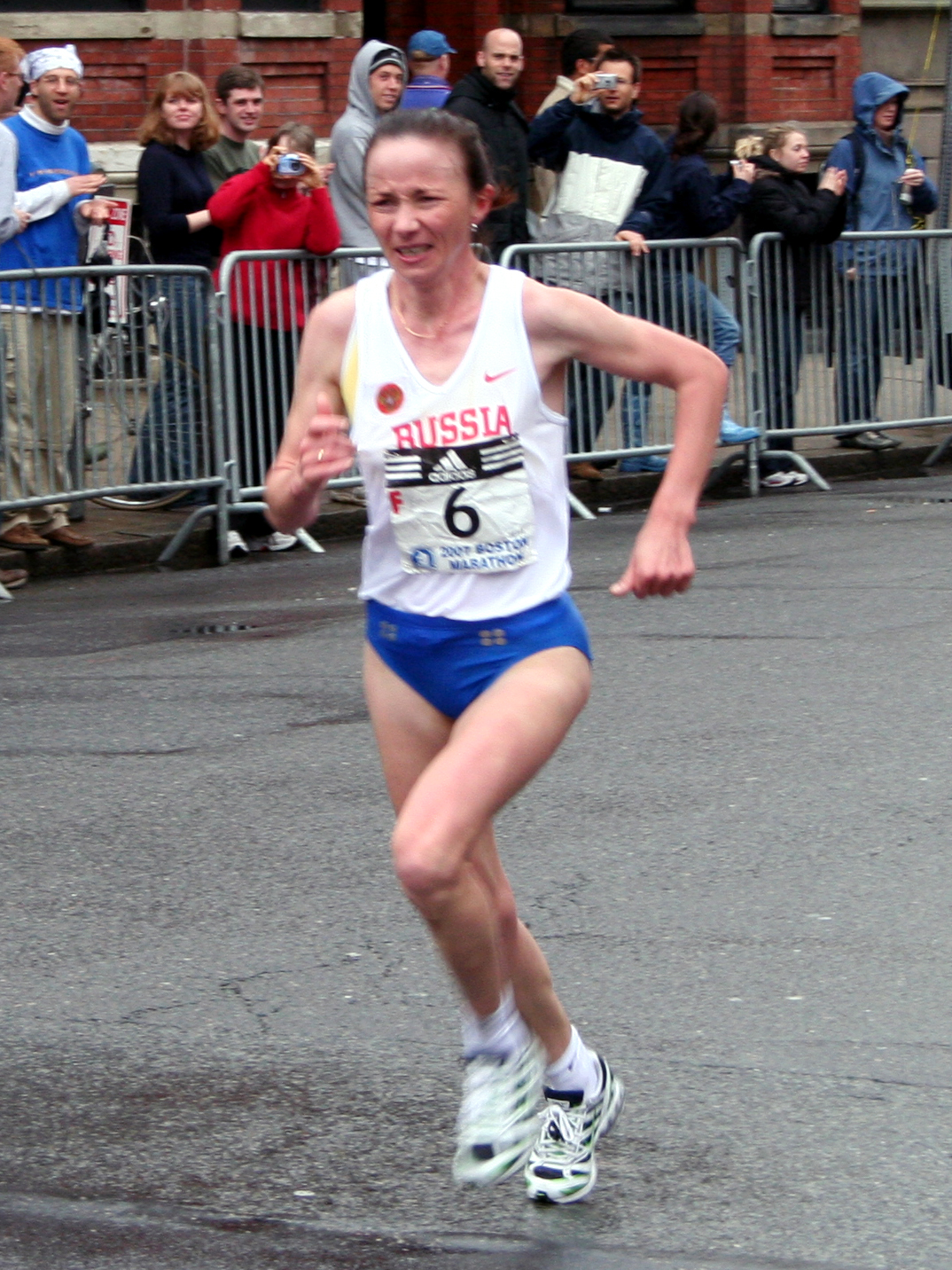
In 2007, the focus of the women’s elite field culminated in a masterful performance by Lidiya Grigoryeva of Russia. Her victory in the Boston Marathon Women’s Division was a moment of intense excitement and international recognition, not just for her and her home country, but also for the thousands of tourists who flocked to Boston to witness the event. Grigoryeva crossed the finish line with a time of 2 hours, 29 minutes, and 18 seconds, securing her place in the marathon’s storied history. Her triumph became a captivating narrative for spectators, adding another memorable chapter to the race’s legacy and enhancing the overall tourism experience.
The Race Day Experience for Visitors
For tourists present on April 16, 2007, Lidiya Grigoryeva’s race was part of an unforgettable experience. The day began with a palpable buzz as spectators staked out their spots along the 26.2-mile course. In Newton, particularly around Heartbreak Hill, tourists witnessed the grit of the runners firsthand. As the elite women passed, the energy was electric. The anticipation built steadily towards the finish line in Copley Square, where massive crowds gathered. Tourists cheered, waved flags, and soaked in the collective atmosphere of triumph and perseverance. When Grigoryeva emerged as the victor, the roar of the crowd was deafening, a shared moment of exhilaration that transcended nationality. This collective experience of witnessing a world-class athletic achievement is a significant draw for tourism, offering a spectacle that is both thrilling and deeply human.
Celebrating International Sporting Achievement
Lidiya Grigoryeva’s victory highlighted the global nature of the Boston Marathon. As a Russian athlete conquering one of the most challenging marathon courses, her win underscored the event’s appeal to an international audience. For tourists from Russia and other parts of the world, witnessing an athlete from their own nation or a beloved figure achieve such a feat adds a layer of personal connection and pride to their travel experience. This international flavor contributes significantly to Boston’s image as a global city, open to diverse cultures and celebrated athletic talent. The post-race festivities, including medal ceremonies and athlete appearances, provide further opportunities for tourists to engage with the victorious athletes and feel a part of the grand celebration, creating lasting memories that enhance their overall perception of Boston as a welcoming and dynamic destination.
Exploring Boston: Beyond the Finish Line
While the Boston Marathon is a powerful magnet for tourism, visitors often extend their stay to explore the myriad attractions that Boston and the surrounding New England region have to offer. The marathon serves as an excellent anchor for a broader trip, allowing tourists to combine the excitement of the race with rich historical exploration, cultural immersion, and culinary adventures.
Iconic Landmarks Along the Route
The marathon course itself is a scenic tour through several charming towns and iconic Boston neighborhoods. Tourists can revisit parts of the route, experiencing them at a more leisurely pace. Starting points like Hopkinton offer picturesque settings, while the stretch through Wellesley is famous for the “Scream Tunnel” of students cheering on runners. Within Boston proper, the final miles down Commonwealth Avenue and Boylston Street are lined with architectural marvels like the Prudential Center and the John Hancock Tower. Tourists can walk along the Charles River Esplanade, visit the historic Fenway Park, or delve into the art collections at the Museum of Fine Arts and the Isabella Stewart Gardner Museum, all within easy reach of the marathon finish area. These landmarks, seen by millions globally during the race broadcast, become tangible destinations for visitors.
Culinary Delights and Local Culture
Boston’s culinary scene is another significant draw for tourists, especially after the physical demands of the marathon (for participants) or the excitement of spectating (for visitors). From classic New England clam chowder and lobster rolls to innovative farm-to-table restaurants, the city offers a diverse range of dining experiences. Historic areas like Faneuil Hall Marketplace provide a bustling atmosphere for sampling local fare. Tourists can also explore breweries like Sam Adams Brewery, or immerse themselves in the rich history of the city by walking the Freedom Trail, visiting sites like the Paul Revere House. These cultural and gastronomic experiences complete the tourism package, making a marathon visit a holistic exploration of Boston’s charm and character.
Planning Your Marathon Visit
For tourists considering a trip to Boston for a future marathon, careful planning is essential. Accommodation, particularly around Copley Square and downtown, books up months in advance due to high demand. Public transportation is highly recommended on race day, as many roads are closed. Spectator guides are invaluable for identifying prime viewing spots and understanding road closures. Beyond the race, tourists should allocate time for key attractions, perhaps purchasing a city pass for discounted entry. Engaging with local tourism boards can provide up-to-date information on events, dining recommendations, and travel tips, ensuring a smooth and enjoyable trip that maximizes both the marathon experience and the exploration of Boston’s wider offerings.
The Enduring Allure of Marathon Tourism
The story of Lidiya Grigoryeva’s victory in 2007 is but one snapshot in the long and illustrious history of the Boston Marathon. What truly sustains the event as a tourism powerhouse is its consistent ability to deliver compelling human narratives set against the backdrop of one of America’s most historic cities. Marathon tourism is a specialized niche, yet it significantly contributes to the global travel industry, appealing to those who seek active engagement, inspiration, and a sense of shared community.
From Participant to Spectator: Diverse Tourist Roles
Marathon tourism encompasses a wide spectrum of visitors. There are the athletes themselves, many of whom travel internationally to run the Boston Marathon, often bringing a significant support crew. For these participants, the trip is a pilgrimage, a culmination of months or years of training, with the finish line being the ultimate goal. Then there are the accompanying family members and friends, who become dedicated spectators, navigating the city to cheer on their loved ones. Finally, there’s a large contingent of general tourists and running enthusiasts who simply want to be part of the atmosphere, witness elite competition, or tick off a bucket-list sporting event. Each group contributes to the vibrant energy of marathon week, making Boston an exciting destination during this period.

The Spirit of Community and Shared Experience
At its core, marathon tourism is about experiencing a profound sense of community. The shared anticipation, the collective cheers, the mutual respect between runners and spectators – these elements create an atmosphere unlike any other. For tourists, this immersion into local culture and global camaraderie is a powerful draw. Boston Marathon week is a time when the city opens its arms, showcasing its resilience, its pride, and its vibrant spirit. Witnessing an event like Lidiya Grigoryeva’s 2007 win is not just about seeing a race; it’s about being present for a moment of human achievement, participating in a city-wide celebration, and connecting with a global community united by the universal language of sport. This deep, engaging experience ensures the Boston Marathon remains a perennial highlight on the international tourism circuit.
LifeOutOfTheBox is a participant in the Amazon Services LLC Associates Program, an affiliate advertising program designed to provide a means for sites to earn advertising fees by advertising and linking to Amazon.com. Amazon, the Amazon logo, AmazonSupply, and the AmazonSupply logo are trademarks of Amazon.com, Inc. or its affiliates. As an Amazon Associate we earn affiliate commissions from qualifying purchases.