
The echoes of roaring engines and the cheers of an enthusiastic crowd have faded, but the victory at the inaugural Chicago NASCAR Cup Series race remains a significant moment in motorsports history. This groundbreaking event, held on the streets of downtown Chicago, brought the exhilarating world of stock car racing to a vibrant urban landscape, offering a unique spectacle for both seasoned fans and curious newcomers. The question of “Who Won” is not just about a single driver’s triumph, but also about the success of the event itself in transforming the iconic Chicago street circuit into a temporary, high-octane arena.
The Grand Debut on Grant Park’s Pavement
The Chicago Street Race, officially known as the Grant Park 220, was more than just another stop on the NASCAR calendar; it was a bold experiment. For the first time in its history, the NASCAR Cup Series ventured onto a temporary street circuit within a major metropolitan downtown. The chosen location, weaving through the heart of Chicago and incorporating parts of Michigan Avenue and Lake Shore Drive, offered a breathtaking backdrop of architectural marvels, including the Willis Tower and the scenic Lake Michigan shoreline. This decision injected a novel element of urban exploration into the sport, appealing to a broader audience interested in unique travel experiences and city attractions.
Navigating the Urban Maze
The construction of the 2.2-mile circuit was a monumental undertaking. Crews worked diligently to transform familiar city streets into a challenging racetrack, complete with barriers, grandstands, and fan zones. The layout demanded precision driving, with tight corners, elevation changes, and the ever-present challenge of racing inches from city infrastructure. This urban setting presented a stark contrast to NASCAR’s traditional oval tracks, testing the adaptability and skill of every driver. Spectators, meanwhile, enjoyed unparalleled proximity to the action, with many experiencing NASCAR for the first time against the backdrop of America’s third-largest city. The event promised to be a highlight for anyone seeking thrilling city-based activities and a unique perspective on a beloved American sport.
Weather’s Unpredictable Role
As with many outdoor events, especially those held in dynamic urban environments, weather played a significant role in the narrative of the inaugural Chicago race. Persistent rain showers on race day significantly impacted the on-track action. The wet conditions transformed the carefully crafted street circuit into a treacherous surface, forcing drivers to exercise extreme caution. The event organizers and NASCAR officials faced the difficult task of managing the schedule amidst the downpours, prioritizing safety while attempting to deliver the promised racing spectacle. Ultimately, the race was shortened due to the inclement weather, adding another layer of drama and unpredictability to the historic event. This situation underscored the challenges of hosting large-scale outdoor sporting events and the resilience required from both organizers and participants when nature intervenes.
The Driver of Destiny: Shane van Gisbergen’s Surprise Victory
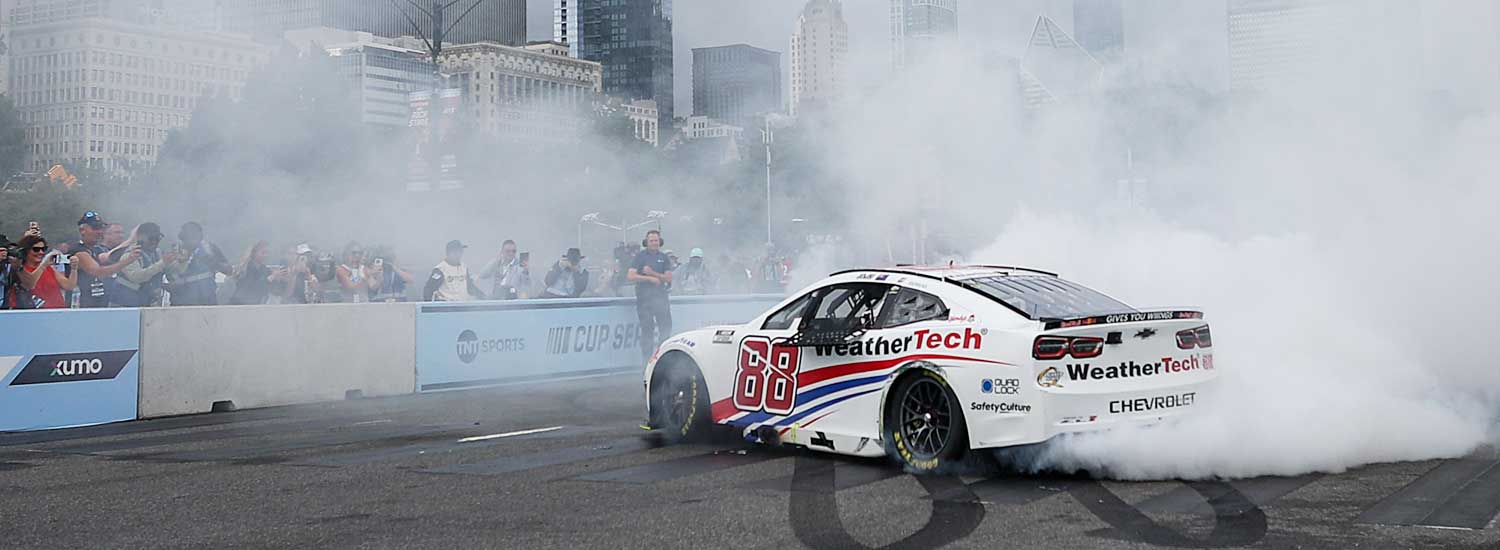
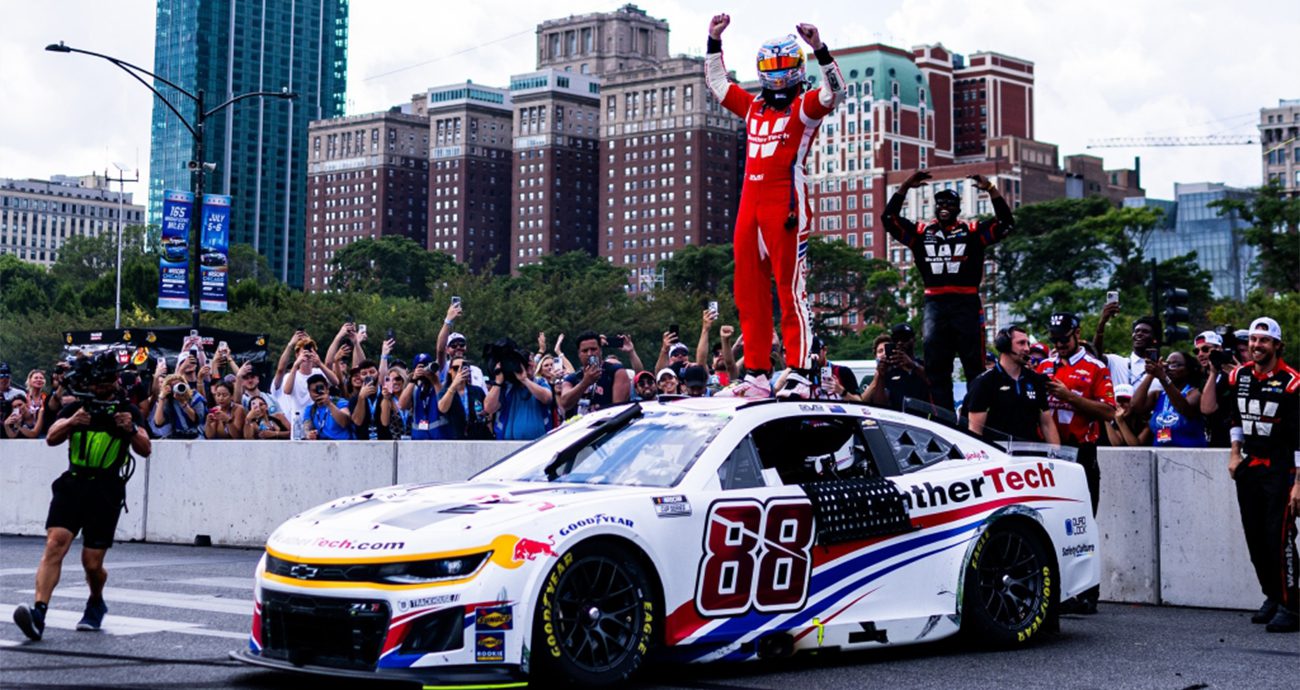
Amidst the challenging conditions and the historic debut, one name emerged triumphant: Shane van Gisbergen. The New Zealand native, a multi-time champion in Australian Supercars, made a sensational debut in the NASCAR Cup Series, capturing the checkered flag in his very first start. This unprecedented victory etched his name into the annals of motorsport and brought an international flair to the Chicago event. Van Gisbergen’s performance was nothing short of remarkable, showcasing his exceptional talent and adaptability on a completely unfamiliar track and in challenging weather.
A Masterclass in Rain Driving
Shane van Gisbergen’s victory was a testament to his extraordinary skill, particularly his prowess in wet-weather racing. While many NASCAR veterans struggled to maintain control on the slick city streets, van Gisbergen navigated the treacherous conditions with a remarkable degree of composure and speed. His ability to read the track, manage tire grip, and execute precise maneuvers set him apart from the competition. The race, though shortened, provided a compelling showcase of his talent, proving that international drivers can indeed conquer the competitive landscape of NASCAR. His win was not just a personal triumph but a significant moment for the sport, highlighting the global appeal of NASCAR and the potential for cross-border talent to make an immediate impact.
Beyond the Track: The Impact on Chicago Tourism
The Chicago NASCAR race was more than just a sporting event; it was a significant tourism driver for the city. Bringing a high-profile event like this to the heart of Chicago attracted thousands of visitors, eager to witness history being made and to experience the city’s renowned attractions. Hotels in the downtown area likely saw a surge in bookings, and local businesses, from restaurants and bars to shops and entertainment venues, benefited from the influx of fans. The event offered a unique opportunity for attendees to combine their passion for racing with the exploration of Chicago’s rich cultural tapestry, world-class museums, and iconic landmarks. This intersection of sports and tourism proved to be a potent combination, showcasing the city’s capacity to host large-scale events and its appeal as a vibrant tourist destination.
Experiencing Chicago Beyond the Grandstands
For visitors who made the journey to Chicago for the race, the city offered a wealth of experiences beyond the racetrack. Many took the opportunity to explore the renowned museums along the Museum Campus, such as the Field Museum and the Shedd Aquarium. A stroll through Millennium Park to see the iconic “The Bean” (Cloud Gate) provided a quintessential Chicago photo opportunity. Food enthusiasts indulged in the city’s diverse culinary scene, from deep-dish pizza to Michelin-starred restaurants. The vibrant blues and jazz clubs offered evening entertainment, while architectural boat tours provided a unique perspective on the city’s famed skyline. The race served as a catalyst, encouraging attendees to discover the many facets that make Chicago a premier travel destination, proving that a trip for a major event can easily blend into a comprehensive city exploration.
Looking Ahead: The Legacy of the Grant Park 220
The inaugural Chicago NASCAR race, despite its weather-shortened duration, has undoubtedly left a lasting impression. Shane van Gisbergen’s historic victory, coupled with the spectacle of racing on such a unique urban circuit, has cemented the event’s place in NASCAR lore. For Chicago, it represented a successful foray into hosting major motorsports, potentially paving the way for future events and further solidifying its reputation as a city capable of staging diverse and engaging attractions. The race provided a thrilling experience for motorsports fans and highlighted the potential for integrating major sporting events with urban tourism, offering visitors a compelling reason to explore the Windy City. The question of “Who Won” the race is answered by van Gisbergen’s remarkable performance, but the broader success of the event lies in its innovative approach to bringing NASCAR to a new audience and its positive impact on the city of Chicago as a destination.
LifeOutOfTheBox is a participant in the Amazon Services LLC Associates Program, an affiliate advertising program designed to provide a means for sites to earn advertising fees by advertising and linking to Amazon.com. Amazon, the Amazon logo, AmazonSupply, and the AmazonSupply logo are trademarks of Amazon.com, Inc. or its affiliates. As an Amazon Associate we earn affiliate commissions from qualifying purchases.