
When the curtain rises on the iconic musical Chicago, audiences are transported to the glitz, glamour, and grit of the Roaring Twenties. The pulsating rhythms, the sharp wit, and the unforgettable characters have cemented its place as a timeless classic. But behind the dazzling performances and the enduring legacy lies a story of creative genius, collaboration, and inspiration drawn from the very fabric of American culture and history. The question of “Who Wrote Chicago The Musical?” delves into the minds of the playwrights, composers, and lyricists who breathed life into this sensational production, a production that continues to captivate theatergoers worldwide, much like the allure of a captivating travel destination or a historic landmark.
The Genesis of a Sensation: From Newspaper Articles to Broadway
The journey of Chicago from a collection of true crime stories to a Broadway phenomenon is a fascinating narrative in itself. The musical’s roots are deeply embedded in the sensationalist journalism of the early 20th century, specifically in the vibrant and often scandalous city of Chicago. The inspiration for the musical’s book and lyrics came from a 1926 play by Maurine Dallas Watkins titled Chicago. Watkins, a journalist herself, based her play on actual murder cases she had covered for the Chicago Tribune. These stories, filled with femmes fatales, corrupt lawyers, and a public easily swayed by celebrity, provided the raw material for a satirical commentary on the justice system and the cult of celebrity.
Watkins’ play focused on the stories of two women, Bebe Jones and Roxie Hart, who were accused of murder and manipulated the media and legal system to gain public sympathy and acquittal. The play was a critical success, lauded for its sharp wit and unflinching look at the darker side of human nature and societal obsessions. However, it was nearly two decades later, in the mid-1960s, that the idea to adapt Watkins’ play into a musical began to take shape.
The Visionaries Behind the Music and Lyrics
The musical adaptation of Chicago is credited to the masterful collaboration of three individuals: Bob Fosse for the choreography and co-direction, and the songwriting duo of John Kander and Fred Ebb. It was Kander and Ebb, a legendary partnership known for their sophisticated and often edgy musical theatre compositions, who saw the potential for a musical spectacle in Watkins’ play. They recognized that the cynical themes and the larger-than-life characters of Chicago were ripe for musical interpretation, allowing for a more profound exploration of ambition, fame, and corruption through song.
John Kander, the composer, brought his distinctive melodic style to the project, crafting tunes that are both catchy and thematically resonant. His music for Chicago is characterized by its jazz-infused rhythms, its bluesy undertones, and its ability to convey a wide range of emotions, from manic elation to dark despair. The score is a vital component of the show’s success, seamlessly weaving the narrative threads together through a series of iconic numbers.
Fred Ebb, the lyricist, was the wordsmith who translated the play’s sharp dialogue and cynical observations into witty and memorable lyrics. Ebb was renowned for his ability to capture the essence of a character and a situation with concise, impactful, and often darkly humorous language. His lyrics for Chicago are filled with double entendres, biting social commentary, and a sophisticated understanding of the human condition. He perfectly captured the voice of Roxie Hart and Velma Kelly, their desperation for fame, and their manipulative prowess.
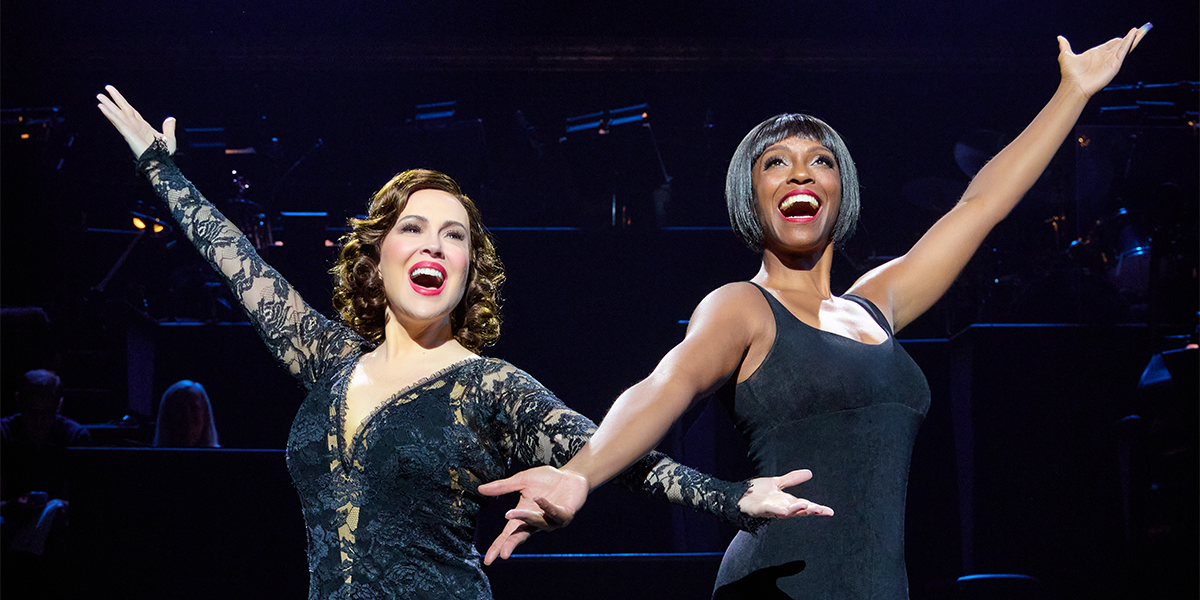
Their collaboration with choreographer and director Bob Fosse proved to be a match made in theatrical heaven. Fosse’s signature style, characterized by its sensuality, its sharp angularity, and its often unsettling blend of vulnerability and aggression, was perfectly suited to the material. He envisioned Chicago not just as a musical but as a raw, Vaudeville-inspired spectacle, where each song and dance number was a performance within the performance, reflecting the characters’ desperate bids for attention. Fosse’s choreography, which often drew inspiration from jazz dance and burlesque, is integral to the show’s identity, from the iconic “All That Jazz” to the synchronized movements of the ensemble. His contribution was so significant that he is often listed as a co-creator of the musical.
The Enduring Appeal: A Reflection of Timeless Themes
The musical Chicago premiered on Broadway in 1975, with choreography and direction by Bob Fosse, music by John Kander, and lyrics by Fred Ebb. While it was critically acclaimed at the time, it was the 1996 revival, directed by Walter Bobbie and with Fosse’s original choreography recreated by Ann Reinking, that catapulted Chicago into its current legendary status. This revival captured the essence of Fosse’s vision with a rawer, more stripped-down aesthetic, emphasizing the performances and the music.
The enduring appeal of Chicago can be attributed to its timeless themes, which resonate as strongly today as they did in the 1920s, and perhaps even more so in our current media-saturated world. The musical is a biting satire of celebrity culture, the justice system, and the media’s role in shaping public perception. It explores the idea that in a society obsessed with fame, notoriety can often be more valuable than innocence.
Exploring the Themes Through Music and Dance
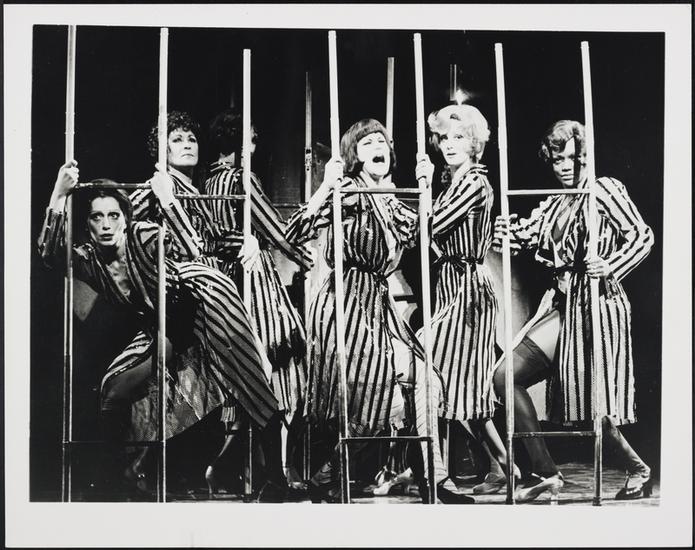
The characters of Roxie Hart and Velma Kelly, driven by their desire for infamy, are willing to do whatever it takes to escape the consequences of their actions. Their journey is a dark exploration of ambition and the corrupting influence of the spotlight, themes that find parallels in the modern obsession with reality television and social media stardom. The musical cleverly uses songs like “Cell Block Tango,” where the incarcerated women recount their murderous tales as if they were cautionary Vaudeville acts, and “Razzle Dazzle,” a cynical anthem about how to manipulate the legal system through showmanship, to illustrate these points.
The character of Billy Flynn, the smooth-talking lawyer, embodies the corrupt and opportunistic nature of the legal and media industries. He sees his clients not as individuals but as commodities to be packaged and sold to the public for his own gain. His songs, such as “All I Care About Is Love” and “When You’re Good to Mama,” are masterclasses in deception and self-promotion.
The music and lyrics by Kander and Ebb are instrumental in conveying these complex themes. Their songs are not merely plot devices; they are character studies, social commentaries, and elaborate pieces of theatrical art. The jazz and Vaudeville influences create an atmosphere that is both sophisticated and slightly seedy, perfectly reflecting the world of Chicago.
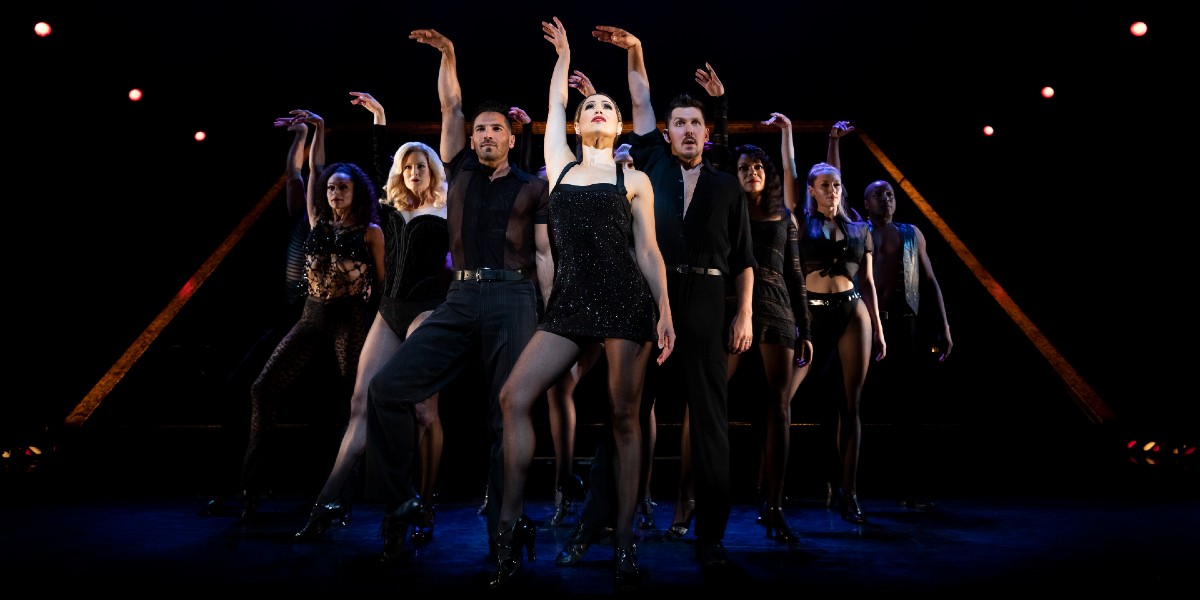
Bob Fosse’s choreography is equally vital in bringing these themes to life. His distinctive style, with its emphasis on isolated movements, sharp jazz hands, and suggestive postures, enhances the show’s inherent cynicism and sensuality. The dancers are not just executing steps; they are embodying the characters’ desires, their manipulative tactics, and their desperate need for attention. The iconic opening number, “All That Jazz,” is a perfect example, setting the tone for the entire production with its blend of seduction and menace.
The enduring success of Chicago is a testament to the brilliant minds who conceived it and the universal truths it explores. It’s a musical that entertains, provokes thought, and leaves audiences questioning the nature of fame, justice, and the pursuit of the American Dream, much like exploring the rich history of a captivating city or the allure of a grand resort. The question of “Who Wrote Chicago The Musical?” ultimately leads to a celebration of creativity, collaboration, and a keen understanding of the human desire for both notoriety and survival, themes that continue to be relevant whether one is planning a luxurious hotel stay or embarking on a journey to discover new experiences.
LifeOutOfTheBox is a participant in the Amazon Services LLC Associates Program, an affiliate advertising program designed to provide a means for sites to earn advertising fees by advertising and linking to Amazon.com. Amazon, the Amazon logo, AmazonSupply, and the AmazonSupply logo are trademarks of Amazon.com, Inc. or its affiliates. As an Amazon Associate we earn affiliate commissions from qualifying purchases.