
The skyline of Los Angeles is often defined by its shimmering glass skyscrapers, the iconic Hollywood Sign, and the sprawling palm-lined avenues of California. However, tucked within the urban fabric of the City of Angels lies a different kind of architecture—monolithic structures that tell the story of the city’s legal history, social evolution, and architectural ambition. From the abandoned Art Deco halls of the Lincoln Heights Jail to the massive modern infrastructure of the Twin Towers Correctional Facility, these sites are more than just functional buildings; they are landmarks that provide a window into the complex soul of Southern California.

To understand who has been in jail in Los Angeles is to understand the historical narrative of the United States itself—a narrative of boomtown growth, cinematic myth-making, and the constant struggle for civic order. This article explores these imposing landmarks, their history, and their place in the cultural landscape of Downtown Los Angeles.
The Architectural Legacy of the Lincoln Heights Jail
One cannot discuss the history of detention in the region without visiting the spectral presence of the Lincoln Heights Jail. Located on the banks of the Los Angeles River, this building remains one of the most significant examples of Art Deco industrial design in the city. Opened in 1931, the jail was originally designed to reflect the prestige and power of a rapidly growing metropolis.
Art Deco Elegance and Brutal Reality
The Lincoln Heights Jail was built during an era when Los Angeles was cementing its identity. Architects of the time believed that even municipal buildings should possess a sense of grandeur. The jail featured ornate concrete work and a symmetry that echoed the aesthetic of the nearby Eastern Columbia Building. However, inside, the facility was designed to hold some of the city’s most notorious figures. During the mid-20th century, the “Who’s In Jail” list at Lincoln Heights often included high-profile individuals swept up in the vice raids of the era.
By the 1950s, the facility became overcrowded, leading to its eventual decommissioning in 1965. Despite its closure, the building refused to fade into obscurity. Its imposing, weathered facade and eerie interiors made it a landmark for a different reason: the film industry.
A Hollywood Icon for Noir and Grit
Because of its proximity to Hollywood, the Lincoln Heights Jail has enjoyed a prolific second life as a film set. It has stood in for various prisons in dozens of movies, most notably in the classic noir film L.A. Confidential. For many travelers visiting California, the building is a recognizable landmark of the “Dark Hollywood” aesthetic. While it is not open for general public tours like Alcatraz Island in San Francisco, its silhouette remains a significant fixture for those exploring the industrial history of the Eastside.
The Modern Monoliths: Men’s Central Jail and the Twin Towers
As the population of Los Angeles County exploded in the late 20th century, the city required a different scale of infrastructure. Moving away from the Art Deco flourishes of the past, the newer correctional landmarks took on a more utilitarian, Brutalist form. Situated near the bustling Union Station and the vibrant streets of Chinatown, these buildings represent the massive scale of the modern justice system.
The Scale of the Twin Towers Correctional Facility
The Twin Towers Correctional Facility is often cited as one of the largest buildings of its kind in the world. Completed in the 1990s, the structure is a dominant part of the skyline just north of the Civic Center. While it may not be a traditional tourist attraction, it is an undeniable landmark of urban planning. The sheer density of the facility speaks to the logistical challenges of managing a mega-city.
Visitors walking from Grand Park toward the northern end of the city will notice the stark contrast between the sleek, artistic curves of the Walt Disney Concert Hall and the rigid, functional geometry of the Twin Towers Correctional Facility. This juxtaposition is a quintessential Los Angeles experience—where high art and the harsh realities of civic life exist within blocks of each other.
Men’s Central Jail and Urban Integration
Directly adjacent is the Men’s Central Jail, a structure that has been the subject of much debate regarding urban renewal and social reform. Historically, these facilities were placed in what was then the outskirts of the city, but as Downtown Los Angeles has revitalized, they are now surrounded by luxury lofts, trendy cafes, and landmarks like The Broad museum. This proximity creates a unique dynamic for those on a walking tour of the city, highlighting the layers of history that exist in the Bunker Hill and Civic Center areas.

The Clara Shortridge Foltz Criminal Justice Center: A Landmark of Law
If the jails are where the “Who’s In Jail” question ends, the Clara Shortridge Foltz Criminal Justice Center is where the story begins. This massive courthouse is a primary landmark within the Civic Center district and serves as the epicenter of the Los Angeles legal world.
A Tribute to a Legal Pioneer
The building is named after Clara Shortridge Foltz, the first female lawyer on the Pacific Coast. As a landmark, it represents the evolution of the legal profession in California. The architecture is typical of the late 1960s and early 1970s—a period of massive government expansion. It stands as a sentinel over Grand Avenue, linking the historic Olvera Street and Old Plaza Firehouse to the modern cultural hubs of L.A. Live.
The Theater of High-Profile Justice
The Clara Shortridge Foltz Criminal Justice Center has seen more celebrity “Who’s In Jail” candidates than perhaps any other building in the world. From the trials of the Golden Age of Hollywood stars to modern-day moguls, the building has served as a theater of justice. For many visitors, a walk past this building is a reminder of the city’s obsession with fame, even within the confines of the law. It remains a key stop for those interested in the “Trial of the Century” sites that pepper the history of Los Angeles.
Discovering History at the Los Angeles Police Museum
For those who wish to explore the history of “Who’s In Jail” without the intensity of visiting active facilities, the Los Angeles Police Museum offers a fascinating alternative. Located in the Highland Park neighborhood, the museum is housed in the restored Old Highland Park Police Station, which is a California Historical Landmark.
A Glimpse into the Past
The museum provides an insightful look at the tools, vehicles, and stories of the Los Angeles Police Department. Here, the landmark itself is the attraction. The station, built in 1925, features stunning Renaissance Revival architecture. Inside, visitors can view historic holding cells, providing a visceral sense of what it was like to be detained in early 20th-century Los Angeles.
The exhibits detail the “Who’s Who” of the city’s criminal past, including the hunt for the Black Dahlia suspects and the various gangs that once roamed the San Fernando Valley. It is an essential destination for any history buff or traveler looking to go beyond the typical beaches of Santa Monica or the telescopes of the Griffith Observatory.
Preserving the Narrative of the City
The museum doesn’t just focus on the perpetrators; it also honors the officers and the community of the City of Angels. By situating the history of the jail system within the context of a neighborhood like Highland Park, the museum helps bridge the gap between the imposing structures of Downtown Los Angeles and the daily lives of the city’s residents.
The Intersection of Justice and Tourism
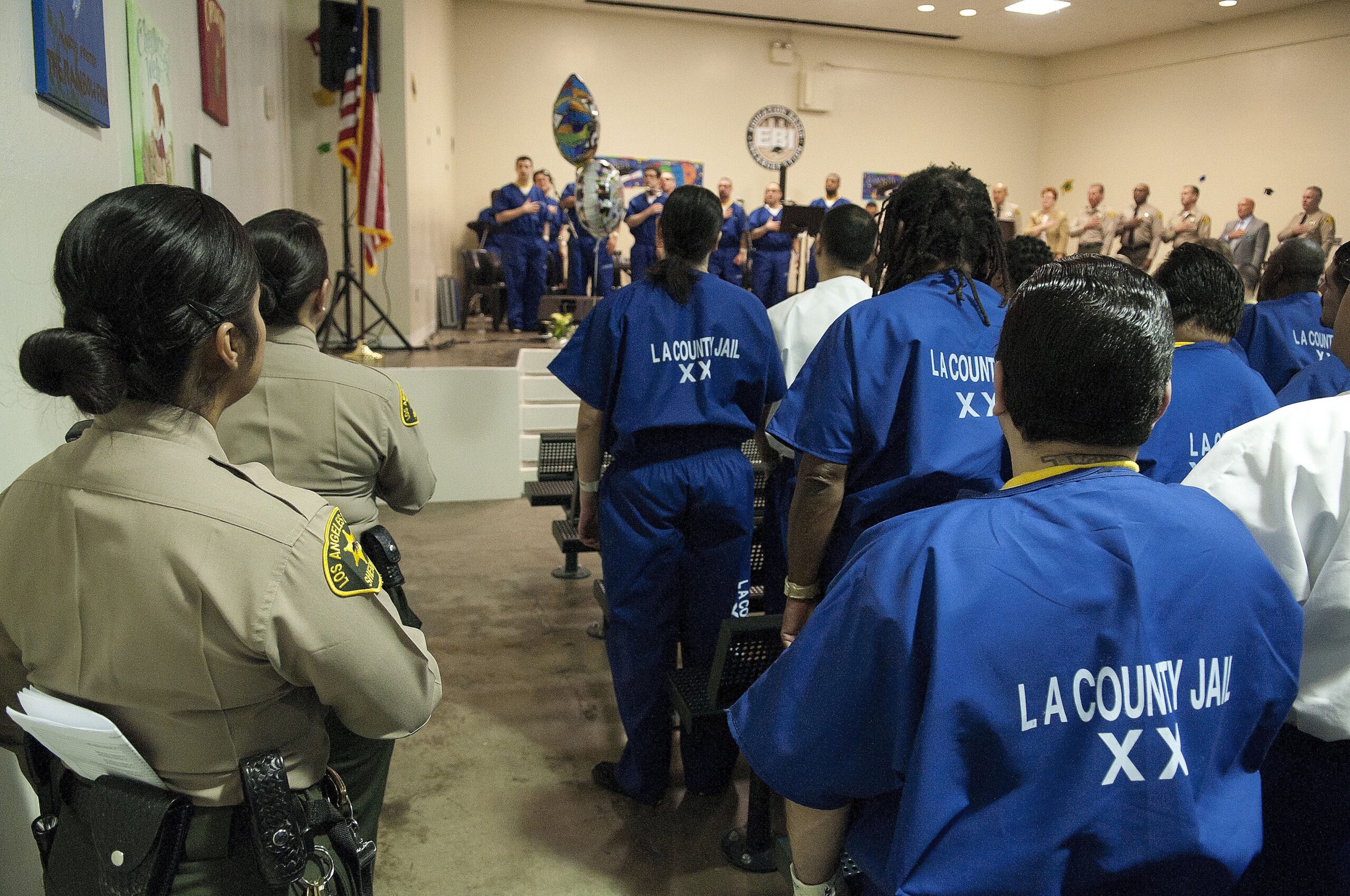
While a search for “Who’s In Jail Los Angeles” usually stems from a need for public records or legal information, the physical presence of these facilities creates a landmark trail that is deeply entwined with the city’s identity. These buildings are silent witnesses to the dramas that have shaped Southern California.
For the modern traveler, exploring these landmarks offers a deeper, more nuanced understanding of Los Angeles. It is a journey that takes you from the elegant Art Deco lines of the past into the massive, high-tech infrastructure of the present. Whether you are admiring the cinematic history of the Lincoln Heights Jail or reflecting on the scale of justice at the Clara Shortridge Foltz Criminal Justice Center, these sites are essential pieces of the California puzzle.
In a city that is constantly reinventing itself, these landmarks stand as permanent reminders of the “other” side of the dream—the side that deals with the reality of the law, the preservation of order, and the enduring architecture of justice. Next time you find yourself in Pasadena or exploring the heights of Bunker Hill, take a moment to look at these structures. They are as much a part of the Los Angeles story as the Hollywood Sign or the Santa Monica Pier.
LifeOutOfTheBox is a participant in the Amazon Services LLC Associates Program, an affiliate advertising program designed to provide a means for sites to earn advertising fees by advertising and linking to Amazon.com. Amazon, the Amazon logo, AmazonSupply, and the AmazonSupply logo are trademarks of Amazon.com, Inc. or its affiliates. As an Amazon Associate we earn affiliate commissions from qualifying purchases.