
While the Sunshine State is renowned for its pristine beaches, world-class theme parks, and vibrant cultural tapestry, the political landscape of Florida is equally dynamic and often draws national attention. Understanding who is vying for the position of Governor is crucial for residents and those with interests in the state’s future, impacting everything from tourism policies and infrastructure development to economic strategies and conservation efforts. This article delves into the current contenders for the governorship of Florida, examining their backgrounds, platforms, and what their potential leadership might mean for the state.
The Contenders for Florida’s Top Office
The race for Governor of Florida is a significant event, shaping the direction of one of the nation’s most populous and economically diverse states. As candidates emerge and campaigns gain momentum, voters are presented with a spectrum of ideologies and proposed policies. These individuals, each with their unique visions, will compete to lead Florida through its next chapter. The stakes are high, influencing not only the daily lives of Floridians but also the state’s appeal as a premier destination for travelers, a hub for businesses, and a haven for diverse communities.
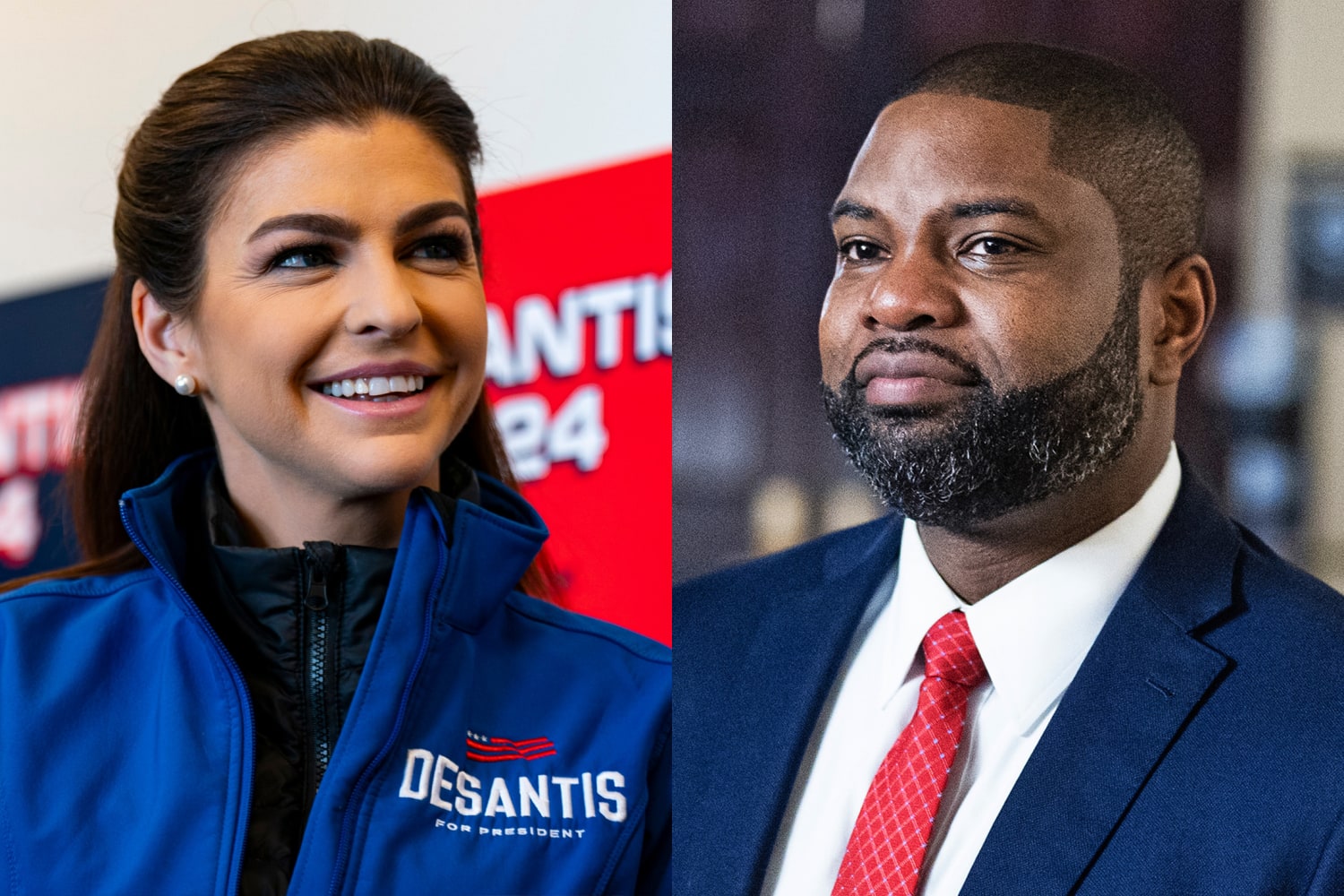
Leading Candidates and Their Backgrounds
In the upcoming gubernatorial election, several prominent figures have stepped forward to seek the highest office in Florida. Their past experiences, whether in public service, the private sector, or other influential roles, provide a glimpse into their potential leadership styles and policy approaches.
One of the leading figures in the race is Ron DeSantis. Currently serving as the incumbent Governor, DeSantis has built a platform centered on conservative principles, focusing on issues such as economic growth, parental rights in education, and what he terms “anti-woke” policies. His tenure has seen significant legislative action in these areas, and he often highlights his administration’s response to economic challenges and public health crises. His supporters often point to his firm stance on various issues and his ability to mobilize a dedicated base of voters. His prior experience includes serving in the U.S. House of Representatives, representing Florida’s 6th congressional district, where he was involved in national policy debates. His governorship has seen considerable focus on Florida’s tourism sector, with initiatives aimed at promoting the state as a destination and supporting its recovery from economic downturns. His administration has also overseen significant investments in conservation, particularly concerning the Everglades, a vital natural landmark.
Another key contender often discussed is Charlie Crist. Crist brings a different political background to the table. He has served Florida in multiple capacities, including as Governor from 2007 to 2011 as a Republican, and later as a U.S. Representative and state Attorney General, often aligning with Democratic positions in more recent years. His platform typically emphasizes broader social programs, environmental protection, and a more inclusive approach to governance. Crist often appeals to a more moderate and independent voter base, highlighting his ability to work across the aisle and his commitment to serving all Floridians. His supporters often see him as a seasoned politician with a deep understanding of the state’s needs and a proven track record of public service. During his previous tenure as Governor, Crist oversaw initiatives related to education and economic development, and his campaigns often touch upon the importance of protecting Florida’s natural beauty, including its numerous beaches and parks.
While DeSantis and Crist represent two significant poles of the political spectrum, other candidates may also emerge or gain traction as the election cycle progresses. These individuals, though perhaps with less national name recognition, often represent specific demographics or ideological niches within the state. Their campaigns, even if they do not reach the highest office, can influence the broader political discourse and policy debates in Florida. For instance, a candidate focusing on rural economic development might resonate with voters in areas like the Panhandle, while another prioritizing urban revitalization could find support in cities like Miami or Orlando. The diversity of candidates often reflects the diverse population and interests within Florida, a state that is a major draw for domestic and international tourism, attracting visitors to iconic locations like Walt Disney World and the beaches of South Florida.
Key Issues Shaping the Gubernatorial Race
The race for Governor of Florida is not just about personalities; it’s fundamentally about the issues that will define the state’s future. From economic policy and environmental stewardship to education and healthcare, the candidates are presenting their solutions to pressing challenges. These platforms are crucial for voters trying to decide who will best represent their interests and guide Florida’s development.
Economic Development and Tourism

Florida’s economy is a powerful engine, fueled in large part by its robust tourism industry. Candidates understand that attracting visitors and supporting businesses is paramount to the state’s prosperity. The candidates’ proposals often touch upon strategies to further boost tourism, support small businesses, and attract new industries. This includes discussions about infrastructure improvements, such as better transportation networks linking major attractions like the Everglades National Park to airports and hotels, and potential tax incentives to encourage business investment in areas outside of major tourist hubs like Tampa or Jacksonville.
For example, one candidate might propose investing heavily in marketing campaigns to highlight Florida’s diverse offerings, from the luxury resorts of Boca Raton to the historical charm of St. Augustine. Another might focus on diversifying the economy by supporting the growth of technology, healthcare, or agriculture sectors, which are also significant contributors to Florida’s GDP. The management of state parks and the preservation of natural attractions are often intertwined with tourism strategies, as these landmarks are a major draw for visitors seeking outdoor experiences and nature guides. The candidates’ stances on issues like development regulations and environmental protection can directly influence how these natural resources are managed and accessed.
Environmental Policies and Conservation
Florida’s unique ecological landscape, from its extensive coastlines and coral reefs to its vast wetlands and forests, is a critical asset. The health of these natural environments is not only vital for biodiversity but also for the state’s economy, particularly its tourism and fishing industries. Candidates are expected to articulate clear plans for environmental protection and conservation.
This can involve debates over water quality, coastal erosion, and the impact of climate change. Some candidates may advocate for stricter regulations on pollution and development, pushing for increased investment in renewable energy sources and sustainable practices. Others might emphasize a more market-driven approach, relying on incentives for businesses to adopt environmentally friendly methods or focusing on targeted conservation projects. The preservation of iconic natural landmarks and the management of delicate ecosystems like the Florida Keys often feature prominently in these discussions, as these areas are not only ecological treasures but also major attractions for eco-tourism. Proposals could range from expanding protected areas to implementing innovative solutions for managing water resources, ensuring that Florida remains a beautiful and sustainable place to live and visit for generations to come. The management of state parks and the creation of new tourism experiences in natural settings are often tied to these environmental policies, aiming to balance economic benefit with ecological preservation.
The Impact on Travel and Lifestyle in Florida
The outcome of the gubernatorial election has far-reaching implications, particularly for the travel and lifestyle sectors that are integral to Florida’s identity and economy. The governor’s policies can significantly influence the accessibility, affordability, and overall experience of visiting and living in the Sunshine State.
Enhancing Tourist Experiences and Infrastructure
A governor’s vision can dramatically shape the future of tourism in Florida. Policies related to funding for attractions, infrastructure development, and marketing efforts directly impact the visitor experience. For instance, investments in improving transportation networks, such as expanding Brightline rail service or upgrading airport facilities in cities like Fort Lauderdale or Sanford, can make travel within the state more convenient and accessible. Similarly, initiatives aimed at promoting cultural heritage, supporting local businesses, and enhancing safety in tourist areas can attract a wider range of visitors.
Candidates might propose tax breaks for new hotel developments or incentives for businesses offering unique local experiences, from culinary tours in Ybor City to adventure excursions in the Florida Everglades. The promotion of different types of travel – whether luxury stays in resorts like the Ritz-Carlton Naples, budget-friendly family trips to theme parks, or long-term accommodation options for remote workers – can also be influenced by gubernatorial priorities. The protection and enhancement of natural landmarks, such as the beaches of Clearwater or the unique ecosystems of the Dry Tortugas National Park, are also crucial for sustaining Florida’s appeal as a premier travel destination. The governor’s approach to environmental regulations and land use can directly affect the preservation of these natural assets, ensuring they remain vibrant for future generations of tourists and residents alike.

Fostering Diverse Lifestyles
Florida’s appeal extends beyond tourism; it’s a state that attracts a diverse population with varied lifestyle aspirations. The governor’s policies can influence everything from housing affordability and educational opportunities to recreational activities and cultural enrichment. For those seeking a luxurious lifestyle, the governor’s stance on economic development and business-friendly regulations can impact the growth of high-end sectors. For families, policies on education, parks, and community programs are paramount. Budget travelers might look at the governor’s approach to consumer protection and public transportation.
The governor also plays a role in shaping the state’s cultural landscape. Support for arts organizations, museums like the Dalí Museum in St. Petersburg, and local festivals can enrich the lives of residents and visitors. Furthermore, the governor’s environmental policies directly impact the quality of life, influencing access to clean air and water, and the preservation of natural spaces for recreation, from kayaking in the Wekiwa Springs State Park to exploring the historic architecture of Palm Beach. Ultimately, the governor’s leadership sets the tone for Florida, influencing its economic vitality, its natural beauty, and the diverse lifestyles it offers to all who call it home or choose to visit its sun-drenched shores.
LifeOutOfTheBox is a participant in the Amazon Services LLC Associates Program, an affiliate advertising program designed to provide a means for sites to earn advertising fees by advertising and linking to Amazon.com. Amazon, the Amazon logo, AmazonSupply, and the AmazonSupply logo are trademarks of Amazon.com, Inc. or its affiliates. As an Amazon Associate we earn affiliate commissions from qualifying purchases.