
The hallowed halls of the Chicago Fire Department are abuzz with anticipation, and for good reason. A significant leadership change is underway, and the question on everyone’s lips – from the seasoned veterans on the front lines to the eager new recruits – is: who is the new chief? This transition marks a pivotal moment for the department, impacting not only its operational strategies and emergency response protocols but also its deeply ingrained culture and the very spirit of camaraderie that defines it. Understanding the background, leadership style, and vision of this new figurehead is crucial for anyone interested in the inner workings of one of America’s most dynamic and vital public services. This exploration delves into the professional journey of the incoming chief, examining their past achievements, their approach to command, and what their appointment signifies for the future of firefighting in the Windy City.

A Career Forged in Service
The individual stepping into this monumental role has an extensive and impressive career history, a testament to their dedication and expertise. Their journey through the ranks of the Chicago Fire Department has been marked by a consistent pattern of leadership, innovation, and an unwavering commitment to the safety of Chicago residents. Born and raised in the metropolitan area, their connection to the city runs deep, providing an intrinsic understanding of its unique challenges and its diverse communities.
Early Years and Ascendancy
From their initial days as a probationary firefighter, the new chief demonstrated a keen intellect and a natural aptitude for the demanding nature of the job. Early assignments provided them with a broad spectrum of experience, from responding to the residential fires in the Lincoln Park neighborhood to tackling the complex industrial incidents that can occur in the city’s manufacturing districts. This hands-on experience laid the foundation for their understanding of operational realities and the importance of swift, decisive action.
Promotions followed steadily, each step accompanied by increasing responsibility. As a lieutenant, they honed their tactical skills and began to develop their leadership presence, mentoring junior firefighters and instilling in them the values of teamwork and resilience. Their tenure as a captain saw them commanding entire engine and truck companies, proving their mettle in high-pressure situations and earning the respect of their crews through calm demeanor and effective problem-solving.
Strategic Vision and Departmental Impact
It was during their time as a battalion chief and subsequently as a deputy district chief that the new leader began to shape their strategic vision for the department. Recognizing the evolving landscape of urban firefighting – from technological advancements to changing environmental factors – they championed initiatives aimed at modernizing equipment and enhancing training methodologies. Their advocacy for advanced search and rescue techniques, for instance, significantly improved the department’s capacity to respond to large-scale emergencies, such as those that might occur in the towering skyscrapers of the Loop.
Furthermore, their involvement in inter-agency collaboration was instrumental. Understanding that effective disaster response requires seamless coordination, they worked to strengthen ties with other city departments, including the Chicago Police Department and emergency medical services, ensuring a unified front in times of crisis. This proactive approach to building bridges across different branches of public safety has been a hallmark of their career and is expected to be a key component of their leadership at the helm.
Leadership Style and Philosophy
The appointment of a new chief is not merely a change in title; it signifies a potential shift in the department’s operational philosophy and the way its members are led. The incoming chief is known for a leadership style that balances authority with approachability, demanding excellence while fostering an environment of mutual respect and continuous improvement.
The “Lead by Example” Approach
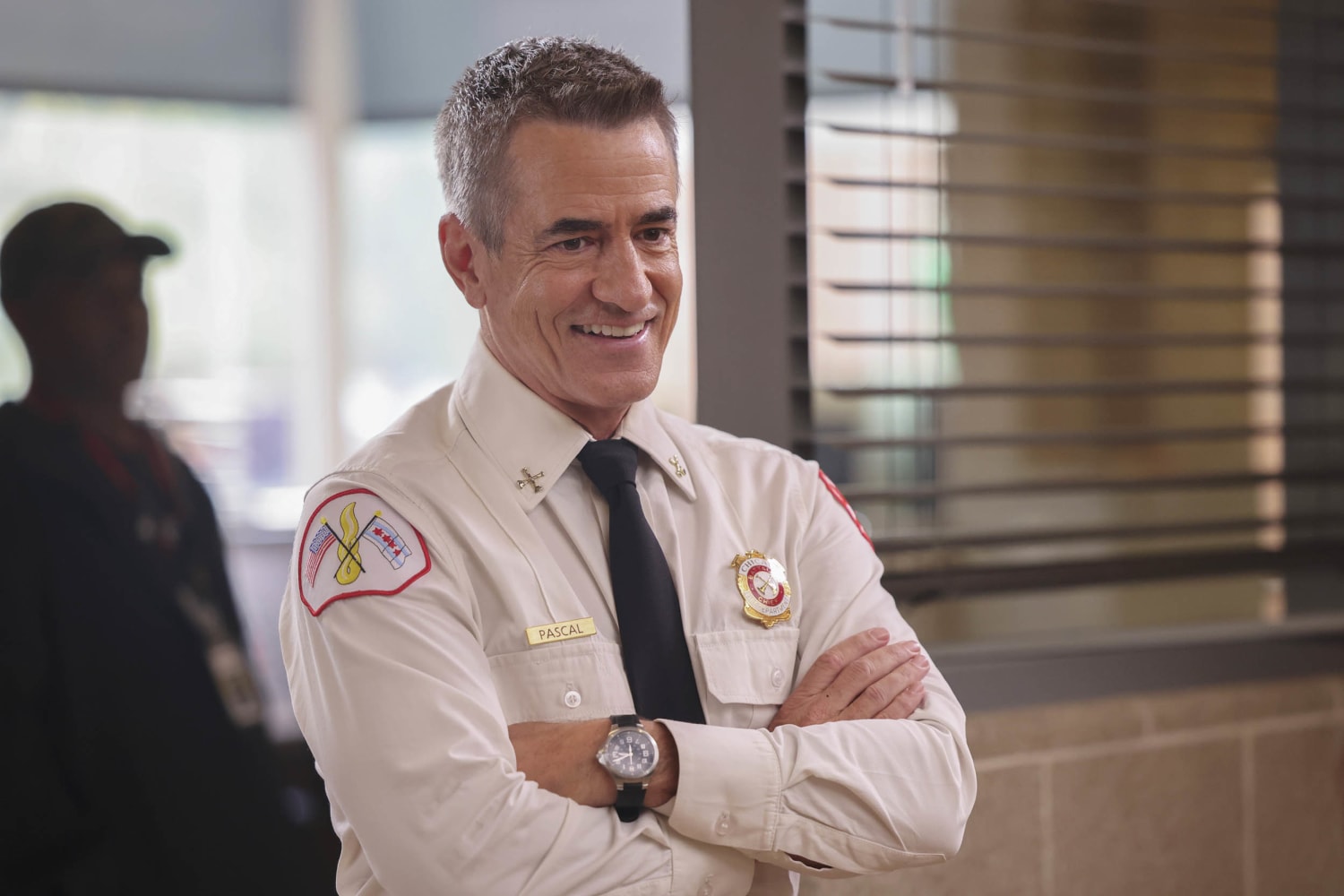
One of the most frequently cited aspects of the new chief’s leadership is their adherence to the “lead by example” principle. Throughout their career, they have not shied away from the gritty realities of the job, often being one of the first on scene and the last to leave. This hands-on involvement has earned them a deep reservoir of trust and admiration from the rank and file. Firefighters respect leaders who understand their challenges firsthand and who are willing to share in their burdens. This approach fosters loyalty and encourages a strong work ethic throughout the entire organization.
Emphasis on Training and Professional Development
The chief’s vision extends beyond immediate incident response. They are a staunch advocate for continuous learning and professional development, understanding that the skills and knowledge required of firefighters are constantly evolving. This includes investing in state-of-the-art training facilities, incorporating new firefighting technologies into drill regimens, and promoting opportunities for advanced certifications. Their philosophy centers on equipping every firefighter with the best possible tools and knowledge, ensuring they are prepared for any eventuality, from a common structure fire to a sophisticated hazardous materials incident.
Cultivating a Culture of Innovation
In an era where technology is rapidly transforming every sector, firefighting is no exception. The new chief is expected to foster a culture of innovation within the Chicago Fire Department. This means encouraging creative problem-solving, exploring new technologies such as drone deployment for reconnaissance, and embracing data-driven approaches to enhance operational efficiency. Their aim is to ensure the department remains at the forefront of firefighting science and practice, capable of meeting the complex demands of a major urban environment.
The Road Ahead: Challenges and Opportunities
Stepping into the role of chief of the Chicago Fire Department is a role fraught with challenges, yet brimming with opportunities. The city, a sprawling metropolis with diverse needs, presents a unique operational landscape.
Addressing Evolving Urban Risks
Modern cities like Chicago face a complex array of risks. Beyond traditional structural fires, the department must remain prepared for natural disasters, large-scale public events, and the ever-present threat of terrorism. The new chief will need to ensure that the department’s resources, training, and strategic planning are robust enough to address these multifaceted threats. This includes maintaining and potentially expanding specialized units such as the hazardous materials teams and the urban search and rescue capabilities.
Workforce Development and Morale
A critical aspect of any leadership transition is the impact on the workforce. The new chief inherits a dedicated team of professionals, and maintaining high morale and ensuring effective recruitment and retention will be paramount. Investing in the well-being of firefighters, addressing concerns about work-life balance, and fostering a supportive departmental culture are vital for sustained operational effectiveness. This may involve re-evaluating existing policies and ensuring that feedback from the ranks is actively sought and considered.
Technological Integration and Resource Management
The integration of new technologies offers significant opportunities to enhance safety and efficiency. However, it also presents challenges related to funding, training, and implementation. The new chief will be tasked with navigating these complexities, ensuring that the department invests wisely in technologies that provide tangible benefits without compromising existing capabilities or overwhelming personnel. Efficient resource management, from apparatus maintenance to personnel deployment, will be a cornerstone of their success.

Community Engagement and Public Trust
The Chicago Fire Department is not just an emergency response agency; it is an integral part of the Chicago community. The new chief has an opportunity to further strengthen the bonds between the department and the residents it serves. This could involve expanding community outreach programs, increasing public education on fire safety, and ensuring transparency in departmental operations. Building and maintaining public trust is essential for the department’s continued success and effectiveness.
The arrival of a new chief at the Chicago Fire Department is more than just a personnel change; it is a moment to reflect on the past, embrace the present, and strategically chart a course for the future. The incoming leader, with a distinguished career and a clear vision, stands poised to guide the department through its next chapter, ensuring the safety and well-being of the city and its inhabitants for years to come. Their leadership will undoubtedly be a subject of keen interest and observation, shaping the legacy of an organization that serves as a beacon of courage and dedication in Chicago.
LifeOutOfTheBox is a participant in the Amazon Services LLC Associates Program, an affiliate advertising program designed to provide a means for sites to earn advertising fees by advertising and linking to Amazon.com. Amazon, the Amazon logo, AmazonSupply, and the AmazonSupply logo are trademarks of Amazon.com, Inc. or its affiliates. As an Amazon Associate we earn affiliate commissions from qualifying purchases.