
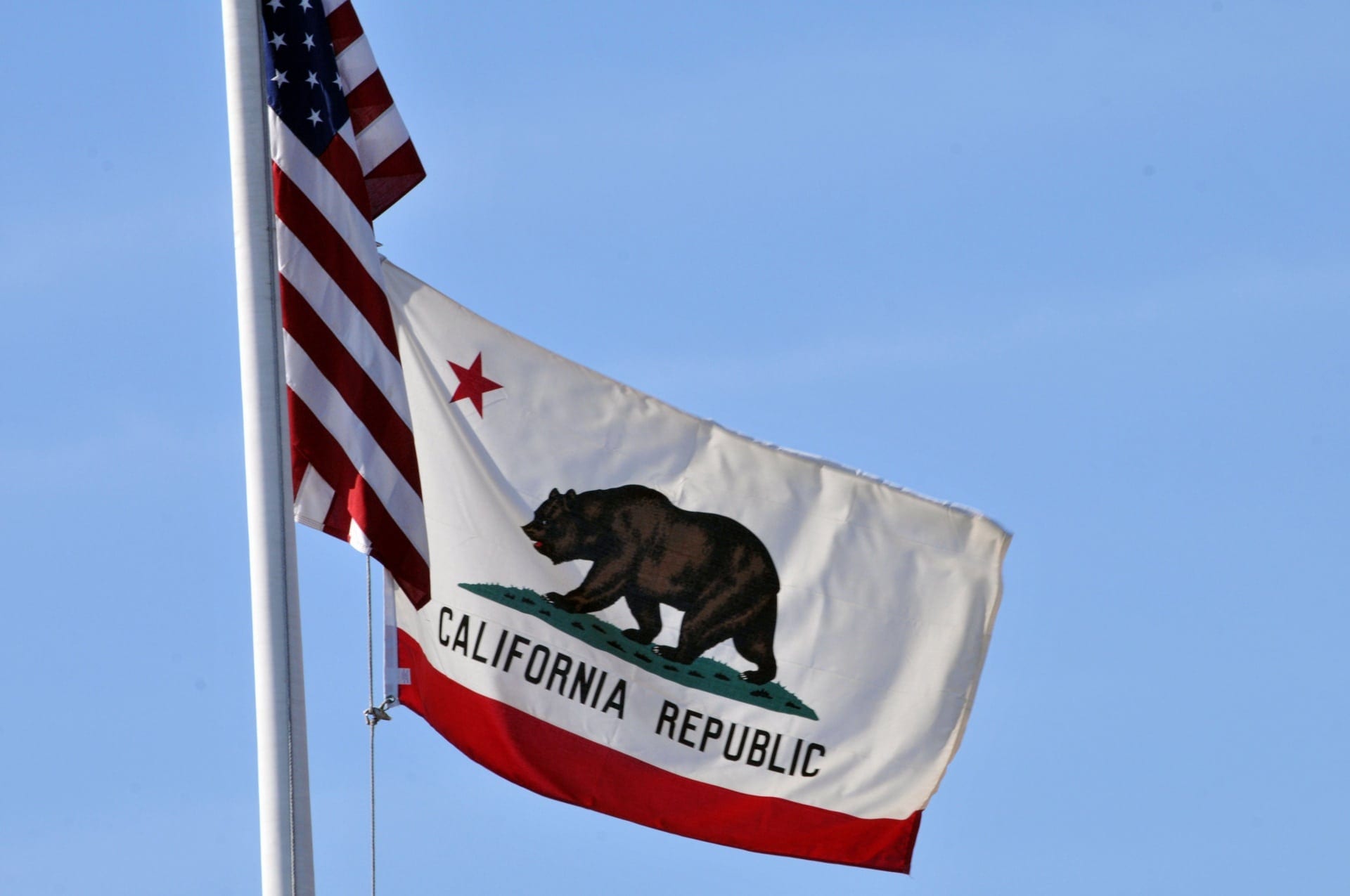
The sight of flags flying at half-staff is a profound and poignant visual, a universal symbol recognized across the United States as a mark of respect, mourning, or solemn remembrance. When the California state flag, alongside the American flag, is lowered to this position, it signals that a significant event has occurred, prompting reflection and unity among its citizens. These occasions are rarely lighthearted; they typically commemorate the passing of a prominent figure, honor fallen heroes, or mark a period of collective grief following a tragic event. Understanding the protocol behind this act provides insight into the civic values and historical traditions that bind communities, even as the Golden State continues to be a vibrant hub for travel, innovation, and diverse lifestyles.
The Significance of Flags at Half-Staff in California
The lowering of a flag to half-staff is not a spontaneous gesture but rather a carefully prescribed act governed by federal and state regulations. This custom, dating back centuries in naval traditions, signifies a ship mourning a lost crew member by metaphorically “making room” for the flag of death. Today, in the modern context, it serves as a powerful visual cue, prompting citizens to pause, reflect, and remember.
A National Symbol of Mourning and Respect
Across the United States, the President is authorized to issue proclamations for flags to be flown at half-staff, typically upon the death of current or former federal government officials, military members, or during periods of national tragedy. This might include the passing of a President, Vice President, Chief Justice, Speaker of the House, or a member of Congress. Beyond individuals, flags are also lowered following catastrophic events, such as the anniversary of September 11th, or major natural disasters, symbolizing national solidarity and sorrow. The directives usually come from the President’s Office or state governors, cascading down to federal buildings, military installations, and state and local government facilities.
In California, the Governor holds similar authority to order flags lowered within the state. This typically occurs for:
- The death of a current or former state official: This could be a Governor, a state legislator, a Supreme Court Justice, or other high-ranking state employees.
- The death of a first responder or military service member: When firefighters, police officers, or members of the armed forces from California die in the line of duty, their sacrifice is honored with flags at half-staff.
- Significant state-wide tragedies: Events such as devastating wildfires, mass casualty incidents, or other widespread disasters that deeply impact the state’s residents.
- National directives: California will also follow directives issued by the President for national periods of mourning.

The protocol dictates that the flag should first be hoisted to the peak for an instant and then slowly lowered to the half-staff position. It remains there until sunset, when it is again hoisted to the peak before being respectfully lowered for the day. This precise ritual underscores the gravity of the occasion and the profound respect being shown. For those residing in or visiting California, observing flags at half-staff serves as a powerful, unspoken reminder of shared humanity and collective memory, often prompting curiosity and a desire to understand the underlying reasons. The Governor’s Office or the Statewide Protocol Office will issue official announcements detailing the specific reason for the flag lowering.
Recent Instances and Their Impact
While specific events vary, recent years have seen flags at half-staff in California for a multitude of reasons, reflecting the state’s unique challenges and its commitment to honoring its citizens. For instance, the passing of a distinguished public servant like Senator Dianne Feinstein or former Governor Jerry Brown would inevitably trigger a period of state-wide mourning. Similarly, the tragic loss of law enforcement officers, such as those from the Los Angeles Police Department or the San Francisco Police Department, or National Guard members from California, would lead to flags being lowered in solemn tribute.
Natural disasters, too, have necessitated such gestures. The devastating wildfires that frequently sweep across California’s landscapes, claiming lives and homes, often lead to gubernatorial directives for flags to be flown at half-staff, acknowledging the immense loss and suffering endured by communities. These moments of collective grief transcend political divides and societal differences, uniting residents in a shared sense of sorrow and remembrance.
For travelers, encountering flags at half-staff can add an unexpected layer of depth to their experience. It might prompt them to seek out local news, learn about the state’s history, or even visit memorials. For example, a traveler visiting the California State Capitol Building in Sacramento might witness this protocol firsthand, drawing them into the local narrative and the solemnity of the moment. Such experiences underscore that travel isn’t just about sightseeing; it’s also about understanding the culture, history, and current events of a destination.
Connecting Solemn Occasions to Travel and Reflection
While the initial reason for flags at half-staff is often somber, it presents a unique lens through which to consider travel, tourism, and lifestyle choices. Many people find solace, perspective, and a sense of connection through thoughtful travel during or after periods of personal or collective grief.
Reflective Journeys and Memorial Tourism
During times of mourning, whether personal or collective, people often seek out environments that offer peace, introspection, and a sense of perspective. California’s diverse landscape, from its serene coastal stretches to its majestic mountains, provides numerous opportunities for such reflective journeys. Instead of bustling attractions, some travelers might opt for the quiet solitude of Yosemite National Park, the contemplative beauty of Big Sur, or the historical weight of a mission in San Juan Capistrano. These destinations, while popular, can also offer quiet corners for contemplation, allowing visitors to process emotions and gain a deeper appreciation for life and its impermanence.
Memorial tourism, a niche within the travel sector, focuses on visiting sites of historical tragedy or remembrance. While California doesn’t have a single, dominant national memorial like the Pearl Harbor Memorial in Hawaii or the 9/11 Memorial & Museum in New York City, its local communities often have their own memorials dedicated to fallen heroes, victims of natural disasters, or significant historical events. For instance, visiting the California Vietnam Veterans Memorial in Sacramento’s Capitol Park can be a profoundly moving experience, especially when flags are at half-staff statewide. Such visits are not about entertainment but about education, respect, and a desire to understand and remember.

Supporting Local Communities Through Thoughtful Tourism
In the aftermath of tragedies, especially those stemming from natural disasters like wildfires or earthquakes, local communities in California face immense challenges. While the immediate focus is on recovery, thoughtful tourism can play a vital role in long-term healing and economic revitalization. Choosing to visit and spend responsibly in areas that have been affected, once it’s safe and appropriate to do so, can provide much-needed support to local businesses, hotels, and residents. This might involve staying at a boutique hotel in a rebuilt town, dining at local restaurants, or purchasing goods from local artisans.
For example, after the devastating wildfires in Sonoma County or Napa Valley, once deemed safe, visiting these renowned wine regions can help their economies recover. Travelers seeking to make a positive impact can research organizations dedicated to local recovery efforts and perhaps volunteer or donate, integrating a deeper purpose into their travel plans. This form of conscious tourism acknowledges the struggles a place has faced while contributing to its resilience and future prosperity.
Landmarks and Memorials: Places of Remembrance
California is rich with landmarks that, while not always explicitly memorials, carry deep historical and cultural significance, offering spaces for reflection. From the majestic Golden Gate Bridge to the historic missions stretching along the California coastline, many sites invite visitors to ponder history, human endeavor, and nature’s grandeur. When flags are at half-staff, these places can take on an even more somber and reflective atmosphere.
Consider sites like the Alcatraz Island in San Francisco Bay, with its compelling history, or the serene beauty of the Getty Villa in Malibu, offering a quiet escape from the bustling city. Even iconic attractions like Disneyland Resort might observe flag protocols, momentarily shifting the mood from pure exuberance to one of respectful pause. Travel to these landmarks, especially during periods of collective mourning, can foster a deeper connection to the place and its people, encouraging visitors to look beyond the surface and engage with the richer tapestry of California’s story. Hotels such as the Pacific Grand Resort or Golden Coast Suites, situated near these landmarks, often provide comfort and quiet spaces for guests seeking solace or reflection.
Navigating California During Times of Reflection
For those planning to visit or currently residing in California during a period of flags at half-staff, understanding the broader context enriches the experience and encourages respectful engagement with the local culture.
Respectful Exploration of California’s Diverse Landscapes
California’s allure lies in its astonishing diversity, from the sun-drenched beaches of San Diego to the snow-capped peaks of Lake Tahoe and the vast deserts of Death Valley National Park. During a time of official mourning, exploring these landscapes can offer both beauty and a chance for quiet contemplation.
- Coastal Retreats: Destinations like Monterey Bay, Carmel-by-the-Sea, or the quieter stretches of the Santa Monica Pier can provide a calming backdrop for reflection. The rhythmic sound of the Pacific Ocean offers natural solace.
- National Parks and Wilderness: Joshua Tree National Park, Sequoia National Park, Kings Canyon National Park, and Redwood National Park invite visitors to connect with nature’s timelessness, providing a sense of perspective amidst temporary sorrows. The grandeur of these natural wonders often inspires humility and reverence.
- Historic Cities: In cities like San Francisco or Los Angeles, while the vibrant urban life continues, there are also numerous museums, historical sites, and quiet neighborhoods where one can engage with the city’s past and present in a more contemplative way. For instance, a stroll through the Presidio in San Francisco or a visit to the Getty Center in Los Angeles can offer both cultural enrichment and a peaceful escape.
Respectful exploration involves being mindful of local sentiments, especially if the mourning period is linked to a local tragedy. This might mean observing moments of silence, dressing appropriately for specific memorial events, or simply being more attuned to the local atmosphere.
The Role of Accommodation in Providing Comfort
During times of solemn reflection, the choice of accommodation can significantly impact a traveler’s experience. Beyond mere lodging, hotels, resorts, and vacation rentals can offer a sanctuary, a place for quiet respite and comfort.
- Serene Hotels and Resorts: Many California hotels, from luxury spa hotels in Palm Springs to charming boutique hotels in Carmel-by-the-Sea or Solvang, prioritize guest comfort and tranquility. Properties like The Vista Hotel or a Sanctuary Boutique Hotel aim to create an environment conducive to relaxation and reflection.
- Amenities for Solace: Accommodation options that offer amenities like private balconies with scenic views, in-room dining, quiet lounges, or wellness facilities can be particularly appealing. These allow guests to retreat and find peace without needing to venture far.
- Long-Term Stays: For those needing a longer period of reflection or seeking to contribute to community recovery efforts, serviced apartments or eco-lodges in natural settings provide a more home-like environment, fostering a deeper connection to the local rhythms.
Examples of hotels known for their serene settings or impeccable service that could offer comfort during such times include the Four Seasons Hotel San Francisco with its urban tranquility, The Ritz-Carlton, Laguna Niguel for its coastal serenity, or the Ace Hotel Palm Springs for its relaxed, desert vibe. Even properties closer to bustling areas, such as The London West Hollywood, can provide a luxurious retreat from the city’s energy.
The act of flags flying at half-staff, while a solemn reminder of loss, also serves as a powerful testament to the bonds of community and shared values within California. For travelers, it offers an opportunity to engage with a destination on a deeper, more meaningful level, moving beyond mere sightseeing to embrace a journey of empathy, remembrance, and thoughtful exploration. Whether seeking quiet contemplation in nature, supporting local communities, or simply understanding the rhythm of a place, these moments remind us that travel is not just about where we go, but how we connect with the world around us.