
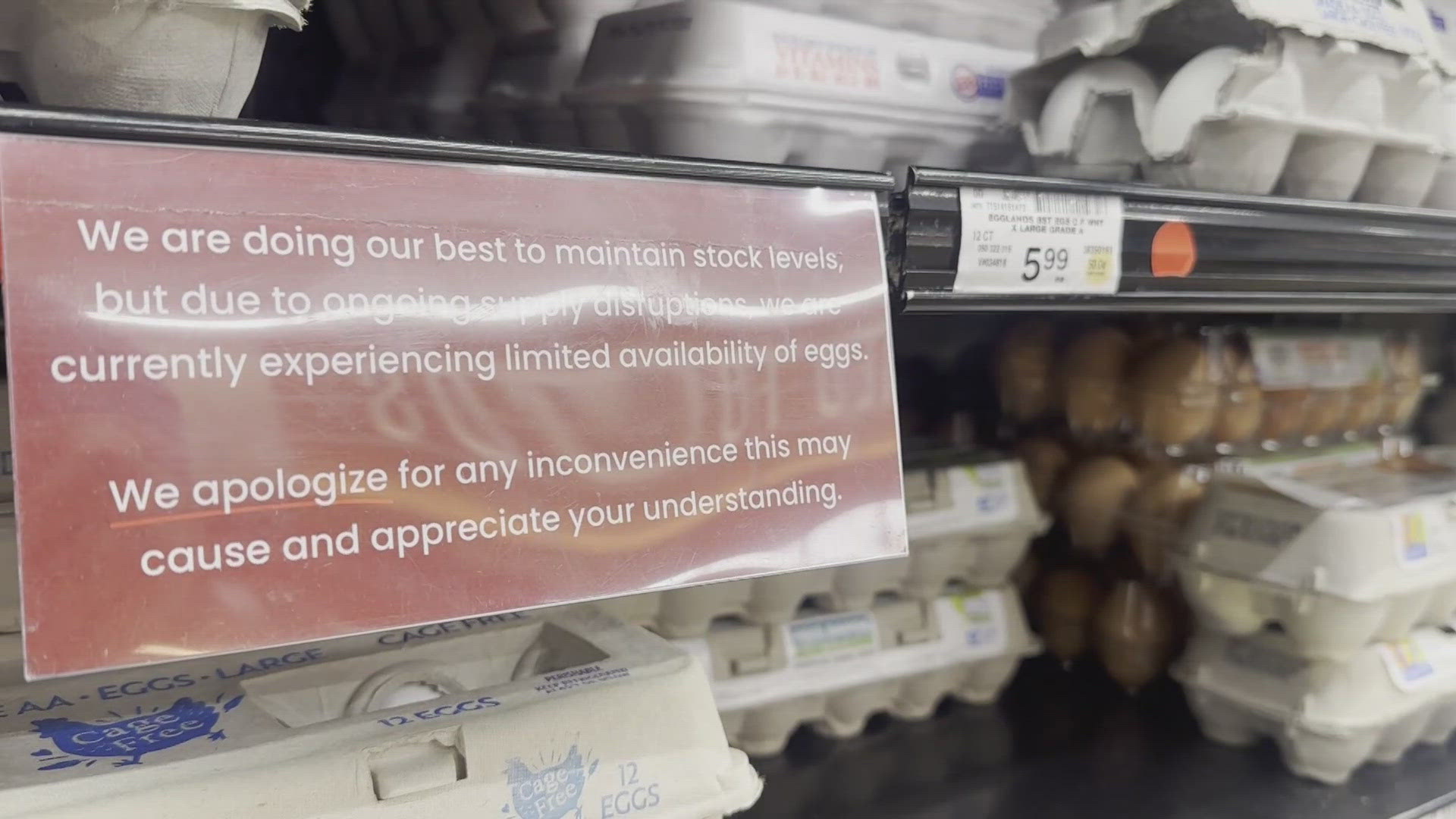
The humble egg, a breakfast staple and a versatile ingredient in kitchens across the globe, has recently become a focal point of discussion and a source of bewilderment for residents and visitors alike in the Centennial State. “Why are eggs so expensive in Colorado?” is a question echoing through grocery aisles and breakfast diners, prompting a closer look at the factors influencing food prices in this mountainous region. While the soaring cost of eggs might seem like a localized anomaly, it’s often a complex interplay of economic forces, environmental challenges, and specific regional dynamics that contribute to this elevated price tag. This article delves into the multifaceted reasons behind the surprisingly high cost of eggs in Colorado, exploring the supply chain, agricultural realities, and consumer demand that shape the market.

The price of any commodity, especially food, is fundamentally determined by the balance of supply and demand. When demand outstrips supply, prices naturally rise. In Colorado, several factors are contributing to a scenario where demand for eggs is robust, while the supply faces significant pressures. Understanding these pressures requires us to look beyond the grocery store shelf and examine the entire ecosystem of egg production and distribution.
The High Altitude Effect: Agricultural Challenges in Colorado
Colorado’s unique geography and climate present inherent challenges for agriculture, which can translate into higher production costs for farmers. The state’s semi-arid climate, with its unpredictable weather patterns and water scarcity, can impact feed production for poultry.
Feed Costs and Avian Flu: A Double Whammy
One of the most significant drivers of egg prices is the cost of feed for chickens. A substantial portion of a chicken’s diet consists of corn and soybeans, commodities whose prices are themselves influenced by global markets, weather conditions, and government policies. Fluctuations in the price of these feed ingredients directly impact the cost of producing eggs.
Furthermore, the poultry industry, like many others, is vulnerable to disease outbreaks. Avian influenza, often referred to as bird flu, has had a devastating impact on poultry populations across the United States in recent years. When flocks are culled to prevent the spread of the virus, the supply of eggs plummets. The time it takes to repopulate flocks and resume normal production levels can be considerable, leading to prolonged periods of reduced supply and consequently, higher prices. Colorado has not been immune to these outbreaks, and the impact on local supply chains has been palpable. The loss of laying hens directly reduces the number of eggs available for market, creating an immediate and often drastic upward pressure on prices. The ripple effect extends to the cost of acquiring new birds, implementing biosecurity measures, and the general uncertainty that plagues the industry during such times.
Transportation and Distribution Networks
Colorado’s vast geography and its position as a landlocked state also contribute to higher transportation costs. Getting feed to farms and eggs from farms to distribution centers and then to retailers involves longer distances compared to states with more concentrated agricultural production and extensive transportation infrastructure. Fuel prices, the availability of trucking services, and the general cost of logistics all play a role. For a state like Colorado, where many communities are situated in mountainous or remote areas, the logistical hurdles can be even more pronounced, adding to the final price consumers pay at the checkout. The cost of moving goods over mountain passes, through varying weather conditions, and to less densely populated areas inherently increases the per-unit cost of delivery.
Consumer Demand and Market Dynamics
Beyond the supply-side challenges, consumer demand also plays a crucial role in egg prices. Colorado has experienced significant population growth in recent years, particularly in urban centers like Denver and its surrounding suburbs. This influx of new residents increases the overall demand for food products, including eggs.
A Growing Population, a Growing Appetite

As Colorado’s population expands, so does the demand for everyday groceries. Whether purchased for home consumption or used by the burgeoning restaurant and hospitality sector, eggs are a fundamental part of the diet. When more people are buying eggs, and the supply is struggling to keep pace, prices are naturally pushed higher. This is a classic example of supply and demand in action, amplified by the state’s economic vitality and attractiveness as a place to live. The increased competition for available eggs among a larger consumer base can lead to retailers adjusting their pricing strategies.
The “Colorado Lifestyle” and Culinary Trends
Colorado is known for its active lifestyle, outdoor recreation, and increasingly, its vibrant culinary scene. This can translate into a higher demand for protein-rich foods, including eggs, which are often seen as a healthy and convenient source of nutrition. Food trends, social media influence, and the proliferation of brunch culture can further boost demand for eggs. Many popular restaurants in cities like Boulder and Aspen feature egg-centric dishes on their menus, and a surge in tourism can also significantly increase demand during peak seasons. The popularity of farm-to-table movements and local sourcing, while beneficial for producers, can also influence pricing based on the perceived quality and the cost of local production.
The Economics of the Egg Basket: Beyond the Farm Gate
The price you see on the grocery shelf is not solely determined by the cost of production on the farm. A complex network of intermediaries, processing, packaging, and retail markups contribute to the final consumer price.
Retail Markups and Distribution Costs
Once eggs leave the farm, they go through a distribution process that involves washing, grading, packaging, and transporting them to various retail outlets. Each step in this process adds costs. Wholesalers and distributors incur their own operational expenses, including warehousing, labor, and transportation. Retailers, in turn, add their own markup to cover their overhead costs (rent, utilities, staff, marketing) and to make a profit. In a region like Colorado, where real estate and labor costs can be higher than in some other parts of the country, these retail markups might also be higher, contributing to the overall expense of eggs. The competitive landscape of the grocery industry also influences pricing, with retailers needing to balance competitive pricing with profitability.
Inflation and Broader Economic Factors
It’s crucial to acknowledge that the expense of eggs in Colorado, and indeed across the nation, is also a symptom of broader economic trends, most notably inflation. Rising costs for labor, energy, packaging materials, and even veterinary care for poultry all contribute to increased operational expenses for egg producers. When the general cost of living and doing business rises, it inevitably trickles down to the price of consumer goods. Federal Reserve policies, global supply chain disruptions (like those experienced during the COVID-19 pandemic), and geopolitical events can all contribute to inflationary pressures that impact food prices. These macro-economic forces are not unique to Colorado but can be exacerbated by the state’s specific logistical and agricultural circumstances.
Looking Ahead: What the Future Holds for Egg Prices in Colorado
Predicting future egg prices is a challenging endeavor, as it depends on a multitude of evolving factors. However, understanding the current drivers provides some insight.
The ongoing efforts to control avian influenza and improve biosecurity measures in poultry farms will be critical in stabilizing supply. Furthermore, advancements in agricultural technology and more efficient feed production could potentially help mitigate rising feed costs. Government policies related to agriculture, trade, and environmental regulations can also play a significant role in shaping the market.
For consumers in Colorado, awareness of these contributing factors can lead to more informed purchasing decisions. Exploring local farmers’ markets might offer a direct connection to producers and a clearer understanding of their pricing. Additionally, considering the variety of egg types and brands available can sometimes present opportunities for cost savings. While the price of eggs might remain a point of discussion for some time, a comprehensive understanding of the agricultural, logistical, and economic forces at play reveals why this breakfast staple has become a notable expense in the Rocky Mountain State. The unique landscape and dynamic growth of Colorado contribute to a complex interplay of factors that ultimately shape the cost of everyday groceries. Whether you’re planning a trip to explore the natural beauty of Rocky Mountain National Park or settling into a cozy hotel in Vail, you might find yourself pondering the price of that omelet, a reflection of the intricate economic web that connects us all.
LifeOutOfTheBox is a participant in the Amazon Services LLC Associates Program, an affiliate advertising program designed to provide a means for sites to earn advertising fees by advertising and linking to Amazon.com. Amazon, the Amazon logo, AmazonSupply, and the AmazonSupply logo are trademarks of Amazon.com, Inc. or its affiliates. As an Amazon Associate we earn affiliate commissions from qualifying purchases.