
For travelers arriving in Hawaii, the tropical scenery is usually the first thing that captures the eye. From the lush volcanic slopes of Oahu to the dramatic cliffs of Kauai, the islands are a tapestry of vibrant color. However, as visitors navigate the streets of Honolulu or drive through the small towns of Maui, they often notice something curious about emergency vehicles: the fire trucks are not the classic “fire engine red” seen in most of the world. Instead, they are a distinct, high-visibility lime-yellow.
This deviation from tradition is not merely a matter of aesthetic preference; it is a calculated choice rooted in safety, human psychology, and the unique environmental conditions of the Pacific Ocean archipelago. Understanding why Hawaii chooses to buck the red-truck trend offers a fascinating glimpse into the local commitment to public safety and regional infrastructure standards.

The Science of Visibility: Why Lime-Yellow Beats Red
The primary reason for the transition to lime-yellow fire apparatus is based on the science of human vision. Research conducted in the mid-20th century, most notably by vision experts and safety advocates, challenged the long-held assumption that red was the most visible color for emergency vehicles.
The Human Eye and Spectral Sensitivity
The human eye is not equally sensitive to all colors in the visible spectrum. Under daylight conditions, our eyes are most sensitive to the yellow-green portion of the spectrum, with a peak sensitivity around 555 nanometers. Red, while traditionally associated with urgency, actually falls toward the end of the spectrum, where eye sensitivity is significantly lower.
In the blinding, crystalline sunlight of Hawaii, red vehicles can sometimes appear dark or muted against the backdrop of shadows or intense pavement glare. Lime-yellow, by contrast, commands the retina’s attention. By utilizing this wavelength, emergency departments ensure that their vehicles are spotted by motorists and pedestrians significantly faster, potentially preventing accidents and reducing response times during critical incidents.
Safety in Low-Light Conditions
The benefit of lime-yellow extends into the dusk and evening hours as well. Under artificial street lighting, which is common in urban centers like Waikiki, red surfaces reflect light poorly and can become difficult to distinguish from the surrounding environment. Lime-yellow reflects a much higher percentage of light, making it stand out sharply in twilight or under the artificial glow of city lamps. For a fire truck navigating through the narrow, winding streets of a Big Island town, this enhanced visibility is an essential tool for preventing collisions.
A Legacy of Reform: The History of Emergency Colors
The adoption of yellow fire trucks in the United States was part of a larger national movement in the 1970s. During this era, safety researchers began to heavily scrutinize the efficacy of red as a signaling color.
The Influence of Safety Research
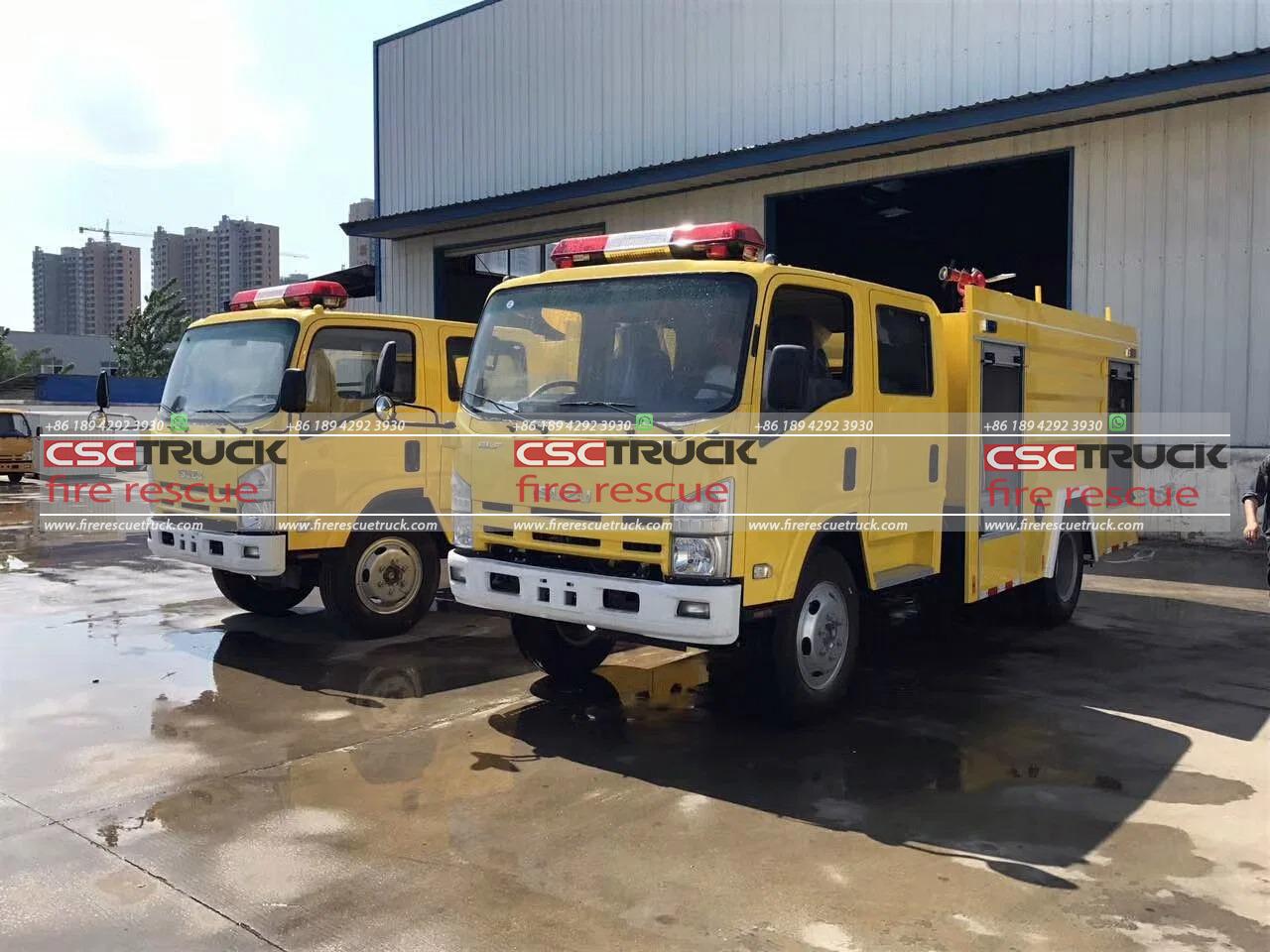
In the 1970s, a study by Dr. Stephen Solomon, an optometrist, famously concluded that red fire engines were significantly more likely to be involved in traffic accidents than yellow ones. The findings suggested that the color red has poor visibility at night and is actually the first color to “disappear” or turn black in low-light conditions. As a result, many municipal fire departments across the United States began transitioning their fleets. While many eventually migrated back to red for reasons of “tradition” and brand identity, several departments—including those across the Hawaiian Islands—stuck with the high-visibility option, prioritizing function over nostalgia.
Adapting to the Island Environment
Hawaii presents a unique set of environmental challenges. The intense, year-round sun can cause traditional red paint to fade or oxidize rapidly, which would require more frequent maintenance to keep the vehicles looking “correct.” Lime-yellow pigments, often developed with modern industrial coatings, have proven remarkably resilient against the harsh, salty sea air and the relentless ultraviolet radiation found in the central Pacific. For departments managing budgets while maintaining a fleet that must withstand the tropical climate, the durability of these yellow vehicles is a practical and economic advantage.
Local Operations and Community Identity
Beyond the science and the history, the lime-yellow fleet has become a unique part of the cultural landscape of Hawaii. For residents, the yellow trucks are the familiar guardians of the community, signaling prompt assistance regardless of whether the call is for a structure fire or a medical emergency.
Regional Variations
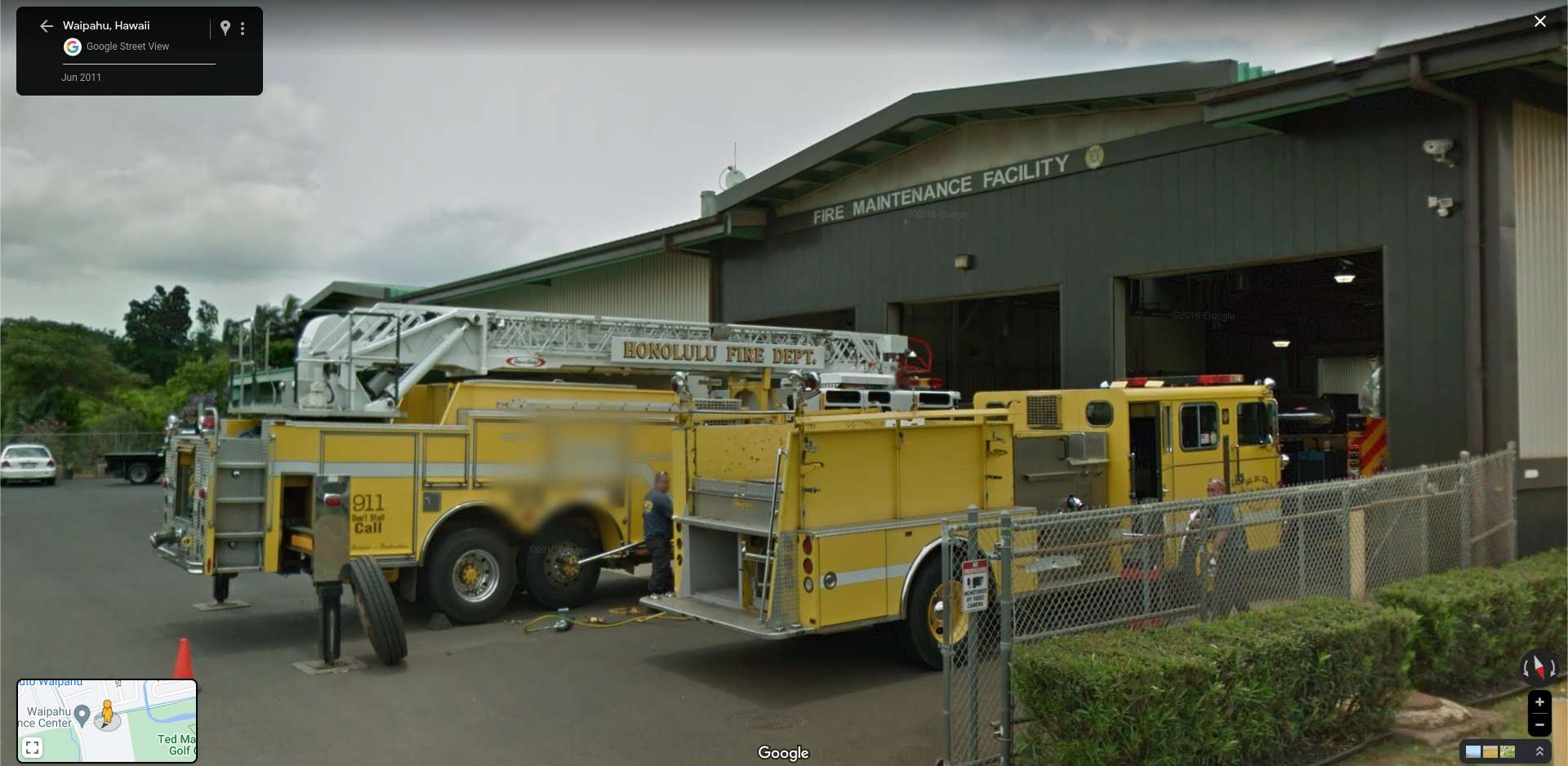
While the lime-yellow fleet is iconic across the state, there is nuance in how different islands manage their fire services. The Honolulu Fire Department, for instance, serves as one of the largest municipal departments in the country, and their fleet is consistently maintained in this high-visibility yellow. As visitors travel from Oahu to more rural locales, they will find that the consistency of this color scheme provides a sense of uniformity and professional cohesion throughout the islands.
Bridging Tourism and Public Safety
For the millions of tourists who visit Hawaii every year, the lime-yellow truck serves as a visual reminder of the infrastructure that supports the local population. It is a subtle but important detail that contributes to the overall safety of the travel experience. When tourists see these bright vehicles, they are subconsciously reminded to exercise caution on the road—a critical factor in a state where many drivers are navigating unfamiliar, narrow, and often crowded scenic routes.
Furthermore, the sight of these yellow vehicles navigating the lush landscapes of Maui or the bustling corridors of Honolulu serves as a testament to the fact that Hawaii prioritizes modern scientific standards in its public services. It reflects a culture that is willing to adapt its practices to ensure the best possible outcome for the health and safety of its people, including both residents and the many visitors who enjoy the beauty of the Aloha State.
Conclusion: A Vision of Safety
The question of why fire trucks in Hawaii are yellow finds its answer at the intersection of optics, safety, and history. It is a decision that favors empirical data over emotional nostalgia. By choosing high-visibility lime-yellow, the emergency services across the Hawaiian Islands have opted for a color that serves as a beacon, cutting through the glare of the Pacific sun and standing out in the dim light of dawn or dusk.
Whether one is staying in a high-end resort in Waikiki or exploring the rugged terrain of the Big Island, seeing these distinct, bright yellow machines is a hallmark of the Hawaiian experience. It is a small but significant detail that highlights the proactive, forward-thinking nature of public safety in these beautiful United States islands. Ultimately, the vibrant hue is more than just paint—it is a promise of visibility and care for everyone traveling through or living in this unique tropical paradise.
LifeOutOfTheBox is a participant in the Amazon Services LLC Associates Program, an affiliate advertising program designed to provide a means for sites to earn advertising fees by advertising and linking to Amazon.com. Amazon, the Amazon logo, AmazonSupply, and the AmazonSupply logo are trademarks of Amazon.com, Inc. or its affiliates. As an Amazon Associate we earn affiliate commissions from qualifying purchases.