
For residents and visitors alike, encountering flags flying at half-mast across the vibrant landscape of Florida can evoke a moment of pause and reflection. This poignant gesture, visible everywhere from bustling city centers like Miami and Orlando to serene coastal towns and historical landmarks, is a universal symbol of mourning, respect, and remembrance. It signals that something significant, often somber, has occurred, warranting a collective moment of tribute. For those experiencing the Sunshine State, whether on a leisure trip exploring its renowned attractions or a business stay in its dynamic urban hubs, understanding the reasons behind such a display offers deeper insight into the state’s culture, its community spirit, and its commitment to honoring those who have served or suffered.
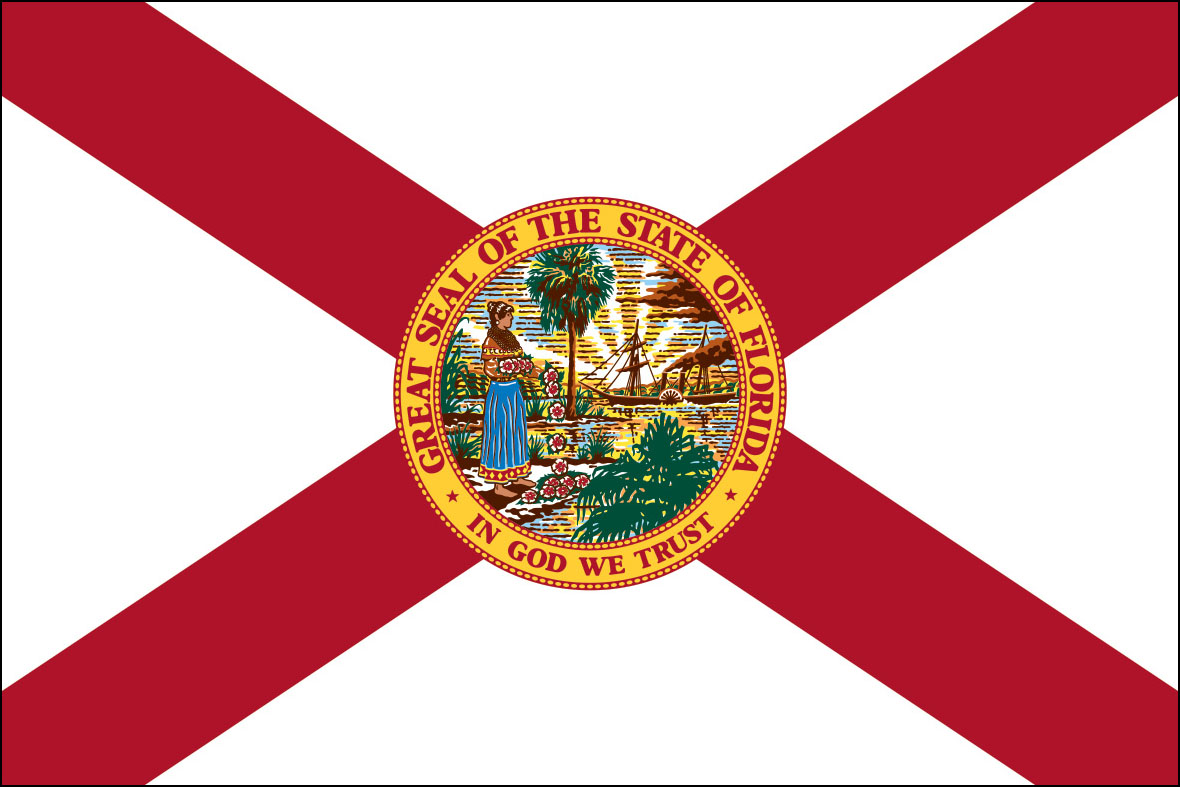
This article delves into the various reasons why flags might be flying at half-mast in Florida, exploring the protocols, the events that trigger these directives, and the broader significance for both locals and travelers. Far from being a mere procedural act, lowering the flag serves as a powerful, silent acknowledgment of loss, heroism, or tragedy, knitting communities together in shared solemnity.
Understanding the Tradition of Half-Staff
The practice of flying flags at half-staff (often interchangeably, though technically incorrectly, referred to as half-mast, a nautical term) is a time-honored tradition with roots stretching back centuries. It’s a universal symbol of respect and mourning, signifying that a nation, state, or community is in sorrow. When a flag is flown at half-staff, it is first raised briskly to the top of the flagpole for a moment, then solemnly lowered to the half-staff position. At the end of the day, it is again raised to the peak before being respectfully lowered for retrieval. This ritual underscores the gravity of the occasion and the profound respect being shown.
Historical Significance and Protocol
The tradition of lowering a flag to half-staff dates back to the 17th century, where a ship’s flag would be lowered to signify mourning, leaving room for the “invisible flag of death.” Over time, this maritime custom transitioned to land, becoming a standard practice for expressing national or collective grief. In the United States, the specific protocols for flying the flag at half-staff are outlined in the U.S. Flag Code, which provides guidelines for the display and respect of the national flag.
These protocols dictate that the flag should be flown at half-staff following the death of principal figures such as the President of the United States or former Presidents, Vice Presidents, Chief Justices, Speakers of the House of Representatives, and members of Congress. It also applies to certain national observances. Beyond federal directives, individual states, including Florida, have their own protocols for state-level observances, often mirroring federal guidelines but tailored to local circumstances and figures. This blend of federal and state directives ensures a comprehensive framework for national and regional mourning.
Federal vs. State Directives
The authority to order flags to be flown at half-staff rests primarily with two entities: the President of the United States for nationwide directives and the Governor of Florida for state-specific observances.
-
Presidential Proclamations: When the President of the United States issues a proclamation, it typically applies to all federal buildings, military installations, and often extends to state and local governments and even private citizens who wish to participate. These proclamations are usually in response to the death of a high-ranking federal official, a significant national tragedy, or specific commemorative days. For instance, flags across the nation, including in Florida, are flown at half-staff on Memorial Day until noon and all day on Patriot Day (September 11th).
-
Gubernatorial Orders: The Governor of Florida holds the authority to order flags lowered to half-staff within the state. These directives are typically issued for the passing of a current or former state official, a local dignitary, or to commemorate a state-level tragedy. For example, if a prominent Florida state legislator or a member of the state’s judiciary passes away, the Governor of Florida may issue an order to honor their service. These state-level orders are crucial for acknowledging losses that, while not national in scope, profoundly impact the communities within Florida.
Understanding this dual system helps explain why flags in Florida might be at half-staff even if there hasn’t been a major national announcement. It underscores the state’s autonomy in paying respects to its own.
Common Reasons for Half-Staff in Florida
Florida, with its diverse population and active civic life, experiences various occasions that call for flags to be flown at half-staff. These reasons often reflect the state’s values, its commitment to public service, and its resilience in the face of adversity.
Honoring Fallen Leaders and Public Servants
One of the most frequent reasons for flags to be lowered is to honor the passing of individuals who have dedicated their lives to public service. This can range from federal figures whose deaths prompt national mourning to state and local heroes who have made significant contributions to Florida.
- Presidential and Federal Officials: Following the death of a sitting or former President of the United States, Vice President, Supreme Court Justice, or a member of Congress, flags will be ordered to half-staff nationwide. These directives typically last for several days, extending the period of national mourning across all states, including Florida.
- State and Local Officials: The passing of a Governor of Florida, a state senator or representative, a judge, or even a local mayor can trigger a half-staff order. These tributes acknowledge the impact these individuals had on the governance and well-being of the state and its communities. For travelers in Tallahassee, the state capital, such observances are particularly noticeable around government buildings and public squares.
- Fallen Heroes: Florida also pays tribute to law enforcement officers, firefighters, and other first responders who die in the line of duty. These solemn occasions prompt half-staff directives, often extending to local government buildings, police and fire stations, and even private businesses. This gesture recognizes their ultimate sacrifice and reinforces the deep gratitude the state holds for its protectors. For example, Law Enforcement Memorial Day on May 15th is a national day for flags to be flown at half-staff to honor fallen officers.
Mourning Victims of Tragedy
Beyond honoring individuals, flags are also lowered in response to significant tragedies that result in a loss of life, whether due to natural disasters, acts of violence, or other catastrophic events. Florida, being susceptible to hurricanes and other natural phenomena, occasionally faces situations that warrant such a collective expression of sorrow.

- National Tragedies: When a major national tragedy occurs, such as a mass casualty event or a devastating natural disaster in another state, the President of the United States may order flags to half-staff across the country. This shows national solidarity and collective grief. Instances like the 9/11 attacks on the World Trade Center and Pentagon are poignant examples, observed annually on Patriot Day.
- State-Level Calamities: In the event of a significant tragedy within Florida itself—a large-scale accident, a localized act of violence with multiple victims, or a severe natural disaster that claims lives—the Governor of Florida will likely issue an order for flags to be flown at half-staff. These directives offer a solemn period for communities to mourn together and reflect on the fragility of life. For those visiting attractions like Disney World or enjoying the beaches of Miami, such observances can create a temporary shift in the atmosphere, reminding everyone of the human experiences that transcend even the most joyful settings.
Commemorative Observances
Certain days of the year are designated for national remembrance, prompting flags to be flown at half-staff to honor specific groups or historical events.
- Memorial Day: On the last Monday in May, flags are flown at half-staff from sunrise until noon to honor those who died while serving in the United States military. At noon, they are raised to full-staff for the remainder of the day. This tradition is observed rigorously across Florida, particularly in communities with strong military ties like those near Kennedy Space Center or Naval Air Station Jacksonville.
- Patriot Day: September 11th is observed as Patriot Day in memory of the victims of the 2001 terrorist attacks. Flags are flown at half-staff for the entire day.
- Pearl Harbor Day: On December 7th, flags are flown at half-staff in honor of those who died during the attack on Pearl Harbor in 1941.
- Other Designated Days: Occasionally, special proclamations might designate other days for flags to be flown at half-staff to commemorate specific events or groups, such as the National Fallen Firefighters Memorial Service or specific state memorial days. These observances are an integral part of Florida’s cultural and historical landscape, reminding residents and visitors of significant moments in its past and present.
How Half-Staff Directives are Communicated
For those wondering “Why are flags at half-mast today Florida?”, the answer usually lies in official communications from state or federal authorities. These directives are disseminated through various channels to ensure widespread awareness and compliance.
Official Announcements and Public Awareness
When a flag half-staff order is issued, the information is typically shared rapidly through:
- Official Websites: The official websites of the Governor of Florida’s office and relevant federal agencies (like the White House) are primary sources for these announcements.
- News Media: Local and national news outlets play a crucial role in informing the public. Television, radio, and online news sites in cities like Tampa, Jacksonville, and Orlando will quickly report on half-staff directives, often providing context and details about the reason for the observance.
- Social Media: Government offices and news organizations frequently use social media platforms to disseminate these announcements, reaching a broad audience instantly.
- Public Buildings and Institutions: Notifications are often posted at government buildings, schools, and other public institutions, signaling the reason for the half-staff display.
For a traveler, checking local news sources or government websites can quickly provide the answer to why flags are lowered. This understanding allows visitors to engage more deeply with the local atmosphere and respect the somber mood if applicable.
Impact on Visitors and Local Life
While a half-staff directive doesn’t typically alter travel plans or the operation of tourist attractions, it does create a noticeable shift in the general ambiance. For visitors enjoying Florida’s many offerings, from the historic streets of St. Augustine to the natural beauty of Everglades National Park, observing flags at half-staff can be a quiet reminder of the deeper human stories unfolding within the destination.
- A Moment of Shared Humanity: It serves as a subtle invitation to acknowledge a collective moment of grief or respect. For those staying in Florida hotels or exploring local accommodations, seeing flags at half-staff might prompt a moment of reflection, connecting them to the local community’s experience.
- Understanding Local Culture: Engaging with such observances, even passively, enriches the tourism experience. It shows that a place is not just about its attractions but also its people, their history, and their shared values. This can be particularly true for those interested in local culture and the lifestyle of the places they visit.
- Respectful Participation: While there’s no expectation for tourists to alter their plans, simply recognizing and understanding the significance of the half-staff flag is a form of respectful participation in the life of the host community. It subtly reinforces the idea that travel is not just about personal enjoyment but also about cultural immersion and empathetic engagement.
Observing Half-Staff: A Sign of Respect and Reflection
Encountering flags at half-staff in Florida is more than just noticing a change in banner height; it’s an invitation to pause and reflect. Whether you’re a long-time resident, a new transplant, or a vacationer soaking up the sun, this visual cue carries a profound message. It speaks to a collective consciousness, a shared sense of loss, and a united spirit of remembrance that transcends individual circumstances.
Embracing Florida’s Spirit of Community
Florida is renowned for its vibrant communities, known for their resilience, warmth, and strong sense of solidarity, especially in times of need. When flags fly at half-staff, it highlights this communal strength. It’s a reminder that beneath the bustling tourist attractions and the serene beaches, there’s a deep current of civic life and shared values. For instance, after a devastating hurricane, while recovery efforts dominate, an order to fly flags at half-staff for victims solidifies the community’s collective sorrow and resolve. This spirit is an integral part of the Florida lifestyle that draws so many to the state, not just for its beauty but for its heart.

What it Means for Travelers and Residents
For residents, seeing flags at half-staff is an immediate, often somber, signal to tune into current events and reflect on the reason for mourning. It’s a call to remember heroes, honor the fallen, or acknowledge a shared tragedy. For those in the tourism sector, from hotel staff to attraction guides, it’s part of understanding the local context and potentially explaining it to curious visitors.
For travelers, it offers a unique, albeit often solemn, window into the soul of the destination. Instead of merely experiencing the superficial delights, they gain an appreciation for the deeper rhythms of life in Florida. It underscores that a destination, much like an individual, has its moments of joy and its moments of sorrow. Understanding why flags are at half-staff today in Florida allows visitors to participate, even in a small way, in the civic life of the state. It enriches the travel experience by adding a layer of empathy and cultural understanding, transforming a simple observation into a meaningful connection with the place and its people. It’s a testament to the fact that Florida, beyond being a premier destination for travel and tourism, is a place where history, remembrance, and community spirit are always visible, even in the silent flutter of a flag.
LifeOutOfTheBox is a participant in the Amazon Services LLC Associates Program, an affiliate advertising program designed to provide a means for sites to earn advertising fees by advertising and linking to Amazon.com. Amazon, the Amazon logo, AmazonSupply, and the AmazonSupply logo are trademarks of Amazon.com, Inc. or its affiliates. As an Amazon Associate we earn affiliate commissions from qualifying purchases.