
The sight of flags flying at half-staff across Texas is a poignant and often solemn observation that can pique the curiosity of both residents and visitors alike. For those exploring the vibrant cities, historic landmarks, and diverse landscapes of the Lone Star State, understanding the meaning behind this national tradition can offer a deeper insight into Texas’s cultural fabric and its collective moments of remembrance. It’s more than just a gesture; it’s a powerful symbol that connects communities, honors sacrifice, and acknowledges significant events that shape the state and the United States.

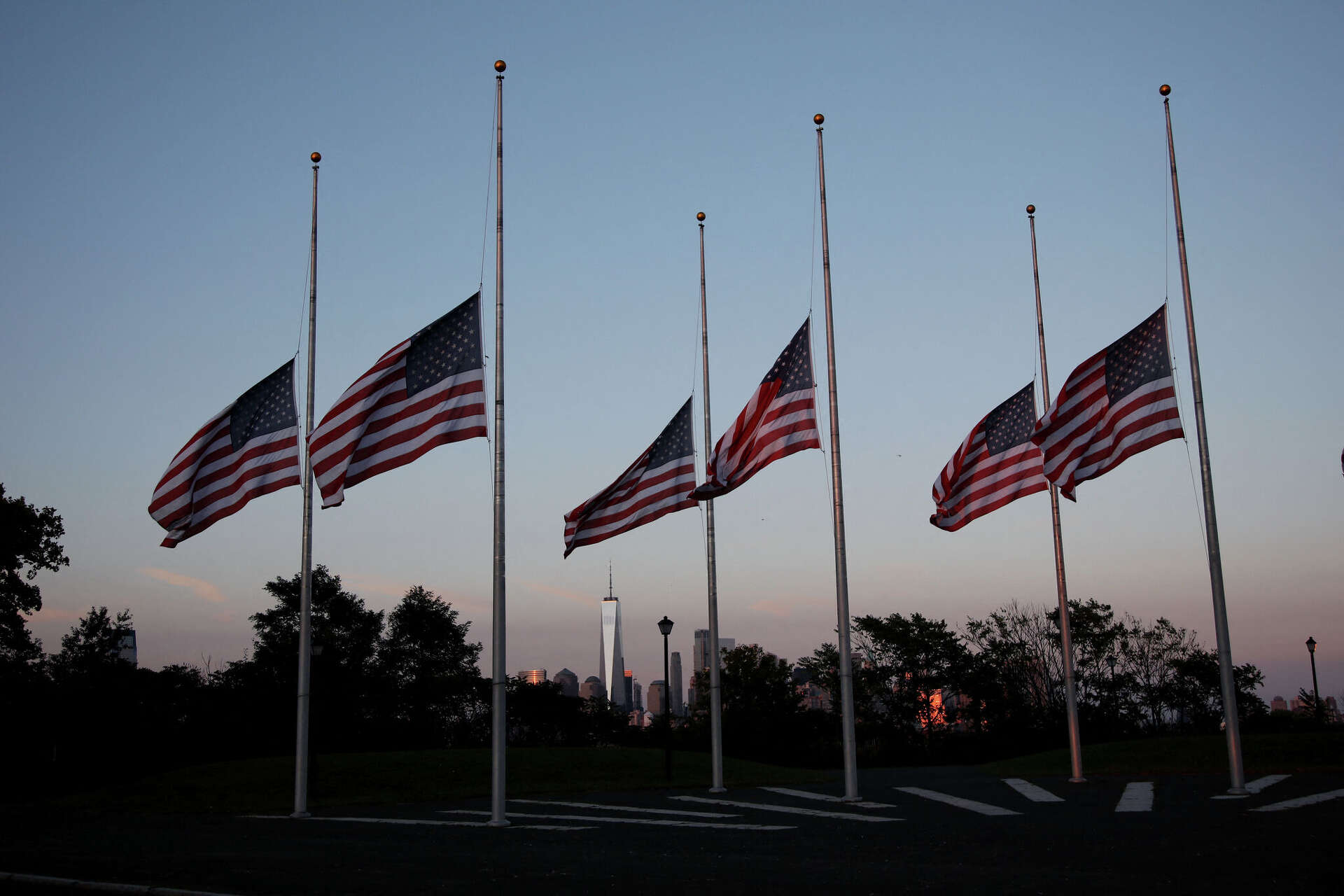
When the U.S. flag is flown at half-staff, it is an official directive, a signal of mourning, respect, or remembrance. In Texas, these directives can originate from both federal and state authorities, reflecting a complex interplay of national tragedies, state-specific losses, and historical commemorations. Whether you’re staying in a luxurious resort in Dallas, exploring the Riverwalk in San Antonio, or hiking in Big Bend National Park, encountering flags at half-staff is a reminder of shared humanity and collective memory, adding an unexpected layer to your travel experience.
Understanding the Tradition: The Symbolism of Half-Staff Flags
The practice of lowering a flag to half-staff (or half-mast, when referring to maritime usage) dates back centuries, with its origins often attributed to naval traditions signaling distress or mourning. Today, in the United States, it is a universally recognized symbol of respect for the deceased, a gesture of profound loss, or a mark of solemn commemoration for a tragic event.
National and State Directives
The authority to order flags to half-staff primarily rests with the President of the United States for federal properties and national observances, and with state governors for state properties and state-specific events. In Texas, the Governor of Texas holds this crucial power. These directives are not arbitrary; they follow established protocols outlined in the U.S. Flag Code and state statutes.
When a federal order comes from the President, it applies to all federal buildings, grounds, and naval vessels throughout the country, including those in Texas. Such orders typically commemorate the passing of high-ranking federal officials – a former president, vice president, chief justice, or Speaker of the House – or mark national tragedies, like the anniversary of September 11th National Day of Service and Remembrance or other significant loss of life events.
Conversely, the Governor of Texas issues proclamations for flags to be flown at half-staff specifically within the state. These often honor fallen Texas servicemen and women, state officials, law enforcement officers, firefighters, or to commemorate state-level tragedies. For a visitor, seeing flags lowered at a local courthouse or outside a municipal building can indicate a specific local or state event being mourned, offering a unique glimpse into the community’s recent history and values. This can be particularly impactful when staying in an Austin hotel near the Texas State Capitol, where such observances are prominent.
Honoring Fallen Heroes and Public Servants
One of the most frequent reasons for flags to be at half-staff in Texas is to honor those who have died in service or who have made significant contributions to public life. This includes:
- Military Personnel: When a member of the U.S. Armed Forces from Texas dies in the line of duty, especially during combat, the Governor often orders flags to half-staff to express the state’s profound gratitude and sorrow. These moments resonate deeply within Texas communities, many of which have strong military ties, and visitors often notice these tributes in public squares or near military installations.
- Law Enforcement and First Responders: Texas has a deep respect for its law enforcement officers and emergency personnel. The death of a police officer, sheriff’s deputy, firefighter, or paramedic killed in the line of duty almost invariably prompts a gubernatorial order for flags to be lowered. These ceremonies often occur outside local police departments or fire stations, becoming solemn local landmarks of remembrance.
- State Officials and Prominent Citizens: The passing of a current or former Governor, a state legislator, a judge, or other high-ranking state official, as well as historically significant Texas figures, often warrants a half-staff proclamation. This acknowledges their service and impact on the state. For example, a directive might be issued following the death of a former Texas Governor like Ann Richards or a Senator like Lloyd Bentsen.
Commemorating Tragic Events
Beyond individual losses, flags are also lowered to mourn collective tragedies, both national and state-specific. These moments underscore the shared experiences and resilience of communities.
- National Tragedies: Following events like the September 11th attacks, the assassination of President John F. Kennedy in Dallas, or large-scale natural disasters impacting the entire nation, the President issues orders for flags to be at half-staff. These national days of mourning are observed universally across Texas and the United States.
- State-Specific Tragedies: Texas has endured its share of heartbreaking events, from school shootings and industrial accidents to devastating hurricanes and floods. In these instances, the Governor frequently orders flags to half-staff to honor victims and demonstrate statewide solidarity. Observing such a display while on a Texas tourism trip can be a profound, if somber, reminder of the community’s strength and empathy.
How Flag Etiquette Enriches Your Texas Travel Experience
For visitors, noticing flags at half-staff is more than just a passing observation; it’s an opportunity to connect with the pulse of the community and gain a deeper appreciation for Texas’s history and values. This aspect of lifestyle and culture can significantly enhance a travel itinerary.
Observing Flags During Your Visit
When you embark on a Texas adventure, whether it’s a family trip to Houston to visit Space Center Houston, a luxury travel escape to a boutique hotel in Fredericksburg, or a budget travel journey through small towns, be observant of the flags.
If you see flags at half-staff, a quick search on the official Texas Governor’s website or major news outlets will usually reveal the reason. This small act of inquiry transforms a simple observation into an educational moment, allowing you to understand what significant event or loss the local population is acknowledging. It’s a way to feel more connected to the place you’re visiting, moving beyond superficial attractions to a deeper understanding of its people.
For instance, if you are staying in a Hyatt Regency Dallas and notice flags at half-staff near the Grassy Knoll or the Sixth Floor Museum, it might be an anniversary of the Kennedy assassination, prompting you to reflect on that pivotal moment in American history. Similarly, if you’re enjoying the beaches of Galveston or Corpus Christi and see flags lowered, it could be in remembrance of a local hero or a past natural disaster, adding a layer of historical context to your coastal retreat.
Connecting with Texas Heritage
Texas is a state incredibly proud of its heritage, its independent spirit, and its unique culture. Observing flag etiquette, particularly during moments of mourning or commemoration, offers a window into this deep sense of state identity. It underscores the values that Texans hold dear: honor, sacrifice, community, and remembrance.
Whether it’s honoring the legacy of a legendary Texas musician, a revered historical figure from the Republic of Texas era, or the victims of a recent tragedy, these flag displays are powerful expressions of shared identity. They encourage visitors to look beyond the popular destinations and guides to engage with the deeper narrative of the state. Understanding why flags are at half-staff can foster a greater respect for the local culture and the challenges or triumphs that have shaped it.
For many, Texas is a land of wide-open spaces, BBQ, and vibrant cities. But it’s also a place with a profound history, filled with stories of courage, resilience, and loss. Flag observances serve as living memorials, reminding everyone of the continuous thread of history that runs through the state.
Noteworthy Texas Landmarks and Flag Displays
Throughout your Texas journey, you’ll encounter numerous places where flags are displayed, and thus where you might observe them at half-staff. These landmarks are often centers of public life and historical significance.
Iconic Locations and Their Flagpoles
- The Texas State Capitol in Austin: As the seat of state government, the Capitol building is arguably the most prominent location for flag displays in Texas. When a gubernatorial or presidential order for half-staff is issued, the large Texas and U.S. flags flying proudly outside the dome are among the first to be lowered. A visit here offers not just a glimpse into Texas politics but also its symbolic heart. Many hotels and accommodation options in downtown Austin offer views of this majestic structure and its flag displays.
- The Alamo in San Antonio: A shrine to Texas liberty, The Alamo always flies flags that resonate with historical significance. While its permanent flag displays often reflect specific historical eras (like the Republic of Texas flag), general half-staff orders for state or national mourning would be observed here, adding another layer of solemnity to this revered site. Staying in a hotel along the San Antonio River Walk puts you close to this important landmark.
- County Courthouses and City Halls: In every Texas town and city, the local courthouse or city hall often serves as a central hub for civic life and official proclamations. These are reliable places to observe half-staff flags, especially for local losses or tributes. These historical buildings are often focal points in local culture and community pride.
- State and National Parks: From Big Bend National Park to Guadalupe Mountains National Park, and numerous Texas State Parks, flags are flown at park headquarters or visitor centers. These natural destinations, popular for outdoor activities and experiences, also adhere to flag etiquette, connecting the grandeur of nature with moments of human solemnity.
- Major Airports and Ports: Gateways like Dallas/Fort Worth International Airport (DFW) or George Bush Intercontinental Airport (IAH) in Houston will also lower flags in observance of official directives, serving as a first or last impression for millions of travelers entering and leaving Texas. Even while you are arranging your accommodation or navigating airport guides, these symbols of national sentiment are visible.

The Protocol of Raising and Lowering Flags
It’s also worth noting the specific protocol for raising and lowering the flag to half-staff. According to the U.S. Flag Code, when the flag is to be flown at half-staff, it should first be raised briskly to the peak for an instant, then slowly lowered to the half-staff position. When it is time to retire the flag from the half-staff position, it should first be raised briskly to the peak, then slowly lowered for the day. This solemn ritual underscores the respect and gravity associated with the act.
In conclusion, encountering flags at half-staff in Texas is a meaningful experience that transcends a simple visual. It’s an invitation to understand the deeper cultural, historical, and emotional landscape of the state. Whether it’s a national tragedy, the passing of a beloved public servant, or a local community’s moment of grief, these displays are powerful reminders of shared human experiences. For the curious traveler or the long-term visitor seeking a deeper connection, observing and understanding why flags are at half-staff in Texas offers a profound way to engage with the unique spirit and enduring heritage of this remarkable state. It enriches the tourism journey, transforming a mere trip into an experience that resonates with the heart of Texas itself.
LifeOutOfTheBox is a participant in the Amazon Services LLC Associates Program, an affiliate advertising program designed to provide a means for sites to earn advertising fees by advertising and linking to Amazon.com. Amazon, the Amazon logo, AmazonSupply, and the AmazonSupply logo are trademarks of Amazon.com, Inc. or its affiliates. As an Amazon Associate we earn affiliate commissions from qualifying purchases.