
The sight of flags flying at half-staff is a somber and universally recognized symbol of mourning and remembrance. In the vast and proud state of Texas, this tradition holds deep significance, often prompting questions about the specific reasons behind such displays. Understanding why flags are lowered to half-staff in Texas involves delving into the protocols, the individuals or events being honored, and the overall cultural respect embedded within the state’s identity.
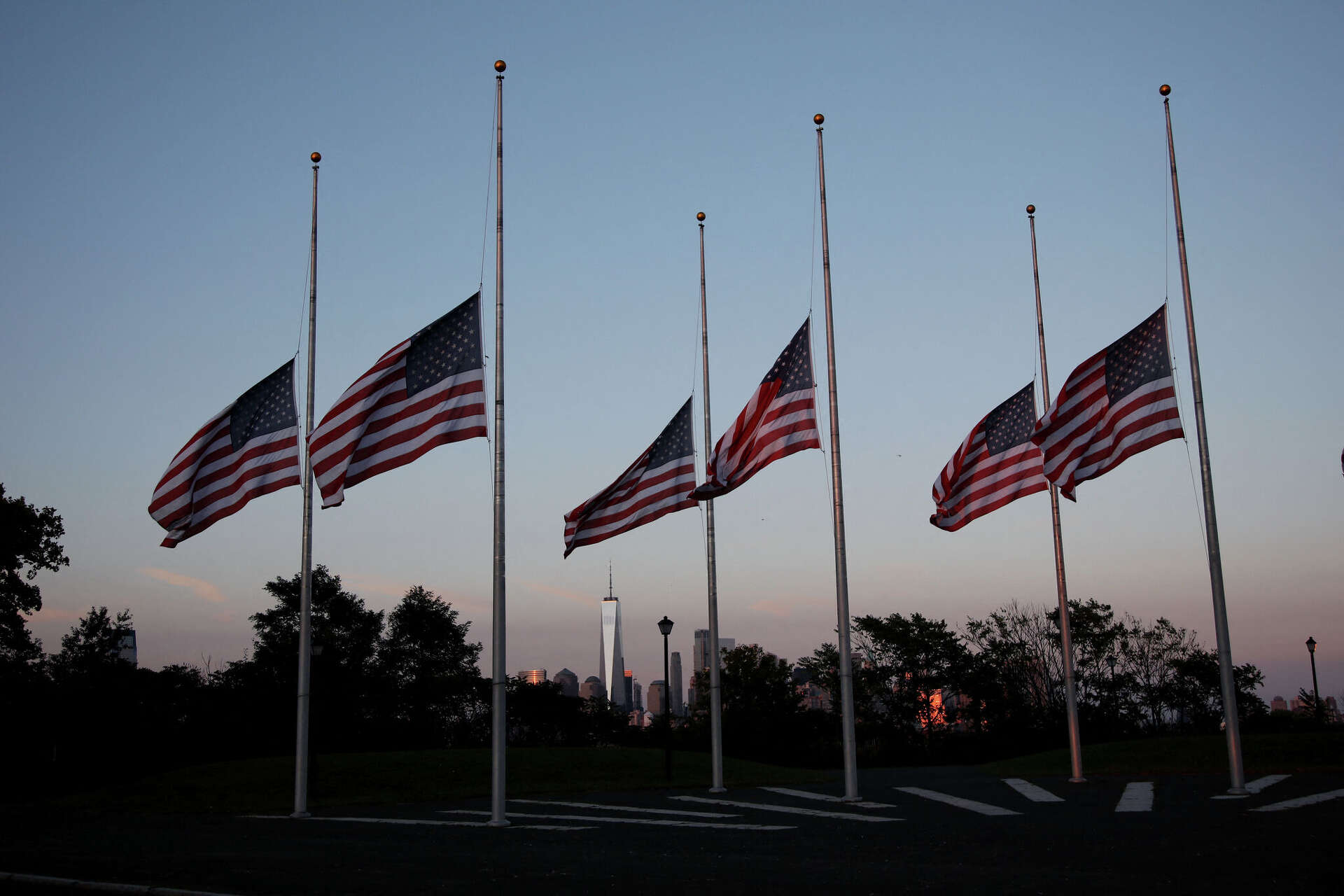
The practice of lowering a flag to half-staff, also known as “half-mast” when referring to a ship’s flag, is a long-standing tradition observed globally as a sign of respect for the deceased or during periods of national or state tragedy. In the United States, these protocols are largely dictated by federal law and executive orders, which are then often mirrored or supplemented by state-level directives. For Texas, this means adhering to national guidelines while also having provisions for honoring its own heroes and marking significant state events.
Understanding the Protocols for Half-Staff Displays in Texas
The lowering of flags at half-staff in Texas is not an arbitrary act. It follows a defined set of rules and procedures established by both federal and state authorities. These protocols ensure that the honor bestowed by lowering the flag is applied consistently and appropriately, recognizing the gravity of the circumstances.
Federal Mandates and Their Impact on Texas
The United States Flag Code provides the overarching framework for flag etiquette across the nation, including when and how the flag should be displayed at half-staff. These federal guidelines are comprehensive and cover situations such as the death of national figures, significant national tragedies, and periods of mourning declared by the President of the United States.
When the President issues a proclamation or executive order for national mourning, all flags flown on federal buildings and property across the country are required to be lowered to half-staff. This directive automatically extends to federal installations within Texas, such as military bases or federal courthouses.
Key federal occasions that would trigger half-staff displays in Texas include:
- Death of the President, Vice President, Chief Justice, or Speaker of the House: These are the highest-ranking officials, and their passing warrants national mourning.
- Death of a Former President: The passing of a former U.S. President is also a cause for national observance.
- Death of a Supreme Court Justice, Cabinet Secretary, Former Vice President, Senate President Pro Tempore, Speaker of the House, or Chief Justice of the Supreme Court: These figures also hold significant positions, and their deaths are recognized.
- Death of a United States Senator, Representative, Governor of a state, territory, or possession, or the Mayor of the District of Columbia: These individuals represent significant portions of the population and their passing is honored.
- Memorial Day: On the last Monday in May, the flag is flown at half-staff until noon and then raised to full-staff.
- Peace Officers Memorial Day: On May 15th, the flag is flown at half-staff.
- September 11th National Day of Remembrance: The flag is flown at half-staff.
The federal code also allows for the lowering of flags in honor of other significant figures or events as determined by the President.
Texas State-Specific Protocols
In addition to federal mandates, Texas has its own specific protocols for lowering the state flag, the Lone Star Flag, and often the U.S. flag as well, to half-staff. These state-level directives are typically issued by the Governor of Texas.
The Governor has the authority to order flags lowered in Texas to honor:
- The death of current or former Texas state officials: This includes former Governors, Lieutenant Governors, and other high-ranking state elected officials.
- Texas heroes and notable citizens: The Governor can declare a period of mourning for individuals who have made significant contributions to the state or its people, such as fallen law enforcement officers, firefighters, or military personnel with strong ties to Texas.
- Acts of terrorism or mass violence impacting the state: In the wake of tragic events that affect the citizens of Texas, the Governor may order flags lowered to express solidarity and grief.
- Other significant state events or anniversaries: While less common, the Governor may choose to lower flags to commemorate solemn historical events or anniversaries of particular importance to the state’s history.
When the Governor issues a proclamation for flags to be flown at half-staff within Texas, this directive applies to all state buildings and grounds. It is also common practice for municipalities and counties within Texas to follow the Governor’s lead, lowering their own flags and encouraging citizens to do the same on public buildings and private residences.
The duration for which flags remain at half-staff is also usually specified in the proclamation. It can range from a few hours (as on Memorial Day) to several days, depending on the significance of the individual or event being honored.
Recent Occasions for Flags at Half Staff in Texas
The reasons for flags being at half-staff in Texas are as diverse as the state itself, often reflecting profound moments of loss, sacrifice, and remembrance. While specific instances can vary greatly, there are recurring themes that prompt these somber displays.
Honoring Fallen Heroes and First Responders
One of the most frequent reasons for flags being lowered in Texas is in honor of law enforcement officers, firefighters, and other first responders who have made the ultimate sacrifice in the line of duty. Texas has a strong tradition of supporting its public safety professionals, and the loss of one of their own is deeply felt across the state.

When an officer or firefighter is killed in the line of duty, the Governor will typically issue a proclamation for flags to be flown at half-staff. This gesture serves to acknowledge the bravery and dedication of the fallen individual and to express condolences to their families and fellow service members. The duration of this honor is often determined by the wishes of the family and the protocols of the respective law enforcement or fire department.
Beyond immediate line-of-duty deaths, flags may also be lowered to honor distinguished former law enforcement or fire chiefs, or in remembrance of significant historical events involving first responders within the state.
Remembering National Tragedies and Moments of Solidarity
Texas, as a part of the United States, observes national days of mourning and remembrance. When tragic events occur elsewhere in the nation, such as acts of mass violence, terrorist attacks, or natural disasters that result in significant loss of life, the President will often order flags to be lowered nationwide. These directives naturally apply to Texas, uniting the state in collective grief and solidarity with affected communities.
Conversely, Texas itself has experienced events that have led to state-wide periods of mourning. For instance, in the aftermath of devastating natural disasters like hurricanes or tornadoes that cause widespread destruction and loss of life, or following horrific acts of violence such as mass shootings, the Governor may order flags lowered to symbolize the state’s collective sorrow and to honor the victims. These moments are crucial for fostering a sense of shared experience and resilience within the state.
Honoring Prominent Figures and State-Specific Anniversaries
Beyond the solemnity of tragedy, flags at half-staff in Texas can also be used to honor prominent figures who have left an indelible mark on the state. This could include former Governors, highly respected state politicians, celebrated military leaders with strong ties to Texas, or renowned Texans who have made significant contributions to culture, science, or humanitarian efforts.
The Governor‘s office plays a key role in determining when such honors are appropriate. These decisions often take into account the individual’s legacy and their impact on the state’s history and identity.
Furthermore, while less frequent for half-staffing, significant state-specific historical anniversaries that carry a somber or reflective tone might also be marked by lowering flags, especially if the anniversary pertains to a period of hardship or sacrifice in Texas history.
Observing and Respecting Flags at Half Staff in Texas
When flags are displayed at half-staff in Texas, it is an opportunity for residents and visitors alike to pause, reflect, and show respect for the individuals or events being commemorated. Understanding how to observe these displays is a way of participating in the collective expression of honor and remembrance that is so important to the state’s culture.
The Significance of the Lone Star Flag
The Lone Star Flag, the official state flag of Texas, holds immense symbolic value for Texans. It represents bravery, independence, and the unique heritage of the state. When this flag is lowered to half-staff, it carries a specific weight of statewide mourning and respect.
According to the Texas Government Code, when the U.S. flag is flown at half-staff by order of the President, the Texas flag should also be flown at half-staff. Similarly, when the Governor orders the Texas flag to be flown at half-staff, the U.S. flag should also be lowered. This synchronized display emphasizes the shared nature of the honor being paid, whether it’s to national heroes or state luminaries.
The Texas Legislature has also established protocols for the Texas flag, which generally align with federal guidelines but can be expanded by the Governor to include state-specific circumstances.
How Individuals and Organizations Can Show Respect
For citizens and organizations within Texas, observing flags at half-staff is a straightforward yet meaningful act.
- Private Residences and Businesses: While not legally mandated, it is considered a sign of good citizenship and respect to also lower personal or company flags to half-staff when official proclamations are issued. This demonstrates solidarity with the broader community and honors the solemn occasion.
- Public Buildings: All state, county, and municipal buildings are expected to comply with official directives to lower flags to half-staff.
- Schools and Universities: Educational institutions in Texas often follow the directives from the Governor or federal government, lowering their flags to half-staff during periods of mourning or remembrance. This can also be an educational opportunity for students to learn about civic duty and respect.
- Respectful Conduct: Beyond lowering flags, individuals are encouraged to behave respectfully in public during these times. This can include refraining from boisterous activities in areas where flags are at half-staff or participating in memorial events.

Staying Informed About Half-Staff Proclamations
Keeping informed about why flags are at half-staff in Texas is important for understanding the current state of affairs and responding appropriately.
- Governor’s Office Website: The official website of the Governor of Texas is the primary source for proclamations regarding the lowering of state flags. These announcements are usually made publicly and are often disseminated through news outlets.
- News Media: Local and state news organizations in Texas routinely report on half-staff directives, providing details about the reasons and the duration of the observance.
- Local Government Websites: Many city and county websites will also post information about local observances or repost state-level proclamations.
By understanding the protocols, recognizing the occasions, and knowing how to show respect, individuals can engage meaningfully with the tradition of flags at half-staff in Texas, honoring those who have been lost and demonstrating a shared sense of community and remembrance.
LifeOutOfTheBox is a participant in the Amazon Services LLC Associates Program, an affiliate advertising program designed to provide a means for sites to earn advertising fees by advertising and linking to Amazon.com. Amazon, the Amazon logo, AmazonSupply, and the AmazonSupply logo are trademarks of Amazon.com, Inc. or its affiliates. As an Amazon Associate we earn affiliate commissions from qualifying purchases.