
California, a state synonymous with stunning landscapes, vibrant cities, and endless road trip possibilities, consistently presents a paradox for travelers and residents alike: some of the highest gas prices in the United States. For those planning a leisurely drive along the Pacific Coast Highway, exploring the majestic peaks of Yosemite National Park, or embarking on a culinary tour through Napa Valley, the cost at the pump can significantly impact a travel budget. Understanding why gas prices in the Golden State remain persistently high is crucial for anyone looking to navigate its diverse attractions and experiences without an unwelcome financial surprise. This isn’t just a matter of global oil markets; it’s a complex interplay of state-specific regulations, unique market dynamics, and a taxation structure designed to support California’s ambitious environmental goals and infrastructure.

For a website like Life Out of the Box, focused on travel, hotels, tourism, and lifestyle, the implications of these elevated costs are profound. They influence everything from the choice of accommodation and the length of a family trip to the viability of a budget travel itinerary. By delving into the root causes of California’s high gas prices, we can better equip travelers with the knowledge to plan their adventures wisely and still enjoy all that this incredible state has to offer, from bustling metropolises like Los Angeles and San Francisco to serene natural landmarks and quaint coastal towns.
The Unique Landscape of California’s Fuel Market
The primary reason for California’s exorbitant gas prices lies in its highly specific and somewhat isolated fuel market. Unlike most other states, California operates what is often referred to as a “fuel island” due to a confluence of strict environmental regulations, limited refinery capacity, and complex logistical challenges. These factors create a market where supply is often constrained and less responsive to national or global price fluctuations in the same way other regions might be.
Regulatory Hurdles and Environmental Standards
California has long been at the forefront of environmental protection, and its commitment to cleaner air has a direct impact on gasoline prices. The California Air Resources Board (CARB) mandates a unique, cleaner-burning fuel blend that is different from the gasoline sold in the rest of the United States. This special formulation is designed to reduce smog and harmful emissions, particularly critical in densely populated areas like the Los Angeles basin and the San Francisco Bay Area.
Producing this specific blend is more expensive than conventional gasoline. It requires specialized refining processes and infrastructure, limiting the number of refineries capable of producing it. Furthermore, the state has different summer and winter blend requirements, adding another layer of complexity and cost to production and distribution. When there’s a hiccup in production at one of California’s few CARB-compliant refineries, the impact on supply and prices can be immediate and severe, as the state cannot easily import large quantities of compatible fuel from elsewhere.
Supply Chain Dynamics and Refinery Challenges
The supply chain for gasoline in California is remarkably fragile. The state has a limited number of operational refineries, predominantly located in the Los Angeles and San Francisco Bay Area. These facilities are aging, and unscheduled maintenance or planned shutdowns for upgrades can significantly disrupt supply. When a refinery goes offline, even temporarily, the reduction in output of the unique California blend creates a tight market, pushing prices upwards.
Moreover, transporting fuel within the state also adds to the cost. Pipelines primarily connect refineries to major consumption centers, but many rural destinations and smaller towns rely on truck deliveries, which incur higher logistical costs, especially with rising diesel prices. The difficulty in quickly supplementing supply from outside the state means that California is less resilient to supply shocks than regions with more interconnected pipeline networks and a greater diversity of fuel sources. This vulnerability translates directly into higher prices for consumers and, by extension, for travelers exploring the state.
Taxation: A Significant Factor
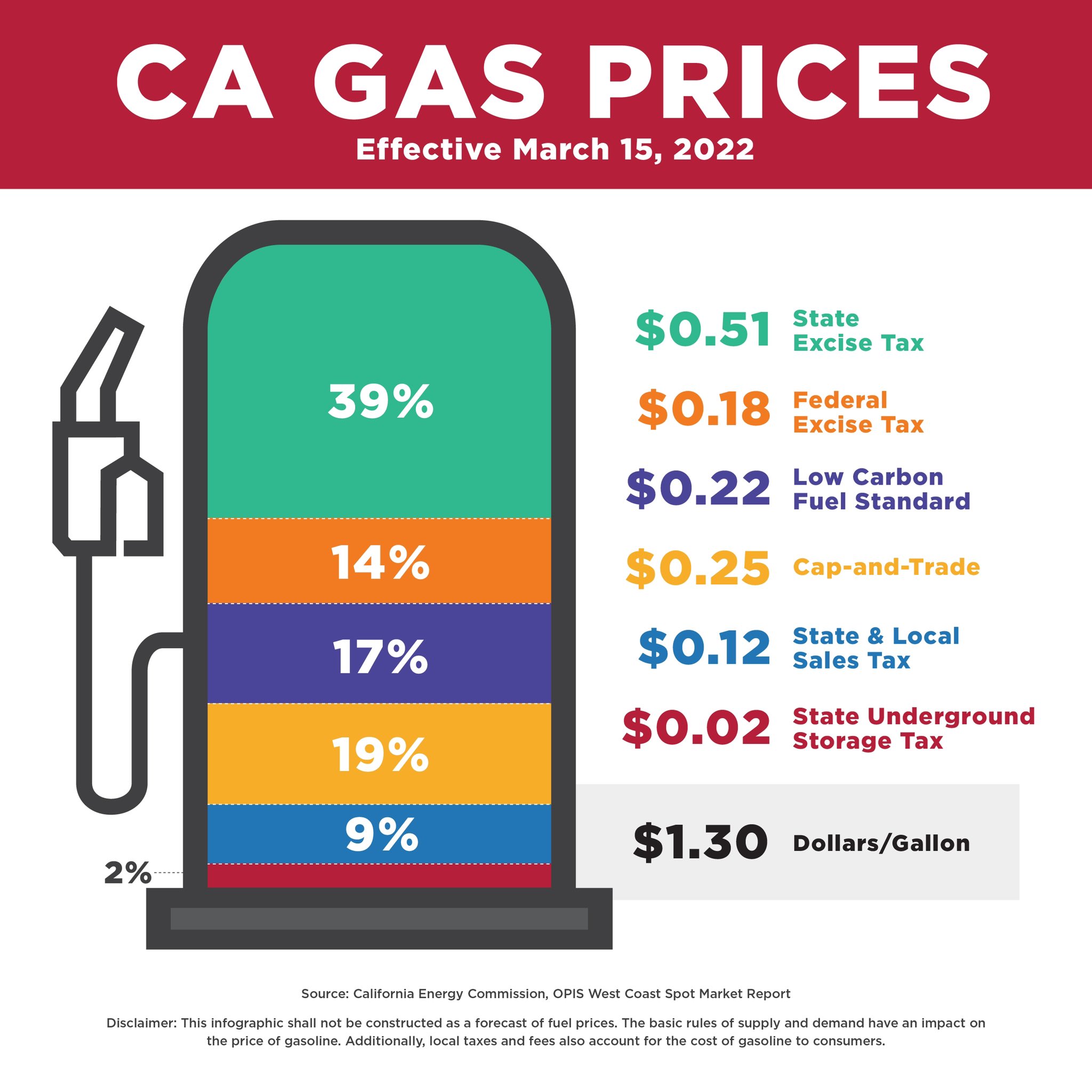
Beyond production and supply costs, taxes play a substantial role in why California gas prices are so high. The state levies some of the highest fuel taxes in the nation, which are earmarked for critical infrastructure projects, including road maintenance, public transit, and environmental initiatives. These taxes include:
- State Excise Tax: A fixed per-gallon tax that is among the highest in the U.S., specifically dedicated to transportation infrastructure.
- Sales Tax: Unlike most other states, California applies its state sales tax to gasoline, further increasing the final price.
- Cap-and-Trade Program Costs: To combat climate change, California operates a cap-and-trade program, requiring fuel producers to purchase allowances for their carbon emissions. These costs are ultimately passed on to consumers at the pump.
- Local Taxes and Fees: Various cities and counties may impose additional taxes or fees, although these are typically smaller components.
Cumulatively, these taxes can add well over a dollar per gallon to the price of gasoline, making a significant difference compared to states with lower tax burdens. For a luxury travel experience or a carefully planned business stay, these added costs can accumulate quickly, impacting the overall expenditure for a trip through California.
The Ripple Effect on California Travel and Tourism
High gas prices in California don’t just affect local commuters; they send ripples throughout the state’s vibrant travel and tourism sectors. From iconic road trips to choices in accommodation and local culture experiences, the cost of fuel inevitably influences traveler behavior and industry offerings.
Impact on Road Trips and Driving Vacations
California is quintessential road trip country. The allure of driving along the Pacific Coast Highway, exploring diverse ecosystems from Death Valley National Park‘s extremes to Lake Tahoe’s alpine beauty, or navigating the scenic routes to wine country destinations like Sonoma, is a major draw for millions. However, escalating gas prices can make these dream journeys considerably more expensive.
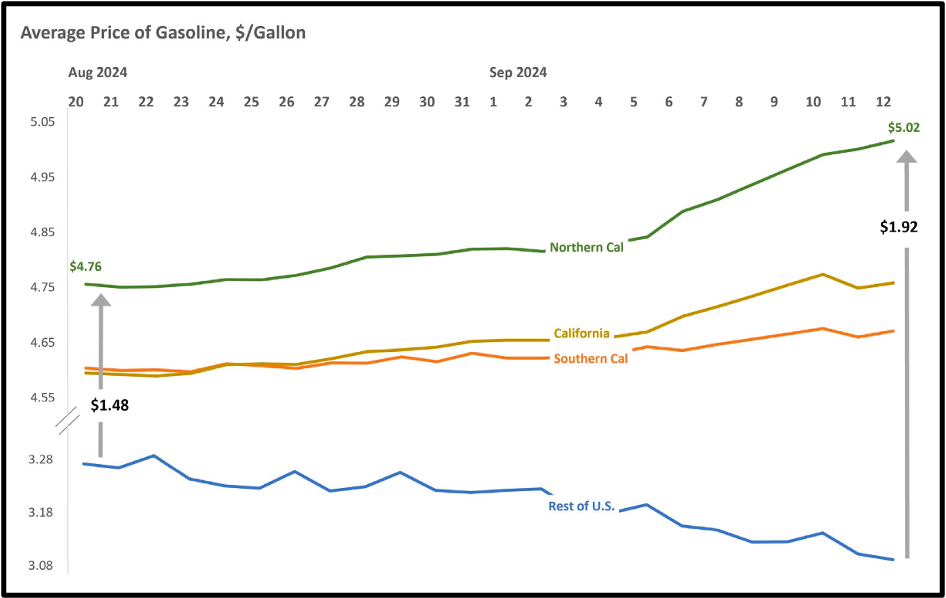
For a family embarking on a multi-day driving vacation, the fuel cost for hundreds or thousands of miles can easily run into several hundred dollars, potentially diverting funds from other desired activities or higher-quality hotels. This can lead to travelers shortening their itineraries, choosing shorter routes, or even opting for destinations outside California where driving is less costly. For tour operators, higher fuel costs mean increased operational expenses, which may be passed on to customers, making guided tours less competitive.
Adjusting Travel Budgets and Accommodation Choices
When gas prices are high, travelers often need to re-evaluate their overall budget travel allocation. A significant portion of the travel budget might be absorbed by fuel, necessitating cutbacks elsewhere. This could manifest in several ways:
- Accommodation Downsizing: Instead of booking a luxurious resort in Carmel-by-the-Sea or a suite in a Grand Hyatt Hotel in San Diego, travelers might opt for more affordable hotels, motels, or even apartments and villas through platforms offering budget-friendly accommodation options. Booking patterns might shift towards properties offering complimentary amenities like free parking or breakfast to offset other costs.
- Reduced Spending on Activities and Dining: Discretionary spending on restaurant food, attractions, and souvenirs might be curtailed. This impacts local businesses that rely heavily on tourism spending, from small eateries to gift shops near popular landmarks.
- Shorter Stays: Travelers might shorten the duration of their long-term stays or opt for weekend trips rather than extended vacations, impacting total revenue for hospitality providers.
For business stays or conferences, companies might also scrutinize travel expenses more closely, potentially favoring flights over extensive driving, or choosing hotels with excellent public transport access to minimize ground transportation costs.
Shifting Preferences: Local Exploration vs. Far-Flung Destinations
High gas prices can also inspire a shift in how and where people choose to travel within California. Instead of epic cross-state journeys, there might be a greater emphasis on exploring local culture and attractions closer to home.
- Staycations and Regional Focus: Residents might opt for “staycations” or explore their immediate region more intensely, rediscovering hidden gems within a shorter driving distance. For instance, Los Angeles residents might focus on Hollywood landmarks and beach cities rather than a trip to Lake Tahoe.
- Public Transportation and Walkability: Cities with robust public transit systems, such as San Francisco with its cable cars and BART system, or parts of Los Angeles with its growing metro network, might become more attractive. Travelers might prioritize hotels and accommodation that are centrally located and offer good walkability to restaurants, shops, and tourist sites. This influences hotel reviews and comparison criteria for discerning guests.
- Electric Vehicle (EV) Adoption: The high cost of gasoline in California also serves as a strong incentive for the adoption of electric vehicles. Travelers who own EVs can significantly reduce their travel costs, especially if they can charge overnight at their hotel or accommodation. This also encourages hotels to invest in EV charging amenities as a draw for guests.
Navigating Higher Costs: Tips for Travelers and Residents
While high gas prices are a reality in California, they don’t have to derail your travel plans. With smart planning and a few strategic adjustments, you can still experience the best of the Golden State without breaking the bank. These travel tips are designed to help both seasoned explorers and first-time visitors optimize their journeys.
Smart Planning and Fuel Efficiency
Preparation is key to mitigating the impact of high fuel costs. Before embarking on a California adventure, consider these strategies:
- Route Optimization: Plan your driving routes meticulously to minimize unnecessary mileage. Use GPS apps that can suggest the most fuel-efficient routes or help you avoid congested areas where stop-and-go traffic wastes gas.
- Fuel Price Apps: Utilize smartphone applications like GasBuddy to locate the cheapest gas stations along your route. Prices can vary significantly, even within a few miles, so a little research can save you a surprising amount.
- Vehicle Maintenance: Ensure your vehicle is well-maintained before your trip. Properly inflated tires, a clean air filter, and regular engine tune-ups can all improve fuel economy. For those renting a car, consider models known for good gas mileage or even hybrid options.
- Driving Habits: Adopt fuel-efficient driving habits. Avoid aggressive acceleration and braking, maintain a steady speed, and use cruise control on highways. These small adjustments can collectively lead to noticeable savings.
- Carpooling: If traveling with a group, carpooling is an obvious way to split fuel costs, making longer drives to national parks or remote resorts more economical.
Exploring Alternative Transportation and Stay Options
Beyond optimizing your driving, consider alternatives that can reduce your reliance on a personal vehicle and, consequently, expensive gasoline.
- Public Transportation in Cities: In major urban centers like San Francisco, Los Angeles, and San Diego, public transportation is an excellent way to get around. Systems like BART, LA Metro, and San Diego’s trolley offer extensive coverage to many tourist attractions and landmarks. Many hotels are strategically located near transit hubs, a factor worth considering when booking your accommodation.
- Ride-Sharing and Taxis: For shorter distances or when public transport isn’t convenient, ride-sharing services or taxis can be a good option, especially if you’re splitting the fare with fellow travelers.
- Cycling and Walking: Many of California’s charming towns and cities are incredibly walkable or bike-friendly. Exploring areas like Santa Monica Pier, the San Francisco waterfront near the Golden Gate Bridge, or the historic streets of Old Town San Diego on foot or by bike offers a unique perspective and saves on fuel. Consider hotels that offer complimentary bike rentals as an amenity.
- Strategic Accommodation Choices: When booking accommodation, prioritize hotels or apartments that are centrally located to the attractions you wish to visit. Choosing a place within walking distance of local culture, food activities, or public transport can significantly reduce your daily driving needs. Some resorts and villas are designed to be self-contained destinations, minimizing the need to leave the property.
The Enduring Appeal of California: Value Beyond the Pump
Despite the higher gas prices, California’s enduring appeal as a premier travel destination remains undiminished. The state offers an unparalleled diversity of experiences that provide immense value, often transcending the cost of transportation.
- Natural Wonders: California is home to nine national parks, including the awe-inspiring Yosemite, the majestic Redwood National Park, and the surreal landscapes of Joshua Tree National Park. These natural landmarks offer countless opportunities for hiking, photography, and reconnection with nature, many of which are free or require only a modest entrance fee.
- Cultural Richness: From the world-class museums of Los Angeles to the historic missions scattered across the state and the vibrant arts scene of San Francisco, California is a cultural melting pot. Many of these cultural experiences are concentrated within cities, making them accessible by public transport or walking.
- Culinary Excellence: California is a foodie paradise, renowned for its farm-to-table movement, diverse ethnic cuisine, and world-class wine regions. Enjoying local food and wine tasting in Napa Valley or Sonoma can be a highlight of any trip, and many wineries offer guided tours or shuttles.
- Beaches and Coastal Charm: California’s extensive coastline offers stunning beaches, picturesque towns, and opportunities for surfing, sunbathing, or simply enjoying the ocean breeze. Many coastal towns are compact and enjoyable to explore on foot, with hotels often just steps from the sand.
In conclusion, the high gas prices in California are a multifaceted issue rooted in stringent environmental regulations, a delicate supply chain, and significant taxation. While these costs can impact travel budgets and choices, they certainly do not diminish the state’s incredible appeal for travelers seeking adventure, relaxation, or cultural immersion. By being informed, planning strategically, and embracing alternative modes of exploration, you can still craft an unforgettable California journey that offers immense value and lifelong memories. From luxury travel to budget travel, from vibrant cityscapes to serene natural beauty, California continues to promise a life out of the box, regardless of the price at the pump.