
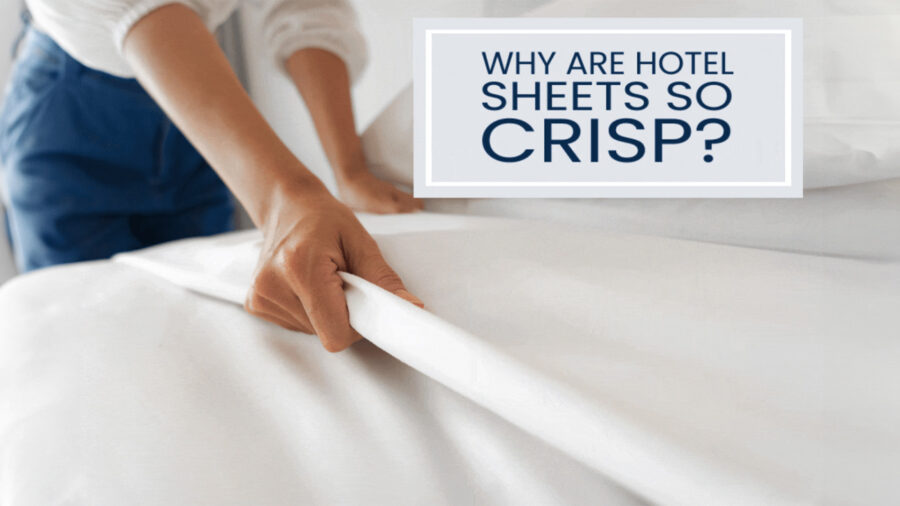
There is a distinct sensation that defines the luxury hotel experience: the feeling of sinking into a crisp, impossibly smooth bed after a long day of travel. Whether you are staying at a flagship property like the The Ritz-Carlton in New York City or enjoying a boutique retreat in Paris, the bedding often feels superior to anything found in a domestic setting. This comfort is no accident; it is the result of rigorous engineering, high-end sourcing, and a maintenance process that prioritizes tactile satisfaction above all else.
The Science of Thread Count and Fiber Quality
The primary reason hotel sheets feel so luxurious is a meticulous obsession with textile quality. While consumers are often marketed “high thread count” sheets in department stores—sometimes boasting numbers in the thousands—hotels focus on a balance between thread count, fiber length, and weave structure.

Long-Staple Cotton: The Gold Standard
The secret lies in the fiber itself. Most premium hotels utilize long-staple or extra-long-staple cotton, such as Egyptian or Pima cotton. Unlike short-staple fibers, which have more ends that can poke out and create a scratchy texture, long-staple cotton fibers are smooth and durable. When these fibers are spun into yarn, the resulting fabric is softer, stronger, and more resistant to pilling over time.
The Percale vs. Sateen Debate
Hotels typically choose between two primary weaves: percale and sateen.
- Percale: This weave features a one-over, one-under pattern, resulting in a matte finish and a crisp, cool feel. It is a favorite for properties in warmer climates like Dubai or the Maldives, as it promotes breathability.
- Sateen: This weave uses a three-over, one-under pattern, which brings more yarn to the surface. The result is a silkier, slightly heavier fabric with a subtle sheen that many luxury brands prefer for its opulent appearance and feel.
The Professional Laundering Process
Even the most expensive linens would feel lackluster if washed with standard household equipment. The “hotel feel” is largely created during the industrial laundering phase, where strict protocols are followed to ensure the fabric remains pristine.
Industrial Chemistry and Heat
Commercial laundries serving institutions like the Four Seasons Hotel use advanced chemical injection systems. These systems precisely control water hardness, pH levels, and detergents. Softeners are rarely used because they leave a residue that can diminish the crispness of the sheets; instead, the softness is maintained through the natural quality of the fiber and the physical action of the heavy-duty machinery.
High-Heat Pressing and Calendering
The crisp, folded lines that guests encounter upon check-in are the result of industrial ironers known as “calenders.” Large-scale heated rollers press the damp sheets at high pressure and temperature. This process does more than remove wrinkles; it flattens the fibers, giving the fabric a polished, luxurious surface that feels freshly pressed every single time. It is this specific finish that is almost impossible to replicate with a handheld household iron.

The “White Sheet” Philosophy
Have you noticed that nearly every high-end hotel room features white bedding? This is not just a design choice; it is a fundamental aspect of the guest experience and operational strategy.
Visual Hygiene and Trust
White linens serve as a visual indicator of cleanliness. In an era where travelers are increasingly conscious of hygiene, white sheets allow guests to see for themselves that the bed has been freshly laundered. It provides a psychological sense of security and purity that patterned or colored bedding simply cannot offer.
The Ease of Maintenance
Operationally, white is the most practical color for luxury hospitality. Because hotel sheets must be bleached regularly to remove stains and maintain their brightness, white linens are the only option that can withstand such harsh cleaning agents without fading or discoloring. This allows housekeeping teams to wash all linens together in high-temperature cycles, ensuring every piece of fabric reaches the necessary heat levels to remain sanitary.
Layering and the Psychology of Sleep
Comfort is not just about the sheet itself; it is about the entire sleep system. Hotels understand that layering creates a sense of indulgence.
The Triple-Sheet Method
Many mid-to-high-tier hotels utilize the “triple-sheet” technique. This involves placing a bottom sheet, a middle sheet, a duvet or blanket, and then a top sheet that is tucked tightly over the bedding. This layering technique provides a finished, elegant look and creates a “cocoon” effect. The top sheet protects the duvet cover, which is often harder to clean, and provides a lightweight, breathable layer that the guest can adjust depending on their personal temperature preference.
The Role of Thread Count Marketing
It is important to understand the marketing side of things. Many luxury properties, such as the St. Regis Hotel, prioritize the “feel” of the fabric over the number of threads. While the average consumer may be swayed by a high thread count label, hotels prioritize durability. A sheet with a thread count of 300 to 400 made from high-quality, long-staple cotton will consistently outperform a 1,000-thread count sheet made from low-grade, short-staple polyester blends. The hospitality industry recognizes that comfort is a combination of weight, drape, and breathability—elements that are often compromised when manufacturers try to force higher thread counts into the same surface area.
Strategic Sourcing
Finally, the procurement process for major hotel chains is highly specialized. Companies often partner with heritage textile manufacturers to create custom-made linens that meet exact specifications for weight and softness. These aren’t off-the-shelf products; they are bespoke creations designed to withstand hundreds of wash cycles while retaining their initial, factory-fresh tactile quality. Whether you are staying in the bustling heart of London or at a secluded mountain resort in Switzerland, the consistency of that bed is intentional.
The next time you find yourself reluctant to leave your hotel bed, remember that you are experiencing the culmination of specialized textile science, professional laundering, and a deeply ingrained hospitality tradition. It is a deliberate effort to ensure that, no matter where your travels take you, your rest remains the most luxurious part of your journey.
LifeOutOfTheBox is a participant in the Amazon Services LLC Associates Program, an affiliate advertising program designed to provide a means for sites to earn advertising fees by advertising and linking to Amazon.com. Amazon, the Amazon logo, AmazonSupply, and the AmazonSupply logo are trademarks of Amazon.com, Inc. or its affiliates. As an Amazon Associate we earn affiliate commissions from qualifying purchases.