
New Orleans, a city steeped in history and vibrant culture, offers a unique travel experience unlike any other in the United States. Beyond its famous Mardi Gras celebrations and mouthwatering Creole cuisine, the city boasts a distinct architectural heritage, most notably its above-ground cemeteries. These “Cities of the Dead,” with their ornate tombs and weathered monuments, are a significant draw for tourists eager to explore the city’s rich past and unique traditions. However, a visit to these historic burial grounds can also present unexpected dangers, prompting the question: Why are New Orleans cemeteries dangerous?
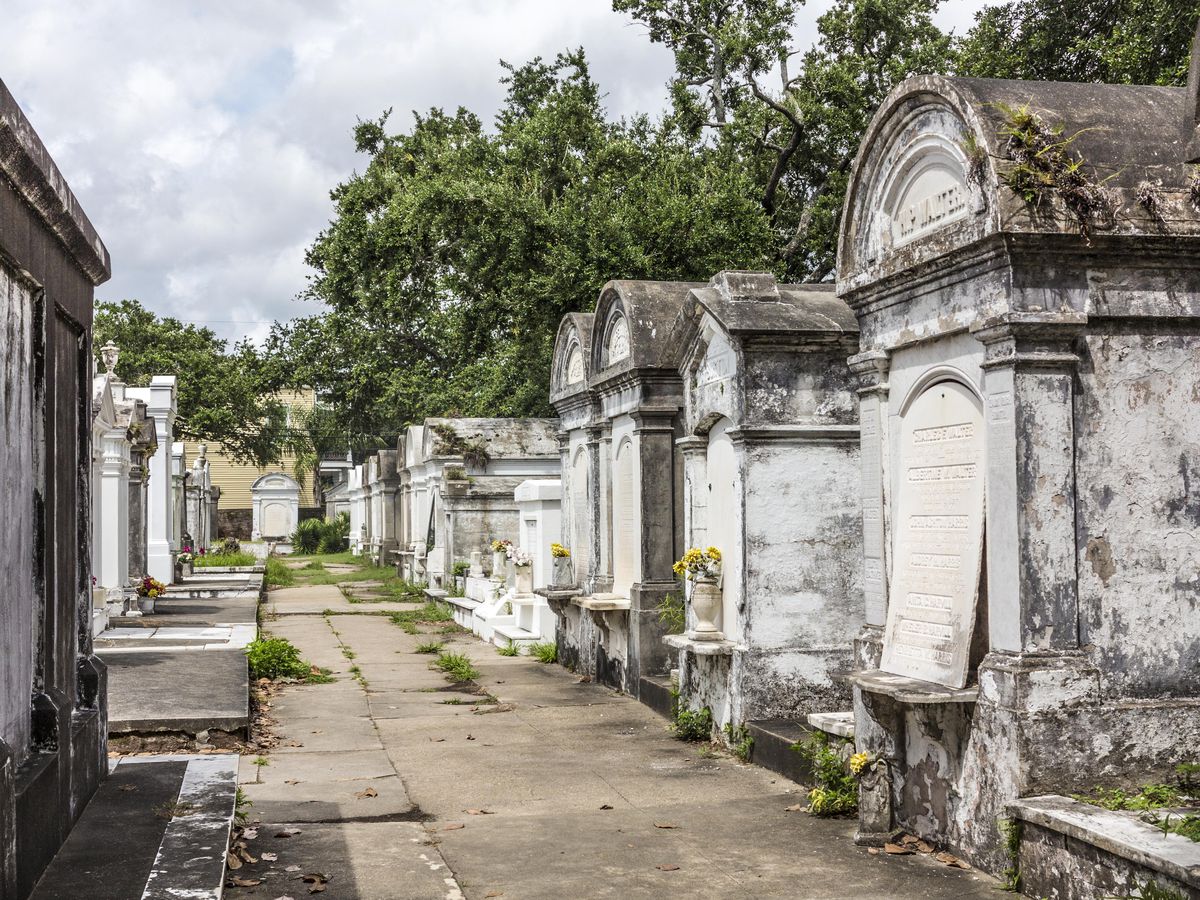
The allure of these necropolises is undeniable. They offer a poignant glimpse into the city’s history, its multicultural influences, and its enduring relationship with mortality. The above-ground burial practices, necessitated by the city’s high water table, create a visually stunning and historically significant landscape. Iconic cemeteries like St. Louis Cemetery No. 1, Lafayette Cemetery No. 1, and Metairie Cemetery are not just resting places but living museums, each with its own stories, architectural styles, and famous (and infamous) interred residents.
However, the very characteristics that make these cemeteries so captivating also contribute to their potential hazards. Understanding these risks is crucial for any traveler hoping to experience the solemn beauty and historical depth of New Orleans’ cemeteries safely. These dangers are multifaceted, ranging from environmental factors to security concerns and the sheer fragility of the historic structures themselves.
Navigating the Precarious Paths: Environmental and Structural Hazards
One of the primary reasons New Orleans cemeteries can be considered dangerous is their inherent environmental and structural vulnerabilities. Unlike traditional cemeteries where graves are below ground, the above-ground tombs and crypts are exposed to the elements and the unique geological conditions of the region.
The Impact of Louisiana’s Climate and Terrain
Louisiana’s humid subtropical climate, characterized by intense heat, high humidity, and frequent heavy rainfall, takes a significant toll on the aging structures. The constant moisture contributes to the decay of the brick and mortar used in constructing the tombs, making them susceptible to crumbling. Furthermore, the subtropical environment fosters the growth of mold and mildew, which can pose respiratory health risks to visitors.
The city’s notorious proximity to water also plays a critical role. New Orleans is built on reclaimed land and sits below sea level, surrounded by the Mississippi River and various bayous. This high water table means that traditional in-ground burials are impractical, leading to the development of the iconic above-ground tombs. However, this also means that the structures are constantly exposed to dampness from below, which can weaken their foundations and lead to instability. Hurricanes and tropical storms, a regular occurrence in this part of the United States, can further exacerbate these issues, causing damage from high winds and flooding.
The Fragility of Historic Architecture
The tombs themselves, while often appearing robust, are historical artifacts and can be surprisingly fragile. Many were built over a century ago and have undergone decades of wear and tear. The materials used, such as plaster, stucco, and aged brick, are prone to erosion. Mortar can disintegrate, and decorative elements can become loose or detach entirely.
Walking through narrow pathways between tightly packed tombs, one must be mindful of precarious ledges, crumbling facades, and debris that might have fallen. Some tombs might be structurally unsound, with visible cracks or missing sections, making them unsafe to lean on or even approach too closely. The pathways themselves can be uneven, unpaved, or overgrown, increasing the risk of trips and falls. In older cemeteries, the original pathways may have eroded or become obstructed by fallen debris from tombs.
The internal structures of some larger mausoleums or family tombs might also be compromised, though access to these is typically restricted. The very age and the elements that give these cemeteries their historical charm also make them inherently more dangerous for unsuspecting visitors. It’s a delicate balance between appreciating their historical significance and recognizing their present-day structural limitations.
Beyond the Tombstones: Security and Safety Concerns
While environmental factors are a significant consideration, security and safety concerns are perhaps the most frequently cited reasons for considering New Orleans cemeteries dangerous, particularly for solo travelers or those unfamiliar with the city.
The Specter of Crime in Historic Burial Grounds

Unfortunately, some of New Orleans’ most famous cemeteries have, at various times, gained a reputation for being targets of criminal activity. Petty theft, vandalism, and even more serious crimes have been reported in and around these historic sites. This is often due to a combination of factors: the isolated nature of some cemeteries, the lack of consistent security presence, and the perception that tourists, often engrossed in photography or exploration, can be easy targets.
While many visitors have uneventful and enriching experiences, it is prudent to be aware of the potential risks. Tourists may be targeted for their valuables, such as cameras, phones, and wallets. Vandalism, including the defacement of tombs or the theft of historical artifacts, is also a concern, not only for the immediate safety of visitors but also for the preservation of these invaluable landmarks.
The perception of danger can also be amplified by local lore and ghost stories that are abundant in New Orleans. While these tales add to the city’s mystique, they can also contribute to a sense of unease, particularly when combined with legitimate security concerns.
The Importance of Guided Tours and Local Awareness
To mitigate these security risks, visiting these cemeteries with a reputable guided tour is highly recommended. Tour guides are knowledgeable about the history, the important figures interred within, and, crucially, the safest routes and times to visit. They are often aware of any current safety concerns and can provide guidance on how to avoid potentially risky situations. Tour operators also often have established relationships with local authorities, further enhancing the safety of their groups.
Furthermore, being aware of your surroundings is paramount. This means not flashing expensive jewelry or electronics, staying on designated paths, and being mindful of who is around you. If a particular area feels unsafe, it is advisable to move to a more populated section or leave the cemetery altogether. Avoiding visiting alone, especially during off-peak hours or in less well-trafficked cemeteries, is a sensible precaution.
The reputation of certain cemeteries for crime can fluctuate, and authorities often work to improve security. However, proactive safety measures on the part of visitors remain essential for a positive and secure exploration of these unique historical sites. It’s about enjoying the history and the atmosphere without becoming an unwitting victim.
Beyond the Surface: Understanding the Cultural Context
The perceived dangers of New Orleans cemeteries are not solely about physical threats; they are also deeply intertwined with the city’s unique cultural tapestry and its complex relationship with death and remembrance.
A Living History: More Than Just Gravesites
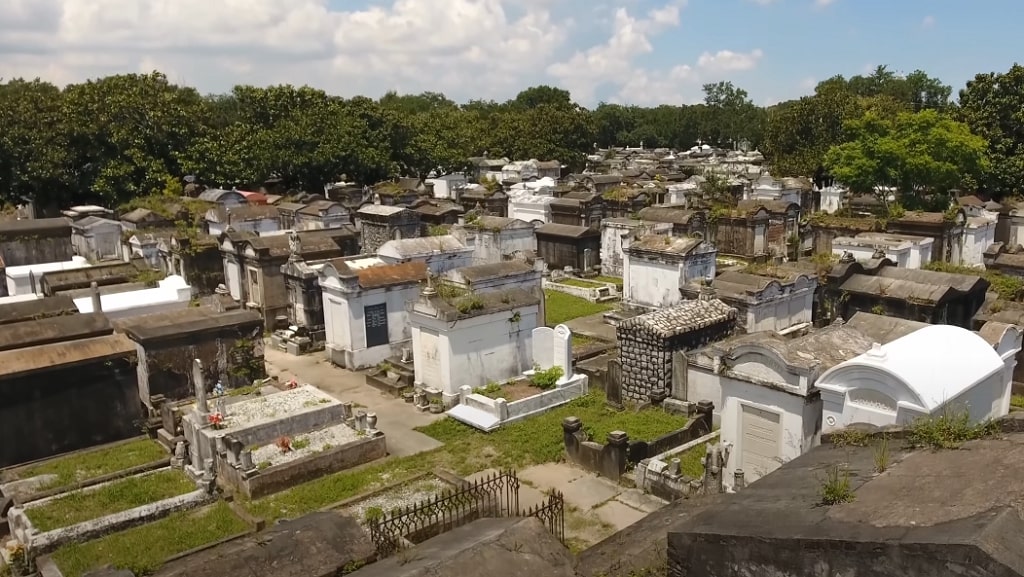
New Orleans cemeteries are not merely places of rest; they are vibrant historical documents. They reflect the city’s multicultural heritage, with tombs bearing inscriptions in French, Spanish, Italian, and English, testament to the various immigrant groups who have called this city home. The architectural styles of the tombs themselves tell a story, ranging from simple, utilitarian structures to elaborate, mausoleum-like family monuments, mirroring the social and economic strata of the deceased.
The elaborate above-ground tombs are a direct response to the unique environment, but they also speak to a cultural inclination to memorialize and honor the departed in a grand and visible manner. The idea of the “Cities of the Dead” is not just a poetic description but reflects a genuine civic pride and a deep-seated respect for ancestors. This cultural perspective means that the cemeteries are often seen as extensions of the living community, places where one might still connect with their heritage.
The Shadow of Voodoo and Folklore
New Orleans is famously associated with Voodoo, and its cemeteries have often been featured in folklore and popular culture as sites of mysterious rituals and supernatural activity. While the reality of Voodoo practices is often misunderstood and sensationalized, these associations contribute to the mystique and sometimes the perceived danger of the cemeteries.
Figures like Marie Laveau, the legendary Voodoo Queen, are buried in St. Louis Cemetery No. 1, and her tomb is a popular pilgrimage site. Visitors often leave offerings, and the rituals associated with visiting such graves, while generally harmless, can add to the atmosphere of mystery. It’s important for visitors to approach these cultural aspects with respect and an understanding that they are part of the rich cultural heritage of New Orleans, rather than solely as sources of fear or danger. The stories and legends, while captivating, should not overshadow the need for practical safety measures.
Ultimately, the “danger” of New Orleans cemeteries is a layered concept. It encompasses very real physical and security risks that require careful consideration and proactive measures. However, it is also interwoven with the unique cultural, historical, and environmental factors that make these sites so compelling. By understanding these layers – from the fragile structures and the humid climate to the potential for crime and the rich cultural narratives – travelers can plan a visit that is not only safe but also deeply enriching, allowing them to fully appreciate the solemn beauty and profound history of these extraordinary “Cities of the Dead.” A bit of caution, a lot of respect, and perhaps a good guide, are the best tools for navigating these unforgettable landmarks.
LifeOutOfTheBox is a participant in the Amazon Services LLC Associates Program, an affiliate advertising program designed to provide a means for sites to earn advertising fees by advertising and linking to Amazon.com. Amazon, the Amazon logo, AmazonSupply, and the AmazonSupply logo are trademarks of Amazon.com, Inc. or its affiliates. As an Amazon Associate we earn affiliate commissions from qualifying purchases.