
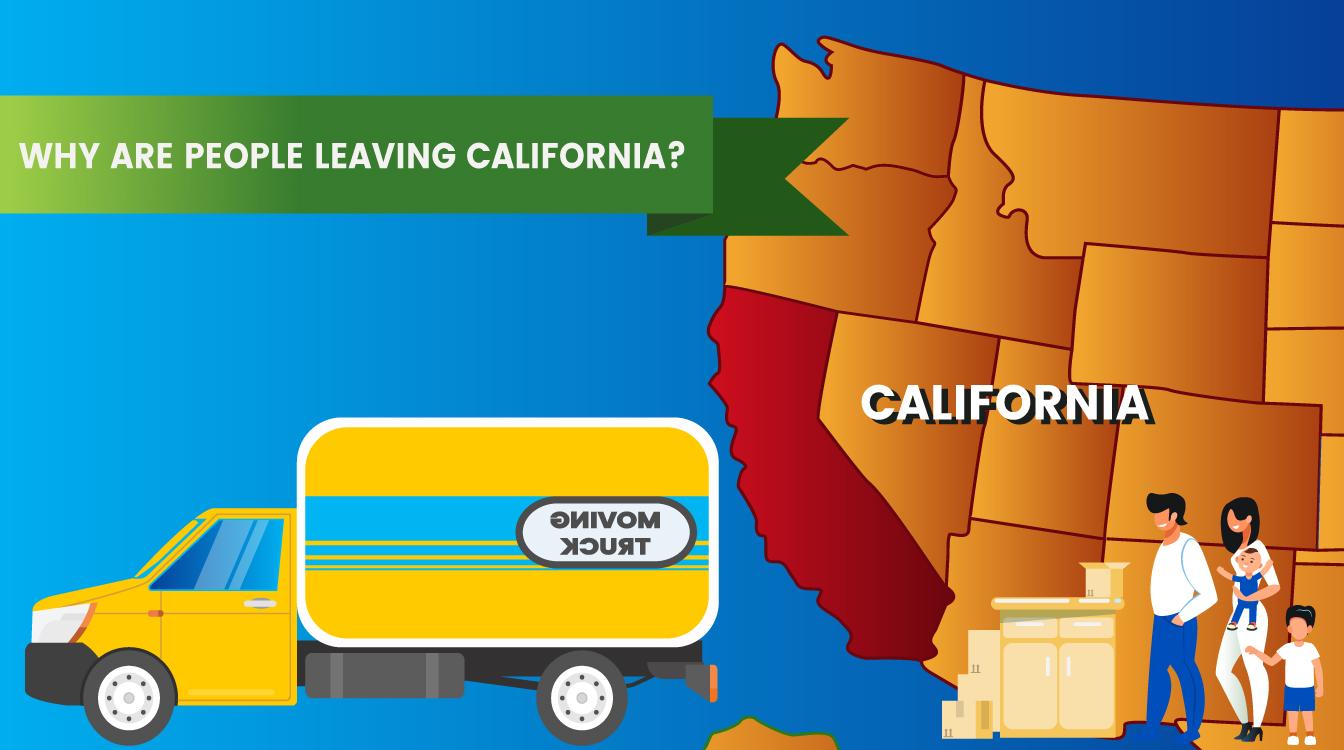
The Golden State, long a beacon of opportunity, innovation, and unparalleled natural beauty, has been experiencing a significant outflow of residents. This demographic shift, often termed “CalExodus,” is a complex phenomenon with multifaceted drivers. While California continues to attract millions with its iconic landscapes, vibrant culture, and leading industries, an increasing number of individuals and families are choosing to relocate, seeking different opportunities and lifestyles. Understanding the reasons behind this migration is crucial for appreciating the evolving economic and social fabric of both California and the nation. This exploration delves into the primary factors influencing this trend, focusing on the financial, practical, and aspirational considerations that are reshaping where Americans call home.

The Unfolding Economic Landscape
At the forefront of the California exodus is a powerful combination of high costs of living and a shifting economic landscape that makes alternative locations increasingly attractive. The Golden State is renowned for its economic dynamism, particularly in sectors like technology, entertainment, and agriculture. However, this success has come at a steep price for its residents.
The Steep Climb of Housing Costs
Housing in California is, by many measures, the most expensive in the United States. Major metropolitan areas like Los Angeles, San Francisco, and San Diego consistently rank among the priciest real estate markets. The median home price can easily run into the millions, making homeownership an unattainable dream for many, even those with comfortable incomes. Rent prices are similarly exorbitant, consuming a disproportionate amount of household budgets. This financial strain forces many to make difficult choices, often prioritizing financial stability and the prospect of building wealth over remaining in a place they love. The dream of owning a home, a cornerstone of the American lifestyle for many, becomes a distant fantasy when faced with such astronomical figures. This pressure is not confined to the wealthy; it impacts young professionals, families, and essential workers alike, pushing them to seek more affordable housing markets where their earnings can stretch further. The ability to secure a more substantial living space, or simply to afford a decent roof over one’s head without perpetual financial anxiety, is a primary motivator for relocation.
The Burden of a High Tax Structure
Beyond housing, California’s tax structure is another significant factor contributing to the outflow. The state imposes some of the highest income tax rates in the nation, particularly for high earners. Coupled with high property taxes (though often mitigated by Proposition 13’s protections for long-term owners) and sales taxes, the overall tax burden can be substantial. For businesses, especially those in competitive sectors, this can translate into higher operating costs and reduced profitability, prompting some companies to explore more tax-friendly environments. This can, in turn, lead to job losses or a slower pace of job creation, further impacting residents’ financial well-being. The perception of taxes not aligning with perceived returns in public services – such as infrastructure or education – can also fuel dissatisfaction and a desire to relocate to states where taxes are perceived to be lower or more equitably applied. For many, the allure of keeping a larger portion of their hard-earned income is a powerful incentive to move, especially when combined with the other financial advantages offered elsewhere.
Shifting Economic Opportunities
While California remains an economic powerhouse, the nature of opportunity is evolving. The rise of remote work has untethered many professionals from their physical office locations. This liberation allows individuals to seek a lower cost of living and a higher quality of life in states that may not have historically been considered major economic hubs. Furthermore, other states are actively working to attract businesses and talent, offering incentives and developing their own tech and innovation ecosystems. The growth of industries in places like Texas (particularly in cities like Austin and Dallas), Florida, and the Mountain West region means that the traditional geographic concentration of high-paying jobs is becoming less absolute. This diversification of economic opportunity reduces the necessity of living in California solely for career advancement.
Quality of Life and Lifestyle Preferences
Beyond purely financial considerations, a significant portion of the California diaspora cites a desire for a different quality of life and a preference for alternative lifestyle attributes. These factors, while perhaps less quantifiable than tax rates or housing prices, are deeply personal and profoundly influential in migration decisions.
The Search for Space and a Slower Pace

California’s most desirable areas are often characterized by dense populations and a fast-paced urban lifestyle. For many, the constant hustle, traffic congestion, and limited personal space become wearisome. They yearn for a more relaxed pace of life, more room to breathe, and greater access to nature without the crowds. This often translates into a desire for larger homes with yards, a less frenetic daily commute, and a general sense of tranquility. The appeal of suburban or rural settings, or even smaller cities with a more community-focused atmosphere, grows stronger. This includes seeking environments where children might have more freedom to play outdoors and where neighbors are more likely to know and interact with one another. The idea of a “better work-life balance” is frequently cited, where the gains made financially are not completely consumed by the stress and demands of high-density living.
Environmental Considerations and Natural Amenities
While California boasts breathtaking natural beauty, from the Pacific Ocean to the Sierra Nevada mountains, it also faces environmental challenges. Issues such as drought, wildfires, and air quality can impact the daily lives of residents. For some, the increasing frequency and severity of these events are a growing concern, prompting them to seek regions perceived as less vulnerable or where the natural environment is more resilient. Conversely, other regions are attracting people with their own unique environmental charms and outdoor recreational opportunities, often with fewer associated environmental risks. This can include states with four distinct seasons, abundant water resources, or vast, undeveloped wilderness areas that offer a different kind of connection to nature. The desire for a predictable and healthy natural environment, free from the immediate threats of climate-related disasters, is a growing consideration.
Perceived Declines in Public Services and Safety
Another frequently mentioned concern among those leaving California is a perceived decline in the quality or accessibility of public services, including education and public safety. While California has many excellent schools and safe communities, concerns about overcrowding, underfunding, and increasing crime rates in certain areas can be significant drivers for families. Many relocate with the explicit goal of finding better school districts for their children or living in communities they perceive as safer and more family-friendly. This aspiration is not necessarily a reflection of reality across the entire state, but rather a subjective feeling of dissatisfaction or a desire for what other states might offer in these critical areas. The perception of these issues, whether entirely accurate or not, plays a powerful role in shaping migration decisions.
The Rise of Alternative Destinations
The outflow from California has created opportunities and growth for numerous other states and cities, which are actively positioning themselves as attractive alternatives. This shift is rebalancing the national demographic map and fostering new economic and cultural centers.
Emerging Tech Hubs and Business-Friendly Climates
States like Texas, with its low corporate taxes and booming tech scene in cities like Austin and Dallas, have become magnets for businesses and professionals. Colorado, with its growing tech sector and attractive lifestyle, and Utah, known for its burgeoning startup culture, are also drawing talent. These areas often offer a more competitive business environment with lower regulatory hurdles and a more favorable tax climate, making them appealing for entrepreneurs and established companies alike. The availability of venture capital and a skilled workforce is increasingly being cultivated in these new hubs, challenging California’s long-held dominance.
Lifestyle Appeal in Neighboring and Midwestern States
Beyond the traditional “lifestyle” states, there’s a growing appreciation for the affordability and quality of life offered by many Midwestern states. Cities like Boise, Indianapolis, and Nashville are gaining traction, offering a lower cost of living, strong job markets in certain sectors, and a more traditional, community-oriented lifestyle. These destinations often provide the space, affordability, and slower pace that many are seeking, coupled with increasingly vibrant cultural scenes and amenities. For families, the prospect of affording a larger home and having more disposable income can be a significant draw.
The Remote Work Revolution and Geographic Freedom
The widespread adoption of remote work policies has been a game-changer, granting individuals unprecedented geographic freedom. Professionals no longer need to be tethered to expensive, high-cost-of-living areas to pursue lucrative careers. This has enabled many to relocate to smaller towns, more rural areas, or states with a lower overall cost of living, while still maintaining their professional careers. This trend is not only affecting individual choices but also influencing urban planning and economic development strategies in areas that are now seeing an influx of remote workers. The ability to “work from anywhere” has fundamentally altered the calculus of where to live for a significant segment of the population, breaking down the traditional barriers that once tied employment to specific metropolitan centers.
In conclusion, the decision to move out of California is rarely driven by a single factor. It is typically a confluence of economic pressures, a desire for a different lifestyle, and the emergence of compelling alternatives. While California remains an attractive destination for many, these evolving trends highlight a broader national conversation about affordability, quality of life, and the changing nature of work and opportunity in the 21st century.
LifeOutOfTheBox is a participant in the Amazon Services LLC Associates Program, an affiliate advertising program designed to provide a means for sites to earn advertising fees by advertising and linking to Amazon.com. Amazon, the Amazon logo, AmazonSupply, and the AmazonSupply logo are trademarks of Amazon.com, Inc. or its affiliates. As an Amazon Associate we earn affiliate commissions from qualifying purchases.