
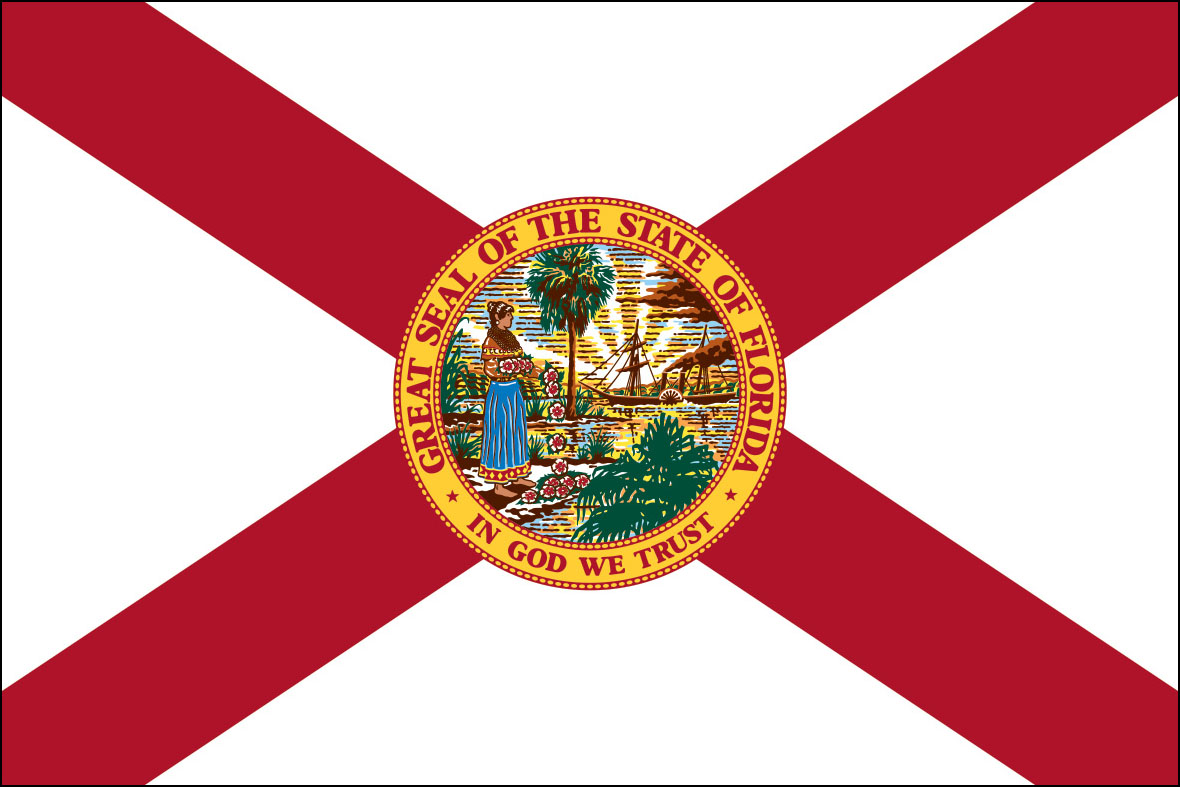
For visitors exploring the sunny shores and vibrant cities of Florida, encountering flags flown at half-mast can be a moment of sudden contemplation, prompting questions about the state’s mood or recent events. This seemingly simple act carries deep cultural and historical significance, often serving as a visible symbol of mourning, respect, or remembrance. As a traveler immersed in the local culture, understanding why flags are lowered can provide a profound insight into the community’s values and its response to significant occurrences, whether local, state-wide, or national. It’s an unspoken signal that a moment of reflection is underway, a shared sentiment that transcends language and background.
Understanding the Tradition of Half-Mast Flags
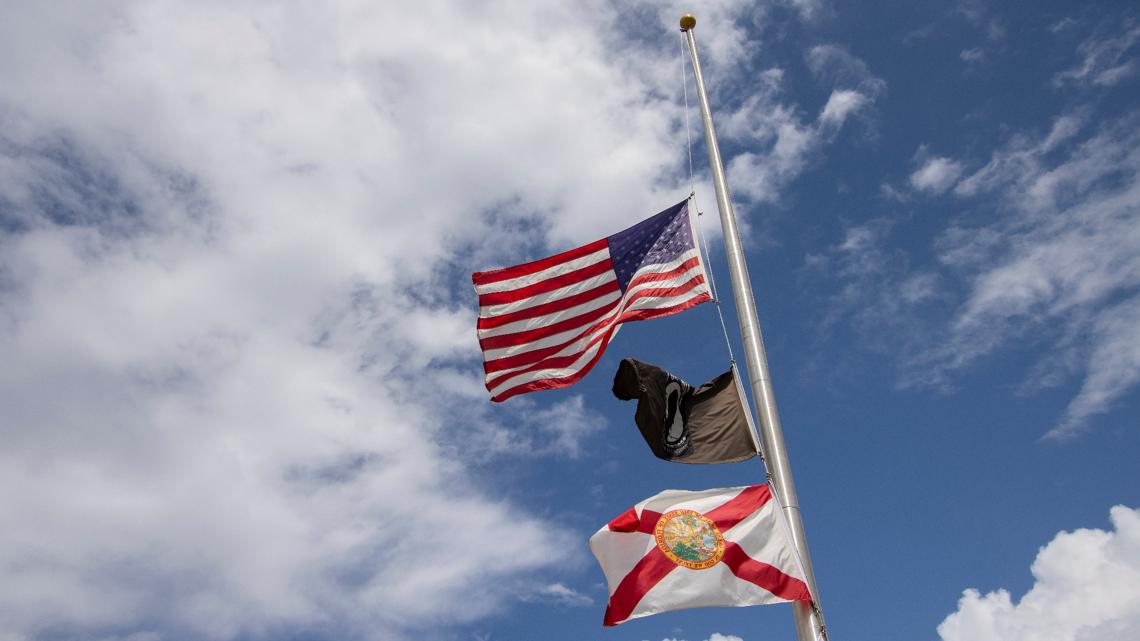
The practice of flying flags at half-mast (or half-staff, as it’s often referred to for flags flown on land) is a solemn tradition with roots stretching back centuries. It is universally recognized as a symbol of mourning, respect, or distress, a visual declaration that a community or nation is experiencing a loss or commemorating a significant tragedy. When the flag is lowered, it is conceptually indicating that “the flag is in mourning” along with the people it represents, or that it is flying at the position of an “invisible flag of death” above it. This tradition is not unique to the United States but is observed in various forms across the globe.
In the context of the United States, the guidelines for flying flags at half-mast are formalized under the United States Flag Code. This code provides specific protocols for when and how the national flag, and by extension, state flags, should be displayed in such a manner. When ordered to half-mast, the flag should first be hoisted briskly to the peak for an instant, then slowly lowered to the half-mast position. When it is time to be lowered for the day, it should again be briskly raised to the peak before being slowly lowered for removal. This ceremonial precision underscores the gravity and respect associated with the practice. For tourists, witnessing this solemn display offers a quiet opportunity to acknowledge shared human experiences, even in a foreign place, and to appreciate the depth of feeling a community might be expressing. It’s a moment to pause from the typical tourist itinerary and connect with the deeper rhythm of local life.
Historical Context and Global Parallels
The custom of lowering flags as a sign of mourning dates back to the 17th century. One of the earliest recorded instances involved a British ship whose captain lowered his flag to half-mast to mourn the death of a fellow captain. The tradition soon spread, evolving into the universally recognized symbol it is today. Globally, variations exist, but the core meaning remains consistent: a public demonstration of grief, solidarity, or remembrance. In some cultures, flags might be draped in black, or specific national symbols might be displayed in conjunction with a lowered flag. Understanding this historical lineage helps to contextualize the deep-seated respect and formality associated with the act in Florida and across the United States. It highlights that while you might be on vacation, you are also observing a community’s adherence to long-standing cultural practices and expressions of collective sentiment.
Who Orders Flags to Half-Mast in Florida?
The authority to order flags to be flown at half-mast in Florida rests with specific high-ranking officials, depending on the scope and nature of the event being commemorated. This hierarchical structure ensures consistency and appropriate reverence for the occasions deemed worthy of such a solemn honor.
The Role of the President of the United States
The most widespread orders for flags to be flown at half-mast come from the President of the United States. Presidential proclamations typically apply to all federal buildings, military installations, and often strongly encourage state and local governments, as well as private citizens, to follow suit. These orders are usually issued for significant national tragedies, such as the death of a prominent federal official (a former president, vice president, Supreme Court Justice, or member of Congress), a national day of remembrance (like Pearl Harbor Day or 9/11 Remembrance Day), or in response to mass casualty events that impact the entire nation. When the President of the United States issues such an order, flags across Florida will follow suit, transforming the Sunshine State into a unified expression of national mourning or commemoration. For a tourist, this signifies a moment of nationwide pause, a shared experience with all Americans, regardless of their current location.
The Governor’s Authority in Florida
While presidential orders are national in scope, the Governor of Florida also possesses the authority to order flags within the state to be flown at half-mast. The Governor of Florida’s directives typically apply to all state buildings, agencies, and public institutions, and often encourage local governments and private entities to comply. These gubernatorial orders are usually issued for events of particular significance to Florida. This could include the death of a current or former state official, a local tragedy, or to honor fallen first responders or military personnel from the state. For instance, if a long-serving state legislator passes away, or if there’s a significant incident affecting a Florida community like Miami or Orlando, the Governor of Florida may issue such an order. This localized directive highlights the state’s capacity for independent grief and remembrance, often reflecting a tighter-knit community response to its own losses.
Common Occasions for Lowered Flags
The reasons behind a half-mast flag display are varied, but they generally fall into categories of national mourning, state-level remembrance, or specific days of honor. Recognizing these common occasions helps travelers understand the context of what they are observing.
National Days of Remembrance
Several dates throughout the year are designated by federal law or long-standing tradition for flags to be flown at half-mast across the United States, including in Florida. These days are meant to honor specific groups or commemorate pivotal national events:

- Memorial Day: On the last Monday of May, flags are flown at half-mast from sunrise until noon to honor those who died while serving in the United States military. At noon, they are then raised to full-staff for the remainder of the day.
- 9/11 Patriot Day: On September 11th each year, flags are flown at half-mast to commemorate the victims of the 2001 terrorist attacks.
- Pearl Harbor Remembrance Day: On December 7th, flags are flown at half-mast to honor those who died in the attack on Pearl Harbor in 1941.
- Peace Officers Memorial Day: May 15th sees flags at half-mast to honor federal, state, and local peace officers who have died or been disabled in the line of duty.
These national days are pre-scheduled, meaning that if you are visiting Florida on one of these dates, you can expect to see flags lowered as a matter of course. It’s a powerful cultural experience, demonstrating a collective national memory and reverence.
Deaths of Public Figures and Tragic Events
Beyond scheduled national days, the most common reason for flags to be lowered is the death of a significant public figure or in response to a tragic event.
- Presidential/Gubernatorial Orders for Deceased Officials: The passing of a current or former President of the United States, Vice President, Chief Justice, Speaker of the House, or a state Governor or other high-ranking official, will invariably lead to a half-mast order for a specified period, often 30 days for a former president, or until interment for other dignitaries.
- Fallen Heroes: Orders are frequently issued to honor fallen police officers, firefighters, or military personnel, especially those from Florida. These gestures are deeply meaningful to local communities and reflect the profound respect for those who serve and sacrifice.
- Mass Casualty Events: In the aftermath of significant tragedies, such as mass shootings or natural disasters resulting in substantial loss of life, both presidential and gubernatorial orders may be issued out of respect for the victims. These can be poignant reminders of the fragility of life and the resilience of community spirit.
If you encounter flags at half-mast outside of a nationally recognized day, it is highly probable that a recent tragedy or the passing of a notable individual has prompted the order. This makes it an opportune moment to check local news sources or observe local responses to gain a deeper understanding of the community’s experience.
Cultural Significance for Visitors to Florida
For a tourist, encountering flags at half-mast in Florida is more than just observing a custom; it’s an opportunity for a unique cultural immersion. It provides a window into the collective consciousness of the state and the nation, offering insights beyond typical tourist attractions.
Experiencing Shared Grief and Respect
When flags are lowered, it signifies a shared moment of solemnity. Whether you’re strolling through St. Augustine‘s historic streets, enjoying the theme parks in Orlando, or relaxing on the beaches of Sarasota, this visual cue can subtly shift the atmosphere. It invites visitors to pause, reflect, and perhaps even feel a connection to the local community’s experience. This shared moment of respect, even for a transient visitor, enriches the travel experience by adding a layer of depth and authenticity that goes beyond superficial sightseeing. It allows you to feel the pulse of the community, to understand that even in a place renowned for its vibrant leisure, there are moments of profound collective sentiment.
Understanding Local Responses and Values
The specific reasons behind a half-mast order can reveal much about what a community values. For example, if flags are lowered for a fallen police officer in Tampa, it underscores the community’s respect for law enforcement. If it’s for a local community leader in Tallahassee, it highlights the importance of civic engagement and local leadership. By understanding these reasons, visitors gain a more nuanced appreciation of Florida’s diverse cultural fabric, its priorities, and how its citizens collectively process significant events. This engagement with local values provides a richer and more empathetic understanding of your destination, moving beyond the curated experiences often presented to tourists.
How to Stay Informed While Traveling
For curious travelers, understanding why flags are at half-mast can be a natural extension of exploring local culture. Staying informed is relatively easy and can deepen your understanding of the context.
Utilizing Local News and Official Channels
The quickest way to ascertain the reason behind flags being at half-mast is to check local news sources. Websites for Florida-based newspapers, television stations, or reputable online news portals will typically report on such official proclamations. State government websites, particularly the Governor’s office, will also publish executive orders detailing why and for how long flags are to be lowered. These official announcements are usually very clear about the individuals being honored or the event being commemorated, providing precise details about the duration of the half-mast period.
Observing Community Behavior
Beyond official channels, simply observing the local community’s behavior can also offer clues. A solemn atmosphere, increased news coverage on a particular event, or discussions among locals might quickly reveal the reason behind the lowered flags. Engage with hotel staff, local shopkeepers, or tour guides; they are often well-informed about local happenings and can provide valuable context. This form of organic inquiry not only helps you understand the flag situation but also fosters genuine interactions with the people of Florida, enhancing your overall travel experience. Ultimately, encountering flags at half-mast in Florida is an invitation to engage more deeply with your surroundings, to move beyond the superficial, and to appreciate the profound cultural tapestry that makes the Sunshine State much more than just a vacation destination.
LifeOutOfTheBox is a participant in the Amazon Services LLC Associates Program, an affiliate advertising program designed to provide a means for sites to earn advertising fees by advertising and linking to Amazon.com. Amazon, the Amazon logo, AmazonSupply, and the AmazonSupply logo are trademarks of Amazon.com, Inc. or its affiliates. As an Amazon Associate we earn affiliate commissions from qualifying purchases.