
While the roar of the crowd at Dodger Stadium and the sight of the iconic blue uniforms are synonymous with baseball excellence in Los Angeles, the team’s name, “Dodgers,” carries a history that stretches back far beyond the sunny shores of Southern California. It’s a moniker that speaks to a heritage rooted in the bustling streets of Brooklyn, a testament to the team’s journey and evolution.
From Trolley Dodgers to Bums: A Brooklyn Legacy
The story of the Dodgers’ name begins not with a baseball bat, but with a trolley car. Before their legendary move to the West Coast, the team was known as the Brooklyn Trolley Dodgers. This name was a direct reflection of the city’s transportation system in the late 19th and early 20th centuries. Brooklyn was a rapidly growing borough, and its streets were crisscrossed with trolley tracks. Navigating these busy thoroughfares required a certain agility and awareness, as pedestrians and vehicles alike had to “dodge” the oncoming trolleys.
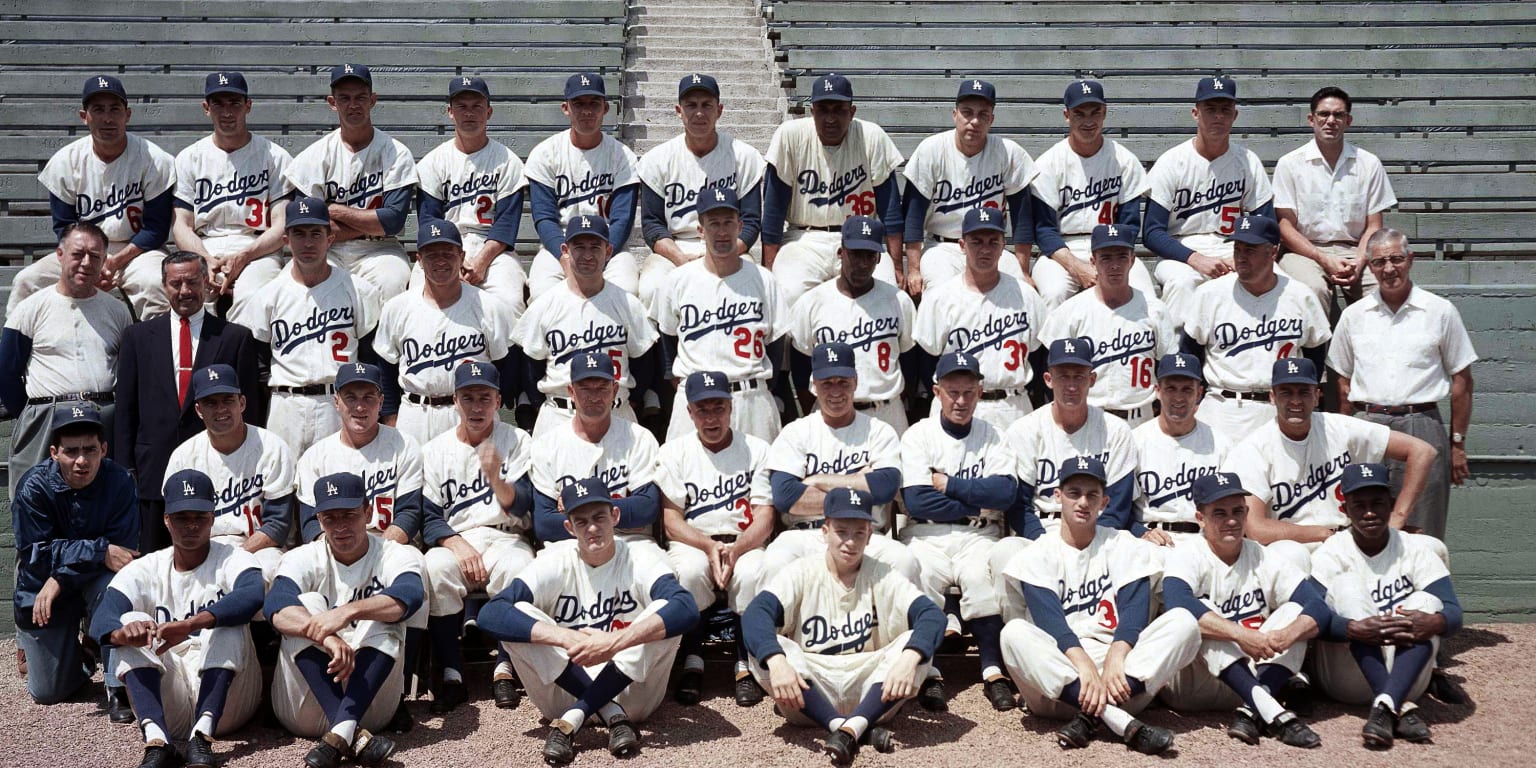
The early iterations of the team bore names like the Brooklyn Grays, the Brooklyn Bridegrooms (named after a wedding that occurred during their winning streak), and the Brooklyn Superbas (named after a popular vaudeville act). However, it was in 1911 that the name “Dodgers” truly took hold and became permanently associated with the franchise. The fans, who had a reputation for their passionate and vocal support, embraced the nickname “Trolley Dodgers,” and the team officially adopted it. This name perfectly captured the spirited, resilient, and urban character of the team and its fanbase.
The “Bums” and the Rise of an Icon
While “Dodgers” was the official name, the team and its players were also affectionately known as “The Bums” by many of their loyal followers. This moniker, often bestowed upon teams facing adversity or perceived as underdogs, was worn with a certain pride. It signified a connection to the common person, a team that fought hard and played with heart, resonating with the working-class roots of many Brooklyn residents. This dual identity – the official “Dodgers” and the endearing “Bums” – only solidified the team’s unique place in the hearts of their fans. It was a name that conveyed a sense of belonging and a shared struggle, a feeling that would travel with the team across the country.

The transition from “Trolley Dodgers” to simply “Dodgers” was a natural evolution. As trolley cars became less prevalent, the “Trolley” part of the name began to fade, leaving the core identifier: “Dodgers.” This streamlined name maintained the essence of their urban origins and their ability to navigate challenges, a characteristic that would prove invaluable in the years to come. The team’s identity was deeply intertwined with the fabric of Brooklyn, a borough known for its grit, its diversity, and its unwavering spirit.
The Journey West: A New Era, A Familiar Name
The most significant chapter in the Dodgers’ history, and the one that directly links their Brooklyn past to their Los Angeles present, is their move to California in 1958. Led by Walter O’Malley, the team sought a new home, citing the lack of a suitable stadium and declining attendance in Brooklyn. After exploring various options, O’Malley secured a deal to bring the team to Los Angeles, marking a monumental shift in Major League Baseball.
The decision to move was met with heartbreak and outrage by Brooklyn fans, who felt a deep sense of betrayal. However, the franchise carried its beloved name and its rich history with it. The “Dodgers” name, so intrinsically linked to the team’s identity, was not something to be discarded. It represented decades of passionate play, memorable moments, and a unique connection with its fanbase. The name itself had become a landmark of sorts, a symbol of resilience and adaptation.

The Echo of Brooklyn in Los Angeles
Upon arriving in Los Angeles, the Dodgers continued to build on their legacy. While the urban landscape and the challenges of navigating were different from the trolley-laden streets of Brooklyn, the spirit of the “Dodger” remained. The team quickly established itself as a dominant force in baseball, capturing the hearts of a new generation of fans in Southern California. They played their early games at the historic Los Angeles Memorial Coliseum before moving to their purpose-built home, Dodger Stadium, in 1962. This stadium, a masterpiece of mid-century modern architecture, quickly became a landmark in its own right, drawing visitors from all over the world.
The move was not just a geographical relocation; it was an expansion of a legacy. The “Dodgers” were no longer just a Brooklyn team; they were a symbol of baseball’s growing reach and its ability to transcend regional boundaries. The name, once a local nickname born from the practicalities of city life, had become a globally recognized brand, representing excellence, tradition, and a fighting spirit. The transition proved that while locations and circumstances might change, the core identity and the enduring spirit of a team, encapsulated by its name, can endure and thrive. The allure of the team extended beyond the sport itself, becoming a point of pride and a source of shared experience for both locals and tourists visiting Los Angeles and seeking out its iconic landmarks and cultural experiences. The history of the Dodgers’ name is a fascinating microcosm of how identity is formed, preserved, and transplanted across different landscapes, much like travelers seeking new destinations and experiences.
LifeOutOfTheBox is a participant in the Amazon Services LLC Associates Program, an affiliate advertising program designed to provide a means for sites to earn advertising fees by advertising and linking to Amazon.com. Amazon, the Amazon logo, AmazonSupply, and the AmazonSupply logo are trademarks of Amazon.com, Inc. or its affiliates. As an Amazon Associate we earn affiliate commissions from qualifying purchases.