
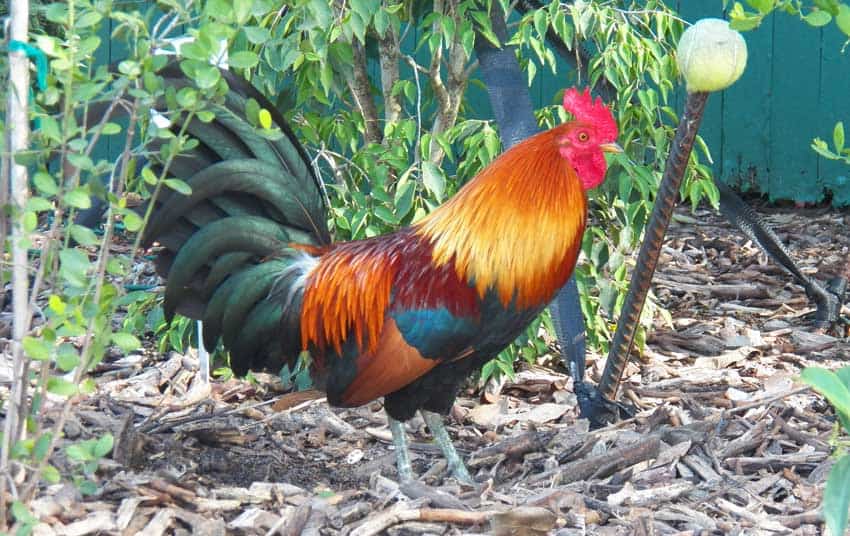
If you have ever strolled down the vibrant, sun-drenched streets of Key West, you have undoubtedly encountered its most colorful, vocal, and unexpected residents. They wander through the outdoor cafes of Duval Street, strut across the manicured lawns of the Ernest Hemingway Home and Museum, and roost in the branches of tropical trees with a nonchalance that suggests they own the island. These are the famous Key West chickens, a symbol of the Florida Keys that baffles tourists and delights locals. To understand why these birds have claimed this island as their kingdom, one must look at the intersection of history, survival, and the unique culture of South Florida.

A Legacy of Resilience and Migration
The presence of the Gypsy Chicken—a term often used to describe these birds—is not a recent development. Their history is woven into the maritime and agricultural fabric of the region. For centuries, chickens were a vital commodity for the residents of the United States.
Historical Agricultural Roots
During the 19th and early 20th centuries, families living in Key West kept chickens primarily for two reasons: sustenance and tradition. Chickens provided a fresh, reliable source of eggs and meat in a remote island community where grocery supplies were often limited or dependent on irregular ship schedules. Immigrants from Cuba, The Bahamas, and other Caribbean nations brought their traditions of backyard poultry farming with them.
The Shift to Wild Populations
As Key West transitioned from a bustling maritime hub to a modern tourist destination, the necessity of backyard farming faded. Many families abandoned their coops, or in some cases, the birds were intentionally released when laws regarding livestock within city limits changed. These birds, often of the Red Junglefowl lineage, proved remarkably adept at surviving in the wild. Lacking significant natural predators and benefiting from the tropical climate and the scraps provided by generous island residents, their population exploded. Over the decades, they adapted to life as “feral” creatures, becoming a permanent fixture of the local ecosystem.
The Cultural Identity of the Island
For many visitors, the sight of a rooster crowing at sunrise near Mallory Square is an essential part of the Florida experience. However, the birds represent more than just a photo opportunity; they are a testament to the live-and-let-live attitude that defines the Florida Keys.
The “Rooster” Debate
The coexistence between humans and chickens has not always been harmonious. While many locals view the birds as a quirky, protected attraction, others find them to be a nuisance, citing noise complaints and property damage. This tension has led to years of municipal debate regarding population control. Efforts to trap and relocate the birds to local sanctuaries, such as the Key West Wildlife Center, are frequently debated. Despite these discussions, the “gypsy chickens” have largely remained protected by public sentiment. Their status as a tourist draw has essentially granted them a permanent permit to remain on the streets.

Living in Harmony with Nature
The birds have become so integrated into the culture that they are rarely seen as pests by the long-term community. They are an accepted, if occasionally boisterous, part of the landscape. When dining in the historic district, it is common to see a hen and her chicks wandering beneath your table, hoping for a dropped crumb of Cuban bread. This level of proximity to wildlife is rare in the United States, and it contributes to the relaxed, unscripted atmosphere that defines the charm of Key West.
Ecological and Environmental Factors
It is worth noting that the chickens in Key West are not just “leftover” livestock; they are a species that has successfully claimed a specific ecological niche in an urban environment.
A Lack of Natural Predators
In most natural settings, chicken populations would be kept in check by foxes, coyotes, or hawks. On an isolated island like Key West, these specific terrestrial predators are absent. While there are local birds of prey and the occasional domestic cat, the chickens have found the urban maze of the city—with its dense foliage and protective porches—to be an ideal sanctuary. This lack of pressure allows them to breed and thrive in numbers that would be impossible elsewhere.
The Human Subsidy
A significant factor in the success of the island’s chicken population is the “human subsidy.” Tourists and locals alike often feed the birds, despite signs urging them not to. This steady supply of food, combined with the abundance of insects and fruit found in local gardens, ensures that the birds remain healthy and productive throughout the year. As long as they have access to food and shelter, they will continue to populate the streets of the Old Town district.
Protecting the Icon of the Keys
As tourism in Florida continues to grow, the management of the chickens has evolved into a delicate balance of preservation and regulation.
Conservation and Care
The Key West Wildlife Center plays a vital role in this balance. Rather than promoting eradication, the organization focuses on the rescue and rehabilitation of injured birds. They acknowledge that the chickens are an inseparable component of the Florida Keys cultural tapestry. By providing medical care for those injured by vehicles or natural causes, the community demonstrates a level of compassion that is rarely afforded to “feral” animals.
A Symbol for Future Generations
Whether you view them as a charming nuisance or an endearing quirk, the chickens are here to stay. They serve as a living, breathing link to the island’s past. Every time a rooster crows in the early morning air near the Southernmost Point Buoy, it serves as a reminder that Key West is a place that marches to the beat of its own drum. They are the feathered citizens of one of the most eccentric cities in the United States, and their presence continues to be a highlight for anyone wandering off the beaten path in this corner of North America.
As you walk through the shaded lanes, past historic wooden homes and lush, overgrown gardens, take a moment to observe these resilient creatures. They are the heartbeat of the island—a reminder that in the Florida Keys, nature always finds a way to make itself at home.
LifeOutOfTheBox is a participant in the Amazon Services LLC Associates Program, an affiliate advertising program designed to provide a means for sites to earn advertising fees by advertising and linking to Amazon.com. Amazon, the Amazon logo, AmazonSupply, and the AmazonSupply logo are trademarks of Amazon.com, Inc. or its affiliates. As an Amazon Associate we earn affiliate commissions from qualifying purchases.