
The Golden State, a land of dreams, dramatic coastlines, and towering redwoods, has unfortunately also become synonymous with another, more destructive force: wildfires. The question “Why Are There Fires In California?” is one that resonates deeply, not just with its residents but with anyone who has experienced or heard about the devastating infernos that frequently sweep across its diverse landscapes. This isn’t a simple meteorological anomaly; it’s a complex interplay of natural conditions and human influence that creates a volatile environment where fire thrives. Understanding these factors is crucial, especially for those planning travel or seeking accommodation in this picturesque yet fire-prone region.

California’s unique geography and climate create a perfect storm for wildfires. Vast tracts of undeveloped land, ranging from chaparral-covered hillsides to dense forests, are punctuated by sprawling urban and suburban areas. This wildland-urban interface is where many fires ignite and spread, posing significant risks to life and property. The state’s Mediterranean climate, characterized by hot, dry summers and mild, wet winters, means that vegetation is often parched for extended periods, making it highly susceptible to ignition.
The Natural Ingredients for Fire: Climate and Landscape
The Mediterranean Climate: A Dry Season’s Embrace
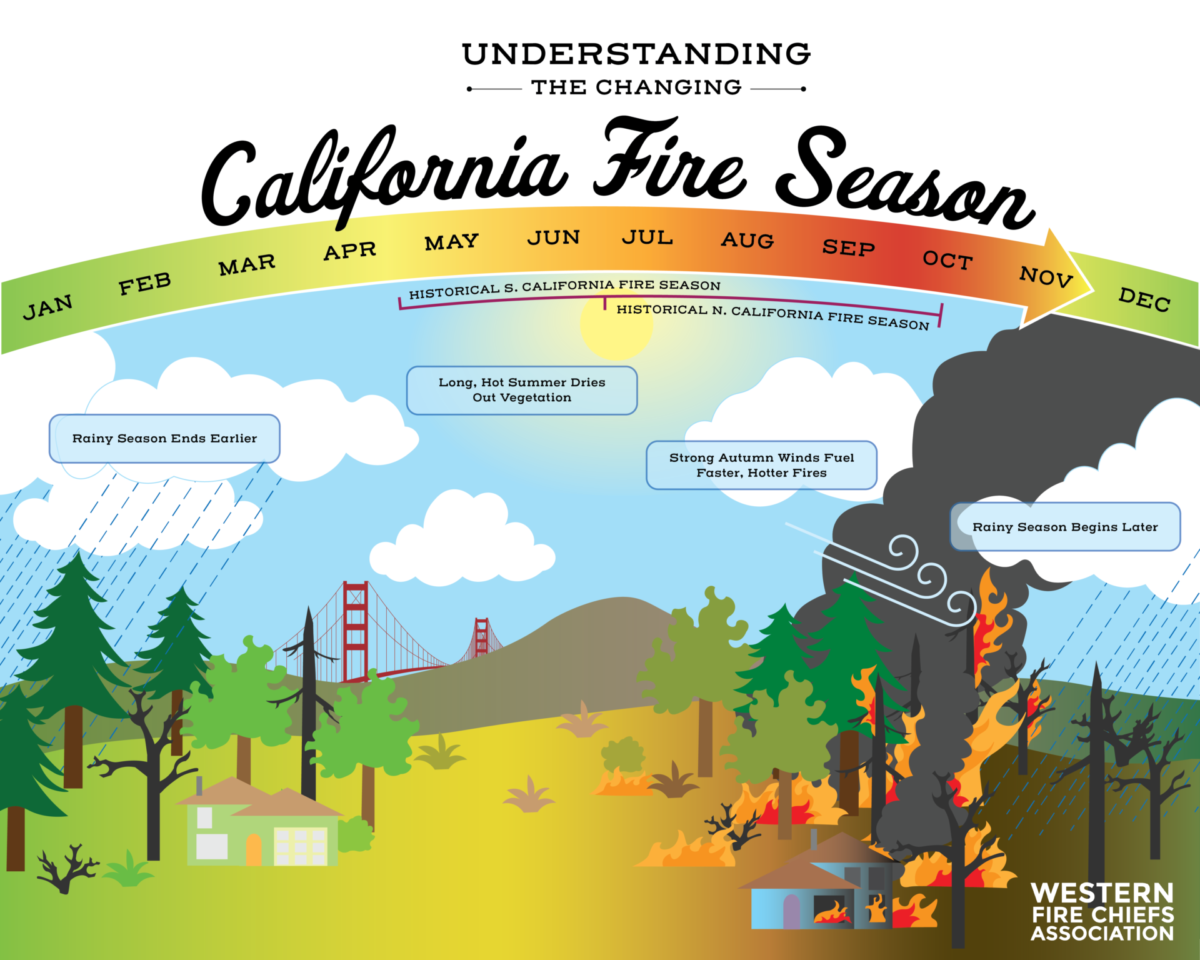
California’s climate is arguably the most significant natural contributor to its wildfire problem. The state enjoys a Mediterranean climate, a pattern shared with regions like the Mediterranean Basin, parts of Australia, and South Africa. This climate is defined by long, hot, and dry summers, followed by mild, wet winters. During the summer months, typically from May through October, rainfall is virtually nonexistent across much of the state. This prolonged dry spell bakes the vegetation, transforming lush green landscapes into tinderboxes.
The dry air, coupled with high temperatures, leeches moisture from plants, leaving them brittle and easily ignitable. This natural drying process is amplified by Santa Ana winds in Southern California and Diablo winds in Northern California. These are strong, dry, and often hot offshore winds that can rapidly fan existing fires and spread embers miles ahead of the main blaze, creating new ignition points and accelerating the fire’s destructive path. The intensity and duration of these dry periods are increasingly influenced by climate change, exacerbating the problem.
A Landscape Ripe for Burning: Vegetation and Topography
California is home to a diverse range of ecosystems, many of which are naturally adapted to fire. However, these very adaptations can contribute to the intensity of wildfires.
-
Chaparral: This dense, shrubland vegetation is prevalent throughout much of the state, especially in the foothills and coastal mountains. Chaparral plants are incredibly flammable due to their high oil content. They have evolved to thrive in a fire-prone environment, with some species even requiring fire to germinate their seeds. While historically fire was a natural part of the chaparral ecosystem, the increased frequency and intensity of fires can overwhelm its natural regenerative capacity.
-
Coniferous Forests: Vast expanses of coniferous forests, particularly in the mountainous regions like the Sierra Nevada and the Klamath Mountains, are also susceptible to wildfires. Trees like ponderosa pines and Douglas firs are adapted to fire, but when drought conditions are severe, and fuel loads are high, these forests can burn with extreme intensity. Dead trees, often a result of drought, insect infestations (like the bark beetle), and disease, add significant amounts of fuel to the forest floor and canopy, making fires harder to control and more destructive.
-
Grasslands: California’s extensive grasslands, especially in the interior valleys, can dry out rapidly during the summer and become highly flammable. These areas are prone to fast-moving fires, particularly when wind conditions are favorable for their spread.
The state’s topography also plays a critical role. Fires tend to spread faster uphill because heat rises, preheating vegetation above the flames. Steep canyons and ravines can channel winds, further intensifying fire behavior. This is why fires in the mountainous regions of Southern California, like the Santa Monica Mountains or the San Gabriel Mountains, can be particularly challenging to fight.
Human Influence: Ignition Sources and Management Practices
While nature provides the tinderbox, human activities are often the spark. Furthermore, how we manage these wildlands significantly impacts fire behavior.
The Human Spark: From Accidents to Intentional Acts
The vast majority of wildfires in California are human-caused. These ignitions can stem from a variety of sources:
-
Electrical Equipment: Power lines are a significant culprit. High winds can cause power lines to sway, break, or arc, igniting dry vegetation below. Companies like Pacific Gas and Electric have faced scrutiny and significant liability for fires attributed to their equipment, such as the devastating Camp Fire in 2018.
-
Campfires and Debris Burning: Careless disposal of campfires or the burning of yard waste without proper precautions can easily lead to escaped fires, especially during dry conditions.
-
Vehicles and Machinery: Sparks from vehicles, faulty mufflers, or machinery operating in dry, vegetated areas can ignite grasses and brush.
-
Arson: Unfortunately, some fires are intentionally set, posing a direct criminal threat and exacerbating the wildfire problem.
-
Fireworks: Especially around holidays like the Fourth of July, fireworks are a common ignition source, turning celebratory displays into dangerous wildfires.
-
Smoking: Discarded cigarette butts, particularly along roadsides, can smolder and ignite dry grass.
The presence of human settlements in or near wildland areas, known as the wildland-urban interface (WUI), means that these ignitions have a higher chance of impacting populated areas. Many of California’s most iconic cities, like Los Angeles and San Francisco, are bordered by fire-prone wildlands, making the risk of devastating fires a constant concern.
Wildfire Management: Fuel Loads and Suppression Strategies
Historical land management practices, coupled with the suppression of natural, low-intensity fires, have inadvertently contributed to the current wildfire crisis.
-
Fuel Accumulation: For decades, the prevailing fire management strategy was to suppress all fires as quickly as possible. While effective in the short term, this prevented the natural, low-intensity fires that would have cleared out accumulated dead vegetation and undergrowth. This has resulted in unnaturally dense fuel loads in many forests and shrublands, creating conditions for more intense and destructive wildfires.
-
Logging Practices: Changes in logging practices, including the removal of larger, fire-resistant trees and leaving behind smaller, more flammable debris, have also impacted fuel loads.
-
Forest Health: Droughts and pest infestations have weakened many forests, leading to an increase in dead trees, which act as highly flammable fuel.
Modern wildfire management now recognizes the importance of prescribed burns (controlled fires set intentionally under specific conditions to reduce fuel loads) and thinning operations to mimic natural fire cycles and restore forest health. However, implementing these strategies faces challenges, including public perception, regulatory hurdles, and the sheer scale of the problem.
The Role of Climate Change: An Accelerating Crisis
The undeniable specter of climate change looms large over California’s wildfire problem, acting as a threat multiplier that intensifies existing vulnerabilities.
Warmer Temperatures and Longer Droughts
Global warming is leading to hotter average temperatures across California. This intensifies evaporation, drying out vegetation and soils more rapidly. Longer and more severe drought periods are becoming the norm, creating ideal conditions for fires to ignite and spread. The traditional wet season, which historically helped to replenish moisture in the landscape, is also becoming less predictable, with more extreme swings between wet and dry periods.
Shifting Weather Patterns
Climate change is also altering weather patterns in ways that exacerbate fire risk. For instance, the intensity and frequency of extreme heat events are increasing. These heatwaves, combined with dry conditions, create extremely dangerous fire weather. Furthermore, changes in atmospheric circulation can influence the behavior of wind events like the Santa Ana winds, potentially making them stronger and more persistent.

Increased Fire Season Length
The combination of warmer temperatures and prolonged dry spells means that California’s fire season is effectively lengthening. What was once a distinct summer and fall fire season now often extends well into the winter months, leaving less time for recovery and increasing the overall annual risk.
The impact of climate change is not just theoretical; it’s evident in the scale and intensity of recent wildfires. Fires that were once considered extraordinary are becoming more common, pushing the boundaries of what firefighting resources can manage. For travelers and those seeking accommodation, this means a heightened awareness of fire risks, the potential for evacuations, and disruptions to travel plans. Understanding these underlying causes is essential for appreciating the challenges California faces and for making informed decisions when visiting or residing in this beautiful, but fire-prone, state. The ongoing efforts to mitigate these risks, through better land management, infrastructure improvements, and addressing climate change, are critical for the future of California.
LifeOutOfTheBox is a participant in the Amazon Services LLC Associates Program, an affiliate advertising program designed to provide a means for sites to earn advertising fees by advertising and linking to Amazon.com. Amazon, the Amazon logo, AmazonSupply, and the AmazonSupply logo are trademarks of Amazon.com, Inc. or its affiliates. As an Amazon Associate we earn affiliate commissions from qualifying purchases.