
Texas, a state renowned for its vast landscapes, vibrant culture, and distinctive charm, also plays host to an abundance of chirping residents: crickets. While their nightly serenade can be a quintessential part of the Texan experience, it often sparks a common question among visitors and locals alike: why does this particular state seem to attract such a significant cricket population? The answer lies in a complex interplay of climatic conditions, diverse habitats, and the inherent life cycles of these ubiquitous insects, all of which create an ideal environment for crickets to thrive across the Lone Star State.

The Texan Climate: A Cricket’s Paradise
The prevailing climate in Texas is arguably the most significant factor contributing to its substantial cricket population. Texas experiences a range of climatic zones, from the humid subtropical climate of East Texas to the arid and semi-arid conditions of West Texas. This climatic diversity, however, shares a common thread: warm temperatures and periods of rainfall, both of which are crucial for cricket reproduction and survival.
Temperature as a Catalyst
Crickets are ectothermic, meaning their body temperature is regulated by their external environment. They are most active and their reproductive cycles are most efficient within a specific temperature range. Texas’s long, hot summers provide precisely this ideal thermal window. The warmth encourages rapid development from egg to adult, and sustained high temperatures ensure that mating and egg-laying can occur over extended periods. Even the milder winters in much of the state prevent widespread mortality, allowing many species to overwinter in various life stages, ready to emerge with the returning warmth.
The Role of Humidity and Rainfall
While some cricket species are more adapted to drier conditions, many common Texas crickets, particularly field crickets, benefit from moderate to high humidity. The humid air helps to prevent desiccation, especially for the younger nymphs. Rainfall plays a dual role. Firstly, it provides moisture for the vegetation that serves as their food source and habitat. Secondly, and perhaps more importantly, it creates fertile, moist soil conditions, which are essential for female crickets to lay their eggs. In many parts of Texas, rainfall patterns, while sometimes erratic, often deliver the necessary moisture at opportune times for cricket breeding. The annual cycles of precipitation mean that suitable conditions for egg development and hatching are repeatedly created throughout the warmer months.
Seasonal Peaks and Enduring Presence
The combination of warmth and moisture leads to distinct seasonal peaks in cricket activity. While activity may lessen during the coldest parts of the year, the overall climate ensures that crickets are a present and active part of the Texan ecosystem for a significant portion of the year, often from spring through late fall. This prolonged active season allows for multiple generations to develop and contribute to the overall population size, leading to the perception of “so many crickets.”
Diverse Habitats: A Smorgasbord of Shelters
Beyond the overarching climate, the sheer geographical and ecological diversity of Texas offers an astonishing array of habitats that cater to the varied needs of different cricket species. From the dense woodlands of the Piney Woods to the rolling plains of the Hill Country and the scrublands of the Trans-Pecos, each environment provides unique opportunities for shelter, food, and reproduction for these resilient insects.
Urban and Suburban Niches
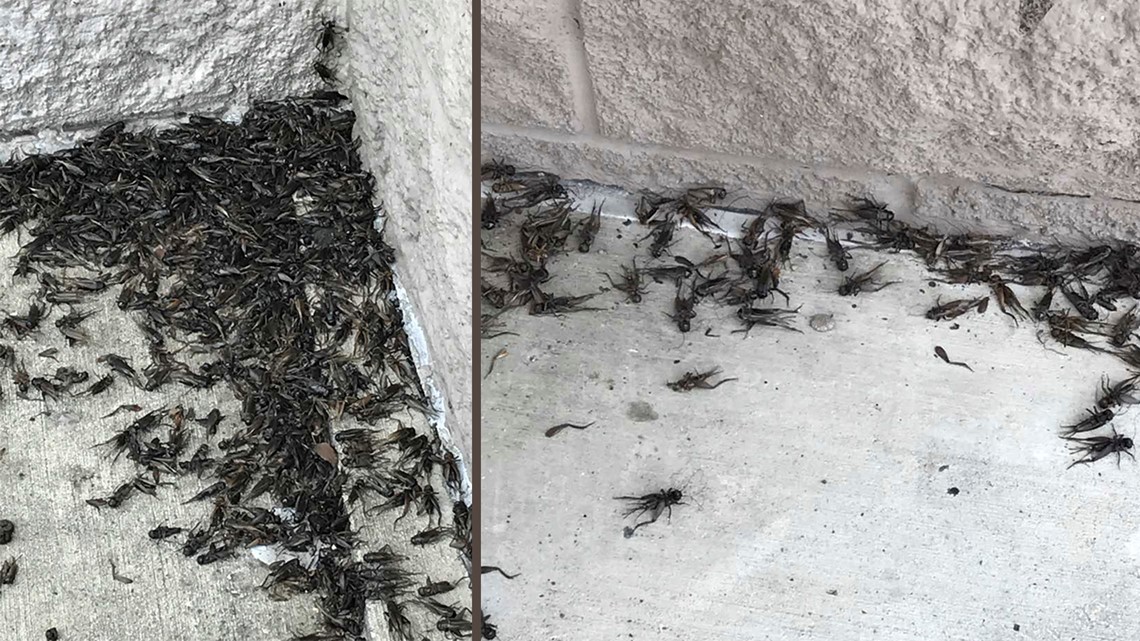
Even in the most developed areas, crickets find abundant living spaces. Urban and suburban environments offer a multitude of microhabitats:
- Gardens and Lawns: Well-maintained lawns, vegetable gardens, and ornamental flower beds provide ample food sources (grasses, leaves, decaying organic matter) and safe places to burrow.
- Mulch and Debris: Piles of mulch, leaf litter, and garden debris offer excellent shelter from predators and extreme weather, as well as a damp environment conducive to egg-laying.
- Structures: Cracks in foundations, crawl spaces, garages, and sheds provide dark, protected environments that mimic natural burrows. The warmth emanating from buildings can also extend their active season.
- Streetscapes: Even along roadways, the edges of grassy medians and neglected patches of vegetation can support cricket populations.
Rural and Natural Ecosystems
The vast undeveloped regions of Texas are even more densely populated with crickets, supporting a wider array of species and larger populations.
- Grasslands and Prairies: Extensive grasslands, common throughout much of Texas, are primary habitats for many field cricket species. The tall grasses offer camouflage, food, and protection.
- Forests and Woodlands: Deciduous and coniferous forests, particularly in East Texas, provide leaf litter, decaying wood, and a humid understory that is ideal for many ground-dwelling cricket species.
- Agricultural Lands: Farms and ranches, with their diverse crops and surrounding undeveloped areas, offer rich food sources and suitable nesting sites. Irrigated fields can particularly support robust populations.
- Arid and Semi-Arid Regions: Even the drier parts of West Texas host species adapted to these conditions. These crickets often burrow deep into the ground to access moisture or are crepuscular/nocturnal to avoid the heat of the day.
Aquatic and Semi-Aquatic Habitats
Certain cricket species, like the mole cricket, are adapted to environments with abundant moisture. Texas’s numerous rivers, lakes, and wetlands, along with irrigated agricultural areas, provide habitats for these specialized groups. Mole crickets, with their powerful forelegs, excavate extensive tunnel systems in moist soil, often near water sources, feeding on roots and other organic matter.
Cricket Biology and Behavior: Adapting to the Texan Way
The success of crickets in Texas is not solely a matter of environmental suitability; their inherent biology and behavioral adaptations play a crucial role. Crickets are remarkably prolific breeders, possess effective camouflage, and have life cycles that are well-synchronized with the Texan seasons.
Prolific Reproduction and Life Cycles
Most common cricket species have relatively short life cycles, allowing for rapid population growth. A female cricket can lay hundreds of eggs, typically deposited in moist soil or decaying organic matter. The nymphal stages are essentially miniature versions of the adults, undergoing several molts as they grow. This rapid reproduction rate means that even significant losses due to predation or environmental factors can be quickly compensated for by the emergence of new generations. The synchronized life cycles with the warmer, wetter periods of the year ensure that breeding conditions are consistently met.
Diet and Foraging
Crickets are omnivores and opportunistic feeders, contributing to their widespread presence. Their diet includes a variety of plant matter (seeds, leaves, stems, roots), fungi, decaying organic material, and even other insects or insect eggs. This broad diet means they can thrive in diverse environments where food resources are available. In Texas, this translates to abundant food in manicured lawns, wild prairies, forests, and agricultural fields, supporting large populations.
Nocturnal Activity and Sound Production
The familiar chirping of crickets is a key behavior that contributes to their noticeable presence. This sound is produced by males rubbing their wings together to attract females. This nocturnal activity serves multiple purposes:
- Avoiding Predators: Many predators that would prey on crickets are diurnal (active during the day). By being most active at night, crickets reduce their exposure to these threats.
- Escaping Heat: The cooler temperatures of the night offer a respite from the intense heat of the Texas sun, particularly during the summer months.
- Reproductive Signaling: The chirping is essential for mating and ensures that individuals can locate one another in the dark. The sheer volume of crickets in Texas means that their combined “song” can be quite pervasive, especially on warm, humid nights.
Adaptations to Specific Texas Conditions
Different cricket species have evolved specific adaptations to thrive in various Texan microclimates. For instance, some species found in the drier West Texas regions may have enhanced water conservation abilities or more robust burrowing behaviors. Conversely, species in the humid East Texas forests might be more adept at navigating dense undergrowth and utilizing decaying wood as habitat. This niche specialization allows for a greater diversity of cricket species and a higher overall population density across the state.
Understanding the “Cricket Chorus” in Texas
The experience of encountering so many crickets in Texas is a testament to the state’s favorable environmental conditions and the remarkable adaptability of these insects. From the sweltering heat of a summer evening in Houston to the quiet rustle of prairie grass near Amarillo, the ubiquitous chirping is a constant reminder of nature’s enduring presence. While their numbers might sometimes seem overwhelming, they are an integral part of the Texan ecosystem, playing roles as food sources for other wildlife and indicators of healthy habitats. So, the next time you hear the distinct “song” of Texas crickets, you can appreciate the fascinating confluence of climate, habitat, and biology that makes the Lone Star State such a hospitable home for them.
LifeOutOfTheBox is a participant in the Amazon Services LLC Associates Program, an affiliate advertising program designed to provide a means for sites to earn advertising fees by advertising and linking to Amazon.com. Amazon, the Amazon logo, AmazonSupply, and the AmazonSupply logo are trademarks of Amazon.com, Inc. or its affiliates. As an Amazon Associate we earn affiliate commissions from qualifying purchases.