
California, a land of sun-kissed beaches, towering redwoods, and vibrant cities, often evokes images of endless summer, iconic landmarks, and a laid-back lifestyle. From the star-studded boulevards of Los Angeles to the rolling vineyards of Napa Valley and the foggy charm of San Francisco, the Golden State is a dream destination for travelers seeking diverse experiences. Yet, beneath its picturesque facade and bustling urban centers lies a dynamic geological reality: California is a global hotspot for earthquakes. This frequent seismic activity often raises questions among visitors and prospective residents alike: Why does California experience so many earthquakes, and what does this mean for travel, accommodation, and daily life?
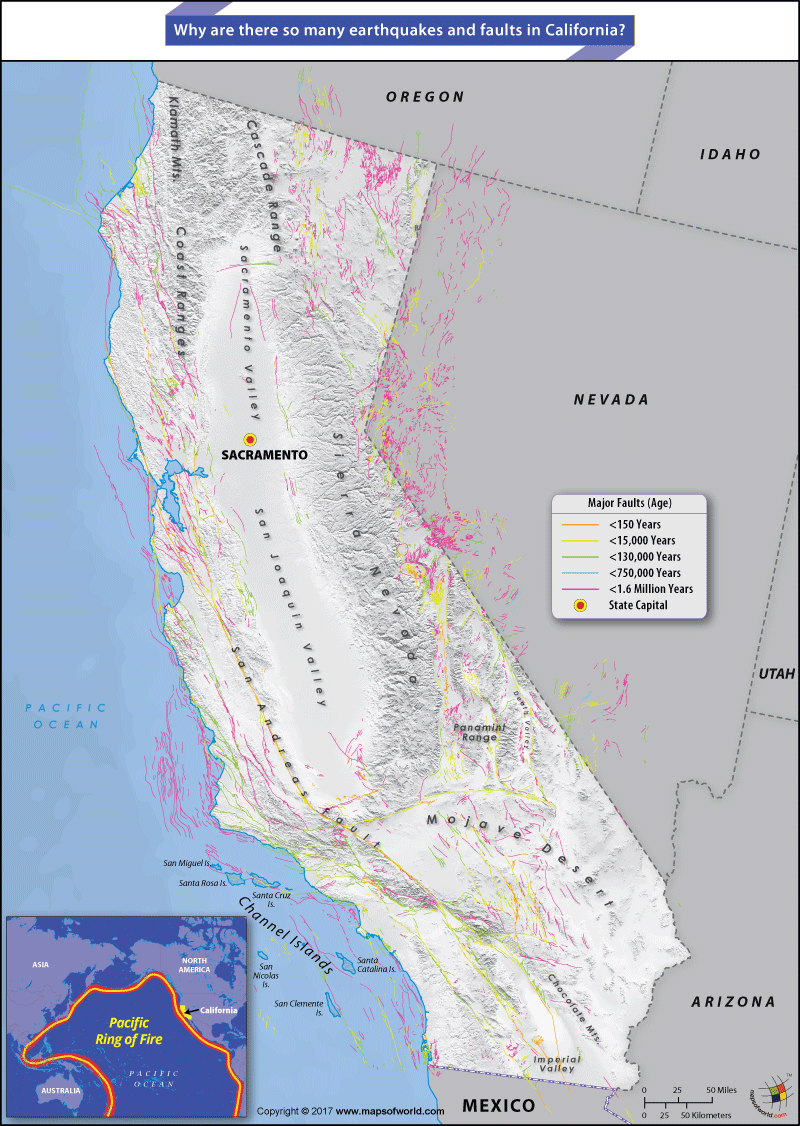
Understanding the geological forces at play is key to appreciating California’s unique position on Earth’s crust. Far from being a random occurrence, the tremors felt across the state are a direct consequence of its location along one of the most active tectonic plate boundaries in the world. This article will delve into the scientific reasons behind California’s seismic symphony, explore how the state has adapted to this geological reality, and provide insights for travelers looking to explore its wonders with peace of mind.
The Tectonic Dance: Unraveling California’s Geological Story
At the heart of California’s earthquake phenomenon lies the dynamic interaction of Earth’s colossal tectonic plates. The state sits at the volatile boundary between two of the largest plates: the Pacific Plate and the North American Plate. Unlike boundaries where plates collide (forming mountains) or pull apart (creating rift valleys), the boundary in California is primarily a transform fault. This means the two plates are grinding past each other horizontally.
The Mighty San Andreas Fault System
The most famous and significant player in California’s seismic activity is the San Andreas Fault. This immense scar across the landscape stretches for approximately 800 miles, from the Salton Sea in the south to Cape Mendocino in the north. It’s not a single, continuous line but rather a complex system of intertwined fault segments, each capable of generating powerful earthquakes.
The Pacific Plate, which carries the western part of California (including Los Angeles and San Francisco), is moving northwestward relative to the North American Plate, which holds the rest of the continent. This movement occurs at an average rate of about 2 inches (5 centimeters) per year—roughly the same speed at which your fingernails grow. While this might seem slow, over geological timescales, it adds up to significant displacement.
The problem arises because the plates don’t slide smoothly past each other. Friction causes them to lock up. As the plates continue their relentless motion, immense stress and strain build up in the Earth’s crust. When this accumulated stress finally overcomes the friction holding the rocks together, the rocks suddenly slip, releasing a tremendous amount of energy in the form of seismic waves. This sudden release is what we perceive as an earthquake. The larger the area of the fault that slips and the greater the accumulated stress, the more powerful the earthquake.
A Network of Interconnected Faults
While the San Andreas Fault is the most prominent, it’s far from the only active fault in California. The stresses from the main fault are distributed across a vast network of smaller, subsidiary faults that branch off or run parallel to it. These include:
- The Hayward Fault: Running through the densely populated East Bay region of San Francisco, this fault is considered one of the most dangerous, with a significant probability of a major earthquake in the near future.
- The San Jacinto Fault: Located south and east of Los Angeles, it’s one of the most seismically active faults in California, producing frequent moderate quakes.
- The Garlock Fault: An unusual left-lateral strike-slip fault that runs east-west, intersecting the San Andreas Fault in the Mojave Desert.
The presence of this intricate network means that seismic activity isn’t confined to a single line but can occur throughout much of the state, explaining why seemingly unrelated areas can experience tremors. The constant, albeit mostly minor, shaking is a testament to the ongoing geological processes reshaping California’s landscape.
Living with Tremors: Preparedness and Resilience in the Golden State
Given its geological reality, California has long been at the forefront of earthquake preparedness and seismic engineering. Living in an earthquake-prone region has fostered a culture of readiness, both among its residents and within its infrastructure. For travelers, understanding these measures can provide immense peace of mind and enhance the overall travel experience.
Earthquake Preparedness: Knowledge is Power
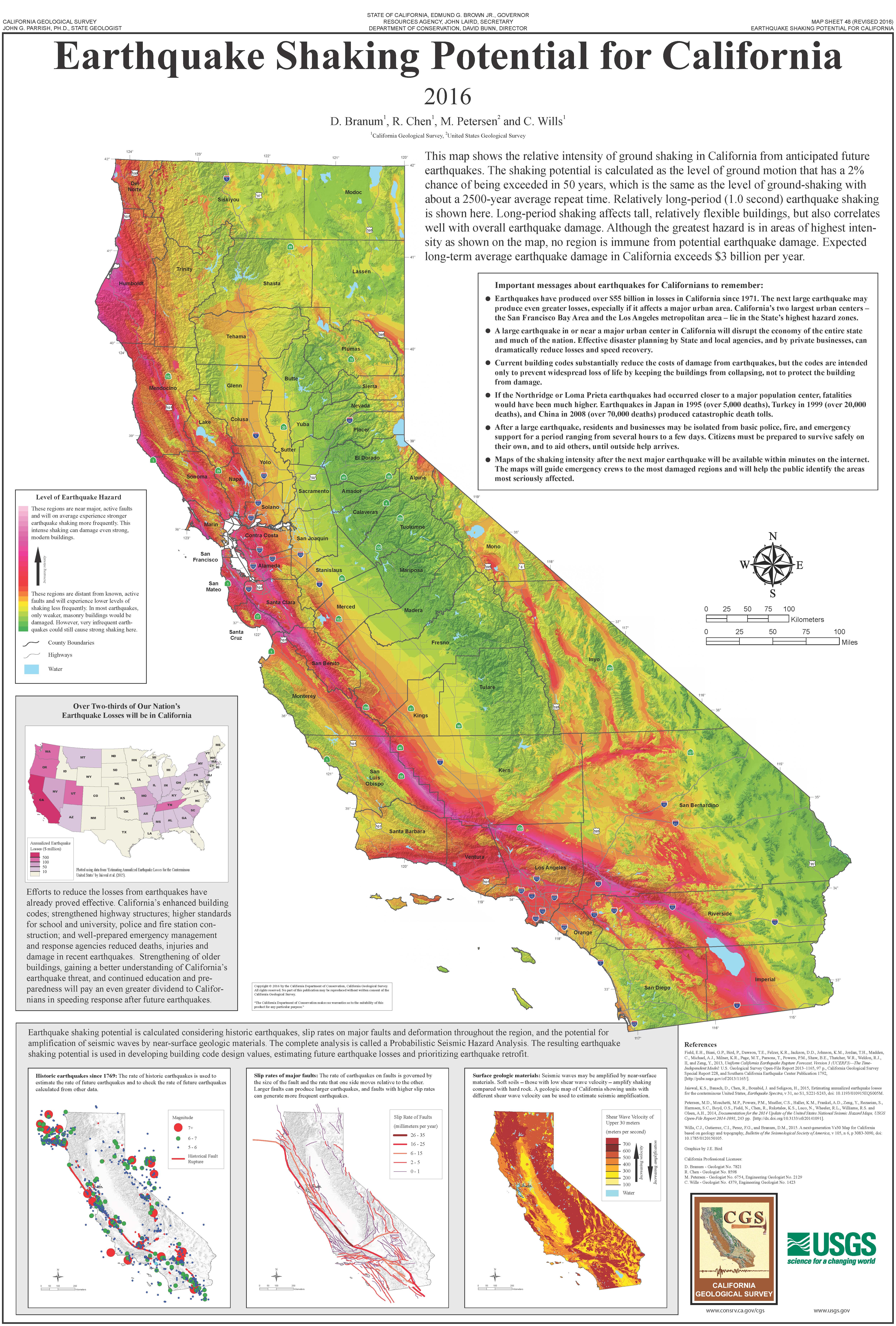
While major earthquakes are relatively infrequent, smaller tremors are a regular occurrence, often felt as a gentle rumble or a quick jolt. California residents and businesses are well-versed in “Drop, Cover, and Hold On,” the universally recommended action during an earthquake. For visitors, being aware of these simple steps is crucial:
- Drop: Immediately drop to the ground.
- Cover: Take cover under a sturdy desk or table, or against an interior wall if no furniture is available.
- Hold On: Hold on to your shelter until the shaking stops.
Many hotels and resorts across California provide safety information in rooms, often detailing emergency exits and assembly points. It’s also worth noting the development of early warning systems, such as “ShakeAlert,” which can provide seconds of warning before shaking begins, allowing people to take cover and automated systems to initiate safety protocols. This innovative technology is a game-changer for public safety and preparedness.
Building for Resilience: Seismic Engineering and Modern Infrastructure
One of the most impressive aspects of California’s adaptation to earthquakes is its commitment to seismic engineering. Building codes in California are among the strictest in the world, continuously updated and refined based on new scientific understanding and lessons learned from past events.
- Skyscrapers and Hotels: Modern high-rise buildings, including luxury hotels in Los Angeles, San Francisco, and San Diego, are designed with sophisticated seismic protection systems. These can include base isolation, which separates the building’s foundation from the ground using flexible bearings, allowing the structure to move independently of the shaking earth. Other techniques involve shear walls, moment-resisting frames, and damping systems that absorb seismic energy.
- Historic Landmarks and Retrofitting: Older, iconic landmarks such as the Golden Gate Bridge, historic government buildings in Sacramento, and charming historic districts in cities like Santa Barbara have undergone extensive seismic retrofitting. This involves strengthening their structures to withstand shaking, often incorporating modern materials and techniques while preserving their architectural integrity. For example, the Golden Gate Bridge itself has been extensively retrofitted to ensure its resilience against major seismic events.
- Infrastructure: Beyond buildings, vital infrastructure like bridges, highways, pipelines, and utility networks are also constructed and maintained with earthquake resistance in mind. This foresight ensures that critical services can be restored quickly, and transportation routes remain as safe as possible after an earthquake.
This proactive approach means that while earthquakes are an undeniable part of California’s landscape, the risk to life and property is significantly mitigated compared to many other seismically active regions globally. California has transformed its geological challenge into an opportunity for innovation in construction and safety.
Beyond the Tremors: Embracing California’s Enduring Allure
Despite the frequent seismic activity, California remains one of the world’s most sought-after destinations, drawing millions of visitors annually. The state’s captivating beauty, diverse attractions, and vibrant culture continue to thrive, largely undisturbed by the geological processes beneath its surface. The occasional tremor rarely impacts the average traveler’s experience, which is far more likely to be defined by sunshine, stunning scenery, and unforgettable adventures.
Iconic Destinations and Undisturbed Experiences
From the majestic peaks of Yosemite National Park to the sun-drenched beaches of San Diego, California’s attractions offer a vast array of experiences. Travelers can confidently plan itineraries that include:
- Theme Park Thrills: Experience the magic of Disneyland Resort or Universal Studios Hollywood without concern for seismic activity impacting their visit. These major attractions, like all significant structures in California, adhere to rigorous safety standards.
- City Explorations: Wander through the historic neighborhoods of San Francisco, explore the bustling streets of Los Angeles, or discover the vibrant arts scene in Oakland. The cities are equipped with emergency services and resilient infrastructure.
- Natural Wonders: Hike through the awe-inspiring landscapes of Big Sur, relax in the desert oasis of Palm Springs, or discover the ancient trees of Redwood National Park. These natural spaces offer a profound connection to the Earth, where geological forces are part of their very creation.
- Cultural Immersion: Enjoy world-class museums in San Francisco like the De Young Museum or the Legion of Honor, explore the Hollywood Walk of Fame, or savor the culinary delights of Napa Valley. California’s rich tourism scene is designed for enjoyment and safety.
Choosing Accommodation with Confidence
When booking accommodation, whether it’s a luxury resort in Laguna Beach, a boutique hotel in Beverly Hills, or a cozy villa in Sonoma, travelers can be assured that California’s strict building codes apply universally. Modern buildings, especially those constructed within the last few decades, incorporate advanced seismic design. Even older, charming properties often undergo significant retrofitting to meet contemporary safety standards. Reputable hotel brands, from international chains like the Ritz-Carlton to local favorites, prioritize guest safety and structural integrity.
The lifestyle in California reflects this resilience. Residents and businesses alike understand that earthquakes are a fact of life, but not a reason for constant fear. Instead, they foster a culture of preparedness, respect for nature’s power, and an unwavering appreciation for the unparalleled beauty and opportunities the state offers.

Conclusion: California’s Enduring Spirit
The answer to “Why are there so many earthquakes in California?” lies in its dramatic geological setting: the relentless dance of the Pacific Plate and the North American Plate along the San Andreas Fault system. This dynamic interaction makes the state a living laboratory for geological processes, resulting in frequent seismic activity.
However, far from being a deterrent, this geological reality has shaped California into a global leader in seismic engineering, preparedness, and scientific research. The state has learned to not just coexist with, but thrive despite, its seismic nature. From the robust construction of its hotels and landmarks to comprehensive public safety campaigns, California offers a testament to human ingenuity and resilience.
For those planning to explore the Golden State, understanding the “why” behind the tremors empowers travelers to appreciate California’s unique character even more deeply. Focus on the breathtaking landscapes, the vibrant culture, the world-class attractions, and the luxurious accommodations. Rest assured that while the Earth beneath your feet is always moving, California is exceptionally prepared for its geological dance, ensuring that your experience of its beauty and wonder remains safe and unforgettable. So pack your bags and prepare to discover why millions continue to fall in love with California—earthquakes and all.
LifeOutOfTheBox is a participant in the Amazon Services LLC Associates Program, an affiliate advertising program designed to provide a means for sites to earn advertising fees by advertising and linking to Amazon.com. Amazon, the Amazon logo, AmazonSupply, and the AmazonSupply logo are trademarks of Amazon.com, Inc. or its affiliates. As an Amazon Associate we earn affiliate commissions from qualifying purchases.