
The presence of numerous HCA hospitals across Colorado is a significant feature of the state’s healthcare landscape. While the question might initially seem like a query about local attractions or accommodation, understanding the density of these medical facilities delves into a crucial aspect of the tourism sector, particularly medical tourism and the infrastructure supporting visitors who may require healthcare services during their travels. The proliferation of HCA facilities in the Centennial State speaks to strategic planning, market demand, and the evolving needs of both residents and transient populations, including those visiting for leisure or business.
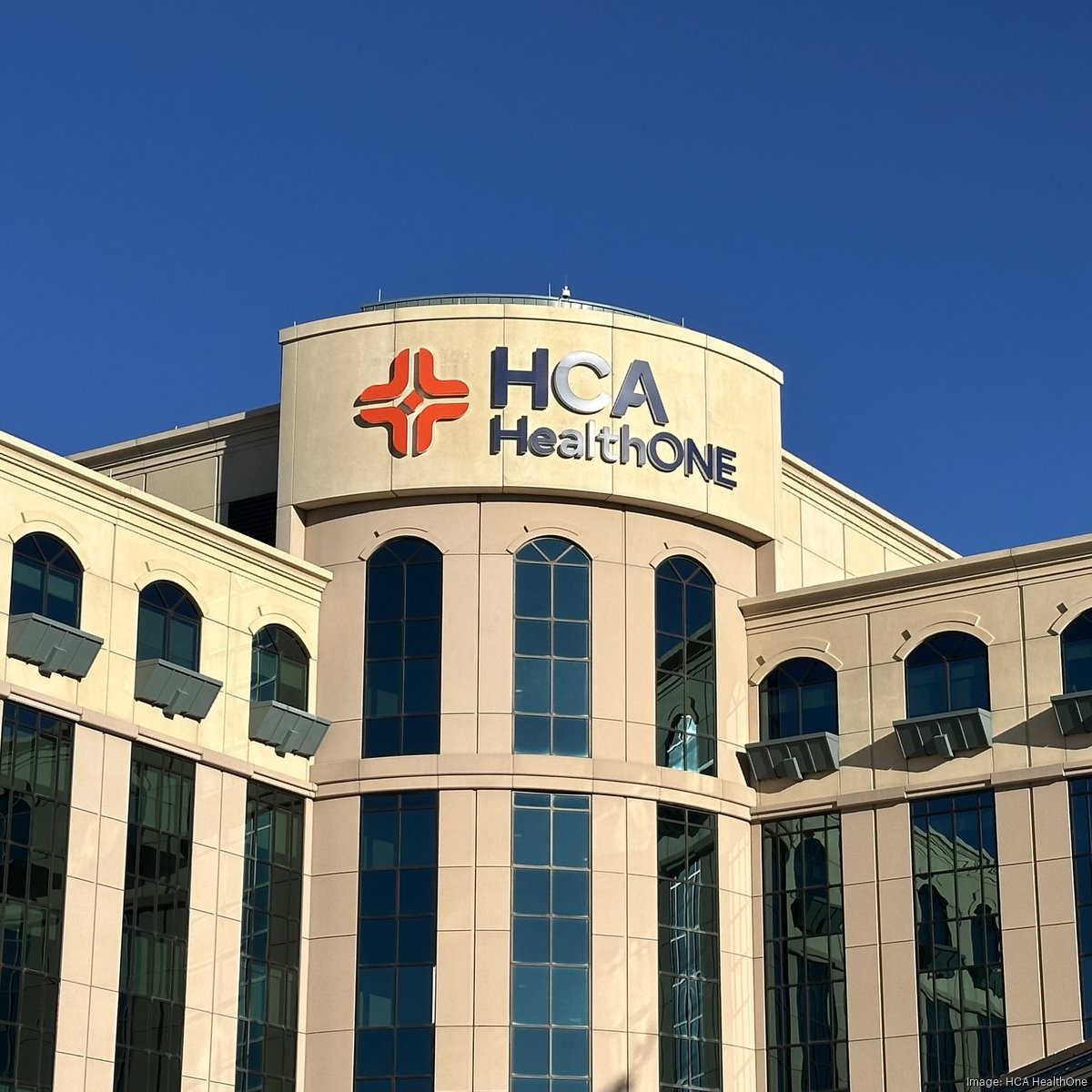
HCA’s Strategic Footprint in Colorado
Hospital Corporation of America (HCA) is one of the largest healthcare providers in the United States, and its substantial presence in Colorado is a testament to the state’s appeal as a destination and a growing market. This expansion isn’t solely about serving the local population; it also underpins the broader infrastructure that supports a robust tourism industry. When travelers venture to destinations like Denver, Aspen, or the Rocky Mountains, they often seek destinations with reliable support systems, including accessible and high-quality medical care.
Market Dynamics and Growth
Colorado has experienced significant population growth and a surge in tourism over the past few decades. This growth has created a corresponding demand for healthcare services. HCA, with its extensive network and business acumen, has strategically positioned itself to meet this demand. They often acquire existing hospitals or build new facilities in areas with high population density or significant visitor traffic, ensuring that their services are readily available.
Economic Drivers for Healthcare Investment
The state’s strong economy and favorable business environment attract considerable investment across various sectors. Healthcare, being a fundamental service, is no exception. For HCA, Colorado represents a market with a demographic profile that aligns with their service offerings – from comprehensive emergency care to specialized treatments. The influx of tourists, often engaging in adventurous activities like skiing in places like Vail or hiking in national parks, also contributes to the need for accessible emergency and trauma care, further justifying the presence of advanced medical facilities.
Demographic Shifts and Healthcare Needs
Beyond the transient visitor, Colorado has a growing population, including a significant demographic of retirees and young families, both of whom have distinct healthcare needs. HCA facilities are equipped to cater to a wide spectrum of medical requirements, from routine check-ups and maternity care to complex surgeries and chronic disease management. This broad service offering makes them an attractive provider for both individuals and families, contributing to their widespread establishment.
The “HCA Effect” on Colorado’s Tourism Infrastructure
The presence of multiple HCA hospitals, such as HealthOne hospitals (an HCA affiliate in Colorado), is not merely a matter of local healthcare provision; it indirectly bolsters Colorado’s appeal as a destination. For potential medical tourists or even regular travelers who prioritize destinations with robust safety nets, knowing that advanced medical facilities are available can be a deciding factor.
Medical Tourism: A Growing Niche
While not the primary focus for most tourists, medical tourism is a growing sector. Individuals may travel to Colorado for specialized procedures, rehabilitation, or even elective surgeries, seeking high-quality care in a desirable location. The concentration of HCA facilities, with their well-established reputations and comprehensive services, makes the state a more attractive option for such travelers. This can include seeking treatment at facilities like Swedish Medical Center or Sky Ridge Medical Center, both part of the HCA network.
Accessibility and Emergency Preparedness
For any traveler, especially those venturing into more remote or adventurous areas like the Colorado Rockies, the assurance of accessible emergency services is paramount. The widespread network of HCA hospitals, often equipped with advanced trauma centers and air ambulance services, provides a crucial layer of safety. This infrastructure is vital for adventure tourism, a significant draw for Colorado, encompassing activities from hiking in Rocky Mountain National Park to skiing in resorts like Breckenridge.

Supporting the Broader Visitor Experience
Beyond direct medical needs, a well-developed healthcare system contributes to the overall visitor experience by fostering a sense of security. Tourists are more likely to feel comfortable exploring and engaging in activities when they know that comprehensive medical support is readily available. This is particularly true for families traveling with children or elderly relatives, who may have heightened concerns about potential health emergencies. The reliable presence of facilities like Porter Adventist Hospital (though not directly HCA, it’s part of the broader Denver healthcare landscape that HCA operates within) signifies a mature healthcare ecosystem that benefits all visitors.
HCA’s Operational Model and Community Integration
HCA’s strategy in Colorado involves not just building and operating hospitals but also integrating them into the local fabric. This approach often includes partnerships with local physicians, clinics, and other healthcare providers, creating a more cohesive and accessible healthcare network for residents and visitors alike.
Acquisition and Expansion Strategies
HCA has a proven track record of acquiring existing hospitals and healthcare systems, as well as developing new facilities. In Colorado, this has led to the consolidation of services under their umbrella, aiming for operational efficiencies and improved patient care pathways. This strategy allows them to quickly establish a significant presence in key markets, such as the greater Denver metropolitan area and surrounding communities.
Investment in Technology and Specialized Care
To maintain a competitive edge and attract patients, HCA hospitals consistently invest in state-of-the-art medical technology and specialized treatment centers. This includes advanced diagnostic equipment, robotic surgery capabilities, and specialized units for cardiology, oncology, and neurology. Such investments are crucial for attracting both local residents seeking high-quality care and medical tourists looking for specific expertise. Facilities like Rocky Mountain Hospital for Children, an HCA-affiliated hospital, highlight this commitment to specialized pediatric care.
Community Engagement and Public Health
While a for-profit entity, HCA hospitals often engage in community outreach programs and support local health initiatives. This can include health fairs, educational seminars, and partnerships with local organizations focused on public health. Such efforts not only benefit the local population but also enhance the overall health and well-being of communities, indirectly supporting the tourism sector by ensuring a healthier environment for visitors. This integration reinforces the idea that Colorado is a destination that cares for its visitors’ well-being, even in unforeseen circumstances.
Implications for Visitors and the Future of Healthcare Tourism in Colorado
The substantial presence of HCA hospitals in Colorado has tangible implications for anyone visiting or considering a long-term stay in the state. It signifies a mature and well-supported healthcare infrastructure that enhances the safety and comfort of travel.
Enhanced Traveler Confidence
For travelers, particularly those undertaking adventurous activities in areas like the San Juan Mountains or attending large events such as the Denver Post Broncos Training Camp, the knowledge that advanced medical facilities are within reach can significantly boost confidence. This is true for all types of visitors, from families on vacation to business travelers attending conferences in Colorado Springs.

Future Trends in Healthcare and Tourism
As medical technology advances and the concept of wellness tourism gains momentum, destinations with strong healthcare systems are likely to become even more attractive. Colorado, with its existing infrastructure and appeal as a healthy, active destination, is well-positioned to leverage this trend. The continued investment by major providers like HCA will likely play a crucial role in shaping this future, ensuring that the state can cater to a diverse range of traveler needs, including specialized medical services. This strategic positioning solidifies Colorado’s status not just as a premier destination for outdoor adventure and cultural experiences, but also as a place that prioritizes the comprehensive well-being of its visitors.
LifeOutOfTheBox is a participant in the Amazon Services LLC Associates Program, an affiliate advertising program designed to provide a means for sites to earn advertising fees by advertising and linking to Amazon.com. Amazon, the Amazon logo, AmazonSupply, and the AmazonSupply logo are trademarks of Amazon.com, Inc. or its affiliates. As an Amazon Associate we earn affiliate commissions from qualifying purchases.