
Florida, often celebrated for its pristine beaches, vibrant marine life, and world-class tourist attractions, is also globally recognized for its significant shark population. This reputation, while sometimes a source of apprehension for visitors, is a testament to the state’s rich and diverse marine ecosystem. Far from being a deterrent, understanding why Florida is a shark hotspot can enhance the travel experience, offering insights into marine conservation, responsible tourism, and the incredible natural beauty that defines the Sunshine State. From the bustling shores of Miami to the tranquil waters of the Florida Keys, sharks play a crucial role in the health of these aquatic environments.
Florida’s Unique Marine Ecosystem: A Shark Haven
The primary reason for the abundance of sharks in Florida lies in its geography and oceanographic characteristics. Positioned between the warm currents of the Atlantic Ocean to the east and the nutrient-rich Gulf of Mexico to the west, Florida boasts an incredibly diverse array of marine habitats that are ideal for various shark species.
Firstly, the state’s warm, subtropical waters provide a comfortable environment for sharks year-round. Many species are ectothermic, meaning their body temperature is regulated by their external environment, making temperate and tropical waters preferred. This warmth supports a thriving food web, offering an abundant supply of fish, crustaceans, and other marine mammals that form the sharks’ diet. The sheer volume of prey available across Florida’s extensive coastline, estuaries, and offshore waters acts as a powerful magnet for these apex predators.
Secondly, Florida’s coastline is characterized by a myriad of ecological niches. It features vast expanses of shallow seagrass beds, critical nursery grounds for many fish species; extensive coral reefs, especially in the Florida Keys and around John Pennekamp Coral Reef State Park, which are biodiversity hotspots; and a complex network of estuaries, mangroves, and river mouths. These diverse habitats cater to the specific needs of different shark species. For instance, juvenile sharks often seek refuge in the shallower, protected estuarine waters, benefiting from both concealment and plentiful food sources before venturing into the open ocean. The Everglades National Park, for example, is a unique blend of freshwater and saltwater ecosystems, attracting species like the Bull Shark that can tolerate varying salinities.
Finally, Florida lies along major migratory routes for many pelagic species. As ocean temperatures change with the seasons, sharks undertake long journeys, often passing through Florida’s waters. This transient population adds significantly to the resident species count, particularly during cooler months when sharks from northern waters migrate south. This confluence of ideal temperatures, abundant food, diverse habitats, and migratory pathways creates a veritable shark paradise, making Florida an unparalleled destination for marine life enthusiasts.
A Diverse Population: Which Sharks Call Florida Home?
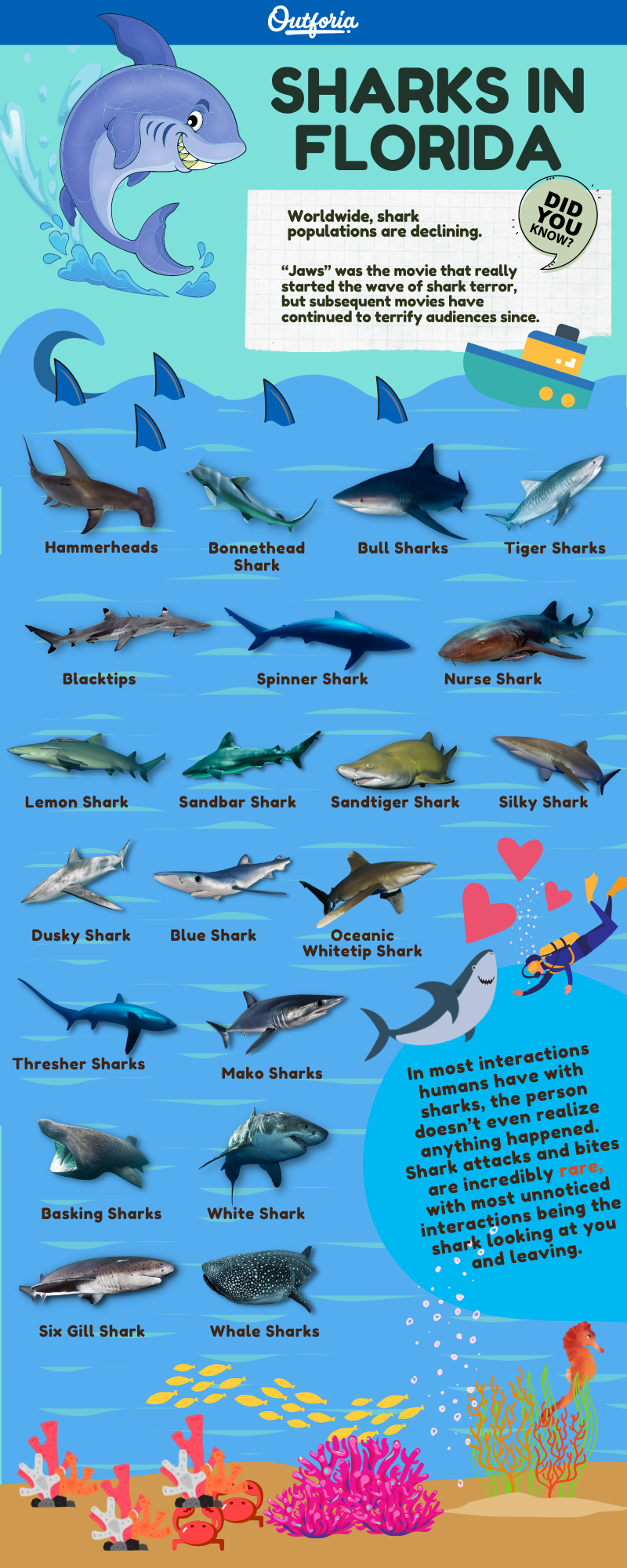
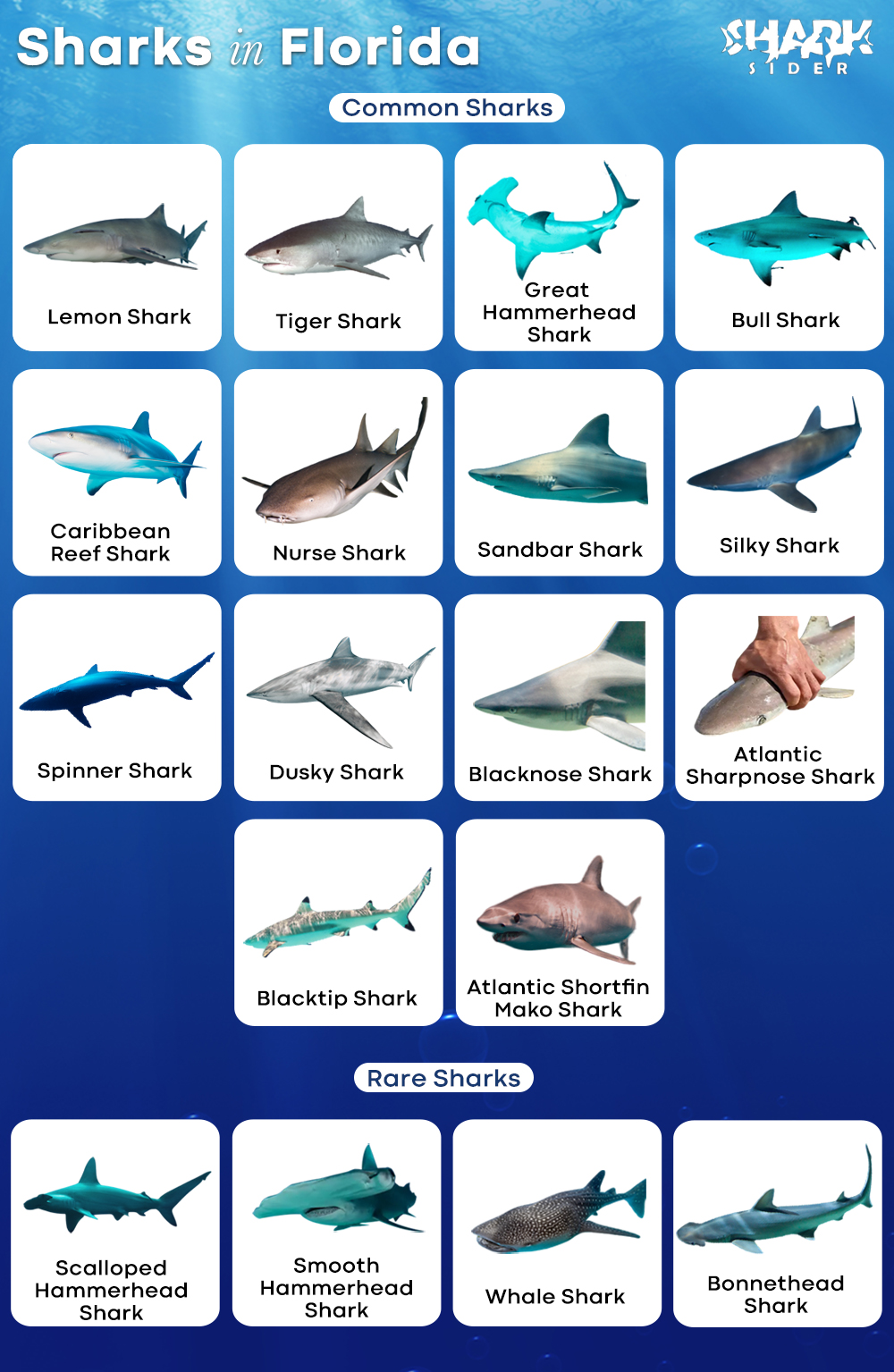
The rich marine environment of Florida supports a remarkable diversity of shark species, each playing a vital role in maintaining ecological balance. While media attention often focuses on a few well-known species, there are dozens of different sharks that inhabit or pass through Florida’s waters.
Common Coastal Species
Along Florida’s busy coastlines and nearshore environments, certain shark species are particularly prevalent and frequently encountered by both locals and tourists.
- Blacktip Sharks: These are perhaps the most commonly seen sharks in Florida, especially along the Atlantic Ocean coast. Blacktip Sharks are known for their distinctive black tips on their fins and their energetic feeding frenzies in shallow waters, often close to shore. They are highly migratory, with large aggregations observed off the coast of Vero Beach and Palm Beach during late winter and early spring. While generally not aggressive towards humans, their proximity to popular swimming areas, particularly around New Smyrna Beach (often dubbed the “Shark Bite Capital of the World” due to the sheer number of human-shark interactions, usually minor), makes them a prominent part of Florida’s shark narrative.
- Bull Sharks: Renowned for their ability to tolerate both saltwater and freshwater, Bull Sharks are frequently found in Florida’s estuaries, rivers, and even lakes. This unique physiological adaptation allows them to venture far upstream, providing access to different food sources and nursery grounds. Cities like Fort Lauderdale and Jacksonville, with their extensive canal systems and river access, can see Bull Sharks present year-round. Their opportunistic feeding habits and ability to inhabit shallow, murky waters mean they are a species that coastal visitors should always be aware of.
- Nurse Sharks: These docile, bottom-dwelling sharks are a favorite among divers and snorkelers. Characterized by their flattened heads and slow, deliberate movements, Nurse Sharks are often found resting on the seabed or tucked into crevices of coral reefs and rocky outcrops, particularly in the Florida Keys. They primarily feed on small invertebrates and fish, and are generally harmless unless provoked. Encounters with Nurse Sharks often highlight the passive beauty of Florida’s underwater world, offering a chance for respectful observation.
Larger Pelagic Visitors
Beyond the coastal shallows, Florida’s deeper offshore waters are home to a suite of larger, more migratory shark species.
- Great White Sharks: While not permanent residents, Great White Sharks are known to migrate to Florida’s warmer waters during the winter months, particularly along the continental shelf. These iconic predators travel vast distances from their cooler northern feeding grounds, following prey like seals and large fish. Their presence, often tracked by scientific organizations, underscores the importance of Florida’s waters as part of a larger Atlantic ecosystem.
- Tiger Sharks: These large, striped sharks are true omnivores of the sea, with a reputation for eating almost anything. Tiger Sharks are found in both coastal and offshore waters around Florida, including the Gulf of Mexico and the Atlantic Ocean. Their robust size and broad diet mean they play a critical role in controlling populations of other marine species, from sea turtles to fish.
- Hammerhead Sharks: Distinguished by their unique, mallet-shaped heads, several species of Hammerhead Sharks frequent Florida’s waters. Great Hammerheads, Scalloped Hammerheads, and Smooth Hammerheads are all observed, often in schools, especially around the Florida Keys and offshore wrecks. Their specialized head shape aids in detecting prey, particularly stingrays which are a favorite food source. Spotting a Hammerhead Shark is often a highlight for experienced divers exploring Florida’s deeper sites.
The Interplay of Tourism, Conservation, and Coexistence

The significant shark population in Florida naturally leads to questions about human interaction, safety, and the role of tourism. Far from being a negative, the presence of sharks has fostered a vibrant ecosystem of conservation efforts, scientific research, and responsible eco-tourism.
Shark Research and Conservation Efforts
Florida is at the forefront of shark research and conservation, driven by institutions dedicated to understanding and protecting these vital marine animals. Organizations like the Mote Marine Laboratory & Aquarium in Sarasota conduct extensive studies on shark behavior, migration patterns, and reproduction. Their research helps inform policy and educate the public about the ecological importance of sharks. Similarly, the Florida Fish and Wildlife Conservation Commission (FWC) plays a crucial role in managing marine resources, including regulations for shark fishing and protection of critical habitats.
Eco-tourism also contributes significantly to conservation. Activities like guided shark diving and snorkeling tours (where ethical and regulated) allow visitors to observe sharks in their natural habitat, fostering appreciation and support for their protection. Many tour operators in areas like Jupiter and the Florida Keys work closely with marine biologists, contributing to citizen science projects and educating participants about shark biology and conservation challenges. This experiential learning often transforms fear into fascination, encouraging tourists to become advocates for marine health.
Responsible Tourism and Safety Tips
While sharks are an integral part of Florida’s marine environment, understanding how to coexist safely is paramount for visitors enjoying the state’s beautiful beaches and waterways. The vast majority of shark encounters are non-aggressive, and serious incidents are extremely rare when compared to the millions of people who visit Florida’s coasts annually.
To minimize risk and ensure a pleasant experience, visitors should adhere to a few simple guidelines:
- Swim in designated areas: Always swim at beaches with lifeguards and follow their instructions.
- Avoid dawn and dusk: These are prime feeding times for many shark species, especially in shallow waters.
- Don’t wear shiny jewelry: Reflective items can resemble fish scales and attract sharks.
- Avoid murky waters: Sharks may have difficulty distinguishing between prey and humans in poor visibility.
- Swim in groups: Sharks are more likely to approach solitary individuals.
- Do not harass marine wildlife: Touching or feeding sharks is dangerous and illegal.
- Be aware of surroundings: If baitfish schools are present or if fishing activity is high, consider swimming elsewhere.
By practicing responsible beach etiquette and respecting the marine environment, visitors can safely enjoy Florida’s coastal offerings, from the sandy shores of Clearwater to the surfing waves of Cocoa Beach.
Planning Your Florida Coastal Escape
Embracing the natural wonder of Florida’s shark-rich waters can elevate your travel experience, transforming a simple beach vacation into an adventure of discovery and appreciation for marine life. When planning your coastal escape, consider destinations that offer a blend of relaxation, adventure, and opportunities to learn about the ocean.
For those seeking luxury and prime beachfront access, resorts in Naples or Sarasota provide exquisite accommodation with top-tier amenities. Imagine staying at a boutique hotel on Sanibel Island, renowned for its shelling and tranquil atmosphere, or a vibrant suite in South Beach, Miami, offering a contrast of city buzz and ocean tranquility. Many hotels and resorts throughout Florida offer direct beach access, allowing guests to easily partake in water activities while remaining aware of the natural environment.
Beyond swimming and sunbathing, Florida offers a wealth of water-based experiences that can connect you with its vibrant marine world. Snorkeling and diving tours in the Florida Keys offer unparalleled views of coral reefs and their inhabitants, including colorful fish, sea turtles, and sometimes even a distant Nurse Shark. Kayaking through mangrove tunnels in St. Petersburg or Anna Maria Island provides a unique perspective on Florida’s estuarine ecosystems, which serve as crucial nurseries for many species, including juvenile sharks.
For families, tourism in Florida extends beyond its theme parks like Walt Disney World Resort or Universal Orlando Resort. Educational attractions like the Mote Marine Laboratory & Aquarium offer interactive exhibits where children and adults can learn about sharks and other marine life in a safe, engaging environment. Consider booking a fishing charter from Destin or Key West, where experienced guides can teach you about sustainable fishing practices and the diverse fish populations that attract sharks.
Whether you’re planning a budget travel adventure exploring the natural landmarks of the Panhandle, or a luxury travel retreat to a five-star hotel in Palm Beach, understanding Florida’s unique marine ecosystem enriches your entire journey. It’s an opportunity to engage with local culture, sample exquisite local food, and create memories that connect you deeply with nature.
In conclusion, the prevalence of sharks in Florida’s waters is not a cause for alarm, but rather a testament to the state’s vibrant and healthy marine environment. It’s a natural phenomenon driven by geography, climate, and abundant food sources. By understanding these factors and adhering to responsible tourism practices, visitors can safely enjoy the beauty of Florida’s beaches and gain a profound appreciation for these magnificent creatures that call its waters home. The Sunshine State truly offers an unparalleled opportunity to experience the wonders of the ocean, where every wave might bring you closer to understanding the wild heart of the sea.
LifeOutOfTheBox is a participant in the Amazon Services LLC Associates Program, an affiliate advertising program designed to provide a means for sites to earn advertising fees by advertising and linking to Amazon.com. Amazon, the Amazon logo, AmazonSupply, and the AmazonSupply logo are trademarks of Amazon.com, Inc. or its affiliates. As an Amazon Associate we earn affiliate commissions from qualifying purchases.