
Arizona, often known as the Grand Canyon State, is synonymous with vast desert landscapes, striking red rock formations, and, undeniably, intense heat. For first-time visitors or those planning a trip, understanding “Why Arizona so hot?” is crucial, not just for comfort but for fully appreciating the unique travel, lifestyle, and tourism experiences this southwestern gem offers. From its geographical makeup to the very fabric of daily life and luxurious accommodations, the heat is an ever-present character in Arizona’s story, shaping everything from its natural wonders to its vibrant culture.
The Geographical and Climatic Factors Driving Arizona’s Heat
The relentless sun and high temperatures of Arizona are not merely coincidental but are the direct result of a fascinating interplay of geographical features and climatic phenomena. These factors create an environment that, while challenging, has fostered unique ecosystems and human adaptations that define the state.
Desert Climate and Arid Landscapes
At the heart of Arizona’s heat lies its predominant desert climate. Much of the state is covered by vast arid regions, primarily the Sonoran Desert in the south and the Mojave Desert in the northwest. These deserts are characterized by extremely low humidity and sparse rainfall, which are critical components in the heating process. Unlike humid environments where water vapor in the air can trap and redistribute heat, dry air heats up and cools down more rapidly. This lack of moisture allows solar radiation to directly heat the ground surface, which then radiates heat back into the atmosphere, creating scorching daytime temperatures.
Furthermore, the prevalence of high-pressure systems over the southwestern United States during much of the year contributes significantly to the heat. These systems suppress cloud formation and keep skies clear, allowing uninterrupted sunshine to blanket the land. This continuous exposure to intense solar radiation, combined with minimal vegetation cover that might otherwise provide shade and evaporative cooling, transforms the desert floor into a massive solar collector, absorbing and radiating heat efficiently.
Topography and Elevation
While much of Arizona conjures images of flat, sandy expanses, its diverse topography plays a critical role in temperature variations. Low-elevation valleys, such as the Phoenix Metropolitan Area and the region around Yuma, act like giant basins. Hot air, which is less dense, tends to rise, but in these valleys, surrounding mountain ranges can trap the air, preventing it from escaping and creating an “oven effect.” This phenomenon is particularly pronounced in Phoenix, which consistently ranks among the hottest major cities in the United States. The urban heat island effect also exacerbates this in metropolitan areas. Concrete, asphalt, and buildings absorb and retain more heat than natural desert landscapes, releasing it slowly throughout the night, leading to higher nighttime temperatures in urban centers compared to surrounding rural areas.
Conversely, Arizona is also home to significant mountain ranges like the Mogollon Rim and the White Mountains. At higher elevations, temperatures are noticeably cooler. This elevation difference means that while visitors might be sweltering in Scottsdale or Tucson, they could find comfortable, even chilly, conditions in places like Flagstaff or the forested areas of Northern Arizona. This topographical variation offers a diverse range of climates within the state, influencing everything from unique microclimates to distinct tourism seasons for different regions.

Seasonal Variations and Extremes
Arizona’s heat isn’t a static condition; it fluctuates dramatically with the seasons. The state experiences long, intensely hot summers, typically from June through September, when daily highs routinely exceed 100°F (38°C), often climbing well into the 110s°F (43-46°C). These months are characterized by persistent sunshine and very dry air, making the “dry heat” a common descriptor, although it can still be incredibly dehydrating.
A distinct climatic event during the summer is the North American Monsoon season, which usually runs from mid-June to mid-September. While brief, this period brings a dramatic shift, with sudden, powerful thunderstorms that can drop significant amounts of rain. These storms, often accompanied by strong winds and dust, provide temporary relief from the heat and briefly increase humidity, making the air feel heavier, a stark contrast to the prior dry heat.
However, the flip side of these extreme summers are Arizona’s famously mild and pleasant winters. From October through April, temperatures are considerably milder, ranging from comfortable highs in the 60s and 70s°F (15-25°C) in the desert regions to chilly, snowy conditions in the northern mountains. This stark seasonal contrast makes Arizona a prime destination for “snowbirds” from colder climates, transforming the state into a vibrant hub for winter tourism and long-term accommodation.

Embracing the Heat: Lifestyle and Travel in the Desert State
Despite, or perhaps because of, its formidable heat, Arizona has cultivated a unique lifestyle and a thriving tourism industry. Residents and visitors alike have mastered the art of living with and embracing the desert’s intense temperatures, turning potential challenges into opportunities for unique experiences and luxurious getaways.
Adapting to the Arizona Lifestyle
Life in Arizona during the hotter months revolves around smart scheduling and maximizing comfort. Locals are experts at timing their outdoor activities for the cooler parts of the day—early mornings for hikes, golf, or bike rides, and late evenings for enjoying patios, stargazing, or dining al fresco. The midday sun is typically reserved for indoor pursuits, whether it’s exploring museums, indulging in retail therapy, or simply relaxing in the comfort of air-conditioned spaces.
Hydration is not just recommended; it’s a way of life. Water bottles are constant companions, and understanding the signs of heat exhaustion is second nature. The omnipresent heat has also fostered a vibrant pool culture. From private residences to lavish resorts, sparkling pools become essential oases, offering refreshing dips and a social hub for cooling off. This adaptation extends to architecture, with homes and buildings designed to mitigate heat, utilizing shade, strategic landscaping, and efficient cooling systems.
Top Destinations and Attractions Thriving in the Heat
Arizona’s travel scene ingeniously incorporates its desert environment. Many of the state’s most iconic attractions are either best experienced in the shoulder seasons or have developed ways for visitors to enjoy them even during peak summer.
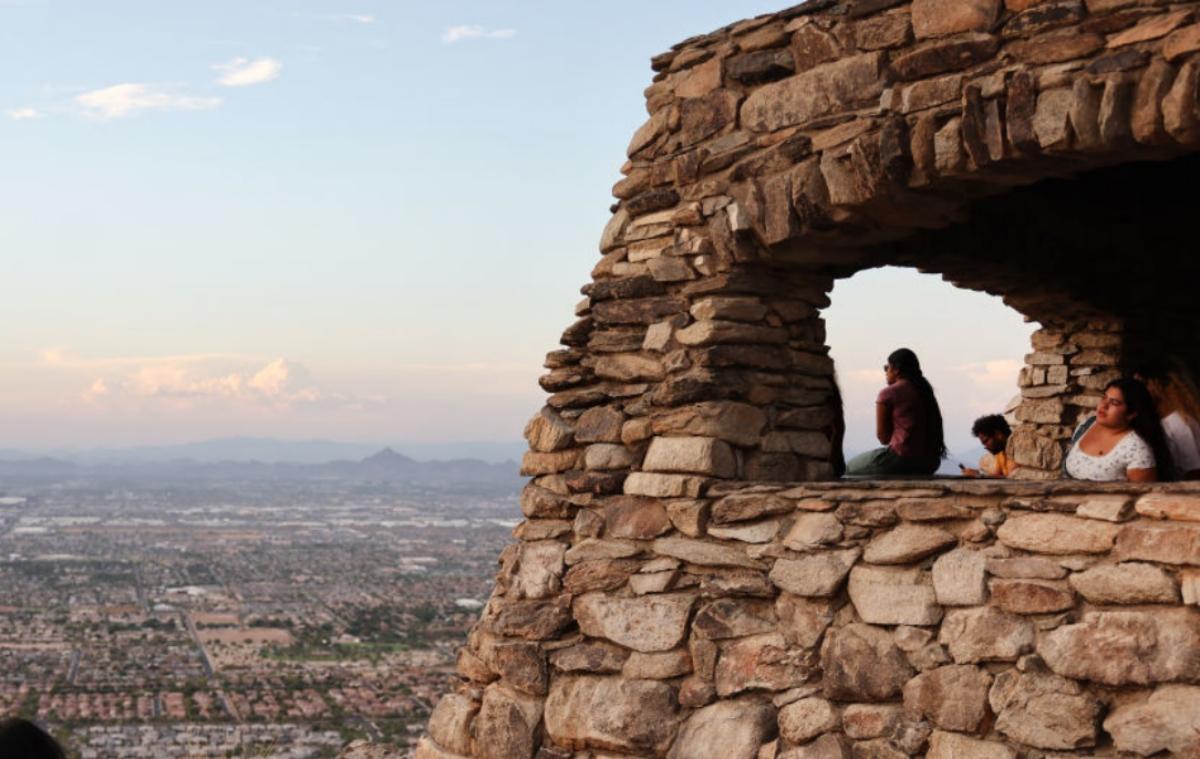
In Phoenix, cultural sites like the Heard Museum, which showcases Native American art and culture, and the Desert Botanical Garden, offering guided indoor tours and shaded pathways, remain popular. Early morning hikes up Camelback Mountain are legendary, offering stunning panoramic views before the sun gets too high.
Scottsdale is renowned for its luxury resorts, many of which are designed with extensive water features, sprawling pools, and world-class spas perfect for beating the heat. Destinations like The Phoenician or the Hyatt Regency Scottsdale Resort & Spa at Gainey Ranch offer an entire ecosystem of amenities to keep guests entertained and cool. Old Town Scottsdale, with its charming boutiques and galleries, can be explored with strategic breaks in air-conditioned shops and restaurants.
Further south, Tucson offers attractions like the Arizona-Sonora Desert Museum, a unique zoo, botanical garden, and natural history museum rolled into one, with many shaded exhibits. Saguaro National Park, home to the iconic saguaro cactus, is best explored in the cooler mornings or evenings, transforming into a magical landscape at sunrise or sunset. The historic Mission San Xavier del Bac, an active church with stunning Spanish colonial architecture, offers a serene and cool indoor experience.
While Sedona is at a higher elevation and generally cooler than the desert floor, its iconic red rock landscapes, like those found in Red Rock State Park, are still best enjoyed during milder parts of the day or in the shoulder seasons. The area also boasts a vibrant wellness and spiritual tourism scene, with many indoor workshops and retreats.
Even the majestic Grand Canyon National Park is affected by the heat, though its sheer size means temperatures vary significantly between the rims and the canyon floor. The South Rim, more accessible, can still be very hot in summer, while hiking into the canyon requires extreme caution. The North Rim, being higher in elevation, offers cooler temperatures and a different perspective of this natural wonder. Further north, the city of Page and Lake Powell become hubs for water sports and cooling adventures, with visitors exploring Antelope Canyon on guided tours or boating on the vast lake, providing a unique way to experience Arizona’s natural beauty while staying refreshed.
Unique Accommodations and Experiences
Arizona’s accommodation sector has masterfully adapted to and capitalized on its climate. Desert resorts are often world-class, offering not just rooms but entire ecosystems of amenities designed for comfort and luxury in the heat. Think lazy rivers, expansive swimming pools with swim-up bars, private cabanas, and misting systems. These resorts frequently host wellness retreats, culinary festivals, and live entertainment, providing a self-contained vacation experience.
Beyond the resorts, boutique hotels in urban centers offer stylish havens from the heat, often with unique architectural features and cool, minimalist interiors. The state also offers a growing number of glamping and unique desert stay experiences, where carefully designed tents or cabins provide comfort amidst the wilderness, often highlighting stargazing opportunities that are particularly spectacular in the clear desert nights. For those seeking longer stays, particularly the aforementioned snowbirds, furnished apartments and villas are readily available for extended winter retreats, catering to a lifestyle focused on warmth and sunshine during colder months elsewhere. Even properties like Talking Stick Resort blend luxury accommodation with entertainment, providing plenty of indoor options for fun.
Preparing for Your Arizona Adventure: Tips for Staying Cool and Comfortable
A memorable trip to Arizona, regardless of the season, involves smart preparation. Understanding how to manage the heat ensures that visitors can fully immerse themselves in the state’s offerings without discomfort or risk.
Essential Packing and Health Tips
Packing wisely is the first step to conquering Arizona’s heat. Lightweight, loose-fitting, and breathable clothing made from natural fibers like cotton or linen is paramount. Light colors are preferable as they reflect sunlight, unlike dark colors which absorb heat. Sun protection is non-negotiable: a wide-brimmed hat, UV-blocking sunglasses, and high-SPF sunscreen should be applied liberally and frequently.
Hydration is crucial. Always carry a reusable water bottle and refill it often. Electrolyte-rich drinks can also be beneficial, especially during strenuous activity. It’s vital to be aware of the symptoms of heat exhaustion and heat stroke—dizziness, nausea, excessive sweating (or lack thereof), and confusion are serious signs that require immediate attention. Never leave children or pets unattended in a vehicle, even for a short time, as interior temperatures can reach lethal levels rapidly.
Navigating Arizona’s Climate as a Tourist
Timing your visit can significantly impact your experience. While Arizona is a year-round destination, the shoulder seasons (spring: March to May, and fall: October to November) generally offer the most pleasant temperatures, balancing warm days with cooler evenings—perfect for exploring. Winter (December to February) is ideal for those escaping cold climates, with mild, sunny days perfect for outdoor activities, though northern regions will be colder and potentially snowy. Summer (June to September) requires the most careful planning, focusing on indoor activities during the hottest parts of the day and reserving early mornings or late evenings for outdoor adventures.
When planning your itinerary, factor in the heat. Look for attractions with air-conditioned facilities, such as museums, art galleries, and shopping centers. If visiting national parks or hiking trails, start extremely early or go at sunset, and always inform someone of your plans. Renting a car with reliable air conditioning is highly recommended for comfortable travel between destinations, as distances can be substantial. Utilize hotel amenities like pools and spas to relax and cool down after a day of exploration.
Culinary Delights and Local Culture
Arizona’s culinary scene is a vibrant fusion of Southwestern, Mexican, and Native American influences. Many restaurants offer refreshing dishes and drinks that are perfect for warmer weather. Think crisp salads with prickly pear vinaigrette, refreshing aguas frescas, or innovative cocktails featuring local ingredients like tequila, lime, and jalepeño. Embrace the culture of “happy hour” in air-conditioned establishments, or enjoy dinner on a misted patio as the sun sets and the desert cools. Exploring local markets for fresh produce or art galleries for unique desert-inspired creations can also be done comfortably during the day, offering a glimpse into the local lifestyle without battling the peak heat.
In conclusion, Arizona’s intense heat is an inseparable part of its identity, a formidable force that shapes its landscapes, dictates its rhythms of life, and colors every travel experience. Far from being a deterrent, it has inspired a resilient culture and a tourism industry that masterfully blends luxury, adventure, and comfort. By understanding “Why Arizona so hot?” and adapting to its unique climate, visitors unlock a deeper appreciation for this magnificent state, transforming what might seem like a challenge into an unforgettable journey filled with warmth, wonder, and unparalleled beauty.
LifeOutOfTheBox is a participant in the Amazon Services LLC Associates Program, an affiliate advertising program designed to provide a means for sites to earn advertising fees by advertising and linking to Amazon.com. Amazon, the Amazon logo, AmazonSupply, and the AmazonSupply logo are trademarks of Amazon.com, Inc. or its affiliates. As an Amazon Associate we earn affiliate commissions from qualifying purchases.