
The allure of the Golden State is undeniable, drawing millions with its stunning landscapes, innovative industries, and diverse cultural experiences. From the sun-drenched beaches of Southern California to the tech hubs of Silicon Valley and the majestic beauty of Yosemite National Park, California offers a lifestyle that many aspire to. However, this dream often comes with a significant financial consideration: some of the highest taxes in the United States. Understanding the underlying reasons for California’s tax structure is crucial for anyone planning to visit, relocate, or simply navigate the costs associated with the unique lifestyle it offers. These taxes permeate everything from the price of a luxury resort stay to the daily cost of living, impacting lifestyle choices across the board.
The Cost of the California Lifestyle: Beyond the Golden Facade
California’s reputation for high costs isn’t just about housing; taxes play a pivotal role in shaping the overall lifestyle experience, whether you’re a high-earning resident or a budget-conscious traveler. The state’s fiscal policies directly influence everything from consumer goods to services, entertainment, and accommodation, affecting both the lavish and the lean approaches to experiencing the state.
Premium Living and Luxury Travel
For those seeking a luxurious California lifestyle or an opulent travel experience, the impact of high taxes is often absorbed into premium pricing. From the exclusive boutiques on Rodeo Drive in Beverly Hills to the Michelin-starred restaurants of San Francisco or the bespoke wine tours in Napa Valley, the sales tax on goods and services, combined with various local taxes, adds a noticeable premium. High property taxes on commercial real estate translate into higher operational costs for luxury hotels and resorts, which are then passed on to guests. A stay in a five-star suite in Los Angeles or San Diego reflects not just the amenities and service, but also a portion of these underlying tax burdens. Even for those with ample disposable income, understanding these fiscal realities can inform budgeting and planning for an unhindered luxury experience.
Budgetary Realities for Visitors
Conversely, for travelers on a budget or residents trying to manage everyday expenses, California‘s tax structure presents significant challenges. Sales tax rates, which can reach over 10% in some localities, significantly increase the cost of everything from groceries and souvenirs to theme park tickets at places like Disneyland. Gasoline taxes are among the highest in the nation, making road trips along scenic routes like the Pacific Coast Highway more expensive than in other states. Furthermore, local transient occupancy taxes (TOT), often referred to as hotel taxes, can add 10-15% or more to the cost of accommodation, turning an affordable motel stay into a budget strain. For families planning a vacation or individuals seeking an extended stay, these cumulative taxes necessitate careful financial planning to avoid unexpected expenditures and ensure the desired lifestyle experience remains within reach.
Understanding California’s Fiscal Landscape: Why Taxes are Built-In
The reasons behind California’s elevated tax rates are multi-faceted, stemming from a combination of progressive policies, extensive public services, and ambitious environmental and infrastructure goals. These factors collectively contribute to a complex tax environment that directly impacts the cost of living and doing business in the state.
Progressive Income Tax Structure
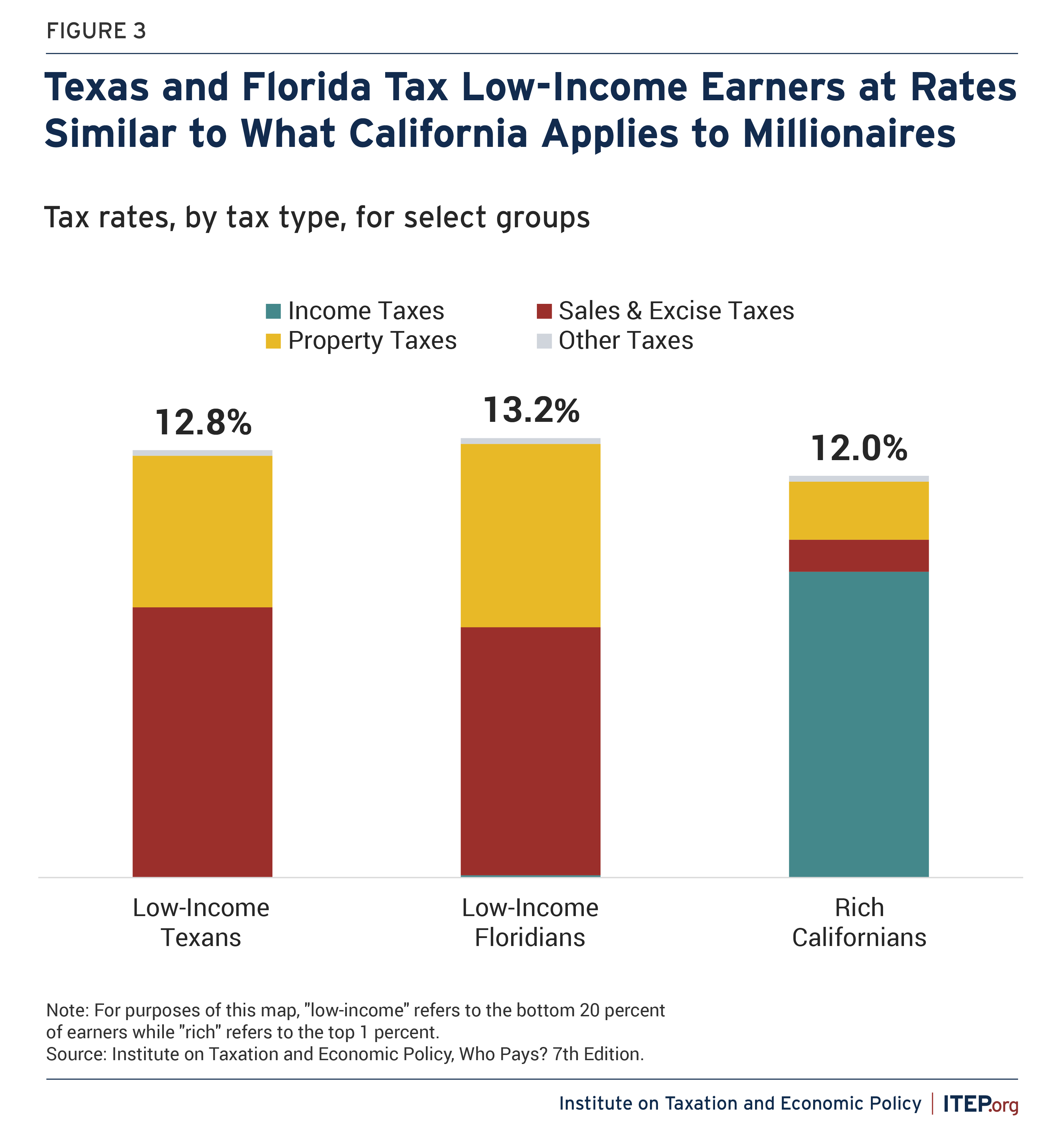
One of the primary drivers of California’s high tax burden is its highly progressive income tax system. The state boasts the highest top marginal income tax rate in the nation, reaching 13.3% for the highest earners. While this system is designed to distribute the tax burden more heavily on wealthy individuals, its effects ripple through the economy. Small business owners, entrepreneurs, and high-income professionals face substantial state income tax liabilities, which can influence their decisions about where to live and invest. This progressive structure funds a wide array of public services, from education and healthcare to social welfare programs, aiming to support a broad quality of life for all residents, but at a cost borne primarily by its most productive citizens.
High Sales and Property Taxes
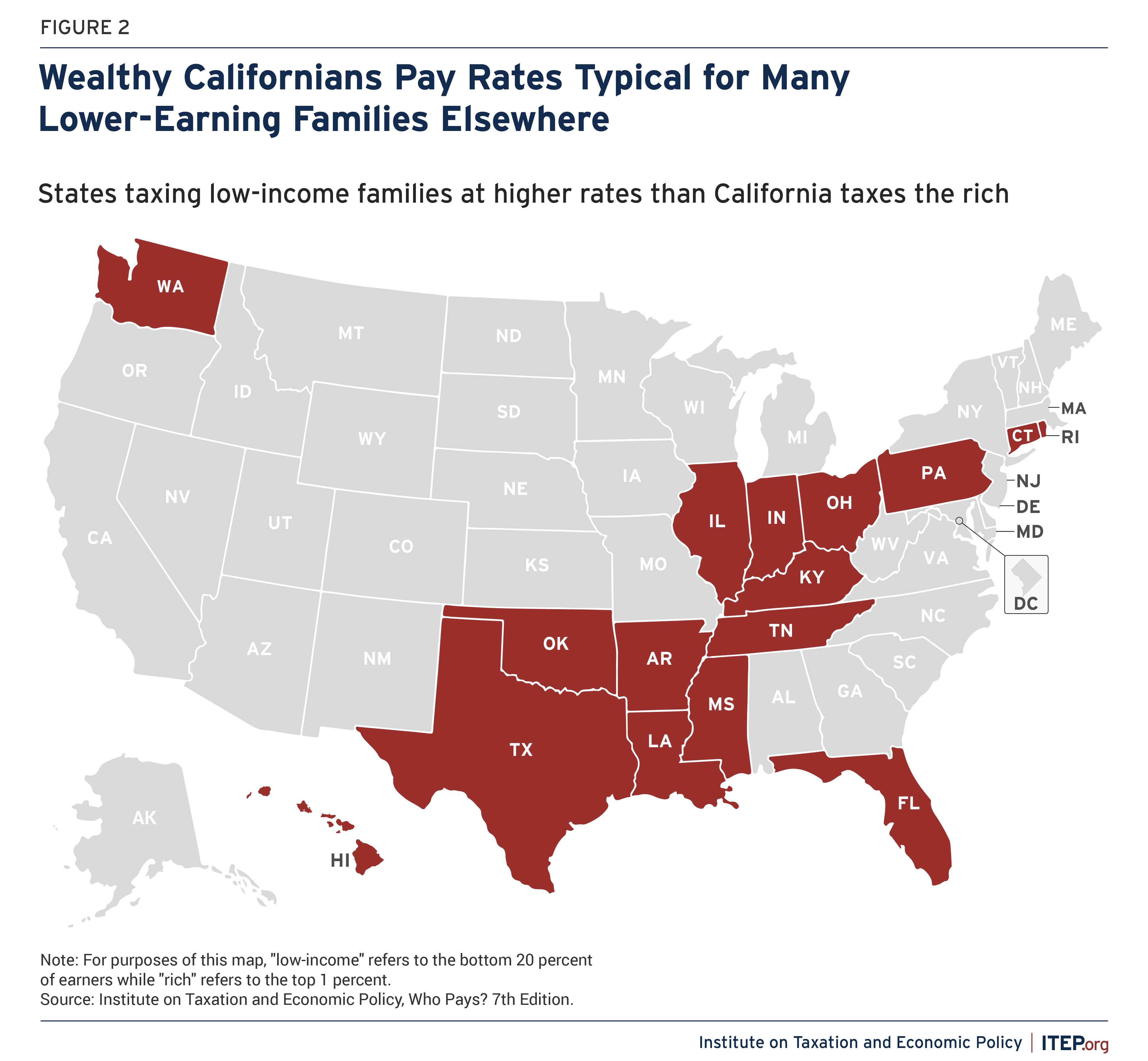
Beyond income tax, California also features one of the highest statewide sales tax rates, currently 7.25%, with local jurisdictions often adding their own district taxes, pushing the combined rate well over 10% in many areas. This means almost every purchase, from a new car to a restaurant meal or an admission ticket to a cultural attraction, carries a significant tax premium. Property taxes, while capped by Proposition 13 (which limits the annual increase in assessed value), are based on often astronomical property values, especially in desirable areas like the Bay Area or Orange County. These high property taxes contribute to the elevated cost of housing, both for homeowners and renters, as landlords pass on their tax burdens. This pervasive taxation on consumption and property makes even everyday living an expensive endeavor.
Environmental and Infrastructure Investments
California’s commitment to environmental protection and modern infrastructure also necessitates significant public funding. The state is a leader in renewable energy initiatives, climate change mitigation, and conservation efforts, particularly vital given its vast natural resources, from the redwood forests to Death Valley National Park. These programs, alongside investments in upgrading aging transportation networks, water systems, and public facilities, require substantial revenue. Taxes on gasoline (among the highest nationally), vehicle registrations, and various excise taxes contribute to funding these essential, yet costly, statewide projects. While these investments enhance the quality of life and preserve the natural beauty that attracts visitors, they are a direct factor in the overall tax burden.
Impact on Businesses and Consumer Prices: Lifestyle Repercussions
The robust tax environment in California doesn’t just affect individual wallets; it significantly shapes the business landscape, leading to higher operational costs that inevitably trickle down to consumers and influence lifestyle choices.
Operational Costs and Job Markets
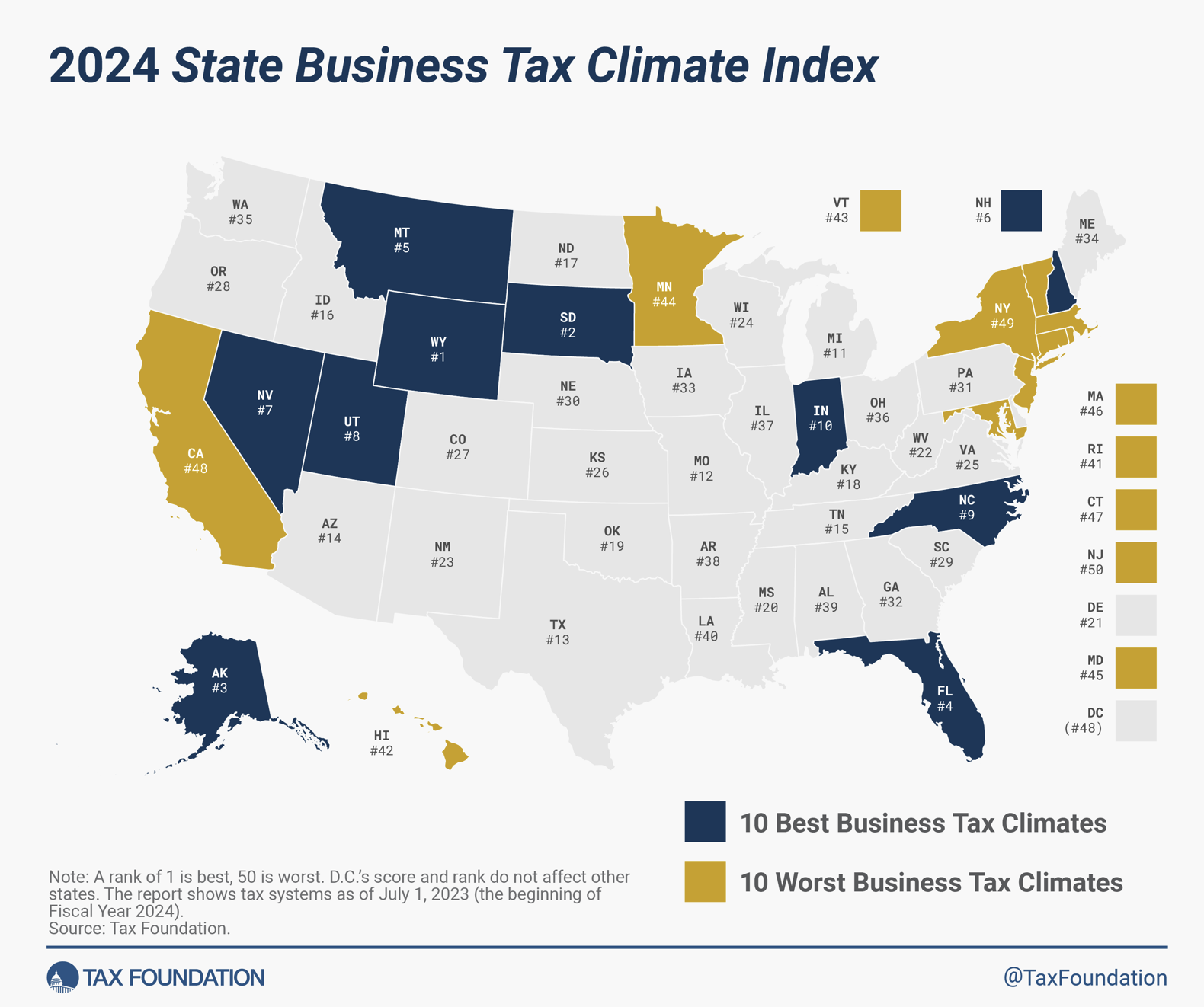
Businesses in California face a confluence of high taxes, including corporate income taxes, payroll taxes, and property taxes on commercial real estate. Additionally, the state has some of the most stringent regulations and highest minimum wage laws in the country. These factors combine to create a challenging operational environment, increasing the cost of doing business. For instance, a hotel in San Francisco or a restaurant in Hollywood must factor these costs into their pricing models. This can lead to businesses either charging more for their goods and services, operating on thinner margins, or, in some cases, choosing to relocate or expand in states with more favorable tax climates. The high cost of labor, driven by minimum wage laws and benefits mandates, also means fewer entry-level jobs or higher prices for labor-intensive services, impacting the economic lifestyle of many.
How Taxes Inflate Everyday Expenses
The cumulative effect of these taxes and business costs is felt most acutely by consumers. Whether it’s the higher price of a cup of coffee, the increased cost of car insurance, or the premium associated with dining out, the tax burden is often embedded in the final price. For residents, this translates into a higher cost of living that affects everything from housing budgets to recreational spending. For tourists, the combined impact of hotel taxes, sales taxes, and higher service prices means that a California vacation, especially to popular destinations like Lake Tahoe or the Santa Barbara wine country, will generally be more expensive than a comparable trip elsewhere. This reality shapes the lifestyle people can afford within the state, influencing everything from dining habits to entertainment choices and even the feasibility of certain travel plans.
Navigating California with Fiscal Awareness
While California’s high taxes are a constant, understanding them allows for more informed lifestyle decisions, whether you’re planning a visit or considering a permanent move.
Smart Planning for Travelers
Travelers can mitigate the impact of high taxes through strategic planning. Opting for accommodations outside major metropolitan areas or during off-peak seasons can often reduce transient occupancy taxes. Budgeting for higher sales taxes on purchases and fuel is essential. Exploring free attractions, packing snacks and drinks, and utilizing public transport where available can significantly reduce overall expenses. Many natural wonders, such as the Golden Gate Bridge‘s views or the hiking trails in Joshua Tree National Park, offer priceless experiences without heavy entry fees, allowing visitors to enjoy the quintessential California lifestyle without excessive costs.
Lifestyle Choices for Residents
For those considering a long-term California lifestyle, a thorough understanding of the tax implications is paramount. This includes factoring in the high cost of housing, progressive income tax rates, and local sales and property taxes into overall financial planning. Some residents choose to live in more affordable inland areas and commute, sacrificing convenience for lower housing costs. Others prioritize careers in high-paying industries, accepting that a significant portion of their income will go towards taxes but benefiting from the state’s robust economy and amenities. The decision to embrace the California lifestyle often involves a careful balance between career opportunities, desired quality of life, and financial preparedness for the state’s unique tax landscape.
Long-Term Outlook and Economic Migration
The discussion around California’s high taxes is ongoing, with debates about their impact on economic competitiveness and population migration. While the state continues to be a global leader in innovation and culture, its tax policies are a significant factor in individuals’ and businesses’ decisions to move to or from the state. Understanding these dynamics is key to appreciating the complex interplay between fiscal policy and the diverse lifestyles that define California. The choices made by policymakers will continue to shape the affordability and accessibility of the California dream for generations to come, influencing everything from luxury travel trends to the daily grind of its residents.
LifeOutOfTheBox is a participant in the Amazon Services LLC Associates Program, an affiliate advertising program designed to provide a means for sites to earn advertising fees by advertising and linking to Amazon.com. Amazon, the Amazon logo, AmazonSupply, and the AmazonSupply logo are trademarks of Amazon.com, Inc. or its affiliates. As an Amazon Associate we earn affiliate commissions from qualifying purchases.