
Navigating the intricacies of obtaining or renewing official documentation for travel can often feel like a bureaucratic maze. While many states are embracing digital solutions, California’s Department of Motor Vehicles (DMV) has specific policies regarding online license renewals that can leave residents and prospective visitors puzzled. This article delves into the reasons behind the limitations on online renewals for California driver’s licenses and identifies the crucial factors that determine eligibility, offering clarity for those planning their adventures or needing to ensure their travel documents are in order.
Understanding California’s DMV Renewal Policies
The ability to renew a California driver’s license online is not a blanket offering. The California Department of Motor Vehicles has established a set of criteria that dictate whether an individual can bypass a physical visit to a DMV office. These policies are in place to maintain the integrity of the licensing system, ensure public safety, and comply with federal regulations, particularly those related to identity verification and the prevention of fraud.

Eligibility Criteria for Online Renewal
At its core, online renewal is typically available for individuals whose information has not changed significantly and who meet specific age and status requirements.
Age and License Status
Generally, drivers under the age of 70 who possess a standard Class C driver’s license and whose license is not expired by more than a certain grace period are eligible. The license must also be a non-commercial license. Commercial driver’s licenses (CDLs) often have more stringent renewal requirements due to the nature of the profession and the increased safety implications.
No Significant Information Changes
A key determinant for online renewal is the absence of changes to critical personal information. This includes:
- Name Changes: If a driver has legally changed their name (e.g., due to marriage or a court order), a new photograph and verification of the legal name change are required. This necessitates an in-person visit to the DMV.
- Address Changes: While address changes can often be updated online separately, for license renewal purposes, if an address change has occurred since the last renewal and the system flags it as a significant update, an in-person visit might be mandated to ensure the correct documentation is presented and verified.
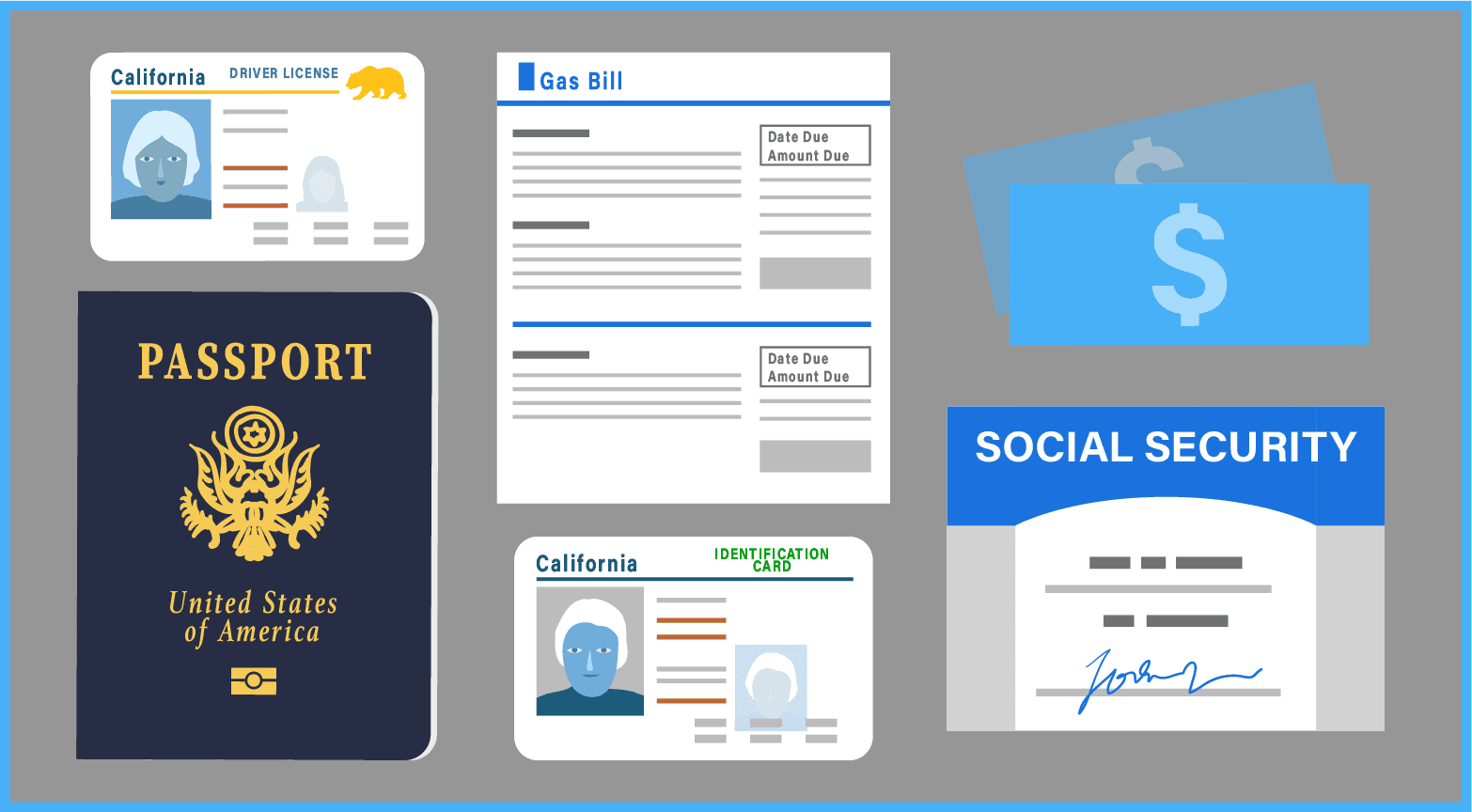
- Real ID Compliance: For those seeking to obtain or renew a REAL ID compliant license, an in-person visit is almost always mandatory. The REAL ID Act requires the presentation of original documentation proving identity, date of birth, Social Security number, and residency. This level of verification cannot be fully accomplished through an online portal.
Medical Conditions and License Restrictions
Drivers with specific medical conditions that require a doctor’s note or evaluation, or those who have restrictions placed on their license (e.g., corrective lenses), will need to undergo an in-person renewal process. This allows DMV officials to review updated medical reports and ensure the driver continues to meet the necessary health and safety standards for operating a vehicle.
Federal Regulations and REAL ID
The implementation of the REAL ID Act of 2005 has significantly impacted driver’s license renewal processes across the United States. This federal law establishes minimum security standards for state-issued driver’s licenses and identification cards to be accepted for certain federal purposes, such as boarding commercial aircraft and entering federal buildings. California, like other states, has worked to comply with these standards. The process of obtaining a REAL ID involves presenting a comprehensive set of original documents to prove identity, Social Security number, and residency. Due to the need for in-person verification of these original documents, renewing or obtaining a REAL ID cannot be done solely online. Even if a standard renewal might otherwise be eligible for online processing, the desire for a REAL ID will necessitate a trip to the DMV.
Reasons for In-Person Requirements
The DMV’s insistence on in-person renewals for certain individuals is rooted in several fundamental principles aimed at safeguarding the public and the integrity of the licensing system.

Identity Verification and Fraud Prevention
The most significant reason for in-person requirements is robust identity verification. Online systems, while convenient, have inherent limitations in definitively confirming a person’s identity without direct visual confirmation and the presentation of physical, verifiable documents.
- Facial Recognition and Biometrics: During an in-person visit, DMV staff capture a new photograph of the applicant. This photo is then used for facial recognition software and is printed on the driver’s license. This visual verification is crucial for preventing identity theft and ensuring that the person holding the license is indeed the person to whom it was issued.
- Document Scrutiny: For renewals that require updated documentation (e.g., name changes, residency proofs for REAL ID), DMV employees are trained to meticulously examine original documents such as birth certificates, passports, utility bills, and Social Security cards. This scrutiny helps to detect fraudulent documents and ensure that the information on file is accurate and up-to-date. An online system cannot replicate this level of detailed document inspection.
Maintaining Public Safety
The driver’s license is a critical document that signifies a person’s legal right and competence to operate a motor vehicle. Ensuring that all license holders meet the required safety standards is paramount.
- Vision and Medical Assessments: While some vision tests can be self-certified online, California law requires individuals above a certain age (currently 70) to pass a vision test administered by a DMV representative or an authorized vision specialist. Similarly, if there are concerns about a driver’s medical fitness to operate a vehicle, an in-person examination and review of medical reports are necessary.
- Knowledge and Skill Assessments: In situations where a driver’s record indicates a history of violations, or if they are seeking to upgrade their license class, a written knowledge test or a behind-the-wheel driving test may be required. These assessments are administered in person and are vital for ensuring drivers possess the necessary understanding of traffic laws and the skills to drive safely.
Updating Driving Records and Endorsements
Certain updates to a driver’s record or the addition of specific endorsements to a license may also necessitate an in-person visit.
- License Class Upgrades: If an individual wishes to move from a standard Class C license to a commercial driver’s license (CDL) or a motorcycle endorsement, specific testing and documentation are required, which are handled through in-person appointments.
- Special Permits and Certifications: Obtaining or renewing permits for towing trailers, transporting hazardous materials, or other specialized driving activities often involves specific tests and documentation that are processed at a DMV office.
Alternatives and Future Possibilities
While the current limitations on online renewals for California driver’s licenses are evident, the DMV is continually working to enhance its services. Understanding the existing options and looking towards future developments can provide a clearer picture for residents.
What You CAN Do Online
It’s important to note that the California DMV does offer a range of online services that can be accessed through their official website. These often include:
- Address Changes: Updating your mailing or residence address.
- Replacing a Lost or Stolen License: Applying for a duplicate license.
- Taking the Knowledge Test: For provisional permits or the initial driver’s license, the knowledge test can sometimes be taken online under supervised conditions.
- Paying Fees: Various fees related to vehicle registration and licensing can be paid online.
- Scheduling Appointments: Booking appointments for in-person visits to streamline the process.
The Path Towards Increased Digitalization
The trend across governmental agencies is towards greater digitalization. As technology advances and security protocols become more sophisticated, it is plausible that California will expand its online renewal capabilities.
- Enhanced Identity Verification Technologies: Future online systems might incorporate more advanced identity verification methods, such as biometric data validation or secure digital identity platforms, which could allow for more complex transactions to be completed remotely.
- Phased Rollout of Services: It is common for government agencies to implement new digital services in phases. As the DMV gains more experience and confidence with its existing online offerings, it may gradually introduce online renewal options for more categories of licenses or for more complex renewal scenarios.
- Focus on Driver Safety and Compliance: Any expansion of online services will undoubtedly be balanced against the DMV’s core mission of ensuring public safety and maintaining the integrity of the licensing system. This means that requirements for in-person verification of critical information and assessments will likely remain for certain situations.
For individuals planning travel that requires a valid California driver’s license, it is always advisable to check the most current eligibility requirements on the official California DMV website. Proactive planning, understanding these renewal policies, and being prepared for potential in-person visits can help ensure that your travel plans are not disrupted by administrative hurdles.
LifeOutOfTheBox is a participant in the Amazon Services LLC Associates Program, an affiliate advertising program designed to provide a means for sites to earn advertising fees by advertising and linking to Amazon.com. Amazon, the Amazon logo, AmazonSupply, and the AmazonSupply logo are trademarks of Amazon.com, Inc. or its affiliates. As an Amazon Associate we earn affiliate commissions from qualifying purchases.