
The question of whether Puerto Rico can vote for the President of the United States is a complex one, deeply intertwined with the island’s unique political status. While Puerto Ricans are U.S. citizens, they do not have the right to vote in U.S. presidential elections. This unique situation stems from Puerto Rico’s status as an unincorporated territory of the United States, a designation that grants its residents certain rights and responsibilities of U.S. citizenship but also limits their political participation at the federal level. Understanding this distinction is crucial for anyone interested in American politics, Caribbean travel, or the intricate relationship between mainland America and its island territories.
The history of Puerto Rico’s relationship with the United States dates back to the Spanish-American War in 1898. Following the war, Spain ceded Puerto Rico to the United States under the terms of the Treaty of Paris. Since then, the island has been governed under a series of organic acts passed by the U.S. Congress, establishing its current status as a U.S. territory. This status means that while Puerto Ricans are born as U.S. citizens, they are subject to federal laws, serve in the U.S. military, and their local government is largely autonomous, but they lack full representation in the U.S. federal government.
The Political Status: Territory vs. Statehood
The core of the issue lies in Puerto Rico’s classification as a territory. Unlike states, which are fully integrated into the United States with voting representation in Congress and the ability to participate in presidential elections, territories occupy a distinct legal and political space. This status has been affirmed by the U.S. Supreme Court in a series of cases, most notably the “Insular Cases” of the early 20th century. These rulings established that the U.S. Constitution does not fully apply to territories in the same way it applies to states, and that Congress has plenary power over their governance.
Unincorporated Territory: A Unique Constitutional Standing
The designation of Puerto Rico as an “unincorporated territory” is a key legal distinction. This means that the island is considered a possession of the United States but is not considered an integral part of the United States in the same way as a state. This classification has significant implications for the rights and privileges of Puerto Ricans. For instance, while they are U.S. citizens, they cannot vote for the President and their elected representative in the U.S. House of Representatives can only vote in committee, not on the House floor. This has led to ongoing debates about the island’s future, with various options including statehood, independence, or maintaining the current territorial status.
The lack of full political rights for Puerto Rico is a source of frustration for many residents and has been a recurring theme in political discussions. Advocates for statehood argue that Puerto Rico deserves full representation and the right to vote in presidential elections, just like any other U.S. citizen living in a state. Others advocate for independence, seeking self-determination free from U.S. federal control. The debate over Puerto Rico’s political future is multifaceted, involving economic considerations, cultural identity, and historical grievances.
The Electoral Process: No Vote, But Still Connected
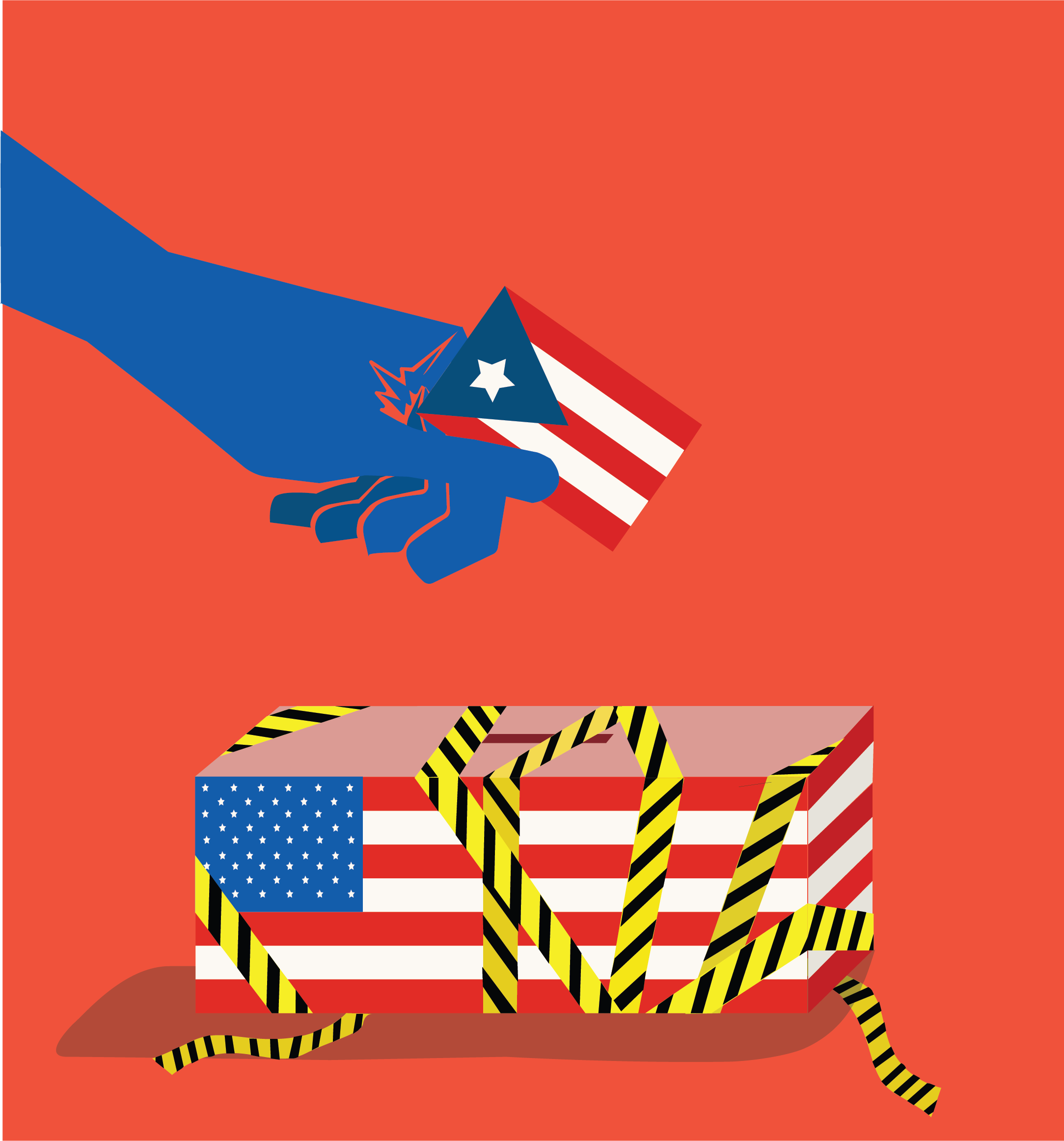
Despite not being able to cast a vote for the President, Puerto Ricans are still very much connected to the U.S. electoral process. Puerto Rico has a complex primary system where residents can participate in the selection of presidential nominees for the major political parties. These votes, while not impacting the general election outcome, do influence the direction of each party’s platform and the selection of their candidates. This participation in the primaries allows Puerto Ricans to have a voice in the nomination process, even if they are excluded from the final vote.
The participation of Puerto Ricans in presidential primaries is a testament to their engagement with U.S. politics. Many Puerto Ricans feel a strong connection to the United States due to shared citizenship, economic ties, and military service. They follow U.S. presidential campaigns, engage in political discourse, and express their preferences through the primary elections. This involvement highlights the desire of Puerto Ricans to have their voices heard on the national stage, even if their fundamental right to vote for the President remains unfulfilled.
Primary Elections and the Influence of Territory Votes
In U.S. presidential election years, Puerto Rico holds its own primary elections for both the Democratic and Republican parties. Puerto Rican voters cast ballots for their preferred presidential candidates, and these votes contribute to the delegate count for each party. While these delegates do not translate into electoral votes for the President, they are an important factor in the nomination process. Candidates often campaign in Puerto Rico, seeking to win over its voters and demonstrate their commitment to the island’s issues.
The results of the Puerto Rican primaries can sometimes have an impact on the broader nomination race, especially in close contests. Candidates who perform well in Puerto Rico can gain momentum and demonstrate their appeal to diverse U.S. constituencies. This involvement, however, does not equate to full voting rights in the general election. The distinction between participating in a party’s nomination process and voting for the President in the general election is a crucial one that underscores the limitations of Puerto Rico’s territorial status.
Implications for Travel and Tourism
The political status of Puerto Rico also has subtle yet significant implications for those visiting the island, whether for leisure or business. As a U.S. territory, Puerto Rico offers many of the conveniences and familiarities that American travelers expect. For instance, U.S. currency is used, U.S. mail is delivered, and U.S. passports are not required for travel between Puerto Rico and the mainland United States. This seamless travel experience makes it an attractive destination for American tourists looking for a tropical getaway without the hassle of international travel.
When planning a trip to Puerto Rico, visitors will find a vibrant culture, stunning natural landscapes, and a rich history. From the historic streets of Old San Juan with its iconic fortifications like Castillo San Felipe del Morro, to the lush rainforests of the El Yunque National Forest, and the bioluminescent bays of Vieques and Fajardo, the island offers a diverse range of attractions. The hospitality sector is well-developed, with a wide array of hotels, resorts, and vacation rentals catering to all tastes and budgets. Whether you’re seeking luxury at a place like the Dorado Beach, a Ritz-Carlton Reserve, or a charming boutique stay in San Juan, you’ll find plenty of options.
Exploring Puerto Rican Culture and Experiences
The unique political status of Puerto Rico has also shaped its distinct cultural identity. While deeply influenced by Spanish and American traditions, Puerto Rican culture boasts its own vibrant expressions in music, dance, art, and cuisine. Visitors can immerse themselves in the island’s rich heritage by exploring local markets, attending festivals, and savoring traditional dishes like mofongo and lechón. The warmth and resilience of the Puerto Rican people are often highlighted by visitors, adding another layer of appeal to the travel experience.
From the bustling nightlife of San Juan to the tranquil beaches of Culebra, Puerto Rico offers a kaleidoscope of experiences. The island’s infrastructure, while still recovering from past natural events like Hurricane Maria, is continuously being improved, making it more accessible and enjoyable for travelers. Understanding the political context of Puerto Rico can enhance a visitor’s appreciation for the island’s journey and its people’s aspirations. It adds a layer of understanding to the resilience and spirit that permeate this captivating U.S. territory.

Accommodation and Tourism Infrastructure
The tourism industry in Puerto Rico is a vital part of its economy, and the island boasts a wide range of accommodation options. Hotels range from sprawling resorts with all the amenities of a Grand Hyatt Hotel or a Caribe Hilton, to intimate boutique inns and charming bed and breakfasts. Apartments and villas are also readily available for those seeking more space or a longer-term stay, particularly popular for extended visits or family vacations. The development of the tourism sector is crucial for Puerto Rico’s economic well-being, and it continues to be a priority for both the local government and the U.S. federal government.
The tourism infrastructure is robust, with excellent transportation links and a well-established network of tour operators and service providers. Visitors can find everything from guided tours of historical sites to adventure excursions like ziplining through the rainforest or scuba diving in the crystal-clear waters. The emphasis on showcasing local culture, including its music, dance, and culinary traditions, is a key element of the Puerto Rican tourism experience. This focus allows visitors to connect with the island on a deeper level, moving beyond just sightseeing to truly experiencing the spirit of Puerto Rico. The blend of familiar U.S. conveniences with a unique cultural tapestry makes Puerto Rico a compelling destination for a wide range of travelers, from those seeking luxury travel experiences to those on a more budget travel adventure.