
Chicago, a city synonymous with architectural marvels, deep-dish pizza, and a vibrant cultural scene, also carries a nickname that has sparked curiosity for generations: The Windy City. While many assume this moniker is directly tied to the city’s notorious blustery weather, the origins are far more nuanced, entwined with its competitive spirit, political fervor, and the sheer ambition that has defined its character. Understanding why Chicago is called The Windy City offers a fascinating glimpse into its history, its people, and the very essence of its urban identity.
The Meteorological Myth vs. The Historical Reality
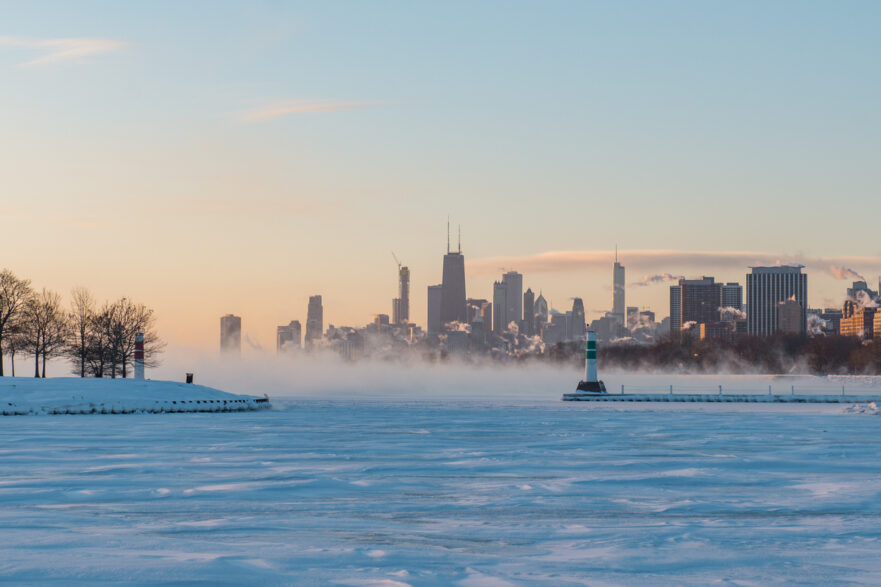
The most common explanation for Chicago’s nickname points to its geographical location. Situated on the southwestern shore of Lake Michigan, the city is indeed often buffeted by winds, especially during the colder months. These winds, channeled by the lake and the open plains to the west, can make the already frigid temperatures feel even more biting. This meteorological reality is undeniable. Visitors arriving in winter often remark on the persistent chill, and locals have long developed strategies for braving the elements, from stylish layers to a particular resilience forged by experience.
However, historical evidence suggests that the nickname predates the significant development that might have amplified the perception of its windiness. While the winds are a constant, the widespread adoption of “The Windy City” as a descriptor for Chicago didn’t fully take hold until much later in the 19th century. This leads many to question whether the weather alone is sufficient to explain the nickname’s prominence.
The Role of Geography and Climate
Chicago’s position on the vast expanse of Lake Michigan does indeed contribute to its climate. The lake acts as a moderating influence on temperature in some ways, but it also serves as a conduit for air masses. During warmer months, lake breezes can offer welcome relief from the summer heat, creating a more pleasant urban environment. Conversely, in winter, cold air masses moving across the frozen lake can bring harsh winds and severe cold. The flat terrain of the Midwest also plays a role, allowing winds to travel unimpeded for long distances before reaching the city. This combination of factors means that Chicago can be a windy city, and this perception has certainly become part of its lived experience for residents and visitors alike.
Early Mentions and The Power of Association
While the weather is a plausible, albeit perhaps incomplete, explanation, exploring Chicago’s history reveals other compelling narratives. Early references to Chicago’s windiness are scattered, but it was the growing prominence of the city and its perceived boastfulness that truly solidified the nickname.
The Competitive Spirit and The City’s Ambition
A more widely accepted and often cited origin for the nickname “Windy City” points to the fervent and often boastful nature of Chicago’s politicians and citizens, particularly during the late 19th and early 20th centuries. This era was a period of immense growth and ambition for Chicago. The city was vying for national prominence, competing with established metropolises like New York City for attention, investment, and influence.
The Great Chicago Fire and Rebirth
The Great Chicago Fire of 1871 was a devastating event, reducing much of the city to ashes. Yet, Chicago’s response was not one of despair but of relentless determination. The city rose from the rubble with astonishing speed, rebuilding and reinventing itself. This incredible resilience and the sheer will to rebuild and surpass its former glory fueled a powerful sense of civic pride, which sometimes manifested as exaggerated claims and boasts about the city’s achievements and potential.
Political Rivalry and Exaggeration
During this period, Chicago was a hotbed of political activity, with fierce rivalries and passionate debates. The city’s leaders and its press were known for their colorful and often bombastic rhetoric. When competing with other cities for major events, such as hosting the World’s Columbian Exposition of 1893, the language used to promote Chicago was often effusive and, some might say, “full of hot air.” It’s during this intense period of competition and self-promotion that the nickname “Windy City” began to gain traction, not just as a description of the weather, but as a reflection of the city’s grand pronouncements and its relentless drive to be recognized as a leading American city.
The New York Herald and The Nickname’s Popularization
A key moment in the popularization of the “Windy City” nickname is often attributed to Charles A. Dana, the editor of the New York Herald. In the 1890s, Dana, known for his sharp wit and sometimes adversarial relationship with Chicago, reportedly used the term “Windy City” in his newspaper. He allegedly employed the nickname to mock Chicago’s perceived boastfulness and the exaggerated claims made by its proponents, particularly in the context of their bid for the World’s Fair.
Dana’s influence and the reach of the New York Herald were significant. His persistent use of the term, whether as a jab or simply an observation, helped to embed “The Windy City” into the national consciousness. The nickname, while perhaps initially intended as a mild criticism, was eventually embraced by Chicagoans themselves, becoming a badge of honor that reflected their city’s vibrant spirit and unyielding ambition. The idea was that Chicagoans were full of “wind” – not just from the lake, but from their own self-assured pronouncements and their bold vision for the future.
The World’s Columbian Exposition of 1893
The competition to host the World’s Columbian Exposition was fierce, with several major cities vying for the honor. Chicago’s successful bid was a triumph, showcasing its rapid recovery and its burgeoning importance on the national stage. The exposition itself was a monumental event, attracting millions of visitors and solidifying Chicago’s reputation as a city of innovation and grandeur. The “windy” speeches and impassioned arguments made by Chicago’s delegates in their pursuit of the exposition likely fueled the nickname’s association with the city’s relentless advocacy and persuasive power.
Embracing the Nickname: From Mockery to Pride
Over time, Chicago transformed the “Windy City” label from a potential criticism into a beloved and iconic identifier. The nickname now evokes not just the physical sensation of wind but also the metaphorical “wind” of progress, the boisterous spirit of its people, and the energetic pulse of urban life. It’s a testament to Chicago’s ability to turn perception into pride.
The International Presence and Chicago’s Global Stage
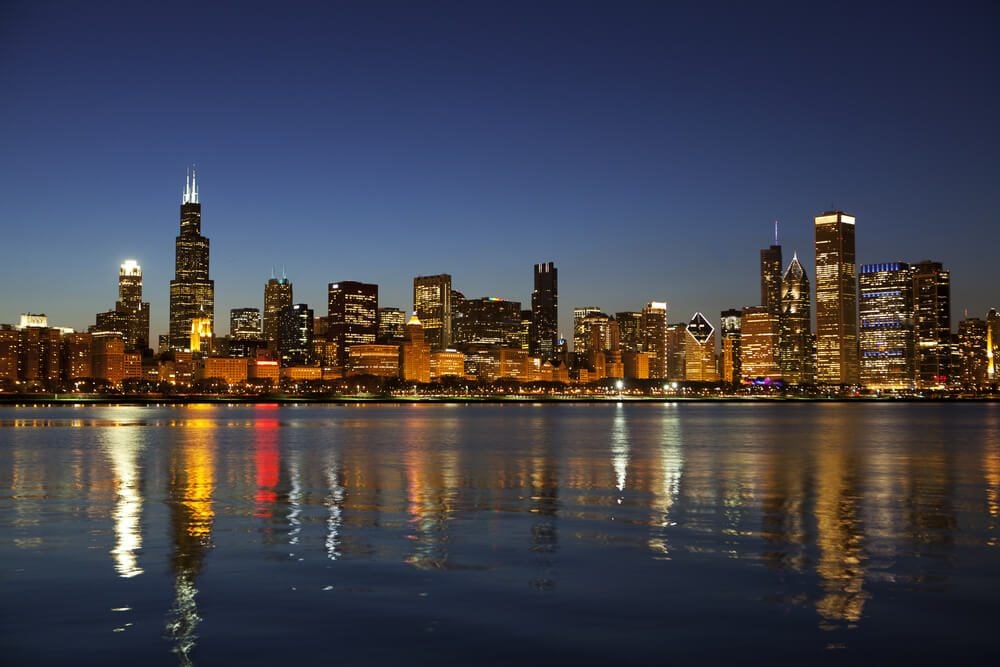
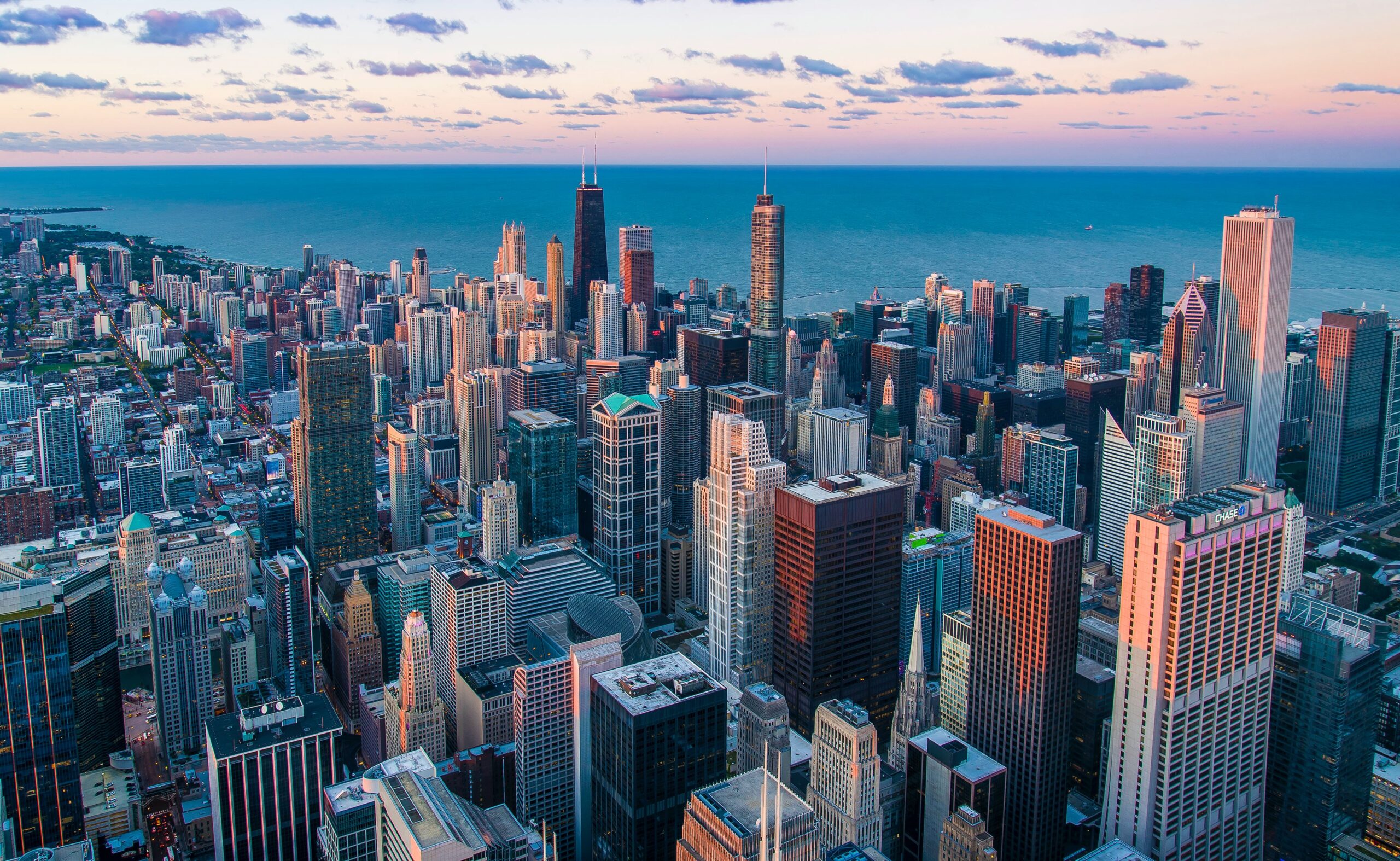
As Chicago continued to grow and evolve, its influence extended beyond national borders. The city became a hub for commerce, culture, and innovation, attracting international attention. The nickname “Windy City” traveled with this growing prominence, becoming a globally recognized identifier. When people heard “The Windy City,” they thought of Chicago’s architectural wonders like the Willis Tower (formerly the Sears Tower) and its iconic skyline, its lively arts scene, and its significant role in American history. The nickname, therefore, encapsulates more than just weather; it speaks to a city that is dynamic, ambitious, and always reaching for the sky.
Modern Interpretations and Enduring Appeal
Today, when tourists visit Chicago, the nickname “The Windy City” is often met with a knowing smile. While they might experience the actual wind, they also encounter the spirit that the nickname has come to represent: a city of resilience, bold aspirations, and a certain unpretentious swagger. It’s a city where the architectural giants, like the John Hancock Center, seem to stand tall against the elements, mirroring the spirit of its inhabitants. The nickname endures not just because of the breeze, but because it captures the essence of a city that has always been driven by a powerful current of ambition and an unwavering belief in its own potential. Whether it’s the weather or the wordplay, “The Windy City” remains a perfect descriptor for a place that is as grand and spirited as its reputation suggests.
LifeOutOfTheBox is a participant in the Amazon Services LLC Associates Program, an affiliate advertising program designed to provide a means for sites to earn advertising fees by advertising and linking to Amazon.com. Amazon, the Amazon logo, AmazonSupply, and the AmazonSupply logo are trademarks of Amazon.com, Inc. or its affiliates. As an Amazon Associate we earn affiliate commissions from qualifying purchases.