
The moniker “Windy City” is as synonymous with Chicago as deep-dish pizza or its towering skyline. For many visitors exploring the vibrant culture and rich history of this Midwest metropolis, the immediate assumption is that the city earned its name from the relentless gusts of wind sweeping off Lake Michigan. While Chicago certainly experiences its share of blustery days, the true origin of its famous nickname is far more intriguing, rooted in a fascinating blend of historical rivalry, journalistic wit, and political ambition. Understanding this narrative offers a deeper appreciation for Chicago’s enduring spirit and unique cultural identity, making it an essential piece of local knowledge for any tourist.
Dispelling the Meteorological Myth
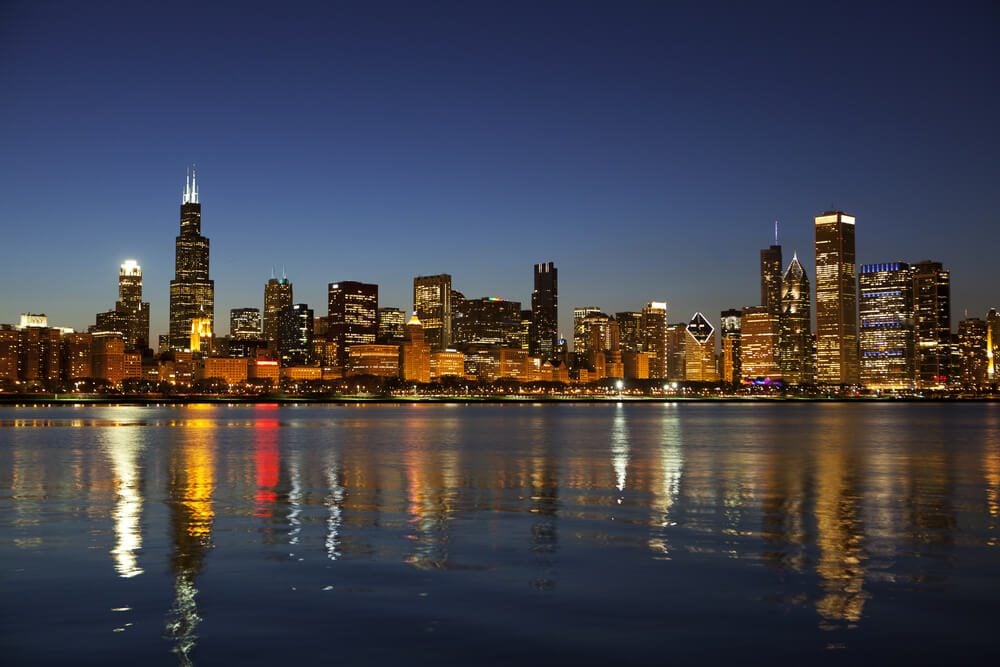
The most common misconception surrounding Chicago’s nickname is that it is the windiest city in the United States. While the city’s location on the shores of Lake Michigan does contribute to noticeable breezes, particularly along its famous waterfront, meteorological data suggests that Chicago isn’t exceptionally windier than many other major American cities. In fact, several other locations frequently record higher average wind speeds.
Chicago’s Actual Wind Patterns
According to the National Climatic Data Center, cities like Boston, New York City, and even Amarillo, Texas, often rank higher in terms of average annual wind speeds. Chicago’s placement in the Mississippi Valley funnel does expose it to strong cold fronts and occasional powerful gusts, especially during winter. However, this is a regional weather phenomenon rather than a defining characteristic that would singularly earn it such a distinctive nickname over other places. The popular perception of Chicago as exceptionally windy is largely influenced by the lakefront effect and the towering architecture that creates wind tunnels, making the experience of wind more pronounced for those on the ground.
The Lakefront Effect
The city’s extensive lakefront, stretching for miles along Lake Michigan, is undeniably a breezy area. The vast expanse of the lake creates an open environment where winds can travel unobstructed, often feeling stronger than in the more sheltered downtown core. This effect is particularly noticeable at attractions like Navy Pier or along the Lakefront Trail, where visitors often find themselves battling the elements. While these localized conditions contribute to the city’s reputation, they are not the fundamental reason behind the “Windy City” epithet. The consistent lake breezes, while a real part of Chicago’s climate, are merely a coincidental justification for a name born from a very different kind of “wind.”
The Journalistic Origins
The true genesis of the “Windy City” nickname can be traced back to the late 19th century, a period of intense rivalry between Chicago and other prominent American cities, particularly New York. It was born not of meteorological observation, but of sharp journalistic commentary and an eagerness to cast the burgeoning Midwest hub in a less-than-flattering light.
New York vs. Chicago Rivalry
In the 1880s, Chicago was experiencing an unprecedented boom. Rebuilding fiercely after the Great Chicago Fire of 1871, the city was rapidly transforming into a major industrial, transportation, and architectural powerhouse. Its ambition culminated in a fierce competition with New York and St. Louis to host the upcoming World’s Columbian Exposition of 1893. New York journalists, keen to maintain their city’s dominance and perhaps a little envious of Chicago’s rapid ascent, often mocked Chicago’s residents and their perceived arrogance. They portrayed Chicagoans as provincial upstarts full of bluster and “hot air,” rather than sophisticated urbanites. This rivalry provided fertile ground for a derogatory nickname to take root.
Charles Dana’s Influence
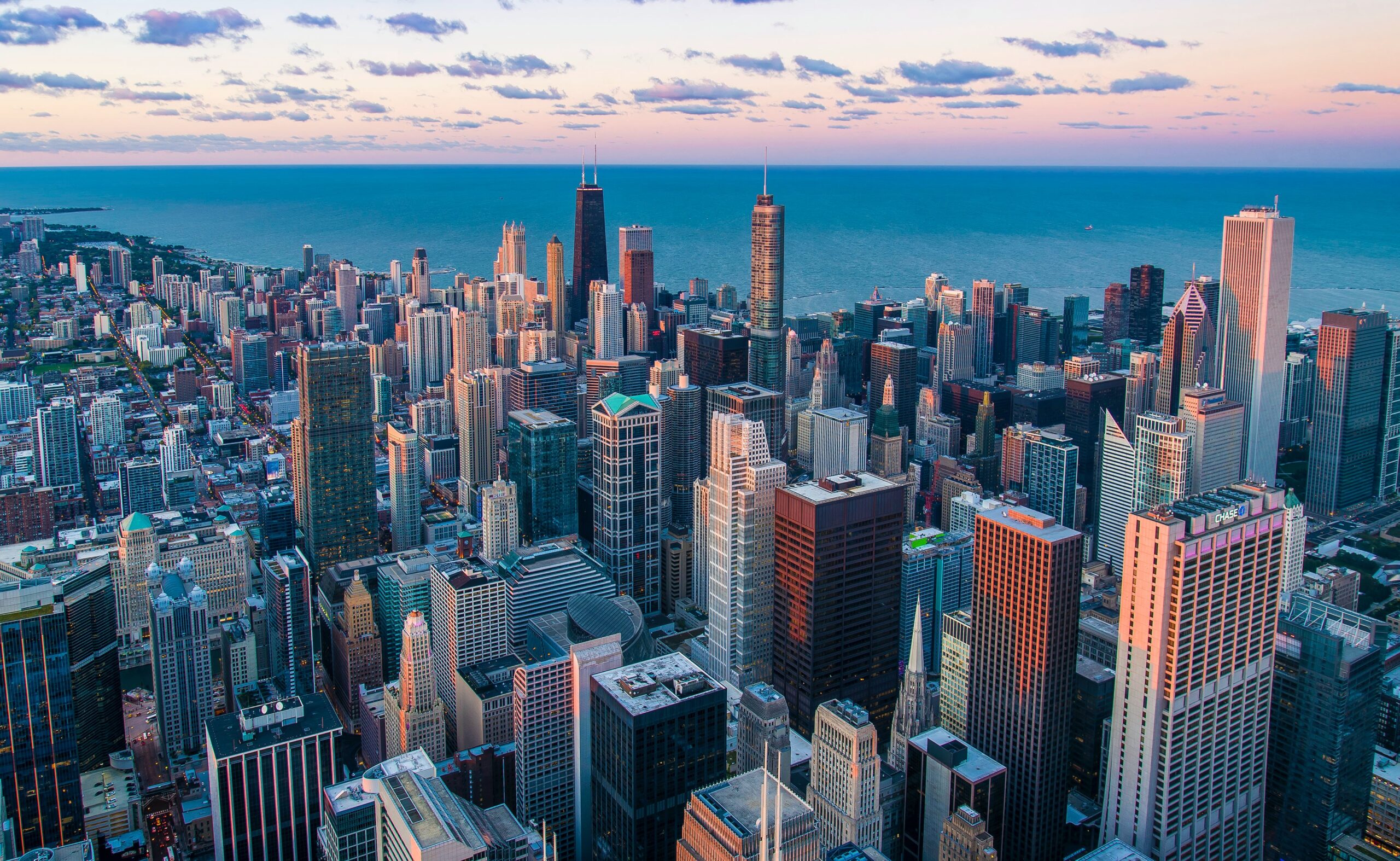
While several publications might have used the term, credit for popularizing “Windy City” is widely attributed to Charles Dana, the editor of The New York Sun. On October 21, 1890, in an editorial discussing Chicago’s bid for the World’s Columbian Exposition, Dana reportedly wrote: “Don’t print it. It’s too windy. They are all windy there.” His reference was not to the climate, but to the bombastic rhetoric and self-promotion emanating from Chicago’s proponents. This was a direct jab at the perceived boastfulness of Chicago politicians and organizers, whom Dana believed were full of “wind”—meaning empty talk or exaggerated claims—in their efforts to win the exposition.
Early Usage in Print
Before Dana’s infamous quote, the term “Windy City” had appeared in various contexts. Some historians point to a sporting event in 1876 when the Louisville Courier-Journal referred to Cincinnati as “the Windy City” due to its baseball team’s boasting. However, it was Dana’s use in the context of the World’s Fair bid that truly cemented the nickname’s association with Chicago. The phrase quickly caught on, adopted by other publications on the East Coast and soon becoming a shorthand for Chicago’s ambitious yet sometimes ostentatious character. The term, initially a slight, paradoxically became a symbol of the very ambition it sought to ridicule.
A City of “Hot Air” and Grand Ambition
The nickname, therefore, was less about weather and more about the vigorous political and social climate of Chicago during its formative years. It reflected the energy, the audacity, and sometimes the grandiloquence of a city determined to make its mark on the global stage.
The World’s Columbian Exposition and Chicago’s Bid
The battle to host the World’s Columbian Exposition was a pivotal moment for Chicago. Winning the bid over established cities like New York, Washington D.C., and St. Louis was a testament to Chicago’s lobbying power and its seemingly boundless self-confidence. This “hot air” that Dana spoke of was, in many ways, the engine driving Chicago’s resurgence and its aspiration to become a global metropolis. The exposition itself, a dazzling “White City” built on reclaimed swamp land, showcased Chicago’s ability to dream big and execute grand visions, further cementing its image as a place of immense energy and progress.
Political Rhetoric and the City’s Drive
Beyond the fair, Chicago was a hotbed of political activity and social change throughout the late 19th and early 20th centuries. From the labor movements and the Haymarket Affair to the rise of powerful political machines, the city was never quiet. Its politicians, industrialists, and community leaders were known for their powerful speeches, passionate debates, and unwavering advocacy for the city’s interests. This robust public discourse, often characterized by strong opinions and forceful persuasion, further contributed to the perception of Chicago being full of “wind” – not in a negative sense of emptiness, but in the sense of powerful, persuasive argument and an unyielding drive. The city’s history is filled with individuals who weren’t afraid to speak their minds and push their agendas, shaping Illinois and national politics.
Embracing the Moniker: Local Pride and Identity
What began as a journalistic slight has, over time, been wholeheartedly embraced by Chicagoans. The “Windy City” has transcended its origins to become a source of civic pride, embodying the resilient, determined, and no-nonsense character that defines Chicago. For tourists, understanding this cultural evolution adds layers to their visit, allowing them to appreciate the deeper narrative woven into the city’s fabric.
Beyond the Nickname: Chicago’s Enduring Spirit
The nickname “Windy City” now perfectly encapsulates the city’s unique spirit. It’s a city that has faced numerous challenges—from the devastating Great Chicago Fire to economic downturns and social unrest—and yet has always rebuilt, innovated, and pushed forward with unyielding vigor. This resilience is often reflected in the local culture, from the straightforward friendliness of its residents to its world-class institutions and its robust arts scene. The “wind” can be seen not as hot air, but as the powerful currents of progress, creativity, and determination that have propelled Chicago to its prominent position. This enduring spirit is visible in its groundbreaking architecture, its vibrant neighborhoods, and its passionate sports fans.

How the Nickname Shapes the Tourist Experience
For visitors to Chicago, knowing the true story behind “Windy City” transforms a mere geographical descriptor into a cultural insight. It encourages an exploration beyond the superficial, inviting a deeper engagement with the city’s history and character. When strolling through Millennium Park or gazing up at the Willis Tower, one can appreciate not just the physical grandeur but also the ambition and “wind” (in the sense of drive and determination) that brought these marvels into existence.
It encourages tourists to look for the echoes of that early “hot air” in the contemporary Chicago spirit: in the innovative culinary scene, the dynamic jazz and blues clubs, the thriving public art installations, and the unpretentious charm of its diverse communities. The nickname is a reminder that Chicago is a city built on big ideas and the relentless energy to see them through, making every visit an exploration of not just a place, but an enduring attitude. It adds another layer to the local culture, much like tasting an authentic Chicago hot dog or catching a Cubs game at Wrigley Field – it’s an integral part of understanding what makes Chicago truly unique. So, while you might feel a real gust of wind off Lake Michigan, remember that the city’s true “windiness” comes from a rich legacy of unbridled ambition and an unwavering belief in its own greatness.
LifeOutOfTheBox is a participant in the Amazon Services LLC Associates Program, an affiliate advertising program designed to provide a means for sites to earn advertising fees by advertising and linking to Amazon.com. Amazon, the Amazon logo, AmazonSupply, and the AmazonSupply logo are trademarks of Amazon.com, Inc. or its affiliates. As an Amazon Associate we earn affiliate commissions from qualifying purchases.