
The Golden State, known for its iconic landscapes, vibrant cities, and thriving tourism, has recently faced an unprecedented exodus of major insurance carriers. This seismic shift in the insurance landscape has profound implications, particularly for the accommodation sector—encompassing everything from luxury hotels and sprawling resorts to charming boutique apartments, private villas, and long-term residential rentals. Understanding why insurance companies are retreating from California is crucial for anyone involved in booking, owning, or managing accommodation in the state, as it directly impacts availability, cost, and the very viability of properties.
The Unraveling of the California Insurance Market
Several interwoven factors have driven prominent insurers to scale back or cease writing new policies in California. This retreat is not a simple business decision but a complex reaction to escalating risks and a challenging regulatory environment that has made doing business increasingly unprofitable or unsustainable. The impacts resonate deeply within the accommodation industry, which relies heavily on comprehensive property and liability insurance to operate.
Escalating Catastrophe Risks
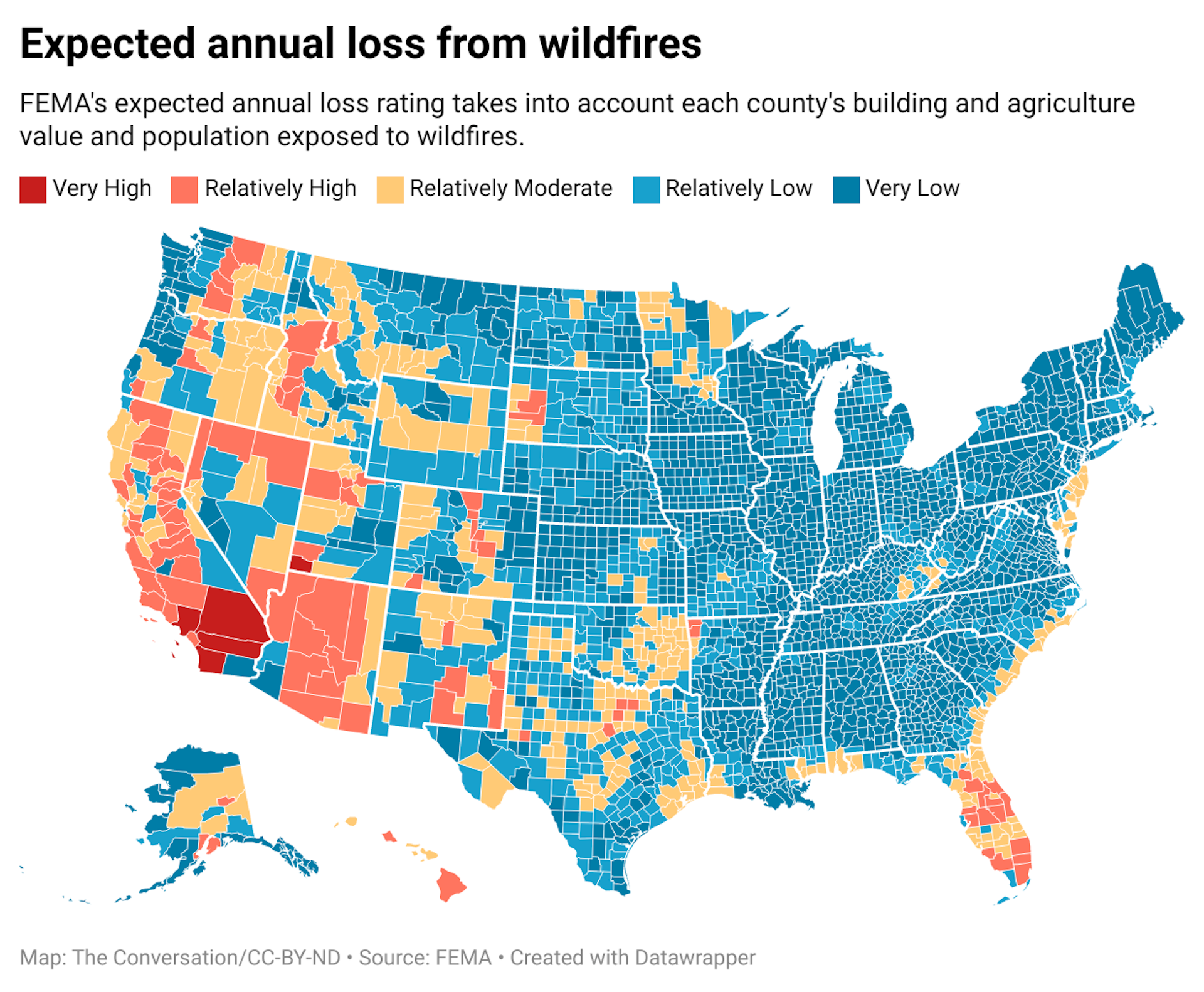
One of the most significant drivers of the insurance exodus is the alarming increase in natural catastrophe risks, primarily wildfires. California’s extended drought periods, coupled with climate change, have created a landscape highly susceptible to devastating wildfires. Areas like the Santa Monica Mountains, parts of Northern California near Napa Valley or Lake Tahoe, and even suburban areas around major metropolitan centers like Los Angeles and San Diego, have experienced catastrophic blazes. These events have resulted in billions of dollars in insured losses for homes, businesses, and critically, a wide array of accommodation properties.
Beyond wildfires, California also faces risks from earthquakes, although earthquake insurance is typically separate and often provided by the California Earthquake Authority. However, the cumulative effect of various perils contributes to an overall elevated risk profile for the state. For insurers, the frequency and severity of these events make accurate risk modeling and premium setting exceptionally difficult, if not impossible, under current conditions. Accommodation providers, especially those located in scenic but high-risk zones, find themselves at the epicenter of this risk assessment crisis.
Regulatory Constraints and Rate Approval
California’s insurance market operates under Proposition 103, enacted in 1988, which grants the state’s Insurance Commissioner the authority to approve all rate increases. While intended to protect consumers from excessive premiums, this regulatory framework has become a major point of contention for insurers. They argue that the approval process is often slow and restrictive, preventing them from raising rates sufficiently to cover their escalating costs and projected future losses, particularly from catastrophic events.
Insurers claim they are forced to base their rates on historical data rather than forward-looking models that account for increasing climate risks. This creates an unsustainable business model where premiums collected do not adequately reflect the true cost of potential payouts. For a hotel chain or a portfolio of rental properties, this means that even if an insurer wanted to cover their assets, the state-mandated premium might not allow them to do so profitably or responsibly. This regulatory bottleneck essentially puts insurers in a bind: continue to operate at a loss or withdraw from the market.
Soaring Reinsurance Costs
Another critical factor is the rising cost of reinsurance. Reinsurance is essentially insurance for insurance companies, allowing them to transfer some of their risk exposure, especially for large-scale catastrophes. Global reinsurance markets have hardened significantly in recent years due to an increase in natural disasters worldwide. This means that the cost for primary insurers to obtain reinsurance for their California policies has skyrocketed.
When an insurer cannot obtain affordable reinsurance, or if the cost becomes prohibitive, their ability to offer comprehensive property coverage at competitive rates diminishes drastically. This directly impacts large accommodation providers, such as resorts or extensive apartment complexes, which require substantial coverage limits. Without viable reinsurance, insurers are less willing to take on these large-scale risks, making it harder for significant players in the accommodation sector to secure adequate protection.
The Direct Impact on Accommodation Providers
The retreat of insurance companies has immediate and severe consequences for every segment of the accommodation industry in California. From the smallest bed-and-breakfast to the largest hotel conglomerate, the ability to secure appropriate insurance is fundamental to operation, financing, and guest safety.
Skyrocketing Premiums and Deductibles

For those accommodation providers still able to find coverage, the cost has become astronomical. Premiums have surged by hundreds of percentage points in some cases, pushing operational expenses to unprecedented levels. Alongside rising premiums, deductibles—the amount an owner must pay out of pocket before insurance kicks in—have also escalated dramatically. This means that even for minor damages, hotels or rental property owners bear a greater financial burden. These increased costs are inevitably passed on to guests through higher room rates, or they erode profitability, making it challenging for businesses to remain competitive, especially in a market sensitive to pricing, such as San Francisco or popular tourist destinations.
Difficulty Securing Coverage
Beyond cost, the sheer difficulty of finding coverage has become a major hurdle. Major carriers like State Farm and Allstate have ceased writing new property and casualty policies, leaving fewer options for new businesses or those seeking to renew with a different provider. Properties located in designated “wildfire urban interface” zones, regardless of their defensible space efforts, often struggle to obtain any coverage from standard insurers. This creates a critical vulnerability for boutique hotels in scenic mountain towns or vacation rental properties nestled among vineyards. Without adequate insurance, lenders may refuse to finance properties, and business licenses can be revoked, effectively halting operations.
Operational Challenges and Investment Freeze
The insurance crisis has created significant operational challenges. Hotel and resort managers must now dedicate substantial resources to finding and managing insurance, often navigating a labyrinth of specialty carriers and state-backed programs. The uncertainty surrounding insurance availability and cost also deters new investment in the California accommodation sector. Developers are less likely to build new hotels or expand existing resorts if the long-term viability is compromised by unpredictable and unaffordable insurance. This pause in investment could lead to a stagnation in the growth of the state’s accommodation capacity, impacting job creation and economic development within the tourism industry.
Consequences for Travelers and Future Accommodation Trends
The ripple effects of the insurance crisis extend beyond property owners and operators, directly influencing the experience and options available to travelers and those seeking long-term accommodation in California.
Reduced Availability and Higher Costs of Stays
As insurance becomes more expensive and difficult to secure, some accommodation providers may opt to close down, particularly smaller independent operators or those in high-risk areas. This could lead to a reduction in the overall supply of available rooms and rental units, especially in popular tourist regions like the Sonoma Coast or the desert oases near Palm Springs. With reduced supply and increased operational costs, the price of hotel rooms, vacation rentals, and even long-term apartment leases is likely to climb, making California an even more expensive destination or place to live. Travelers might find fewer unique lodging options and face steeper prices for their chosen experiences.
Impact on Long-Term Rental Markets
The residential rental market is also profoundly affected. Landlords, particularly those with single-family homes or smaller apartment buildings, face the same challenges in securing property insurance. If they cannot obtain coverage, or if the costs are prohibitive, they may be forced to sell their properties or pass on the increased expenses through higher rents. This further exacerbates California’s already severe housing affordability crisis, impacting residents and potentially reducing the availability of medium-to-long-term stay options popular with business travelers or digital nomads.
Uncertainty for Vacation Homeowners
For individuals who own vacation homes or operate short-term rentals, the situation is particularly precarious. Many relied on their property as an income source or a personal retreat. The inability to insure these properties adequately places significant financial risk on owners, potentially forcing sales and reducing the diversity of available vacation accommodations throughout the state. The dreams of owning a second home in a picturesque California location are becoming increasingly unattainable due to insurance woes.

Navigating the New Accommodation Landscape
In response to the crisis, accommodation providers and regulators are exploring various avenues. Risk mitigation strategies, such as investing in fire-resistant landscaping, advanced alarm systems, and structural upgrades, are becoming paramount. Some properties are turning to the California FAIR Plan, a state-mandated insurer of last resort, but this plan often provides less comprehensive coverage and can still be expensive, especially for commercial properties.
The long-term solution requires a delicate balance between consumer protection and allowing insurers to operate sustainably. Without significant regulatory reform that enables insurers to adequately price for risk and invest in mitigation efforts, the trend of insurers pulling out of California is likely to continue. For the accommodation sector, this means a future where securing comprehensive, affordable insurance remains a primary and persistent challenge, fundamentally reshaping how travelers experience and how properties operate in one of the world’s most desirable destinations.
LifeOutOfTheBox is a participant in the Amazon Services LLC Associates Program, an affiliate advertising program designed to provide a means for sites to earn advertising fees by advertising and linking to Amazon.com. Amazon, the Amazon logo, AmazonSupply, and the AmazonSupply logo are trademarks of Amazon.com, Inc. or its affiliates. As an Amazon Associate we earn affiliate commissions from qualifying purchases.