
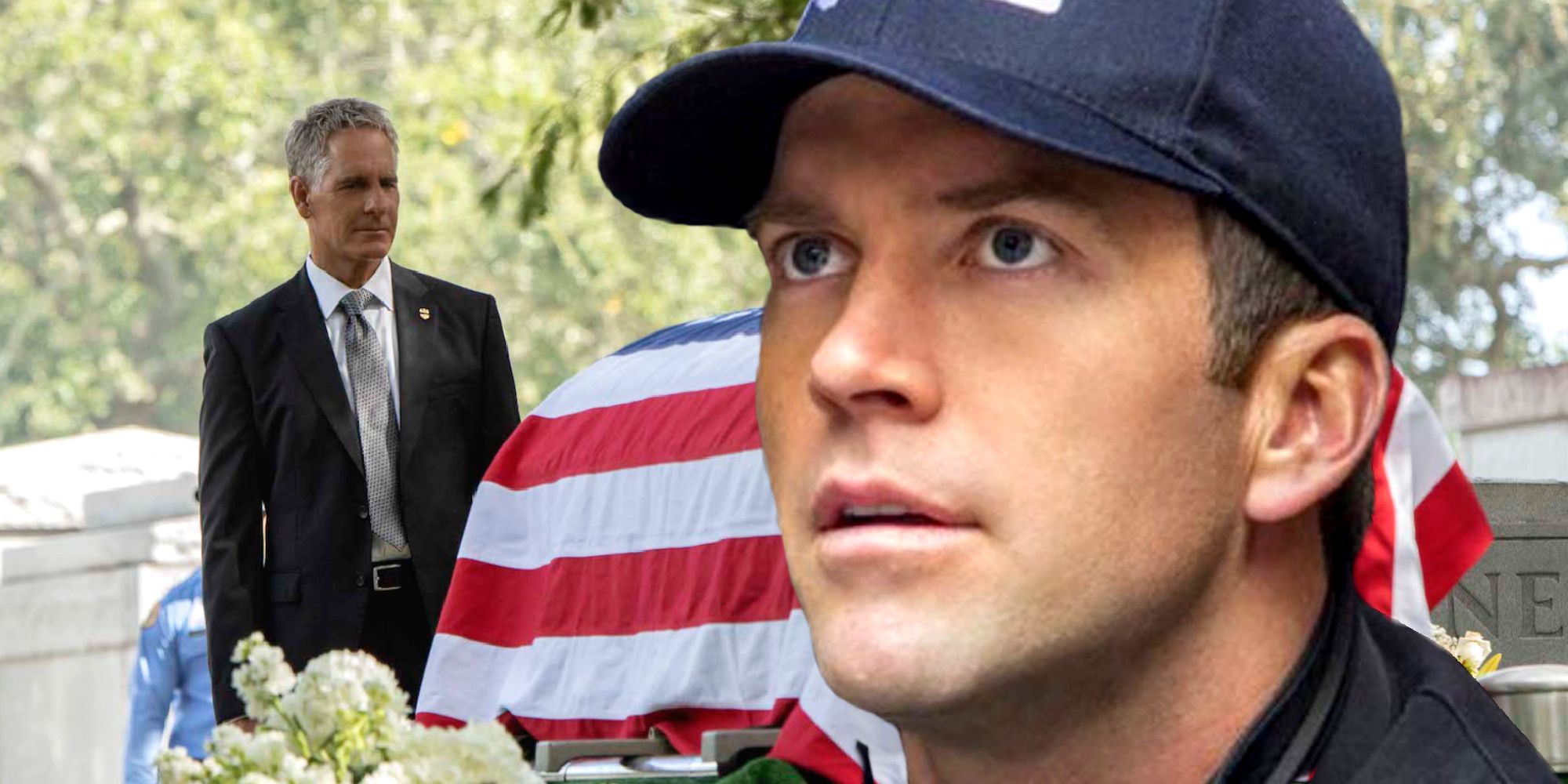
When fans of the long-running procedural drama NCIS: New Orleans watched the heartbreaking departure of Christopher LaSalle, played by Lucas Black, it wasn’t just the loss of a beloved character that resonated with the audience. It was the sudden absence of the show’s most authentic connection to the spirit, culture, and grit of the host city. While the fictional narrative saw LaSalle killed in the line of duty, the real-world reason for his exit was grounded in a desire for a life centered on family and the pursuit of a slower, more deliberate pace away from the relentless grind of television production.

The Professional Pivot Toward Personal Priorities
Lucas Black’s decision to leave New Orleans and the hit show was essentially a choice to trade the spotlight for the sanctuary of home. After years of working grueling hours on set, the actor expressed a deep-seated need to prioritize his role as a husband and a father. In an industry where 14-hour days and demanding filming schedules are the norm, the balance between professional success and personal fulfillment is often precarious.
Reclaiming Time and Presence
For many actors, the nomadic nature of location shoots—even in a vibrant place like Louisiana—creates a disconnect from the stable, everyday experiences that define a fulfilling life. By stepping away from the series during its sixth season, Black reclaimed the ability to be present for his children’s milestones and the quiet, steady rhythm of family life that filming a major network drama simply does not permit. This shift serves as a poignant reminder that even within the world of high-stakes entertainment, the most vital destination is often the home one builds away from the cameras.
The Impact of a Relentless Production Schedule
Filming a police procedural in a city as culturally dense as New Orleans requires an intense commitment. The cast and crew were deeply embedded in the local architecture, the French Quarter, and the surrounding Mississippi River areas. While the city provides an unmatched backdrop for television, the constant travel and the pressure to maintain a high-quality product week after week can lead to burnout. Black’s choice was not an indictment of the show or the city, but rather a realization that his tenure had reached its natural conclusion in the context of his personal life.
The Cultural Legacy of NCIS in New Orleans
While Christopher LaSalle was a fictional creation, his presence on screen did a great deal to highlight the unique charm and complex reality of the city. The show acted as a tourism engine, showcasing Bourbon Street, the mysterious beauty of the Bayou, and the legendary culinary scene that defines the Deep South.
Showcasing the Heart of the Gulf Coast
The series captured more than just police cases; it captured the soul of the Gulf Coast. By utilizing real locations—from the historic Garden District to the bustling Port of New Orleans—the show provided a visual love letter to the region. LaSalle’s character was deeply tied to these locations; he embodied the warmth, resilience, and occasional stubbornness that many locals pride themselves on. Even after the character’s departure, the mark left on the city’s tourism profile remains significant. Visitors often find themselves retracing the steps of the NCIS team, visiting iconic spots like the Café Du Monde or taking walking tours through the Marigny neighborhood, looking for that specific energy the show captured so effectively.
Bridging Fiction and Reality
When an actor leaves a show that is so tied to a specific geographic landmark, the audience’s perception of the location often shifts. LaSalle’s absence changed the show’s dynamic, moving it away from the specific, small-town-meets-big-city feel he provided. Yet, for those who visit New Orleans, the city remains just as vibrant. The loss of a fictional character is merely a footnote in the long, storied history of a city that has survived hurricanes, floods, and cultural shifts for centuries. It reminds travelers that while media can inspire a journey to a place like the United States, the true discovery happens when one steps off the screen and into the reality of the streets.
Why Location Matters in the Life of an Actor
The departure of Lucas Black highlights a common struggle for those working in the entertainment industry: the tension between the “place of work” and the “place of living.”
The Challenges of Long-Term Location Shooting
For years, the cast and crew lived out of hotels and short-term rentals, essentially turning Louisiana into their primary workspace. While luxury accommodations in the Warehouse District or high-end suites near the Superdome are comfortable, they lack the permanence of a family home. Actors often find themselves in a state of suspended animation, constantly balancing the prestige of their roles with the desire to put down roots.
Seeking Equilibrium
Ultimately, Black’s departure was a lesson in setting boundaries. Whether one is a high-profile actor or a corporate traveler moving between global destinations, the need to define what constitutes a “home” is essential. When the scale tips too far toward work, the travel experience—no matter how glamorous the destination—loses its luster. LaSalle may have left the NCIS team, but in doing so, he gained the freedom to define his own life path. This decision resonates with many who feel the pressure to be everywhere at once, reminding us that we always have the right to choose where we plant our feet and where we choose to stay.

A Legacy Beyond the Screen
The departure of Christopher LaSalle served as a turning point for NCIS: New Orleans, forcing the narrative to evolve. Similarly, the departure of a person from a city or a job often forces a change in the observer’s perspective. People who tuned in to see the charm of the South were left with a vacancy, a reminder that characters—much like travelers—are only ever passing through.
The story of why LaSalle left is not one of controversy or discord, but of a quiet, intentional transition. It mirrors the experience of many who realize that while a destination may be beautiful, it is not always where one is meant to stay forever. Whether you are traveling to explore the vibrant history of the United States or moving to a new city to start a career, there comes a time when you must weigh the professional gain against the personal toll. In the end, Lucas Black’s decision was the ultimate act of self-preservation, ensuring that while his character’s journey ended in the Crescent City, his own journey could continue on his own terms, far from the lights and the cameras, in the peace of a life lived according to his own priorities.
LifeOutOfTheBox is a participant in the Amazon Services LLC Associates Program, an affiliate advertising program designed to provide a means for sites to earn advertising fees by advertising and linking to Amazon.com. Amazon, the Amazon logo, AmazonSupply, and the AmazonSupply logo are trademarks of Amazon.com, Inc. or its affiliates. As an Amazon Associate we earn affiliate commissions from qualifying purchases.