
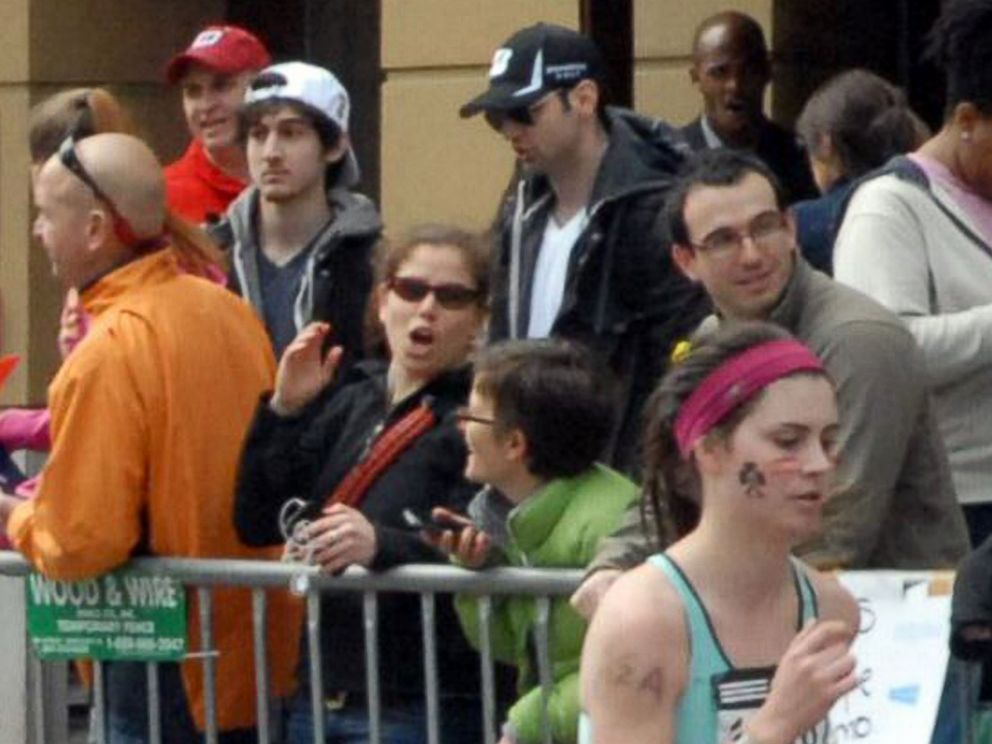
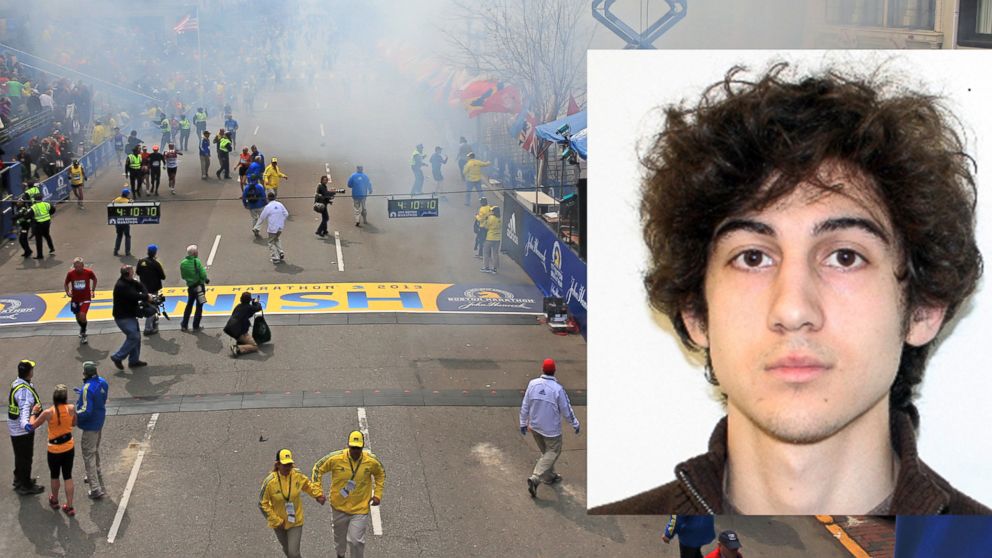
The devastating events of April 15, 2013, at the finish line of the Boston Marathon shocked the world, leaving an indelible mark on the city of Boston and the collective consciousness of the United States. While the immediate aftermath focused on rescue, recovery, and the pursuit of justice, a deeper question lingered: Why target such a widely beloved public event, a cornerstone of Boston’s identity? The answer, when viewed through the lens of urban planning, cultural significance, and the symbolism of landmarks, reveals a deliberate choice to strike at the heart of community and shared public spaces. The bombers sought to exploit the inherent openness and celebratory nature of the Boston Marathon finish line, transforming a site of triumph and gathering into one of terror, aiming to undermine the very essence of communal public life that makes such landmarks vital.
The Symbolic Significance of Targeting Public Landmarks
Terrorist acts often target sites that hold deep symbolic meaning, aiming to maximize psychological impact beyond physical destruction. The choice of the Boston Marathon finish line on Boylston Street was no accident; it was a strategic decision to attack a major cultural landmark. This annual event, more than just a race, embodies themes of perseverance, community spirit, and shared public celebration. By disrupting this revered gathering, the perpetrators sought to sow fear, challenge the perceived security of everyday life, and undermine the communal bonds that define a vibrant city like Boston. The vulnerability of open public spaces, designed for accessibility and mass participation, became a weapon in the hands of those seeking to destabilize societal norms and generate widespread terror.
The Boston Marathon as a Cultural Landmark
The Boston Marathon is not merely a sporting event; it is a global icon, recognized as the world’s oldest annual marathon, with a history stretching back to 1897. Its route, winding through several Massachusetts towns before culminating in Boston, is lined with spectators who gather to cheer on runners. The finish line on Boylston Street, adjacent to historical sites like the Boston Public Library in Copley Square, is a place where athletic dreams are realized, personal boundaries are pushed, and communal joy reaches its zenith. This particular stretch of road, filled with cheering crowds and exhausted runners, transforms into a temporary, yet profoundly significant, cultural landmark each Patriot’s Day. It symbolizes human endurance, civic pride, and the ability of a city to host a magnificent, inclusive event. Targeting such a cherished institution was a direct assault on Boston’s spirit and a challenge to the accessibility and safety of public celebrations worldwide.
Vulnerability of Open Public Spaces
A fundamental characteristic of truly great cities is their commitment to accessible and vibrant public spaces. From historic squares to bustling street festivals, these areas are designed to be open, inviting, and permeable, encouraging interaction and shared experience. However, this very openness presents a significant security challenge. Unlike enclosed venues with controlled entry points, landmarks such as the Boston Marathon finish line are inherently difficult to secure completely without fundamentally altering their public character. Terrorists exploit this reality, seeking out targets where large numbers of people gather in unconstrained environments. The intention is not just to cause casualties, but to erode the sense of security associated with these common spaces, fostering fear and distrust in the very places designed to unite communities. The philosophical dilemma remains: how can societies protect their cherished public landmarks and events without sacrificing the openness and accessibility that make them valuable in the first place?
Redefining Security and Resilience for Iconic Sites
In the wake of such attacks, cities are compelled to redefine their approach to security for iconic sites and major public events. The challenge lies in enhancing protection measures without erasing the historical integrity or public accessibility of these landmarks. Boston’s response, epitomized by the “Boston Strong” mantra, showcased a profound commitment to resilience, demonstrating how communities can reclaim and fortify their public spaces against future threats while preserving their essential character. This involves a delicate balance of visible and invisible security measures, designed to deter, detect, and respond to threats without turning open areas into fortresses.
Enhancing Protection Without Erasing History
Post-2013, security protocols for the Boston Marathon and similar large-scale public gatherings underwent significant evolution. Measures such as increased police presence, expanded surveillance systems, enhanced bag checks for spectators, and more rigorous perimeter controls became standard. Yet, critical attention was paid to integrating these changes in a way that maintained the event’s celebratory atmosphere and the city’s historical aesthetic. For landmarks like the Boston Public Library and the general Copley Square area, the focus shifted to bolstering structural integrity, employing advanced technology for threat detection, and improving emergency response coordination. The goal was to fortify these sites without resorting to an overtly militarized appearance that would detract from their beauty and accessibility. The subtle integration of bollards, advanced camera networks, and trained security personnel ensures that history remains visible and accessible, protected by unseen layers of defense.
Community Vigilance and the Preservation of Public Access
Beyond physical security enhancements, a crucial aspect of protecting landmarks and public events has been the cultivation of community vigilance. Phrases like “See something, say something” have empowered citizens, transforming them into active participants in public safety. In Boston, this translated into an unprecedented level of cooperation between law enforcement and the public, leading to critical intelligence sharing and a collective ownership of public security. This community-centric approach is vital for open spaces, as it supplements formal security systems with human intelligence and awareness. Furthermore, maintaining and even increasing public access to landmarks and celebratory events is an act of defiance against terrorism. It sends a powerful message that fear will not dictate how communities interact with their shared spaces. The continued vibrancy of the Boston Marathon each year, with its undiminished crowds and spirit, stands as a testament to this commitment.
Long-Term Impact on Urban Spaces and Memory
The targeting of landmarks leaves an enduring legacy, permanently altering the perception and use of specific urban areas. However, it also catalyzes a powerful process of remembrance and reclamation. The creation of memorials, the resilience of community gatherings, and the continued vibrancy of these spaces demonstrate a profound societal commitment to healing and moving forward. These efforts integrate tragedy into the historical narrative, transforming sites of terror into powerful symbols of endurance, unity, and hope.
Memorials as New Landmarks of Remembrance
In the aftermath of such devastating events, the desire to honor victims and acknowledge the tragedy often leads to the creation of permanent memorials. These memorials, like the one established near the Boston Marathon finish line, become new landmarks in their own right. They are not merely monuments but evolving spaces for reflection, remembrance, and education. They serve as poignant reminders of past events, ensuring that the lives lost are not forgotten and that the lessons learned are passed down through generations. These memorials add new layers to the historical and cultural significance of their locations, transforming a site of terror into a beacon of shared human experience and resilience, weaving the memory of tragedy into the fabric of urban history. They symbolize the collective human capacity to remember, mourn, and ultimately, to endure.

Reclaiming Public Spaces for Future Generations
The ultimate response to an attack on a public landmark is the unwavering commitment to reclaim and revitalize that space. For Boston, this meant ensuring that the Boston Marathon continued to thrive, that Boylston Street remained a vibrant commercial and social hub, and that Copley Square continued to welcome visitors and residents alike. Reclaiming these spaces involves more than just rebuilding; it means actively participating in the events that define them, supporting the local businesses, and fostering an environment where fear does not overshadow joy. It is a continuous, collective effort to ensure that future generations can experience these landmarks with the same sense of freedom, community, and safety that was challenged. The spirit of human connection and the vital role of landmarks in fostering collective memory stand as powerful testaments to an enduring legacy, ensuring that the reasons behind such attacks are never forgotten, but never allowed to triumph.
LifeOutOfTheBox is a participant in the Amazon Services LLC Associates Program, an affiliate advertising program designed to provide a means for sites to earn advertising fees by advertising and linking to Amazon.com. Amazon, the Amazon logo, AmazonSupply, and the AmazonSupply logo are trademarks of Amazon.com, Inc. or its affiliates. As an Amazon Associate we earn affiliate commissions from qualifying purchases.