
The departure of the Brooklyn Dodgers from Brooklyn in 1958 remains one of the most significant and emotionally charged events in baseball history. For generations, the Dodgers were inextricably linked to the identity of Brooklyn, a borough of New York City teeming with passionate fans and a vibrant culture. Their move to Los Angeles wasn’t a simple relocation; it was a seismic shift that reverberated through sports, urban planning, and the collective consciousness of millions. While the official pronouncements often centered on financial viability and expanded markets, the story is a complex tapestry woven from economic pressures, changing demographics, ambitious land developers, and the allure of a burgeoning Western metropolis.
The narrative of the Dodgers’ exodus is a fascinating case study, offering insights not only into the business of professional sports but also into the broader themes of urban transformation and the evolving American landscape. It touches upon elements of travel and tourism in the sense of how cities and their attractions change, how people connect with places, and the role of iconic institutions in shaping a city’s identity. The story also intersects with the concept of landmarks, as the team and its beloved ballpark were, in many ways, a defining landmark for Brooklyn. Furthermore, it delves into the lifestyle choices of professional franchises and the significant impact they can have on the communities they leave behind and the new ones they adopt.
The Shifting Sands of Baseball and Urban Economics
The post-World War II era witnessed a profound transformation in the United States. Suburbanization was on the rise, and the economic landscape of major cities began to shift. New York City, while still a powerhouse, was experiencing its own internal changes. Brooklyn, in particular, was grappling with the aftermath of its industrial boom and the outward migration of its population.
Financial Realities and Walter O’Malley’s Vision
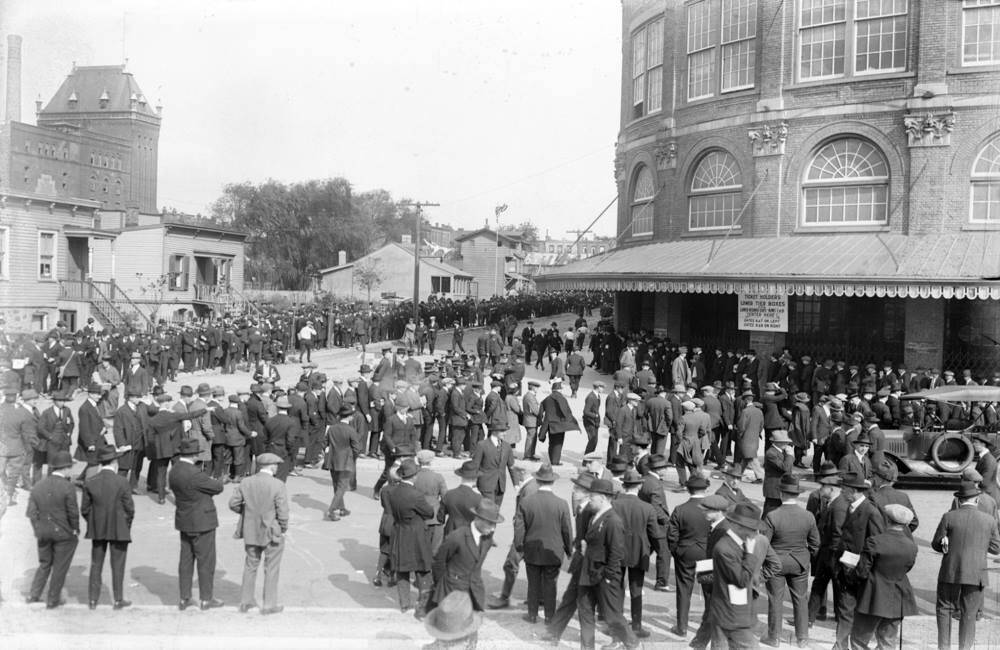
At the heart of the Dodgers’ move was the complex financial situation and the ambitious vision of their owner, Walter O’Malley. O’Malley, a shrewd businessman, recognized that Ebbets Field, the Dodgers’ home since 1913, was a relic of a bygone era. The ballpark was aging, cramped, and lacked the modern amenities that were becoming increasingly important for generating revenue. Its capacity was relatively small, limiting ticket sales, and its surrounding infrastructure in Brooklyn was not conducive to the kind of commercial development that could significantly boost the team’s profitability.
O’Malley had long sought a new stadium in Brooklyn to replace Ebbets Field. He envisioned a modern, state-of-the-art facility that would not only serve as a premier baseball venue but also become a significant commercial hub, attracting development and generating substantial ancillary income. However, his plans faced significant hurdles. A proposed project at the site of the old Long Island Rail Road station in Flatbush was famously blocked by powerful political figures, most notably Robert Moses, who controlled much of the urban planning and development in New York City. Moses had his own grand designs for the city, which did not include accommodating O’Malley‘s stadium aspirations in Brooklyn. This political impasse proved to be a pivotal moment, effectively shutting the door on any realistic prospect of a new, modern stadium in the team’s ancestral home.
The lack of a viable stadium solution in Brooklyn forced O’Malley to explore other options. He began to eye the West Coast, where the landscape of professional sports was ripe for expansion. The burgeoning population of California and the burgeoning Los Angeles metropolitan area presented a tantalizing opportunity. Los Angeles was a rapidly growing city, eager for major league sports franchises to match its expanding global profile. The prospect of a new, modern stadium in Los Angeles, coupled with a vast, untapped market of potential fans, proved to be an irresistible draw for O’Malley. He saw the potential for immense financial success and a lasting legacy in a city that was looking to cement its place on the national stage. This pursuit of a modern stadium and a more profitable market was a significant factor in the decision to leave Brooklyn, intertwining the team’s fate with the economic development of a new region.
The Allure of Los Angeles: A New Frontier

The decision to move to Los Angeles was not made in a vacuum. Los Angeles was experiencing unprecedented growth in the post-war era, transforming from a sprawling collection of towns into a dynamic, international metropolis. This growth created a fertile ground for the expansion of professional sports and entertainment.
A City on the Rise and the Promise of a New Stadium
Los Angeles, at the time, was actively seeking to attract major league sports franchises. The city had already seen the success of the Los Angeles Rams (an NFL team) in 1946 and was eager to add a baseball team to its sporting portfolio. The region’s rapidly expanding population, a mix of established residents and new arrivals drawn by job opportunities and the promise of a sunnier lifestyle, represented a massive untapped market for a professional baseball team. Unlike the densely packed, established urban environment of New York City, Los Angeles offered a vast, sprawling territory with the potential to draw fans from a much wider geographical area.
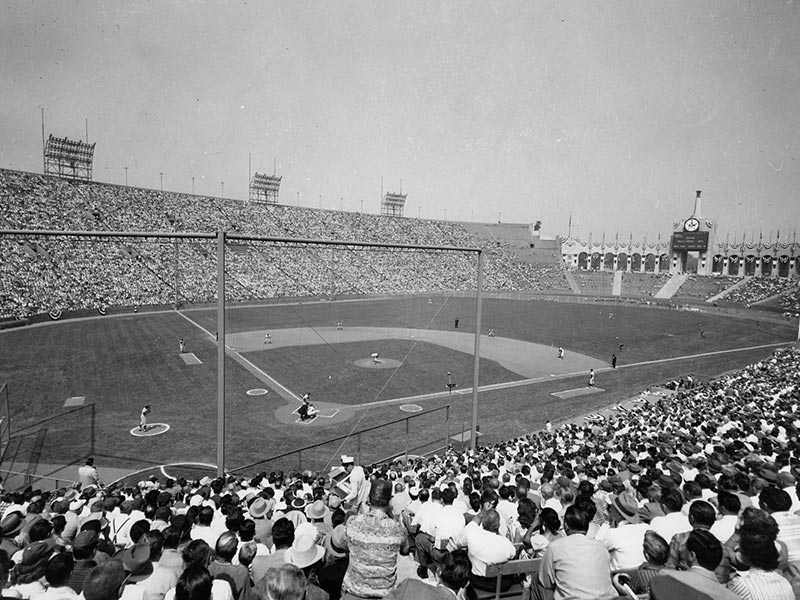
Walter O’Malley recognized this potential. He envisioned a modern, expansive stadium that could accommodate a much larger fan base and generate significant revenue through concessions, parking, and naming rights. He found a willing partner in Los Angeles city officials and businessmen who were eager to embrace the prestige and economic benefits that a major league baseball team could bring. The city offered the prospect of building a brand new, state-of-the-art stadium, something that had been impossible to achieve in Brooklyn. This promise of a modern facility in a growing market was a powerful incentive.
The development of what would become Dodger Stadium in the Chavez Ravine area was a significant undertaking. The construction of the stadium was a testament to the ambitious development plans being undertaken in Los Angeles at the time. It represented a major investment in the city’s infrastructure and a clear signal of its commitment to becoming a major league city. The move to Los Angeles was not just about finding a new home for the team; it was about aligning the Dodgers with a city that was aggressively pursuing growth and international recognition. The combination of a burgeoning population, a welcoming civic attitude towards professional sports, and the promise of a first-class facility made Los Angeles an incredibly attractive destination for Walter O’Malley and the Brooklyn Dodgers. The team’s relocation became a symbol of Los Angeles‘ ascent as a major American city and its growing influence in the national sports landscape.
The Enduring Legacy and the Echoes of Loss
The move of the Brooklyn Dodgers to Los Angeles had profound and lasting consequences, not only for the franchise and its fans but also for the cities involved and the broader landscape of professional sports. While the team found success and built a new legacy on the West Coast, the departure left a void in Brooklyn that was felt for decades.
A Symbol of Change and a Tale of Two Cities
The Dodgers‘ departure from Brooklyn became a potent symbol of change and loss for many. For generations, the team had been more than just a sports franchise; it was an integral part of Brooklyn‘s identity, a source of pride and community. The chants of “Wait ’til next year!” echoed through the stands of Ebbets Field, representing a shared hope and a collective experience that bound the borough together. The loss of the Dodgers was perceived by many as a betrayal, a severing of ties that had been forged over decades of shared triumphs and heartbreaks. This sentiment resonated deeply within the Brooklyn community, becoming a significant chapter in its history and a poignant reminder of the changing dynamics of urban life and the business of sports.
In contrast, Los Angeles embraced its new team with enthusiasm. The Dodgers quickly became a beloved fixture in Southern California, and Dodger Stadium became a renowned landmark. The team’s success on the field, including multiple World Series championships, cemented their status as a premier franchise and helped to integrate them into the fabric of Los Angeles culture. The team’s presence contributed to the city’s growing reputation as a major league sports capital and a vibrant hub of entertainment. The move represented a shift in the baseball world, highlighting the growing influence of the West Coast and the increasing commercialization of professional sports.
The story of the Brooklyn Dodgers‘ move to Los Angeles is a rich and complex one, illustrating the interplay of economic forces, urban development, and the deep emotional connections between sports teams and their communities. It serves as a powerful reminder of how decisions made in the boardrooms can reshape the identity of cities and leave an indelible mark on the hearts of fans, creating a legacy that continues to be debated and remembered years later. The journey from Brooklyn to Los Angeles remains a compelling narrative in American sports history, a tale of ambition, opportunity, and the enduring power of a beloved baseball franchise.