
California, a land synonymous with sun-drenched beaches, iconic Hollywood glamour, and breathtaking natural landmarks, draws millions of visitors and residents alike with its vibrant lifestyle and endless opportunities for travel and tourism. From the bustling streets of Los Angeles to the rolling vineyards of Napa Valley and the majestic beauty of Yosemite National Park, the Golden State offers an unparalleled experience. However, beneath the veneer of its golden glow lies a reality that often surprises newcomers and frustrates long-time residents: the exceptionally high cost of car insurance. For many considering a move to California or even just planning an extended road trip requiring rental car insurance, this expense can be a significant budget consideration, impacting everything from accommodation choices to overall travel plans.
Understanding why car insurance premiums are so steep in California requires a deep dive into a complex interplay of factors, ranging from dense urban populations and aggressive driving conditions to the state’s unique legal and environmental landscape. It’s not just one single element but a confluence of circumstances that elevate prices, distinguishing California from many other states. For those dreaming of a California adventure, whether it’s a luxury travel experience or a budget-friendly exploration, comprehending these underlying costs is crucial for financial planning and ensuring a smooth journey.
The Dynamics of Dense Populations and Treacherous Traffic
California’s allure means it’s one of the most populous states in the United States, and a significant portion of its population is concentrated in sprawling metropolitan areas. This high density of people translates directly into a high density of vehicles on the road, creating an environment ripe for accidents.
Urban Sprawl and Complex Road Networks
Cities like Los Angeles, San Francisco, San Diego, and Sacramento are known for their intricate networks of freeways and surface streets, often stretching for miles, connecting vast suburbs to central business districts. The sheer volume of cars, trucks, and motorcycles navigating these complex systems daily drastically increases the probability of collisions. More vehicles on the road mean more opportunities for fender-benders, serious accidents, and even multi-car pile-ups, each resulting in costly insurance claims. Tourists visiting popular attractions or navigating between various destinations often find themselves caught in this challenging traffic, emphasizing the need for comprehensive coverage even during short stays.
The Infamous Commute Culture
For many Californians, long commutes are an unavoidable part of daily lifestyle. The average commute time in major California cities often exceeds national averages, meaning drivers spend more time on the road, particularly during rush hour. This prolonged exposure to heavy traffic conditions statistically increases the likelihood of accidents. Furthermore, aggressive driving habits, distracted driving, and a general sense of urgency contribute to a hazardous driving environment. Insurance companies factor in these higher risks directly into their premium calculations, viewing California drivers as having a greater chance of filing a claim compared to their counterparts in less congested regions. This impacts everything from personal vehicle insurance to the cost of insuring a fleet of rental cars at an airport near a major tourism hub.
The High Cost of Living and Repair in the Golden State
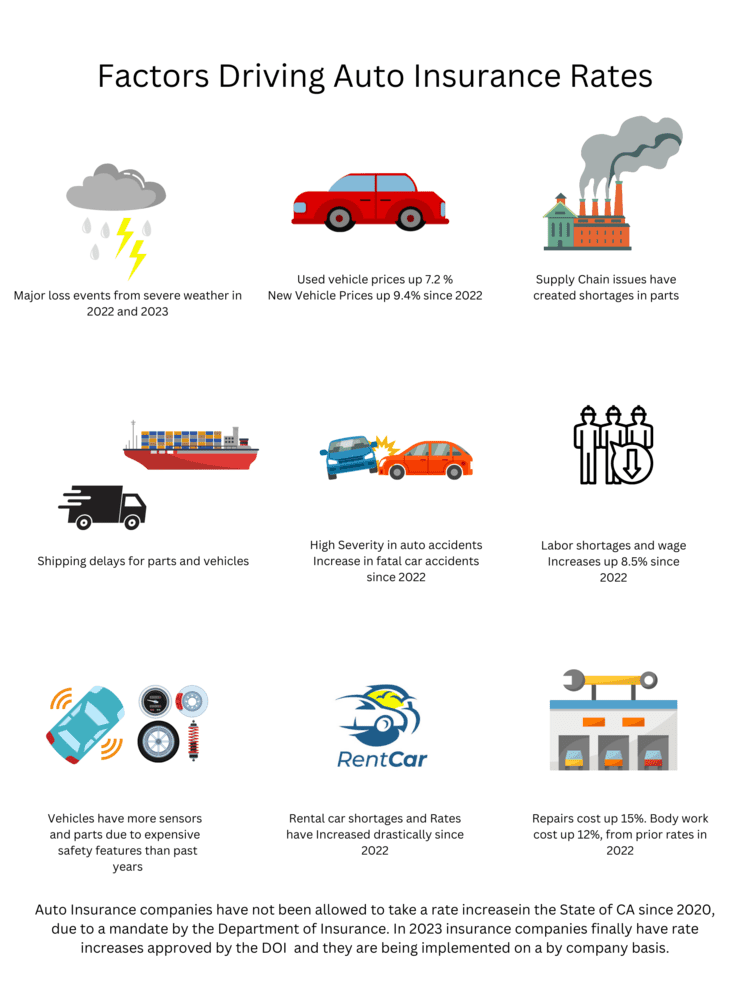
California is renowned for its elevated cost of living, which extends far beyond housing and groceries. This economic reality significantly inflates the expenses associated with car insurance claims, making it a pivotal factor in the state’s high premiums. From the cost of labor to the price of vehicle parts, every aspect of post-accident recovery is more expensive here. This impacts not only residents but also visitors who might incur costs if their rental car is damaged while exploring the state’s scenic routes or urban centers.
Labor Costs and Auto Repair Expenses
The cost of skilled labor in California is among the highest in the nation. Auto mechanics, body shop technicians, and other professionals involved in vehicle repair command higher wages to match the state’s steep living expenses. These elevated labor costs are passed directly onto consumers and, consequently, onto insurance companies when they pay out claims for repairs. Even minor repairs can quickly accumulate into substantial bills, pushing up the average claim payout. This ripple effect means that insurers must collect more in premiums to cover these higher operational costs, reflecting the general expense of maintaining a particular lifestyle in the state.
The Problem of Vehicle Theft and Vandalism
Unfortunately, California also contends with significant rates of vehicle theft and vandalism, particularly in densely populated urban areas and popular tourist destinations where parked cars can be targets. Certain models of cars are frequently targeted, driving up the risk profiles for their owners. When vehicles are stolen or vandalized, insurance companies bear the cost of replacing the vehicle or repairing the damage. These losses contribute significantly to the overall pool of claims, compelling insurers to adjust premiums upwards for all policyholders. This risk factor is especially pertinent for those choosing specific accommodation types without secure parking or for visitors leaving their rental cars unattended while exploring attractions.
Navigating Natural Disasters and Environmental Risks
Beyond the urban jungle and economic realities, California’s unique geography and climate present a distinct set of risks that weigh heavily on car insurance costs. The state is no stranger to dramatic natural events, from raging wildfires to seismic activity, all of which can result in extensive vehicle damage.
Wildfire Risks and Vehicle Damage
Wildfires have become an increasingly frequent and devastating force in California, particularly during the dry season. These catastrophic events not only threaten homes and lives but also destroy vehicles in their path. Cars parked near affected areas or attempting to evacuate can be consumed by flames or damaged by smoke and falling debris. Insurance companies face colossal payouts for comprehensive claims related to wildfire damage. The increasing intensity and spread of these fires mean that a larger geographic area is considered high-risk, leading to higher premiums for residents even in areas not directly adjacent to traditional fire zones. This is a crucial consideration for anyone planning a road trip through California’s diverse landscapes, particularly those venturing into areas near national parks or forests, which are popular travel destinations.
Earthquake Preparedness and Hidden Costs
While direct earthquake damage to vehicles is often less severe than, say, wildfire damage, the potential for indirect impacts is substantial. Earthquakes can cause infrastructure damage, leading to road closures, debris, and increased accident risk immediately following a tremor. Furthermore, personal injury claims can skyrocket during such events, and the overall disruption to services can delay repairs, contributing to higher costs. While specific earthquake coverage for vehicles is typically part of a comprehensive policy rather than a separate rider (unlike homeowners’ insurance), the general risk profile of living in a seismically active region is factored into the broader insurance landscape. This adds another layer of financial complexity to living or operating a business in California, influencing the overall budget for both personal lifestyle and tourism infrastructure like hotels and resorts.
The Regulatory Environment and Burden of Fraud
California’s robust consumer protection laws and unique regulatory framework, combined with the persistent issue of insurance fraud, significantly influence how insurance companies operate and price their policies in the state. These factors introduce additional costs that are ultimately passed on to policyholders. Understanding this legislative and ethical landscape is key to comprehending the local insurance market.
The Impact of Proposition 103
Perhaps one of the most significant pieces of legislation affecting California insurance is Proposition 103, passed in 1988. This ballot initiative mandates that insurance companies get approval from the state’s insurance commissioner for any rate changes. It also requires that rates be based on specific factors: the insured’s driving safety record, annual miles driven, and years of driving experience, among others. While designed to protect consumers from arbitrary rate hikes, the regulatory hurdles and lengthy approval processes can make it challenging for insurers to adjust quickly to rising costs of claims, inflation, or new risks. This can create a lag where insurers are under-collecting, eventually leading to larger, more significant rate increases once approval is granted. This complex regulatory environment influences the profitability and operational strategies of insurance providers in California, impacting everyone from individual drivers to businesses in the hospitality sector with large vehicle fleets.
The Burden of Insurance Fraud
Insurance fraud, in all its forms, is a pervasive and costly problem in California. From staged accidents and exaggerated injury claims to false theft reports and inflated repair bills, fraudulent activities drain billions of dollars from the insurance industry annually. These fraudulent claims force insurance companies to spend more on investigations and ultimately pay out on claims that are not legitimate. To offset these losses and the costs associated with combating fraud, insurers raise premiums for all honest policyholders. This unseen cost is a substantial contributor to why car insurance in California remains so high, reflecting the societal challenges that contribute to the overall expense of living and doing business in the state.
High Healthcare Costs and a Litigious Society
Finally, the intertwined issues of California’s expensive healthcare system and its reputation as a litigious environment play a crucial role in escalating car insurance premiums. Personal injury claims following an accident can become incredibly costly, directly impacting insurers’ bottom lines.
Soaring Medical Expenses
California is home to some of the most advanced medical facilities and highly skilled healthcare professionals in the United States. However, this quality often comes with a hefty price tag. The cost of medical treatment, rehabilitation, and long-term care for injuries sustained in car accidents is exceptionally high in the state. When an insurance company pays out for personal injury protection (PIP) or bodily injury liability claims, a significant portion goes towards these medical expenses. As healthcare costs continue to rise, so too do the payouts for accident-related injuries, directly translating into higher insurance premiums for drivers. This reality affects not just residents but also the consideration for comprehensive travel insurance for visitors, especially if they plan on driving extensively.

The Litigious Nature of California
California has a reputation for being a litigious state, where individuals are often more inclined to seek legal recourse following an accident. This environment means that personal injury claims frequently involve attorneys, adding legal fees and potential court settlements or judgments to the already high medical costs. The prospect of large financial awards in lawsuits incentivizes injured parties to pursue legal action, further increasing the financial burden on insurance companies. Insurers must budget for these potential legal costs and higher settlements, which translates into higher liability coverage premiums for all drivers. This aspect of California’s legal landscape underscores the comprehensive nature of the state’s insurance costs, impacting everything from individual lifestyle choices to the operational costs for tourist vehicle fleets or corporate business stays.
In conclusion, the high cost of car insurance in California is not a simple issue but a multifaceted challenge stemming from its unique blend of environmental, demographic, economic, and legal factors. From the relentless traffic in its major cities and the sky-high costs of repairs and healthcare, to the constant threat of natural disasters and the complexities of its regulatory and legal systems, every element contributes to the overall expense. For residents, this means carefully budgeting for this significant outgoing. For travelers and those considering moving to the Golden State, understanding these dynamics is essential for preparing for the realities of its vibrant, yet costly, automotive landscape. While the allure of California remains undeniable, driving its roads comes with a financial responsibility that reflects its unique place in the United States.
LifeOutOfTheBox is a participant in the Amazon Services LLC Associates Program, an affiliate advertising program designed to provide a means for sites to earn advertising fees by advertising and linking to Amazon.com. Amazon, the Amazon logo, AmazonSupply, and the AmazonSupply logo are trademarks of Amazon.com, Inc. or its affiliates. As an Amazon Associate we earn affiliate commissions from qualifying purchases.