
The story of the Los Angeles Dodgers is perhaps the most significant relocation in the history of professional sports. It transformed not just a baseball franchise, but the cultural landscape of the American West. While modern fans associate the team with the sunshine and palm trees of Southern California, the move from Brooklyn was a contentious, high-stakes gamble driven by urban planning, postwar economics, and the vision of one man: Walter O’Malley.
The Decline of Ebbets Field and the Brooklyn Infrastructure Crisis
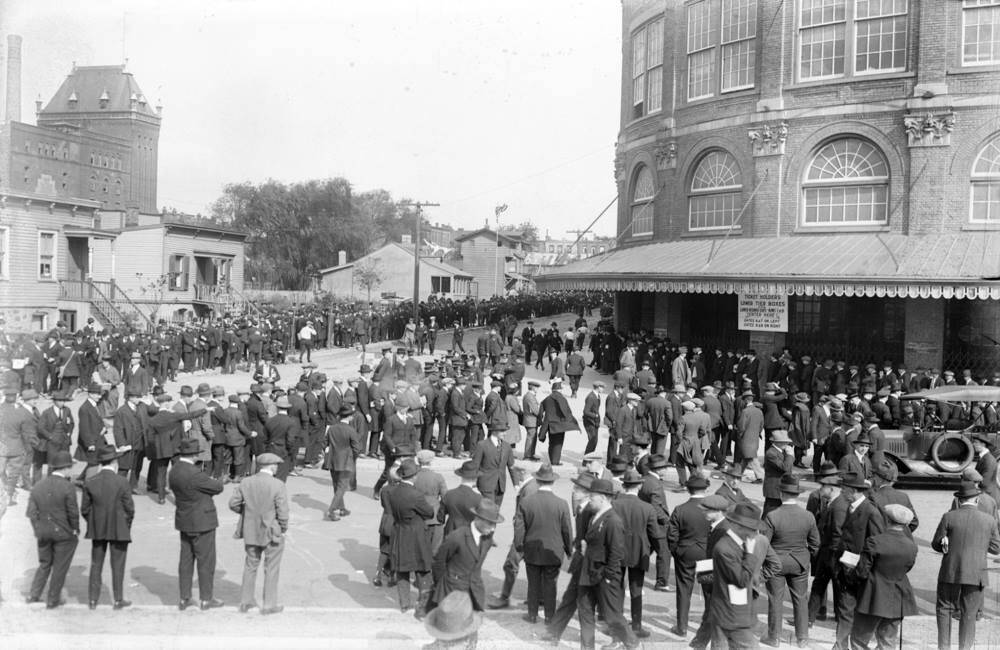
In the mid-1950s, the Brooklyn Dodgers were a national institution, but they were trapped by the physical limitations of their home. Ebbets Field, located in the Flatbush neighborhood, was a historic landmark, but it was failing. By modern standards, the facility was claustrophobic, aging, and increasingly inaccessible to the burgeoning automobile culture of the time.
The Parking Problem
The primary physical obstacle for the franchise was the lack of parking. New York City had undergone massive demographic shifts following World War II. Fans were moving from the dense, subway-reliant boroughs of New York into the suburbs. These fans wanted to drive to games, but Ebbets Field sat in a tight urban grid with virtually no room for the sprawling parking lots necessary to accommodate 30,000-plus fans.
Walter O’Malley’s Failed Negotiations
Walter O’Malley, the team’s owner, recognized that his business model was hitting a ceiling. He spent years lobbying New York City officials, specifically Robert Moses, the city’s powerful “master builder,” to authorize the construction of a new, domed stadium. O’Malley envisioned a modern arena that would be accessible by car and fit for the next century of baseball. However, Robert Moses consistently blocked these efforts, favoring a site in Queens that O’Malley deemed unsuitable for the team’s economic future. The stalemate made it clear to O’Malley that his vision for a profitable, modern franchise would not happen in his home borough.
The Allure of the West: A City Ready for Major League Baseball
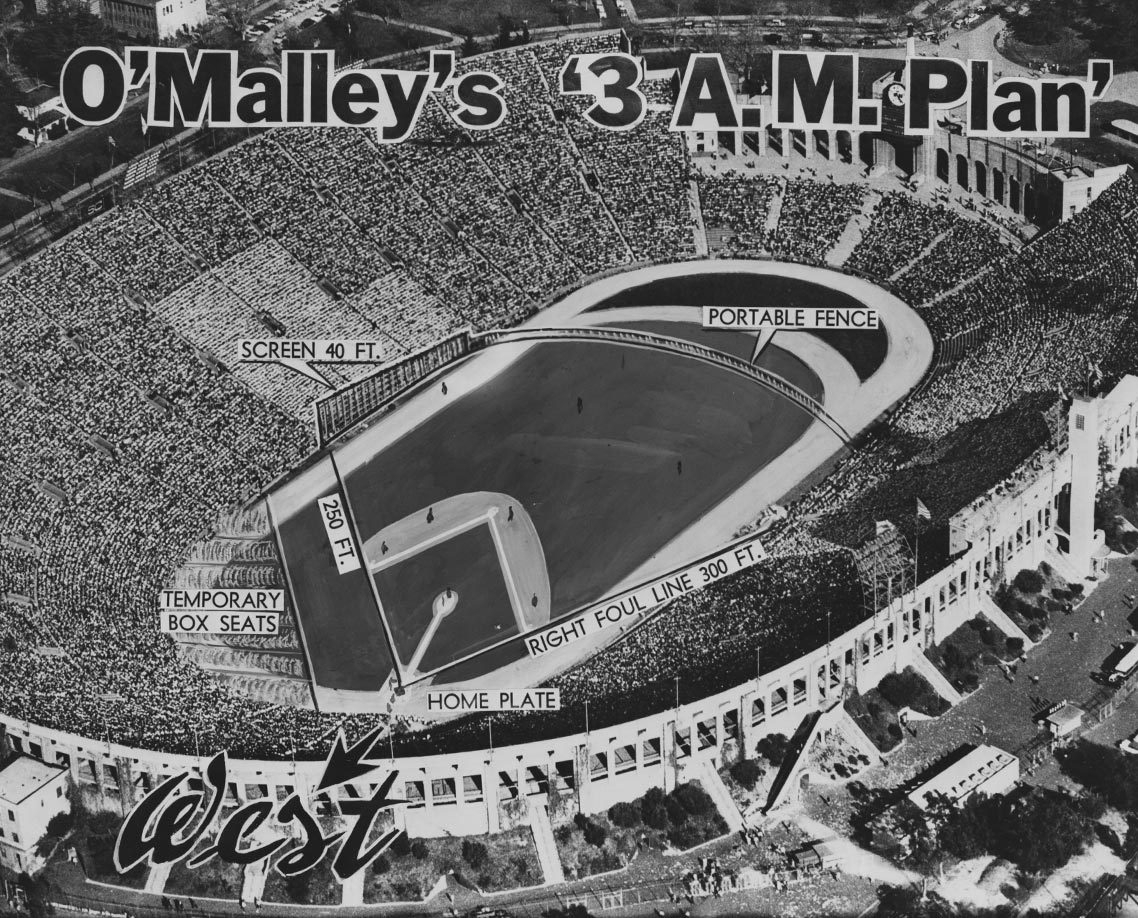
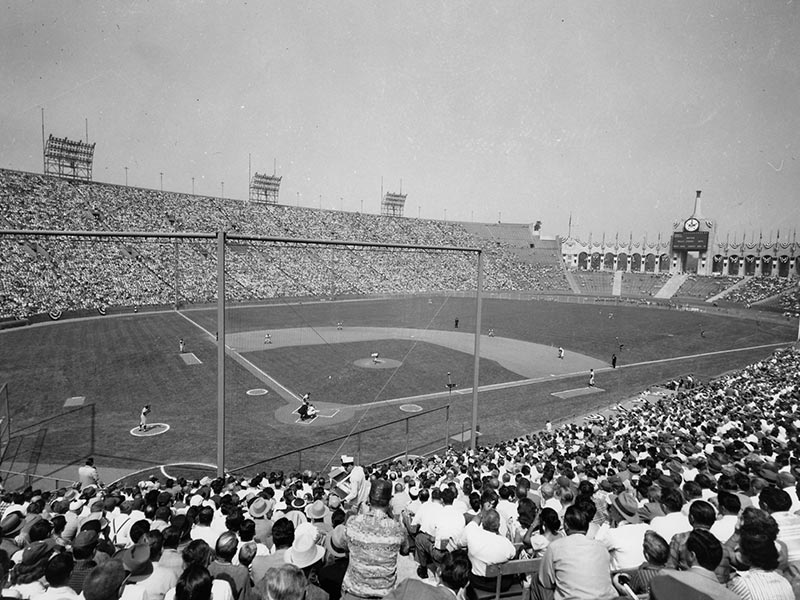
While Brooklyn turned its back on the team, Los Angeles was reaching out with open arms. In the 1950s, Los Angeles was the fastest-growing city in the United States. It was a sprawling metropolis defined by the automobile and a booming middle class that was hungry for the prestige and legitimacy that major professional sports could provide.
Bringing the Major Leagues to the West Coast
Before 1958, there were no Major League Baseball teams west of St. Louis. The National League was entirely anchored in the East and Midwest. Los Angeles officials, particularly Mayor Norris Poulson, were desperate to put the city on the map as a premier destination for commerce and culture. They actively courted O’Malley, promising him the land and the political support that New York City had denied him.
The Geography of Opportunity
The decision to relocate was also a masterclass in regional expansion. By bringing the Dodgers to California, O’Malley realized he could tap into a massive, untapped market. He wasn’t just moving a team; he was creating a regional monopoly. At the time, the San Francisco Giants were also considering a move to the Bay Area. O’Malley convinced the Giants to follow him west, creating a natural, ready-made rivalry that guaranteed attendance and television interest from the moment they landed.
The Transformation: Building Dodger Stadium and a New Legacy
Once the move was finalized in 1958, the challenge shifted from logistics to integration. The transition was not without its own set of trials, most notably the legal battle over Chavez Ravine, the neighborhood chosen for the team’s new home.
The Construction of a Modern Icon
The construction of Dodger Stadium was a revolutionary moment in architectural history. Built into the hillside, the stadium was a marvel of mid-century design. Unlike the urban, enclosed ballparks of the East Coast, this venue featured open sightlines, expansive parking lots, and a sense of airiness that reflected the Southern California lifestyle. It became a destination in itself, serving as the crown jewel of the city’s efforts to modernize.
A New Identity
The move fundamentally changed the Dodgers. In Brooklyn, they were the scrappy “Bums,” a team defined by their underdog status and deep community ties. In Los Angeles, they became a symbol of the “New West”—glamorous, efficient, and forward-looking. The franchise helped integrate Hollywood celebrities into the sports culture, with stars like Frank Sinatra and Doris Day becoming frequent faces at games.
The relocation succeeded in ways that transcended the diamond. It proved that a sports team could act as an anchor for urban development and regional identity. By shifting the gravitational pull of the National League westward, the Los Angeles Dodgers did more than just change cities; they paved the way for the modern era of professional sports, where the stadium experience and the regional appeal are just as important as the game itself. When visitors today drive through the palm-lined entrance of Dodger Stadium, they aren’t just visiting a ballpark—they are visiting the site where the geography of American sports was permanently altered.
LifeOutOfTheBox is a participant in the Amazon Services LLC Associates Program, an affiliate advertising program designed to provide a means for sites to earn advertising fees by advertising and linking to Amazon.com. Amazon, the Amazon logo, AmazonSupply, and the AmazonSupply logo are trademarks of Amazon.com, Inc. or its affiliates. As an Amazon Associate we earn affiliate commissions from qualifying purchases.