The presence of a Bible in a hotel room is a phenomenon so common that it often goes unnoticed, yet it sparks curiosity for many travelers. For decades, this seemingly ubiquitous amenity has been a quiet staple in countless accommodations around the globe, from modest motels to grand, sprawling resorts. It’s a tradition deeply rooted in a specific philanthropic endeavor, aiming to provide comfort, solace, and spiritual guidance to guests far from home. Understanding why hotels continue this practice, or in some cases, have begun to move away from it, offers a fascinating glimpse into the evolution of hospitality, guest expectations, and the subtle interplay of culture and comfort in the world of travel.
A Historical Tradition: The Gideons International
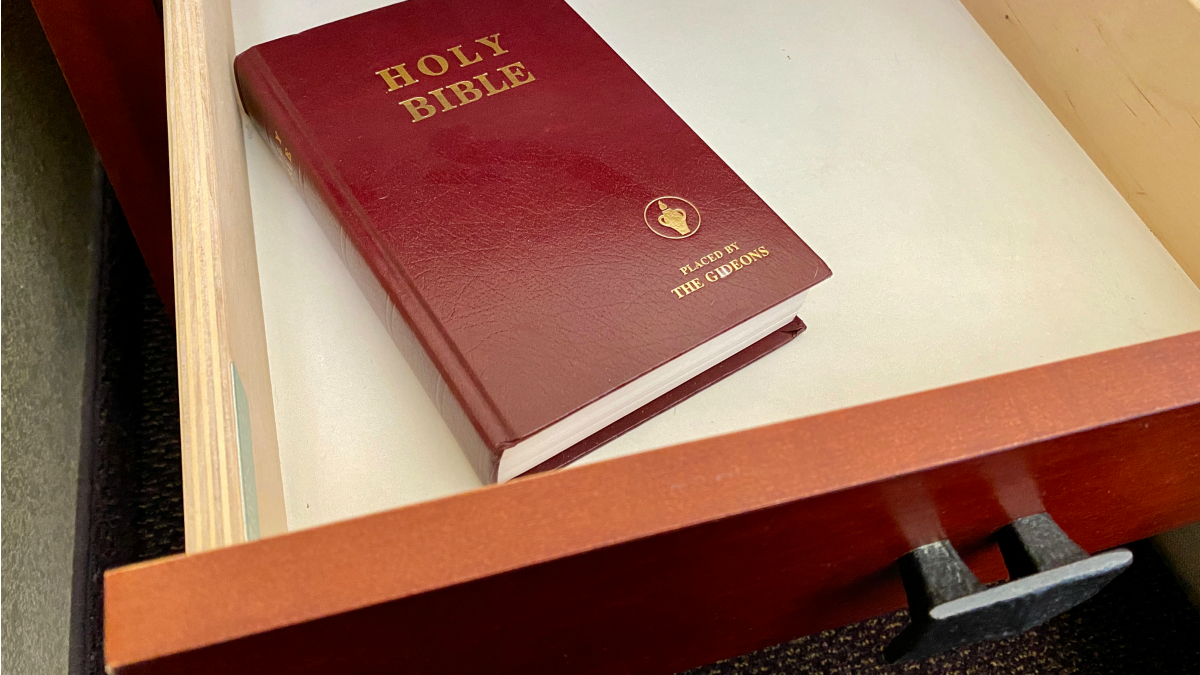
The story of the hotel Bible begins not with hotel chains themselves, but with a dedicated organization known as The Gideons International. Founded in 1899, this association of Christian businessmen had a singular, ambitious mission: to spread the Christian message by placing Bibles in public places, particularly where travelers might find themselves in need of spiritual comfort. Their initiative quickly became synonymous with hotel rooms, transforming a simple book into an expected feature of the overnight stay.
The Founding and Mission
The roots of The Gideons International trace back to a chance encounter between two traveling salesmen, John H. Nicholson and Samuel E. Hill, who shared a room at a hotel in Boscobel, Wisconsin, in 1898. Discovering their shared faith, they discussed the challenges of maintaining spiritual discipline while constantly on the road. The following year, joined by William J. Knights, they formally established an organization aimed at fostering fellowship among Christian traveling men.
It wasn’t until 1908, however, that the organization’s iconic mission took shape. During their convention in Louisville, Kentucky, a member suggested placing a Bible in every hotel room across the United States. The idea was born from the belief that travelers, often isolated and facing various personal or business pressures, could benefit greatly from access to scripture. The first hotel to receive Gideons Bibles was the Superior Hotel in Iron Mountain, Michigan, marking the beginning of a legacy that would stretch for over a century. The Gideons offer these Bibles free of charge to hotels, hospitals, and other institutions, relying on donations and the volunteer efforts of their members. This charitable model made it an attractive proposition for hotels, as it provided a service to guests without incurring any direct cost.
Global Reach and Impact
From its humble beginnings, The Gideons International expanded its reach exponentially. Today, the organization distributes millions of Bibles and New Testaments annually in over 200 countries, territories, and possessions. Their distinctive blue Bibles, often embossed with “Gideons” on the cover, have become a recognized symbol in hotel rooms worldwide. This extensive distribution network means that whether you’re staying in a bustling New York City hotel, a quaint guesthouse in rural England, or a business hotel in Tokyo, there’s a good chance you’ll find one nestled in the nightstand drawer.
The impact of this initiative goes beyond mere numbers. For many, particularly those of Christian faith, the presence of a Bible offers a tangible connection to their beliefs while away from their home communities. It can be a source of comfort during lonely nights, a guide during personal crises, or simply a familiar object in an unfamiliar setting. The Gideons’ work has profoundly shaped the standard amenities offered in accommodation, embedding a spiritual element into the very fabric of the hospitality industry.
Providing Comfort and Solace to Travelers
Beyond the historical impetus provided by The Gideons International, the continued presence of Bibles in hotel rooms speaks to a deeper understanding of the traveler’s experience. Hotels, at their core, are designed to offer a temporary refuge, a place of rest and rejuvenation. For many, spiritual comfort is an integral part of this offering, even if it’s not explicitly requested.
A Sense of Familiarity
Travel can be disorienting. Guests often find themselves in unfamiliar cities, navigating new cultures, and adjusting to different routines. The hotel room, while a temporary sanctuary, can still feel impersonal. The presence of a Bible can provide a small but significant element of familiarity, particularly for those raised in Christian traditions. It’s an object that resonates with home, offering a sense of stability and reassurance in an otherwise transient environment. This subtle touch can contribute to a feeling of being cared for and understood, enhancing the overall guest experience and contributing positively to their lifestyle away from home.
For some, it’s not about actively reading the text but rather the symbolic gesture. It signifies that the hotel considers the holistic well-being of its guests, including their spiritual dimension. This thoughtfulness can be particularly appreciated by individuals on business trips, solo travel adventures, or those experiencing personal challenges while away from their support networks.
Spiritual Support in Times of Need
While hotel stays are often associated with leisure and tourism, they can also coincide with difficult life events. People travel for funerals, medical emergencies, or to cope with personal crises. In such moments, away from the familiar comforts of home and community, a hotel room can feel particularly isolating. For individuals grappling with grief, anxiety, or existential questions, a Bible can serve as an immediate and accessible source of spiritual support.
It offers a quiet space for reflection, prayer, or finding passages that offer hope and solace. The anonymous nature of a hotel room can sometimes make it easier for individuals to engage in personal spiritual practice without feeling observed or judged. This access to spiritual resources, even if unused by the majority, underscores the hotel’s role in providing a comprehensive environment for its guests, catering to a range of potential emotional and spiritual needs.
Addressing Diverse Beliefs
While the tradition primarily involves Christian Bibles, the underlying principle – providing spiritual comfort – extends beyond a single faith. Many modern hotels, especially those catering to a diverse international clientele, are re-evaluating their approach to religious texts. Some establishments choose to offer a selection of holy books, including the Quran, Torah, Bhagavad Gita, or Buddhist scriptures, upon request. Others opt for a more secular approach, providing meditation guides or mindfulness resources.
This shift reflects a broader understanding of inclusivity in the hospitality industry. As travel becomes more globalized, and hotels host guests from every corner of the world, catering to a multitude of belief systems becomes increasingly important. The challenge lies in balancing tradition with the evolving expectations of a diverse guest demographic, ensuring that all feel welcomed and respected, regardless of their spiritual path.

Beyond the Bible: Evolving Guest Amenities
The discussion around Bibles in hotel rooms naturally leads to a broader conversation about guest amenities and the evolving landscape of hospitality. What was once a standard offering is now subject to changing guest preferences, operational considerations, and a push towards greater personalization and inclusivity.
Modern Interpretations of Comfort
Contemporary travelers often seek personalized experiences and amenities that align with their specific lifestyle and values. While the quiet comfort of a Bible still resonates with some, others might prioritize different forms of well-being. Modern hotels are experimenting with a wide array of amenities designed to enhance guest comfort and relaxation. This might include:
- Wellness Offerings: Yoga mats, in-room fitness equipment, guided meditation apps, spa services, or healthy snack options. Many boutique hotels and luxury hotels are transforming rooms into wellness retreats.
- Technological Integration: Smart home features, high-speed Wi-Fi, streaming services, and personalized entertainment options. Guests expect seamless connectivity, whether for work or leisure, reflecting a digital-first approach to modern accommodation.
- Local Experiences: Curated guides to local attractions, partnerships with local businesses, and opportunities to engage with the unique culture of the destination. This shifts the focus from a generic offering to a more authentic and immersive tourism experience.
- Sustainability Initiatives: Eco-friendly toiletries, linen reuse programs, and information on the hotel’s environmental efforts. Conscious travelers increasingly prefer establishments that align with their values for responsible travel.
These amenities reflect a broader trend in hospitality: moving from a one-size-fits-all approach to offering tailored experiences that cater to diverse needs and interests. The Bible, while historically significant, is now part of a much larger ecosystem of thoughtful touches that define a hotel’s brand and guest promise.
Personalization and Inclusivity
The push for personalization and inclusivity is reshaping how hotels approach religious texts. Rather than making assumptions about a guest’s faith, many establishments are adopting a “by request” policy for Bibles and other holy books. This approach respects individual preferences and avoids imposing a particular belief system on guests. Some hotels might offer a small, discreet card indicating that religious texts are available at the front desk, ensuring that those who seek them can easily access them, while those who do not wish to encounter them are not confronted by them.
This strategy aligns well with the evolving lifestyle preferences of a diverse global clientele. For example, a secular traveler from Europe might prefer a room devoid of religious symbols, while a devout individual from the Middle East might appreciate access to the Quran. Hotels that successfully navigate this delicate balance often earn higher guest satisfaction ratings, demonstrating their commitment to thoughtful service and respect for all cultures and beliefs.
The Future of Religious Texts in Hospitality
The trajectory of Bibles and other religious texts in hotel rooms is likely to continue evolving. As global travel expands and guest demographics become even more varied, hotels will face ongoing choices about how best to serve their diverse clientele while staying true to their brand identity.
Balancing Tradition with Modern Expectations
For many established hotel chains, particularly those with a long history in countries where The Gideons International has been active for decades, completely removing Bibles might be seen as breaking with tradition or alienating a segment of their loyal customer base. The decision often involves careful consideration of brand image, target audience, and guest feedback. Some hotels, especially those catering to family travel or faith-based groups, may continue to prominently feature Bibles as a valued amenity.
Conversely, newer, more contemporary brands, or those specifically targeting a younger, more secular, or international demographic, might opt for a minimalist approach or provide diverse spiritual resources on demand. The balance will often be struck through a nuanced understanding of their specific market and a commitment to providing comfort in ways that are relevant to their guests.
The Role of Digital Resources
The digital age offers new avenues for spiritual and reflective resources in hotel rooms. Instead of physical books, future accommodation might integrate spiritual texts and mindfulness apps directly into in-room tablets or smart TVs. Guests could then choose from a library of religious scriptures, meditation guides, or inspiring readings tailored to their preferences, without the need for physical copies taking up space. This approach offers unparalleled flexibility and personalization, aligning with the tech-savvy expectations of modern travelers.
Such digital offerings could also easily accommodate a wider range of faiths and spiritual paths, from Christianity and Islam to Buddhism and secular mindfulness practices. It provides an inclusive solution that respects individual choice and adapts to the growing diversity of global tourism, ensuring that hotels continue to be places of comfort and contemplation for everyone, regardless of their beliefs. The journey of the hotel Bible, from a universal fixture to a more specialized or digital offering, mirrors the broader evolution of the hospitality industry itself – constantly adapting to meet the changing needs and desires of its global guests.