
The curious absence of a 13th floor in many hotels around the world is a phenomenon rooted in a peculiar blend of superstition, cultural history, and business pragmatism. While seemingly a minor detail, this architectural quirk offers a fascinating glimpse into how deeply ingrained certain beliefs can be, even in modern, secular societies, and how businesses adapt to cater to a wide range of guest perceptions. This practice, often referred to as triskaidekaphobia (the fear of the number 13), has become a silent, unacknowledged standard in the hospitality industry, particularly in Western cultures.

The Roots of Triskaidekaphobia
The aversion to the number 13 is not a recent invention. Its origins are often traced back to ancient times, with several theories attempting to explain its widespread unease.
Religious and Mythological Antecedents
One of the most frequently cited reasons is linked to religious narratives. In Christianity, the Last Supper had 13 attendees: Jesus Christ and his 12 apostles. Judas Iscariot, the apostle who betrayed Jesus, is often considered the 13th guest to arrive, or the 13th person at the table. This association has led to the number 13 being linked with betrayal, misfortune, and death. Similarly, in Norse mythology, a banquet in Valhalla for 12 gods was disrupted by the uninvited 13th guest, the trickster god Loki, who subsequently orchestrated the death of Baldur, the god of light and beauty. These ancient stories, passed down through generations, have imbued the number 13 with a negative connotation in many cultures.
Historical and Numerological Associations
Beyond religious texts, the number 13 has also been viewed with suspicion in various historical and numerological contexts. Some ancient cultures considered the number 12 to be a number of completeness and perfection. For instance, there are 12 months in a year, 12 signs of the zodiac, 12 hours on a clock face, and 12 tribes of Israel. The number 13, being one more than 12, was seen as disrupting this perfect order, an anomaly that brought chaos or imbalance.
In some historical contexts, Friday the 13th has been considered an unlucky day. This superstition is often linked to the arrest of the Knights Templar on Friday, October 13, 1307, by order of King Philip IV of France. Many members of the order were then tortured and executed. While the direct causal link to the modern superstition is debated by historians, the association has persisted, further cementing the number 13’s unlucky status.
The Hospitality Industry’s Response
Faced with deeply ingrained superstitions, the hospitality industry, particularly in North America and Europe, has adopted a pragmatic approach to avoid potentially alienating guests. The decision to omit a 13th floor is primarily a business strategy aimed at maximizing occupancy and ensuring guest comfort.
Catering to Guest Comfort and Perceptions
Hotels are in the business of providing a comfortable and enjoyable experience for their guests. If a significant portion of potential guests harbors a fear of the number 13, or associates it with bad luck, then omitting the 13th floor is a simple and effective way to alleviate their anxieties. Even if a guest doesn’t actively believe in the superstition, the absence of the floor might simply contribute to a more positive overall impression, avoiding any subtle feelings of unease.
This is especially true for business travelers and tourists who may be visiting a new city or staying in a hotel for the first time. The aim is to create an environment where guests feel safe, relaxed, and at ease, allowing them to focus on their trip, whether for leisure or business. For example, a traveler visiting New York City for the first time might be more inclined to book a room at a hotel that avoids potentially unsettling room numbers or floor designations. Similarly, a family on vacation to Orlando might prefer a resort that has clearly considered guest comfort at all levels.
The “Practical” Solution: Skipping the Number
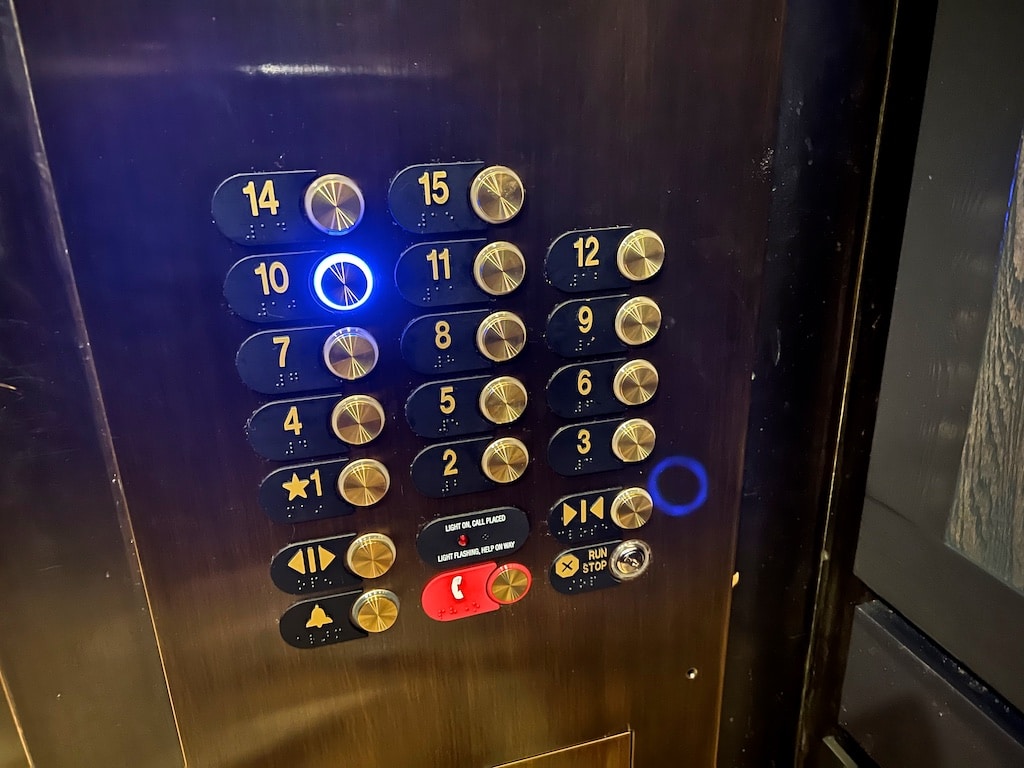
The most straightforward way to address the superstition is to simply renumber the floors. Instead of having a 13th floor, hotels will skip the number and go directly from the 12th floor to the 14th floor. Elevators will often display a 14th-floor button immediately after the 12th, and rooms on this level will be designated as starting from 1401, 1402, and so on. This architectural and numbering convention is so common that many guests might not even notice the omission unless they are actively looking for it or have a specific reason to pay attention to floor numbers.
This practice is not exclusive to hotels. Many apartment buildings, office complexes, and even some hospitals in Western countries also omit a 13th floor. The rationale remains the same: to avoid any negative associations that might impact rental rates, sales, or the overall perception of the property.
Beyond the 13th Floor: Other Superstitions in Hospitality
While the absence of the 13th floor is perhaps the most well-known example, hotels and the broader hospitality industry have sometimes adapted to other superstitions or cultural preferences.
Room Numbering and Designations
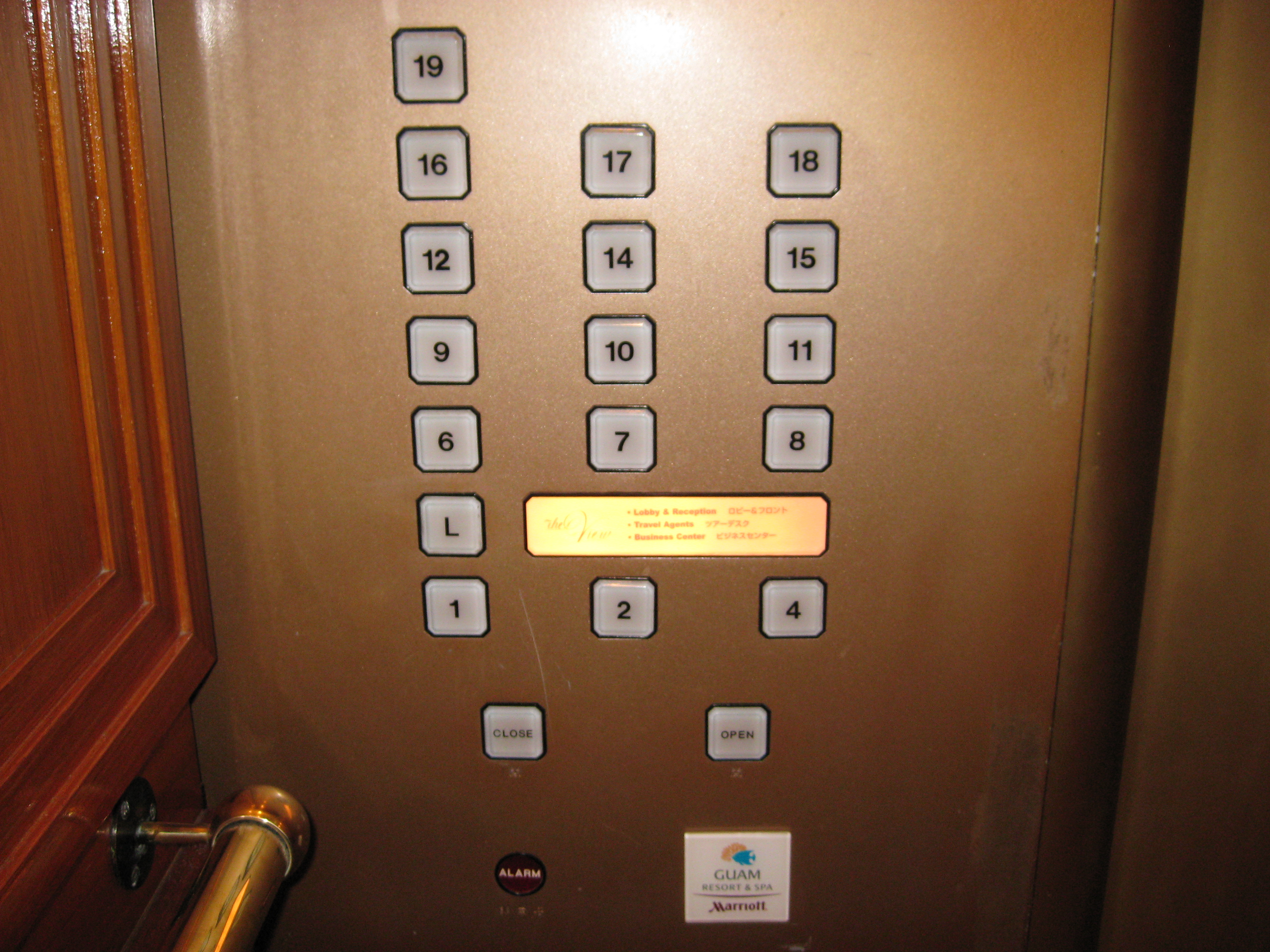
In some cultures, certain numbers are considered lucky or unlucky. For example, in China, the number 4 is often avoided because its pronunciation is similar to the word for “death.” Consequently, hotels in areas with a significant Chinese clientele might skip room numbers containing the digit 4, or floors that include the number 4. Similarly, the number 8 is considered auspicious in Chinese culture due to its phonetic similarity to the word for “prosperity.”
Beyond numbers, some hotels might consider the color schemes or symbolic meanings of certain decor elements to ensure they are not inadvertently offensive or unsettling to guests from diverse backgrounds. While this is less about superstition and more about cultural sensitivity, it underscores the industry’s commitment to creating a universally welcoming environment.
Architectural Considerations
In some rare instances, architectural design itself might be influenced by numerological beliefs or symbolic interpretations. However, this is far less common than the simple omission of a floor number. For the most part, architectural decisions are driven by functionality, aesthetics, and building codes. The skipping of the 13th floor remains the most widespread and visible adaptation to superstition.
The Future of Floor Numbering
As global travel becomes increasingly interconnected, the influence of Western superstitions on architectural practices in the hospitality sector might evolve. Younger generations, exposed to a wider range of cultural beliefs through technology and travel, may be less beholden to traditional superstitions. Furthermore, the rise of international hotel brands operating across diverse markets means that some may adopt more standardized numbering systems that transcend localized beliefs.
However, for the foreseeable future, the practice of omitting the 13th floor is likely to persist in many parts of the world. It represents a low-cost, high-impact way for hotels to ensure guest comfort and appeal to the broadest possible range of clientele. It’s a testament to the subtle yet powerful ways in which cultural beliefs can shape the built environment and the services we encounter, even in the most modern of settings, ensuring that a stay at a place like the Ritz Paris or a charming boutique hotel in Rome is as seamless and comfortable as possible. The invisible 13th floor, or rather its absence, is a quiet reminder of the complex interplay between history, belief, and commerce in the world of hotels.
LifeOutOfTheBox is a participant in the Amazon Services LLC Associates Program, an affiliate advertising program designed to provide a means for sites to earn advertising fees by advertising and linking to Amazon.com. Amazon, the Amazon logo, AmazonSupply, and the AmazonSupply logo are trademarks of Amazon.com, Inc. or its affiliates. As an Amazon Associate we earn affiliate commissions from qualifying purchases.