
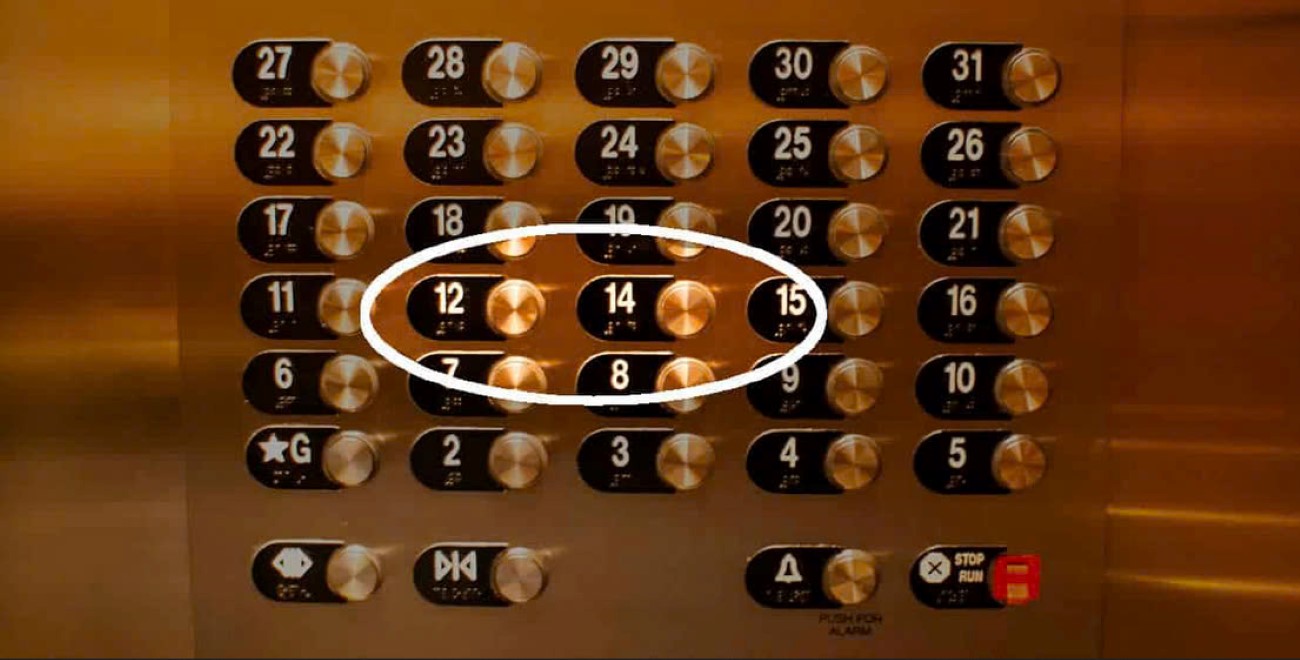
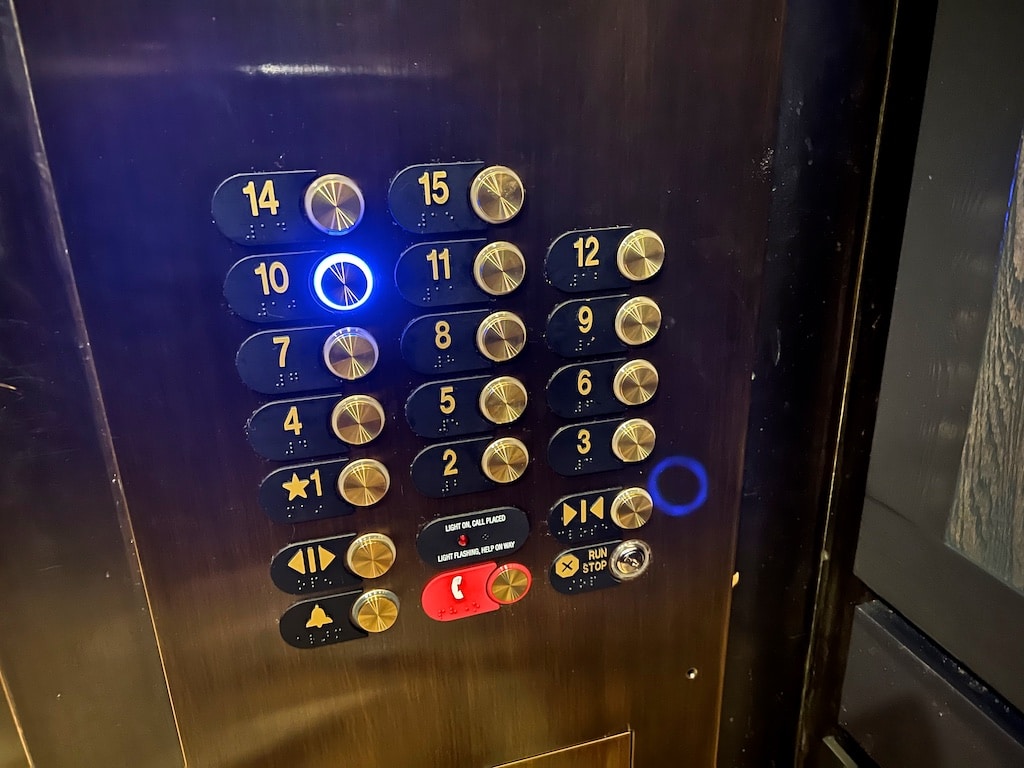
The missing 13th floor in hotels is a phenomenon that puzzles many travelers, especially those from cultures where the number 13 holds no particular significance. As you ascend through a hotel, from the lobby to your comfortable suite, you might notice that the floor numbering inexplicably skips from 12 directly to 14. This isn’t a mistake in construction or a quirky design choice; it’s a deeply ingrained superstition that has shaped architectural practices for decades, particularly in the hospitality industry. This practice, known as triskaidekaphobia (fear of the number 13), is a fascinating intersection of cultural beliefs, history, and the business of making guests feel comfortable and safe.
Our journey into understanding this missing floor begins with exploring the origins of this superstition. It’s a tale woven from religious texts, historical events, and an enduring human tendency to find patterns and meaning, even in the seemingly mundane.
The Deep Roots of Triskaidekaphobia
The fear of the number 13 is not a recent invention. Its origins are shrouded in antiquity, with several theories attempting to explain its pervasive influence.
Ancient Superstitions and Religious Connotations
One of the most commonly cited origins of triskaidekaphobia traces back to Christianity. In the New Testament, it is believed that there were 13 individuals present at the Last Supper – Jesus Christ and his 12 apostles. Judas Iscariot, the apostle who betrayed Jesus, is often identified as the 13th guest. This association with betrayal and a precursor to a tragic event has cast a long shadow on the number 13 in Western cultures.
Another ancient connection is found in Norse mythology. The story goes that 12 gods were having a banquet at Valhalla. The mischievous god Loki, who was not invited, crashed the party as the 13th guest. His presence led to the death of the beloved god Baldur, plunging the world into darkness. This tale further cemented the idea of 13 as an unlucky or disruptive number.
Beyond these prominent examples, some scholars point to the ancient Babylonian Code of Hammurabi, which allegedly omitted a 13th law from its list, though this is debated. The lunar calendar, which has 12 full cycles in a year, also plays a role. Some traditions consider a 13th lunar month to be an anomaly, something out of the ordinary and potentially unsettling.
Historical Events and the Number 13
Throughout history, numerous events have been retrospectively linked to the number 13, further reinforcing its negative reputation. For instance, the Knights Templar were arrested and persecuted by King Philip IV of France on Friday, October 13, 1307. This infamous event, known as the suppression of the Knights Templar, added another layer of historical misfortune to the number.
The Great Depression also saw economic downturns and stock market crashes that were, by some interpretations, linked to days or years featuring the number 13, though these associations are often coincidental rather than causal. The persistence of these stories, whether fact or folklore, has created a cultural consciousness where 13 is perceived as an unlucky number.
The Practical Application: Why Hotels Skip the 13th Floor
Given the deep-seated nature of triskaidekaphobia, it’s understandable why businesses, especially those catering to a global clientele, would be keen to avoid any perception of misfortune or discomfort for their guests. The hospitality industry, in particular, thrives on providing a welcoming and reassuring environment, and this includes appeasing guests’ beliefs and superstitions.
Appeasing Guest Comfort and Avoiding Negative Associations
The primary reason hotels omit the 13th floor is to ensure guest comfort and avoid any potential negative associations. A guest who is particularly superstitious might feel uneasy or even refuse to stay on a floor numbered 13. This could lead to complaints, room changes, or even negative reviews, all of which are detrimental to a hotel’s reputation and profitability.
By skipping the 13th floor, hotels aim to present an image of smooth operation, good fortune, and a worry-free experience. This practice is particularly prevalent in the United States and many parts of Europe, where the superstition is more pronounced. When a guest books a room, they are typically presented with a selection of floors, and the absence of a 13th floor is a subtle but effective way to ensure that even the most superstitious traveler can enjoy their stay without apprehension.
Consider a business traveler staying at a prominent hotel in New York City, or a tourist enjoying a resort in the French Riviera. The goal of the hotel management is to make them feel relaxed and at ease. If a guest has a deep-seated fear of the number 13, and their room is on the 13th floor, their entire experience could be overshadowed by anxiety. The hotel, by omitting the floor, proactively addresses this potential issue.
Architectural and Design Considerations
While the superstition is the driving force, there are also practical considerations in how this is implemented. When a building is designed and constructed, the floor numbering is a critical aspect of its blueprints. Architects and developers account for triskaidekaphobia by simply numbering the floors sequentially, skipping the 13th. So, instead of having floors 1, 2, 3, …, 12, 13, 14, 15, the numbering goes 1, 2, 3, …, 12, 14, 15.
This means that the physical structure of the building still has the 13th level of rooms, but it is labeled as the 14th floor to the public. The actual 13th floor exists in terms of physical space, but it’s not advertised or assigned to guests. In some cases, this floor might be used for administrative offices, storage, or maintenance areas, which are not accessible to the general public. This allows the building to have the full number of usable levels without confronting guests with the perceived unlucky number.
Some hotels might even go to great lengths to disguise the missing floor. For instance, if you were to look at the external view of a building or the internal directory, you wouldn’t see a 13th floor listed. This subtle omission contributes to the overall seamless experience.
Beyond the 13th Floor: Other Superstitions in Hospitality
The skipping of the 13th floor is not the only way the hospitality industry addresses cultural beliefs and superstitions. Many other practices are in place to ensure a comfortable and positive experience for a diverse range of guests.
Colors, Symbols, and Room Numbering
In many Asian cultures, particularly China, the number 4 is considered unlucky because its pronunciation is similar to the word for “death.” Consequently, many hotels in China, and even in other parts of the world with significant Asian populations, will omit rooms or floors numbered 4. You might find hotels that go from floor 3 to 5, or rooms numbered 301, 302, 305, and so on.
Similarly, certain colors can be associated with bad luck or death in different cultures. For example, white is often the color of mourning in many East Asian traditions. Hotels might be mindful of using excessive white in decor or furnishings in rooms aimed at guests from these cultural backgrounds, or at least offer a variety of color schemes to cater to different preferences.
Even the arrangement of furniture or the presence of certain decorative items can be influenced by superstitions. While this might seem extreme to some, for businesses aiming for broad appeal, understanding and respecting these cultural nuances is a mark of good service.

The Business of Comfort and Perception
Ultimately, the decision to omit the 13th floor, or any other floor or room number based on superstition, is a business decision. Hotels are in the business of providing accommodation and experiences that guests will enjoy and remember fondly, hopefully leading to repeat visits and positive recommendations.
By acknowledging and accommodating these deeply ingrained beliefs, hotels demonstrate a commitment to their guests’ well-being and peace of mind. This level of attention to detail, even in something as seemingly minor as a floor number, can significantly impact a guest’s perception of the hotel. It suggests that the establishment is considerate, understanding, and prioritizes the comfort of everyone who walks through its doors. Whether it’s a luxurious resort in Las Vegas or a boutique hotel in Paris, the goal is to create an environment where guests feel valued and safe. The missing 13th floor, in its own subtle way, contributes to achieving that goal, ensuring that the only thing guests have to worry about is how much they’ll enjoy their vacation, not whether their room number is a harbinger of bad luck.
LifeOutOfTheBox is a participant in the Amazon Services LLC Associates Program, an affiliate advertising program designed to provide a means for sites to earn advertising fees by advertising and linking to Amazon.com. Amazon, the Amazon logo, AmazonSupply, and the AmazonSupply logo are trademarks of Amazon.com, Inc. or its affiliates. As an Amazon Associate we earn affiliate commissions from qualifying purchases.