
The electoral process in the United States is a fascinating tapestry of tradition, constitutional framework, and periodic adjustments. While the vast majority of states adhere to a “winner-take-all” system for allocating their electoral votes in presidential elections, two states stand out for their distinctive approach: Maine and Nebraska. Their method of splitting electoral votes by congressional district is a unique feature that not only shapes their political landscape but also offers a peculiar lens through which to view their individual identities and the broader American democratic experiment. For travelers, history enthusiasts, or anyone interested in the nuanced fabric of American life, understanding this electoral quirk adds another layer of appreciation for these two states, each renowned for its unique attractions, vibrant local cultures, and diverse travel experiences.
Understanding the Electoral College and its Exceptions
The Electoral College, as enshrined in the U.S. Constitution, is the mechanism by which the President and Vice President are elected. Instead of a direct popular vote, citizens vote for electors who are pledged to a particular candidate. The number of electors each state receives is determined by its total number of representatives in Congress (two senators plus the number of representatives based on population). This system, while often debated, has been a cornerstone of American democracy for centuries, aiming to balance the power of populous states with that of less populated ones and ensuring that candidates build broad coalitions across different regions.
The Winner-Take-All Standard
For most states, the rule is simple: the presidential candidate who wins the popular vote statewide receives all of that state’s electoral votes. This “winner-take-all” system is prevalent in 48 out of 50 states, plus the District of Columbia. This approach concentrates campaign efforts on a handful of “swing states” where the popular vote is expected to be close, as winning even by a small margin can yield a significant block of electoral votes. While efficient in determining a clear winner quickly, critics argue it can lead to situations where the national popular vote winner does not win the presidency, and it can reduce the incentive for candidates to campaign in states where the outcome is largely predetermined. For travelers exploring these states, this political dynamic might be less obvious, but it subtly influences national narratives and the attention specific regions receive during election cycles.
Maine and Nebraska’s District Method
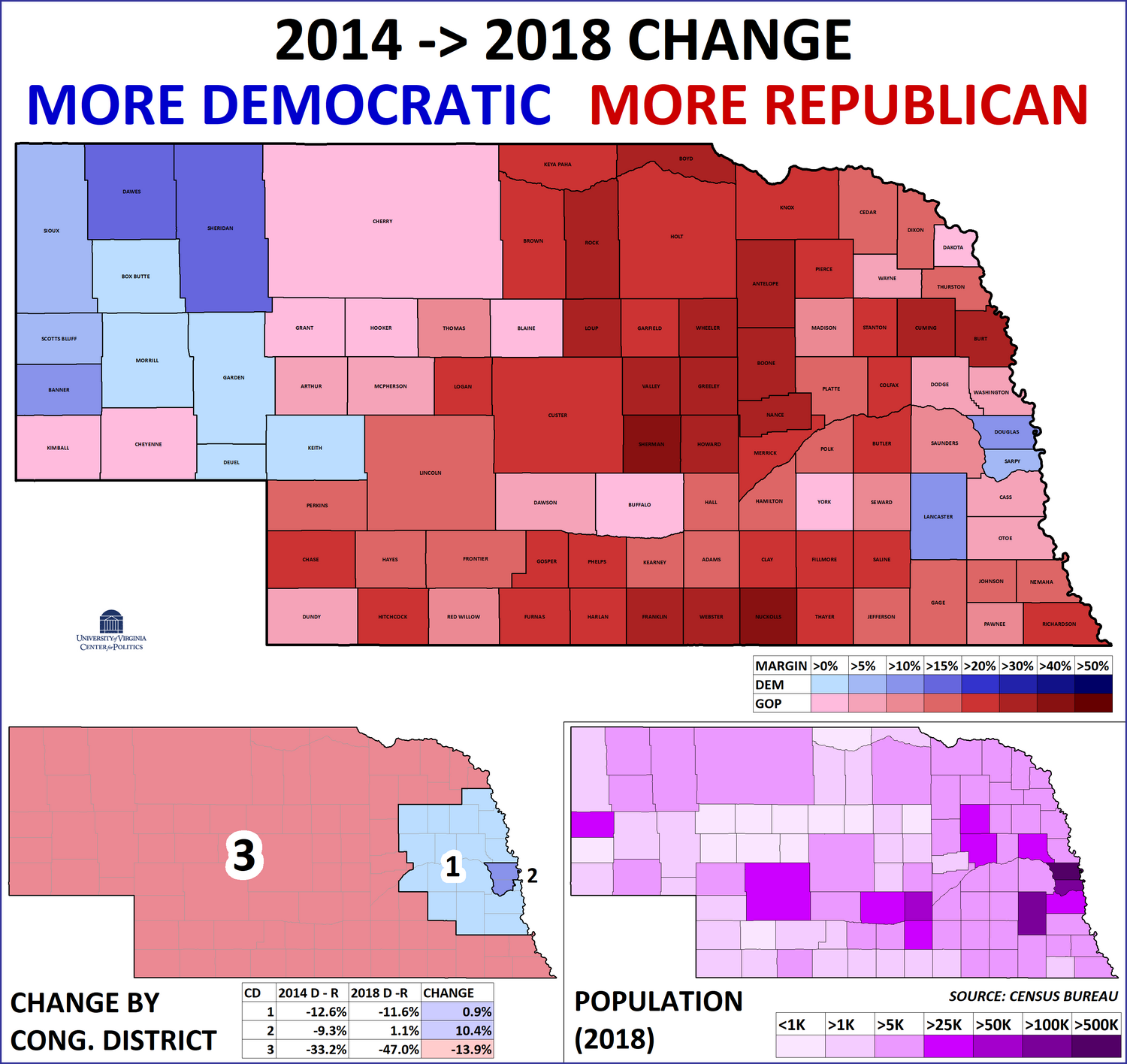
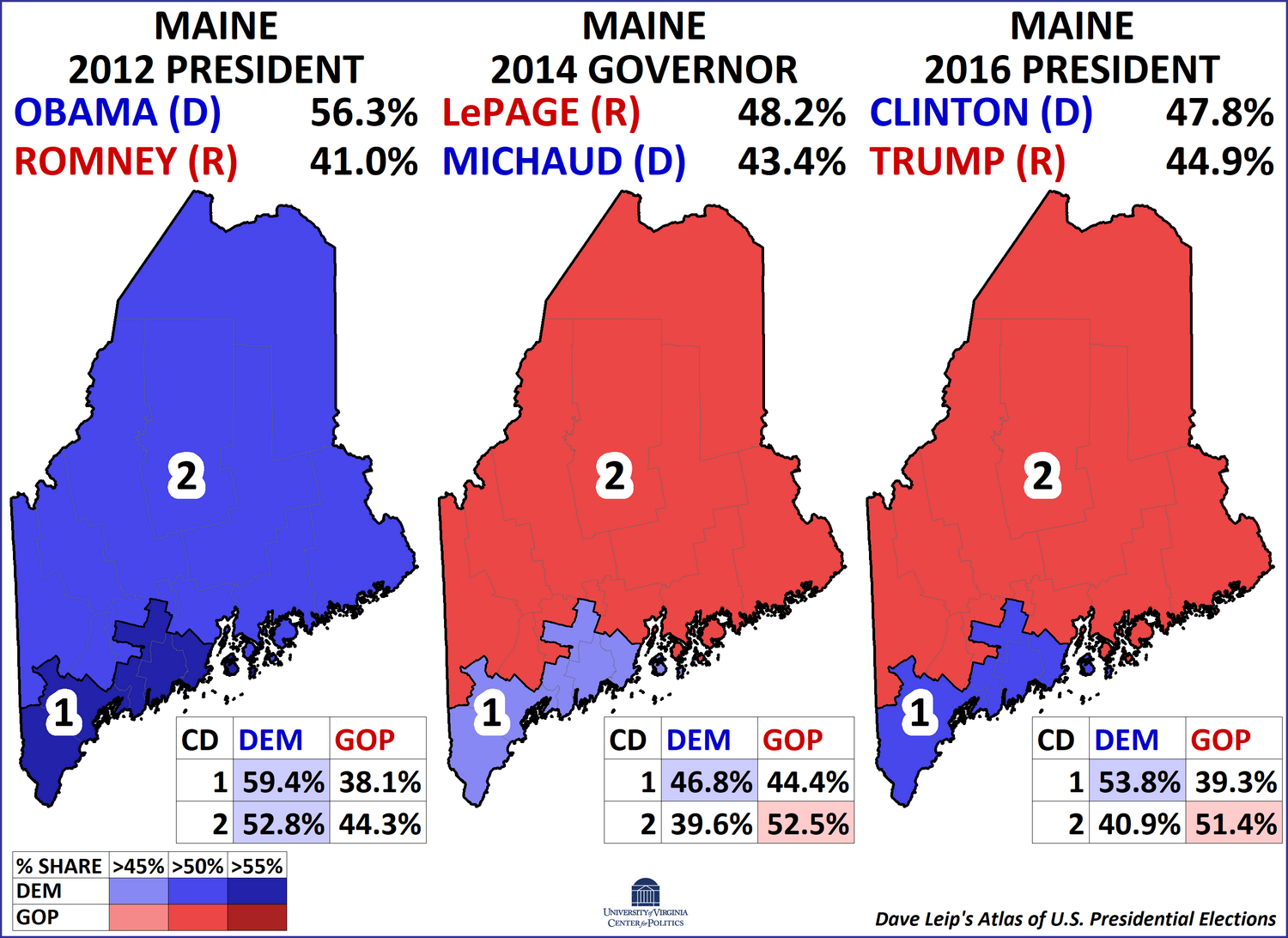
Maine and Nebraska are the sole exceptions to the winner-take-all rule, employing what is known as the “congressional district method” or “district plan.” Under this system, two electoral votes are awarded to the candidate who wins the statewide popular vote (representing the state’s two Senate seats). The remaining electoral votes are then allocated based on the popular vote winner within each congressional district. Maine, with its two congressional districts, awards one electoral vote to the popular vote winner in its 1st District and one to the winner in its 2nd District. Nebraska, having three congressional districts, does the same for its 1st, 2nd, and 3rd Districts.
This system means that a state’s electoral votes can be split between different candidates, a phenomenon that has occurred in both states. Nebraska famously split its vote in 2008 when Barack Obama won the popular vote in its 2nd congressional district (encompassing Omaha) while John McCain won the statewide vote and the other two districts. Similarly, Maine split its vote in 2016 and 2020. This unique allocation system incentivizes presidential candidates to campaign and invest resources in specific congressional districts, even in states that might otherwise be considered safe for one party. This granular attention can bring national spotlight to smaller towns and communities, potentially boosting local tourism and engagement during election seasons, as media crews and campaign staff frequent areas they might otherwise overlook. It also underscores a broader theme of local identity and regional pride that is palpable when traveling through these states, where distinct areas often have their own unique character and political leanings.
The Historical and Political Landscape Behind the Split
The decision by Maine and Nebraska to adopt the district method was not an impulsive one but rather stemmed from a desire to foster greater representation and ensure that every vote felt more impactful. Both states have a history of independent political thought and a commitment to civic engagement, which is reflected in their distinct approach to the electoral process. Understanding these motivations helps to contextualize not only their electoral choices but also their broader cultural and political identities.
Motivations for Change
Maine adopted the district method in 1969, while Nebraska followed suit in 1991. The primary motivation behind these changes was a belief that the winner-take-all system was inherently unfair and diminished the voices of voters who supported a losing candidate statewide. By allocating electoral votes based on congressional districts, the states aimed to achieve a more proportional distribution of electoral power, reflecting the diverse political preferences within their borders. This system ensures that even if a candidate loses the statewide popular vote, they can still secure an electoral vote by winning a specific district. This approach is often seen as a move towards greater fairness and encourages candidates to broaden their appeal beyond just the most populated areas.
Furthermore, this method injects an element of competitiveness into districts that might otherwise be ignored by national campaigns. For instance, Nebraska’s 2nd Congressional District, centered around the metropolitan area of Omaha, often has a different political leaning than the more rural districts. Under the district method, this district becomes a crucial battleground, attracting significant attention and resources from presidential campaigns. This increased focus can bring economic benefits to local communities, from increased hotel bookings for campaign staff and media to greater visibility for local businesses, directly tying political action to aspects of travel and local economy. This philosophy aligns with a broader emphasis on local culture and community engagement, themes often explored by travelers seeking authentic experiences.
Impact on Presidential Campaigns and Voter Engagement
The district method in Maine and Nebraska fundamentally alters how presidential campaigns approach these states. Instead of simply focusing on statewide victory, campaigns must also strategize district by district. This necessitates a more granular approach to campaigning, requiring candidates and their teams to visit smaller towns, hold local events, and tailor their messages to the specific concerns of individual congressional districts. This can be particularly beneficial for voters in these districts, as they receive more direct attention from presidential candidates than their counterparts in most other states.
This increased engagement can lead to higher voter turnout and a greater sense of participation in the democratic process. When voters know their individual district’s outcome could directly contribute an electoral vote, they are more motivated to cast their ballots. For example, Nebraska’s 2nd District has historically seen intense campaigning due to its swing potential, turning Omaha into a microcosm of national political battles. This phenomenon can create a unique atmosphere, particularly during election years, where political discourse is more vibrant and pervasive. For those interested in the socio-political aspects of travel, observing this dynamic first-hand offers a deeper insight into the American electorate. The influx of campaign staff and media also contributes to the local economy, from increased bookings in hotels and accommodation to patronage of local eateries, becoming an indirect form of economic tourism. This focus on local engagement mirrors the website’s emphasis on local culture and experiences, showcasing how political structures can shape a region’s social and economic fabric.
Experiencing Maine: Beyond the Electoral Map
While its unique electoral system might draw the attention of political pundits, Maine itself is a captivating destination that offers a wealth of experiences for every type of traveler. Known affectionately as the “Pine Tree State,” Maine is celebrated for its rugged coastline, pristine wilderness, charming lighthouses, and delectable culinary scene. Its distinct seasons provide varied attractions, from summer beach escapes and vibrant fall foliage to exhilarating winter sports and serene spring thaws. Whether seeking adventure, relaxation, or cultural immersion, Maine promises an unforgettable journey.
Coastal Charms and Culinary Delights

Maine’s coastline is an iconic stretch of rocky shores, sandy beaches, and picturesque islands, punctuated by historic lighthouses that guide ships through misty waters. One of the most famous landmarks is Acadia National Park, located primarily on Mount Desert Island, which offers stunning ocean views, hiking trails, and the highest point on the U.S. Atlantic coast, Cadillac Mountain. Further south, the Portland Head Light in Cape Elizabeth stands as a beacon of maritime history, attracting countless photographers and sightseers. The vibrant city of Portland itself is a hub of activity, boasting a thriving food scene that extends far beyond its legendary lobster. Visitors can explore diverse restaurants, innovative craft breweries, and artisanal shops in its historic Old Port district. Beyond Portland, charming towns like Kennebunkport, Bar Harbor, and Ogunquit offer unique attractions, from art galleries and boutique shopping to whale watching tours and scenic boat trips. For foodies, a trip to Maine is incomplete without savoring fresh lobster rolls, clam chowder, blueberry pie, and whoopie pies, all integral to the state’s culinary identity and a highlight of any tourism experience. The state’s commitment to preserving its natural beauty and promoting its local produce is evident in every corner, making it a perfect destination for those seeking authentic and sustainable travel.
Accommodation and Lifestyle in the Pine Tree State
When it comes to accommodation, Maine offers a diverse range of options to suit every preference and budget, reflecting its varied lifestyle offerings. For those seeking luxury, there are opulent resorts along the coast, offering spa treatments, fine dining, and breathtaking ocean views. Examples include the Cliff House Maine in Ogunquit or the White Barn Inn in Kennebunk. For a more intimate and quaint experience, countless charming bed-and-breakfasts dot the landscape, particularly in historic towns and scenic rural areas, providing personalized service and a taste of local hospitality. Families or groups might opt for vacation rentals, from rustic cabins in the woods to spacious beach houses, offering the flexibility of self-catering and ample space for relaxation. Budget-conscious travelers will find a selection of comfortable motels and campgrounds, especially popular in and around national parks and outdoor recreational areas, catering to those who prioritize adventure and natural immersion.
The lifestyle in Maine is characterized by a deep connection to nature, a strong sense of community, and an appreciation for the simpler pleasures of life. It’s a destination perfect for family trips with its safe environments and abundant outdoor activities, from kayaking and fishing to skiing and snowmobiling. For those seeking a slower pace, there’s ample opportunity for quiet contemplation by the sea, exploring charming villages, or enjoying a leisurely meal. Maine’s blend of natural beauty, rich history, and laid-back atmosphere makes it an ideal choice for travelers looking to escape the hustle and bustle and immerse themselves in a distinctly New England experience, proving that a state’s political uniqueness can exist harmoniously with its allure as a premier travel destination.
Discovering Nebraska: A Heartland Perspective
Just as Maine offers an electoral anomaly on the Atlantic coast, Nebraska presents a similar distinction in the heartland of America. Often overlooked in favor of flashier coastal destinations, Nebraska is a state rich in history, natural beauty, and genuine Midwestern hospitality. Its unique electoral system might make it a point of political interest, but its vast prairies, vibrant cities, and historical trails offer a compelling array of travel experiences for those willing to explore beyond the superficial. The “Cornhusker State” beckons with authentic American adventures, from pioneering history to modern urban attractions.
Prairies, Cities, and Historical Trails
Nebraska is a land of vast open spaces, rolling sandhills, and fertile farmlands, but it also boasts dynamic cities and significant historical sites. The state’s largest city, Omaha, is a bustling metropolitan center known for its thriving arts scene, burgeoning culinary landscape, and impressive attractions. The Henry Doorly Zoo and Aquarium in Omaha is consistently ranked among the world’s best, offering an immersive experience for families and wildlife enthusiasts alike. The Old Market district in Omaha is a charming area filled with boutiques, art galleries, restaurants, and horse-drawn carriage rides, perfect for an evening stroll. The state capital, Lincoln, is home to the stunning Nebraska State Capitol Building, an architectural marvel that offers guided tours and panoramic views from its observation deck.
Beyond its cities, Nebraska is a treasure trove of American history. The legendary Oregon Trail, Mormon Trail, and Pony Express Trail all cut through Nebraska, with numerous historical markers, museums, and preserved sites allowing visitors to walk in the footsteps of pioneers. Iconic landmarks such as Chimney Rock National Historic Site and Scotts Bluff National Monument stand as testaments to the challenging journeys faced by early settlers. For nature lovers, the Sandhills region offers unique ecosystems, birdwatching opportunities, and outdoor activities like kayaking and stargazing. Nebraska’s commitment to preserving its natural heritage and celebrating its pioneering spirit makes it an excellent destination for immersive historical and ecological tourism.
Hospitality and Adventure in the Cornhusker State
Nebraska’s reputation for warm, genuine Midwestern hospitality extends to its diverse accommodation options and the variety of lifestyle experiences it offers. In cities like Omaha and Lincoln, visitors will find a wide selection of hotels, from upscale boutique hotels and full-service resorts catering to business stays and luxury travel, to more budget-friendly options and extended-stay apartments. Many of these urban establishments offer modern amenities, fine dining, and convenient access to local attractions and entertainment.
For those venturing into the rural areas or exploring the state’s natural beauty, Nebraska provides unique lodging experiences. Historic bed-and-breakfasts in small towns offer a glimpse into local life, while cabins and campgrounds are ideal for adventurers exploring state parks and natural areas like the Niobrara River Valley. Agritourism is also a growing trend, with some farms offering guesthouses or immersive experiences that connect visitors with the state’s agricultural roots. The lifestyle in Nebraska emphasizes community, outdoor recreation, and a deep appreciation for its agricultural heritage. It’s an ideal destination for family trips seeking educational experiences or for travelers who value authenticity and a chance to explore a less-traveled part of the United States. Whether you’re drawn by the history of the trails, the vibrancy of its cities, or the tranquility of its prairies, Nebraska offers a genuine slice of Americana that complements its distinctive role in the national political arena.
The Future of Electoral Vote Allocation: A National Debate
The unique electoral systems of Maine and Nebraska frequently serve as a focal point in the ongoing national conversation about the future of the Electoral College. While these two states operate under their distinctive district method, the debate about presidential election reform often extends to whether other states should adopt similar systems or if a more fundamental change, such as the National Popular Vote Interstate Compact, would be more beneficial for the country. This broader discussion has implications not only for the democratic process but also for how states perceive themselves and how they are perceived by the nation, potentially influencing everything from political engagement to tourism strategies.
Calls for Reform and Potential Impacts
The national debate surrounding the Electoral College often centers on two primary alternatives: a nationwide popular vote system or the broader adoption of the district method pioneered by Maine and Nebraska. Proponents of a nationwide popular vote argue that it is the most democratic approach, ensuring that the candidate with the most individual votes always wins the presidency. To achieve this without a constitutional amendment, the National Popular Vote Interstate Compact is an agreement among states to award their electoral votes to the candidate who wins the national popular vote, regardless of the outcome in their individual state. As of my last update, this compact has been joined by several states and the District of Columbia, representing a significant portion of electoral votes, though it has not yet reached the threshold to take effect.
On the other hand, the district method employed by Maine and Nebraska offers a middle ground. If more states were to adopt this system, it would dramatically alter presidential campaign strategies. Every congressional district across the nation could potentially become a battleground, leading to more widespread campaign visits and media attention. This could, in turn, affect local economies, as campaign activities necessitate travel, accommodation, and local spending, boosting everything from hotel bookings to restaurant patronage. Such a change could decentralize political focus, potentially increasing the visibility and tourism appeal of regions currently overlooked. The implications for lifestyle and tourism are profound: states and localities might find themselves in the national spotlight more frequently, potentially leading to increased visitor interest in their landmarks, attractions, and unique local cultures.
Unique Contributions of Maine and Nebraska
Regardless of how the national debate on electoral reform evolves, Maine and Nebraska will continue to hold a special place in the American political landscape due to their innovative approach. Their distinct method of splitting electoral votes not only offers a working model for alternative systems but also highlights the diverse political and cultural identities that make up the United States. These states demonstrate that even within a common federal framework, there is room for individual experimentation and adaptation.
For travelers, this electoral uniqueness adds another layer to the story of these states. When visiting Maine, beyond the lobster bakes and lighthouse tours, one can appreciate its democratic independence. In Nebraska, amidst exploring pioneer trails and vibrant city life, one can reflect on its role as a quiet innovator in the electoral process. These states are not just places on a map; they are active participants in shaping the national narrative, offering both political lessons and unforgettable travel experiences. Their electoral distinctiveness encourages a deeper look into their regional nuances, from their specific political leanings in various congressional districts to the unique ways their local communities engage with national issues, all of which contribute to their rich tapestry of tourism offerings and distinct lifestyles.
In conclusion, the question “Why do Maine and Nebraska split electoral votes?” opens a door to understanding not only a distinctive aspect of American governance but also the rich, multifaceted identities of these two remarkable states. From the rugged beauty of Maine’s coast to the vast prairies of Nebraska, each state offers unique attractions, diverse accommodation options, and a distinct lifestyle that enriches the American experience. Their electoral quirks are just one more reason why these states are worth exploring, offering a unique blend of civic engagement and unforgettable travel opportunities for any curious mind.
LifeOutOfTheBox is a participant in the Amazon Services LLC Associates Program, an affiliate advertising program designed to provide a means for sites to earn advertising fees by advertising and linking to Amazon.com. Amazon, the Amazon logo, AmazonSupply, and the AmazonSupply logo are trademarks of Amazon.com, Inc. or its affiliates. As an Amazon Associate we earn affiliate commissions from qualifying purchases.