
Decoding Boston‘s Iconic Nickname: A Culinary Journey
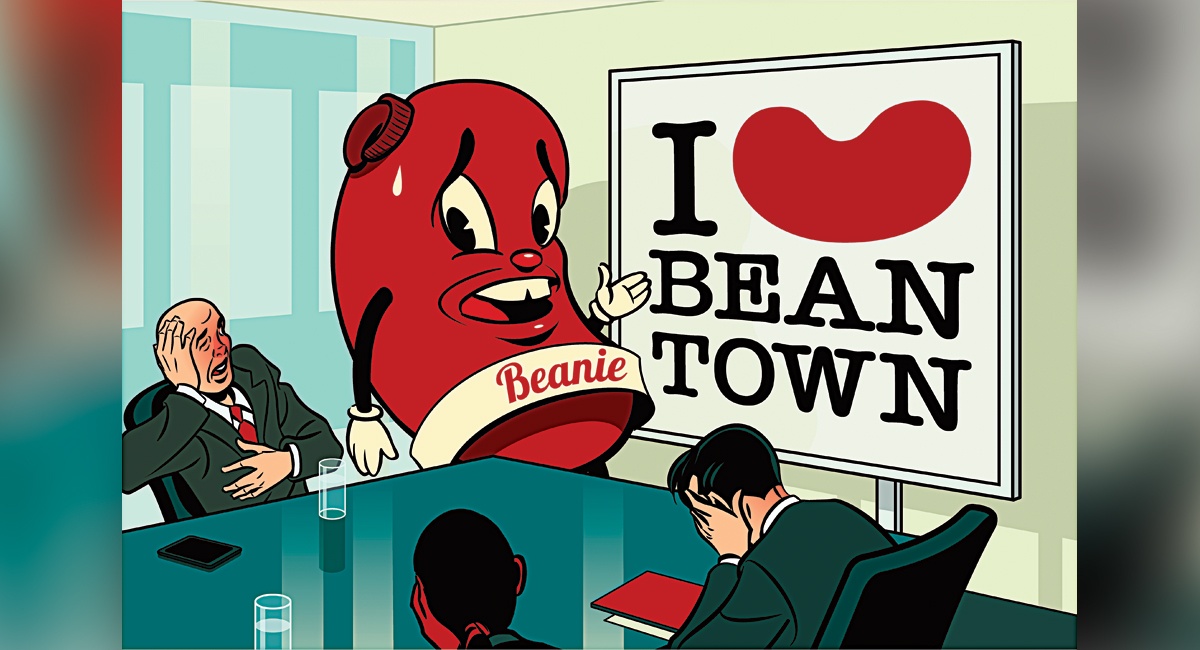
Boston, a city steeped in revolutionary history and vibrant modern culture, carries a distinctive and somewhat curious nickname: Beantown. For visitors arriving in this historic metropolis, the moniker often sparks curiosity, conjuring images of baked beans and perhaps a quaint, old-fashioned charm. Far from a trivial label, “Beantown” is a deeply rooted cultural identifier, reflecting centuries of culinary tradition and economic activity that shaped the city’s very essence. Understanding this nickname offers a fascinating entry point into Boston’s local culture, its historical ties, and its enduring gastronomic legacy.
The Humble Bean and Colonial Life
The story of Beantown begins in the colonial era, long before Boston became a bustling modern hub. Early Puritan settlers in New England adopted a culinary practice from indigenous communities: slow-baking beans in earthenware pots. This method was not merely a cooking technique; it was a matter of survival and practicality. With limited resources and a need for hearty, economical meals, beans became a staple. They were nutritious, easy to store, and could be left to cook slowly over many hours, often overnight or throughout the Sabbath, allowing families to observe religious strictures without extensive meal preparation. This tradition of Sunday baked beans quickly became an indelible part of the New England diet, and Boston, as a burgeoning port city, was at its heart.
The Sweet Influence of Molasses and the Global Trade
While beans provided the foundation, it was the addition of molasses that cemented the unique flavor profile of Boston Baked Beans and, consequently, the city’s nickname. Boston’s strategic location on the Atlantic made it a pivotal player in the complex network of colonial trade, particularly the infamous Triangular Trade. Ships arriving from the West Indies carried vast quantities of molasses, a byproduct of sugar refining. This sweet, dark syrup was cheap, abundant, and quickly integrated into local cuisine. It was used to sweeten everything from rum to desserts, and crucially, it found its way into the traditional bean pots, creating the distinct sweet and savory flavor that defines genuine Boston Baked Beans. The city became a major importer of molasses, its wharves bustling with barrels, further intertwining this ingredient with the city’s identity and its food culture.
The Birth of Boston Baked Beans
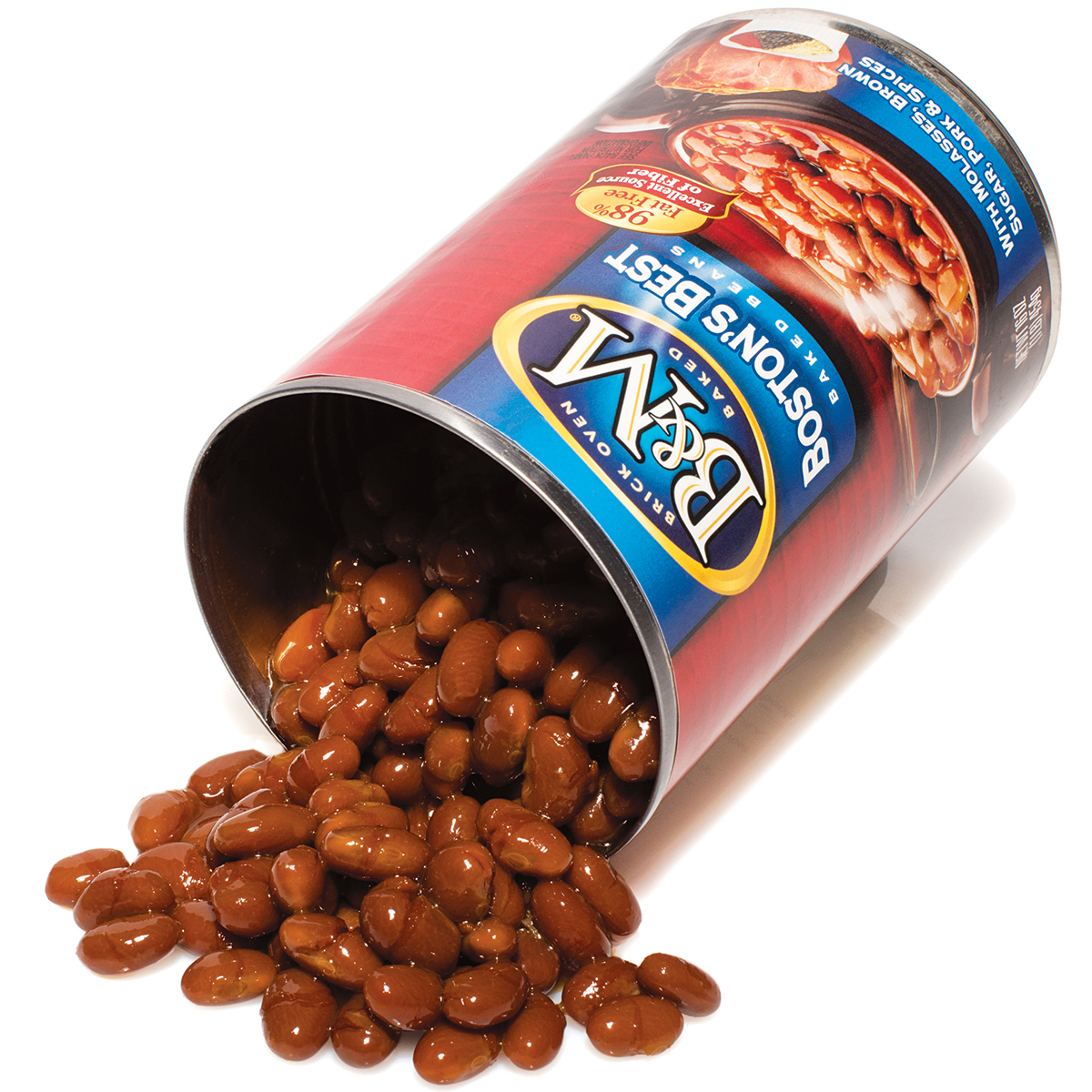
The combination of slow-cooked beans, often navy or pea beans, with molasses, salt pork, and sometimes mustard, created the iconic dish known as Boston Baked Beans. This was not just a meal; it was a cultural institution. The dish became synonymous with the city, a point of pride and a culinary hallmark that endured through generations. As Boston grew, so did the recognition of its unique bean dish, eventually leading to its informal adoption of “Beantown.” The nickname reflected a genuine love for the dish and its omnipresence in local homes, taverns, and eateries.
Beantown Flavors: A Visitor’s Guide to Culinary Exploration
For tourists, the “Beantown” moniker isn’t just a historical footnote; it’s an invitation to explore Boston’s rich and diverse food scene. While Boston Baked Beans remain a celebrated symbol, the city’s culinary landscape offers a much broader array of authentic New England flavors and global influences.
Beyond the Bean: New England Clam Chowder and Seafood Delights
While beans might be in the name, Boston’s coastal location ensures that seafood plays an equally, if not more, prominent role in its culinary identity today. No visit to Boston is complete without a bowl of creamy New England clam chowder, a rich, milk- or cream-based soup brimming with tender clams and potatoes. Beyond chowder, the city’s restaurants offer an abundance of fresh seafood: succulent lobster rolls, fried clams, oysters on the half shell, and perfectly grilled fish. Exploring these seafood offerings provides a delicious counterpoint to the city’s bean heritage, showcasing the bounty of the Atlantic.
Exploring Boston’s Diverse Food Scene
Boston’s food scene extends far beyond its historical staples. Neighborhoods like the North End boast some of the finest Italian food outside of Italy, with generations-old bakeries, pasta shops, and trattorias lining its charming streets. Back Bay and the Seaport District offer upscale dining experiences with innovative menus and celebrity chefs, while areas like Cambridge and Somerville provide a more eclectic mix of international cuisines, artisanal coffee shops, and trendy gastropubs. Food tours are an excellent way for visitors to navigate this diverse landscape, offering guided tastings and insights into the city’s evolving culinary story.
Where to Taste Authentic Beantown Dishes

To truly experience the “Beantown” legacy, visitors should seek out establishments that still honor the traditional Boston Baked Beans. Many local diners and traditional New England restaurants continue to serve them, often as a side dish, particularly on weekends. For those looking to dive deeper into seafood, waterfront eateries near Boston Harbor or bustling areas like Quincy Market are ideal. Remember that food is a powerful portal to local culture, and sampling Boston‘s iconic dishes is an essential part of any visit.
From Kitchens to Culture: How “Beantown” Shapes the Boston Experience
The nickname “Beantown” is more than just a historical curiosity; it’s an active ingredient in Boston’s cultural identity, influencing how the city is perceived and experienced by both locals and tourists. It connects the present-day metropolis with its humble, resilient past, offering a narrative thread that ties together its revolutionary spirit with its culinary roots.
The Enduring Charm of a Culinary Identity
While locals might playfully debate the contemporary relevance of “Beantown” – especially given the city’s sophisticated culinary evolution – there’s an undeniable charm and historical resonance that the name carries. It’s a reminder of a time when the city was defined by its practicality, its resourcefulness, and its connection to the sea and trade. This historical continuity provides a rich backdrop for understanding Boston’s broader cultural identity, one that values tradition while embracing innovation. Tourists often find this blend particularly appealing, seeking out experiences that offer both modern comforts and a touch of historical authenticity.
Beantown as a Branding: Souvenirs and Local Pride
The nickname “Beantown” is frequently leveraged in local branding and tourism. You’ll find it on souvenirs, postcards, and in the names of various businesses, from cafés to sports bars. This appropriation isn’t a sign of outdatedness but rather a celebration of a unique historical connection. It allows visitors to take a piece of Boston’s cultural story home with them, serving as a memorable identifier for a city that, despite its grandeur, remains grounded in its roots. It also fosters a sense of local pride, distinguishing Boston from other major cities with equally rich histories but perhaps less whimsical, food-centric monikers.
Connecting Food to Boston’s Historical Landscape
For tourists, the link between “Beantown” and Boston’s history is palpable. As you walk the cobblestone streets near Faneuil Hall or visit historic sites like the Paul Revere House and the Old North Church, it’s easy to imagine the daily lives of colonial Bostonians, for whom a pot of baked beans was a comforting constant. The molasses trade, which was essential to the creation of the dish, also played a significant role in Boston’s economy and its path to revolution. Thus, a simple dish of beans becomes a tangible link to the city’s formative years, offering a culinary lens through which to view its profound historical narrative.
Beyond the Plate: Immersing in Boston’s Rich Tourist Tapestry
While understanding “Beantown” offers a fantastic cultural context, Boston beckons visitors with a vast array of attractions and activities that extend well beyond its culinary heritage. The city’s compact size makes it incredibly walkable, allowing tourists to effortlessly move from historical landmarks to bustling modern districts.
Walking the Freedom Trail and Revolutionary Sites
The quintessential Boston experience for many is walking the Freedom Trail, a 2.5-mile red-lined path that winds through 16 historically significant sites. This journey through the heart of the American Revolution includes iconic locations like the Boston Common, the Massachusetts State House, the site of the Boston Massacre, Faneuil Hall, the Old North Church, and the USS Constitution. Each stop offers a deep dive into the events and figures that shaped the birth of a nation, providing an educational and immensely engaging activity for all ages.
Waterfront Wonders and Urban Green Spaces
Boston’s waterfront offers stunning views and myriad activities. The revitalized Seaport District is a hub of modern architecture, upscale restaurants, and vibrant nightlife, while the historic harbor is home to the New England Aquarium and various boat tours, including whale watching excursions. Inland, the city boasts beautiful green spaces like the Boston Common and the Public Garden, perfect for a leisurely stroll, a swan boat ride, or simply relaxing amidst urban beauty. These areas provide a refreshing contrast to the dense historical sites.
Arts, Sports, and Modern Boston Experiences
Beyond its historical and culinary fame, Boston is a vibrant cultural center. Art enthusiasts can explore world-class institutions like the Museum of Fine Arts and the exquisite Isabella Stewart Gardner Museum. For sports fans, catching a Red Sox game at historic Fenway Park is an unforgettable experience, embodying the city’s passionate athletic spirit. From live music venues to thriving theater scenes and innovative tech startups, modern Boston offers a dynamic urban experience that beautifully complements its rich historical and culinary heritage, ensuring every visitor finds something to cherish.
LifeOutOfTheBox is a participant in the Amazon Services LLC Associates Program, an affiliate advertising program designed to provide a means for sites to earn advertising fees by advertising and linking to Amazon.com. Amazon, the Amazon logo, AmazonSupply, and the AmazonSupply logo are trademarks of Amazon.com, Inc. or its affiliates. As an Amazon Associate we earn affiliate commissions from qualifying purchases.