
The moniker “The Big Easy” is as synonymous with New Orleans as the scent of chicory coffee, the wail of a jazz trumpet, and the iron-wrought balconies of the French Quarter. While many nicknames for global cities are the product of polished marketing campaigns or recent branding initiatives, this particular title emerged from the lived experience of the local community. It speaks to a specific philosophy of life—a rhythmic, unhurried, and soulful approach to existence that defines the character of Louisiana.
The Jazz Era and the Origins of a Lifestyle
To understand the origins of “The Big Easy,” one must look back to the early 20th century. While the term gained widespread national popularity in the 1970s, its roots are deeply embedded in the local jazz scene of the 1920s and 1930s. During this era, New Orleans served as a sanctuary for working musicians.
The Contrast with the Big Apple
In the highly competitive, frantic, and often cutthroat world of the music industry in New York City—frequently referred to as “The Big Apple”—musicians faced a grueling grind. In contrast, the jazz scene in the Crescent City was viewed as a place where artists could find steady work, build community, and enjoy a relaxed pace of life. Local musicians began contrasting the two cities, identifying the northern metropolis as the site of “The Big Apple,” where success was hard-won, and their home as “The Big Easy,” where the lifestyle was accessible, welcoming, and far less stressful.
Cultural Permeability
This ethos of “easy” wasn’t about laziness; it was about permeability. The city was a place where artistic expression flowed freely across racial and social lines, fostered by the unique history of America. The jazz clubs and dance halls created an environment where the pressure to conform was replaced by the invitation to improvise, both musically and socially.
Defining the “Easy” Philosophy
The term evolved from a piece of insider industry jargon into a broader cultural descriptor of the city’s identity. When travelers ask why it is called “The Big Easy,” they are really asking about the soul of the place. It is a sentiment that permeates the architecture, the food, and the daily rituals of the people who call New Orleans home.
A Community of Celebration
Unlike many major metropolitan areas that prioritize productivity above all else, the spirit of this city prioritizes the present moment. This is evidenced by the city’s relationship with time. In New Orleans, a lunch can last three hours, a parade can shut down an entire street for an afternoon, and the concept of “being on time” is secondary to the quality of the company being kept. This is a manifestation of the “Big Easy” mentality: a resistance to the frantic pacing of modern, industrial life.
The Resilience of Spirit
It is essential to note that the “easy” nature of the city is not a sign of ignorance regarding the harsh realities of life. The city has weathered countless storms, both meteorological and social, particularly with the catastrophic impact of Hurricane Katrina. The label “The Big Easy” takes on a deeper, more profound meaning when viewed through this lens. It reflects a stoic, collective decision to move forward with grace, to continue finding joy in the face of adversity, and to maintain a community that lifts its members up through music, dance, and shared meals.
The Cultural Landscape That Sustains the Name
The city’s reputation as “The Big Easy” is reinforced daily by the activities and customs that make it one of the most unique destinations in the United States. It is a place that rejects the rigid homogenization found in many other major cities.
Culinary Indulgence
The cuisine of New Orleans is perhaps the most tangible expression of this philosophy. From the slow-simmered Gumbo found in the kitchens of the Garden District to the sugary, pillowy delights of Cafe Du Monde, the city’s relationship with food is intentional and unhurried. There is no such thing as a “quick bite” when the local culture dictates that food is meant to be savored, discussed, and shared among friends and strangers alike.
The Street Life and Festivals
Walking down Bourbon Street or through the quiet, tree-lined paths of City Park, one observes a sensory experience that feels inherently different from anywhere else. The prevalence of second-line parades, where a brass band leads a crowd through the streets in a joyful, impromptu procession, serves as a living, breathing testament to the “Easy” lifestyle. These events are not commercial products; they are organic expressions of communal joy that require no tickets and no reservations—just an open spirit.
Modern Interpretations and the Future of the Name
In recent decades, “The Big Easy” has been cemented in the public consciousness through media, including the famous 1986 film of the same name and various literary works set in the city. While pop culture has certainly helped broadcast the moniker, the reality remains that the name would have faded into obscurity long ago if it were not supported by the city’s authentic character.
Sustaining the Vibe
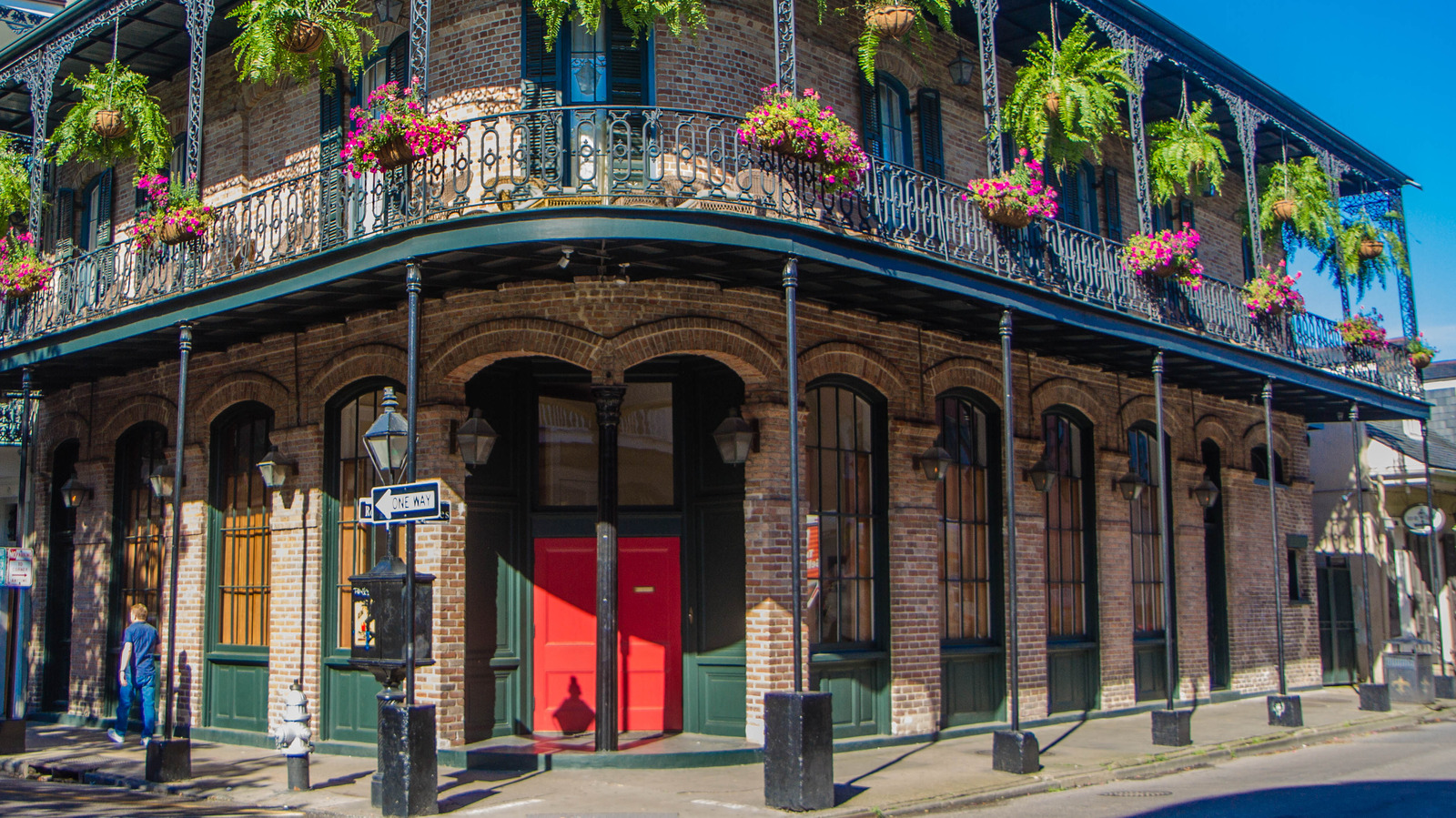
As New Orleans continues to grow as a premier hub for tourism, there is an ongoing conversation among locals about how to preserve the spirit of “The Big Easy.” Balancing the demand for modern infrastructure and the influx of travelers with the need to protect the slow, rhythmic pace of the French Quarter and the Treme neighborhood is a delicate task. Yet, the city’s ability to absorb change while remaining fundamentally itself is perhaps the most “easy” thing about it.
A Place for the Soul
The title serves as an invitation. It tells the visitor that they are not here to check off a list of items or to engage in a high-pressure sightseeing schedule. Instead, they are being asked to slow down. To visit New Orleans is to agree to a shift in tempo. Whether you are wandering through Jackson Square or listening to the echoes of jazz drifting out of a doorway on Frenchmen Street, the city demands that you drop your guard and embrace the rhythm of the environment.
The Big Easy is, in final analysis, a testament to the fact that it is possible to live well, to laugh often, and to value human connection above the accumulation of tasks. It is a city that provides a sanctuary for the weary, a stage for the creative, and a home for those who believe that life, at its best, should be approached with a bit of soul, a lot of music, and an unwavering commitment to the “easy” way of living.
LifeOutOfTheBox is a participant in the Amazon Services LLC Associates Program, an affiliate advertising program designed to provide a means for sites to earn advertising fees by advertising and linking to Amazon.com. Amazon, the Amazon logo, AmazonSupply, and the AmazonSupply logo are trademarks of Amazon.com, Inc. or its affiliates. As an Amazon Associate we earn affiliate commissions from qualifying purchases.