
The moniker “Big Apple” is as synonymous with New York City as yellow cabs, towering skyscrapers, and the relentless energy that pulses through its streets. For millions around the globe, this playful nickname encapsulates the city’s grandeur, its allure, and its promise of opportunity. But unlike many urban epithets that spring from obvious geographical features or historical events, the origin of “Big Apple” is a fascinating tale, deeply rooted in a specific era and later revitalized by a clever tourism campaign. This vibrant phrase has not only endured but has also come to represent the very essence of a destination that continues to top travel wish lists, offering an unparalleled blend of culture, commerce, and captivating experiences.
For anyone planning a trip, considering accommodation, or simply curious about the world’s most iconic landmarks, understanding the story behind New York’s famous nickname provides a deeper appreciation for this magnificent metropolis. It’s a story that intertwines sports, music, and a shrewd marketing move, painting a vivid picture of how a simple slang term can evolve into a powerful symbol of a global phenomenon.

The Juicy Roots: Tracing the “Big Apple” Origin
The true genesis of the “Big Apple” nickname can be traced back to the early 20th century, far from the polished tourism brochures of today. It emerged from the colorful world of horse racing, a popular pastime that brought together enthusiasts from all walks of life. This initial context is crucial to understanding the nickname’s original meaning and its gradual adoption into broader colloquial speech.
Early 20th Century: Horse Racing and John J. Fitz Gerald
The most widely accepted origin story credits John J. Fitz Gerald, a sports writer for the New York Morning Telegraph. In 1921, while overhearing stable hands in New Orleans discussing their aspirations to race on the more prestigious tracks of New York, Fitz Gerald heard them refer to New York racetracks as “the Big Apple.” To these jockeys and trainers, racing in New York represented the pinnacle of their profession, the ultimate prize. Winning races there meant fame, fortune, and recognition, akin to winning a large, juicy apple – the best fruit from the tree.
Inspired by this vivid slang, Fitz Gerald began using “the Big Apple” in his daily horse racing column, aptly titled “Around the Big Apple,” starting in 1924. He even prefaced one of his columns with an explanation: “The Big Apple. The dream of every lad that ever threw a leg over a thoroughbred and the goal of every horseman. There’s only one Big Apple. That’s New York.” Through his popular column, the term steadily gained traction within the horse racing community, distinguishing New York’s racing circuit from others across the country, such as those in Los Angeles or Florida.
Jazz Age and Beyond: Spreading the Slang
While horse racing laid the groundwork, the “Big Apple” nickname truly began to seep into the wider public consciousness during the vibrant Jazz Age of the 1930s. New York City was a pulsating hub of music, culture, and entertainment, and jazz musicians played a significant role in popularizing the term. For these artists, a “gig in the Big Apple” meant playing at the most prestigious clubs, attracting the largest audiences, and earning the best pay. The term resonated with the idea of a significant opportunity, a highly sought-after prize.
Musicians traveling across the country would often refer to their New York performances as “the Big Apple,” signifying the zenith of their careers. The phrase was especially prevalent in Harlem, which was a thriving epicenter of jazz, art, and African American culture during this period. As jazz spread its influence globally, so too did the charming slang associated with its biggest stage. Despite this growing popularity, the term remained largely colloquial, confined to specific circles and not yet adopted as an official or widely recognized symbol of the city. For decades, it existed as a quirky, insider’s phrase, waiting for its grand moment to truly shine.
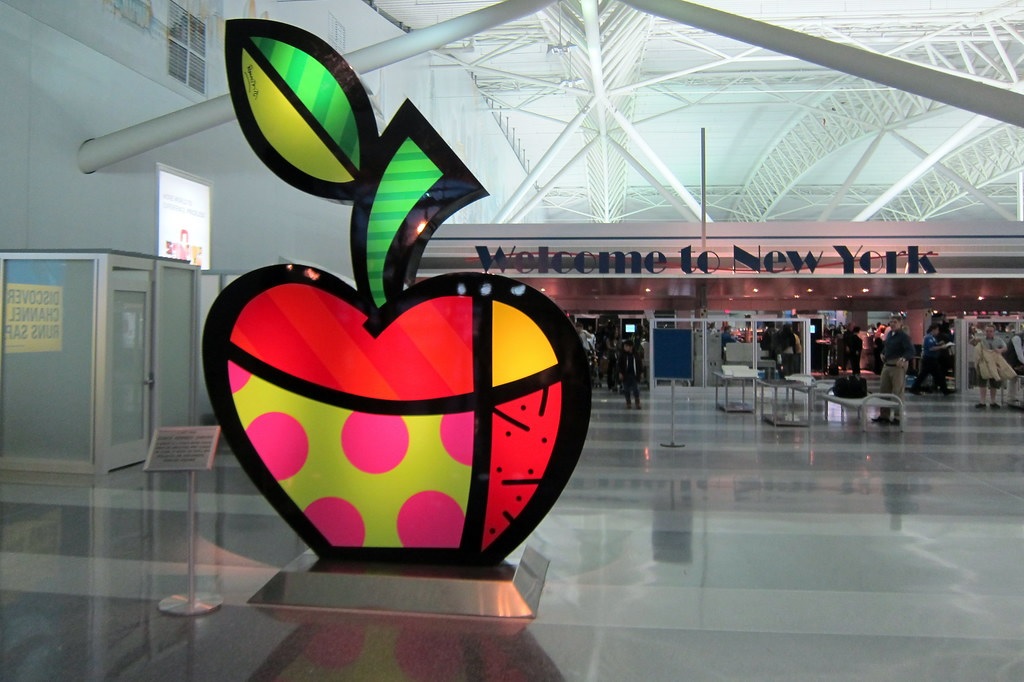
A Bite into Branding: From Slang to Symbol
For several decades, “the Big Apple” remained a delightful but unofficial nickname, known primarily to horse racing enthusiasts and jazz musicians. It wasn’t until the latter half of the 20th century that the term was consciously resurrected and strategically deployed as a powerful marketing tool, cementing its place in popular culture and transforming it into the iconic symbol it is today.
The 1970s Comeback: Tourism Campaign
The pivotal moment for “the Big Apple” came in the 1970s. At this time, New York City was facing a period of significant economic decline, social unrest, and a tarnished public image. High crime rates, fiscal crises, and a general perception of urban decay deterred tourists and residents alike. To combat this negative image and revitalize the city’s tourism industry, the New York Convention and Visitors Bureau (now known as NYC & Company) launched an aggressive promotional campaign.
Charles Gillett, the organization’s chairman, spearheaded the effort to find a catchy, positive, and memorable symbol for the city. He noticed the lingering presence of “the Big Apple” in historical references and recognized its potential. The nickname evoked a sense of desirability, a prize to be won, perfectly aligning with the aspirations for a rejuvenated New York. In 1971, the Bureau officially adopted “the Big Apple” as its promotional slogan. Bright red apple logos adorned promotional materials, pins, and advertisements, reminding potential visitors of the city’s vibrant spirit and vast offerings. This campaign was an overwhelming success, helping to shift public perception and re-establish New York City as a premier travel destination, a place where everyone could find their own “big apple” of opportunity, excitement, or enrichment.
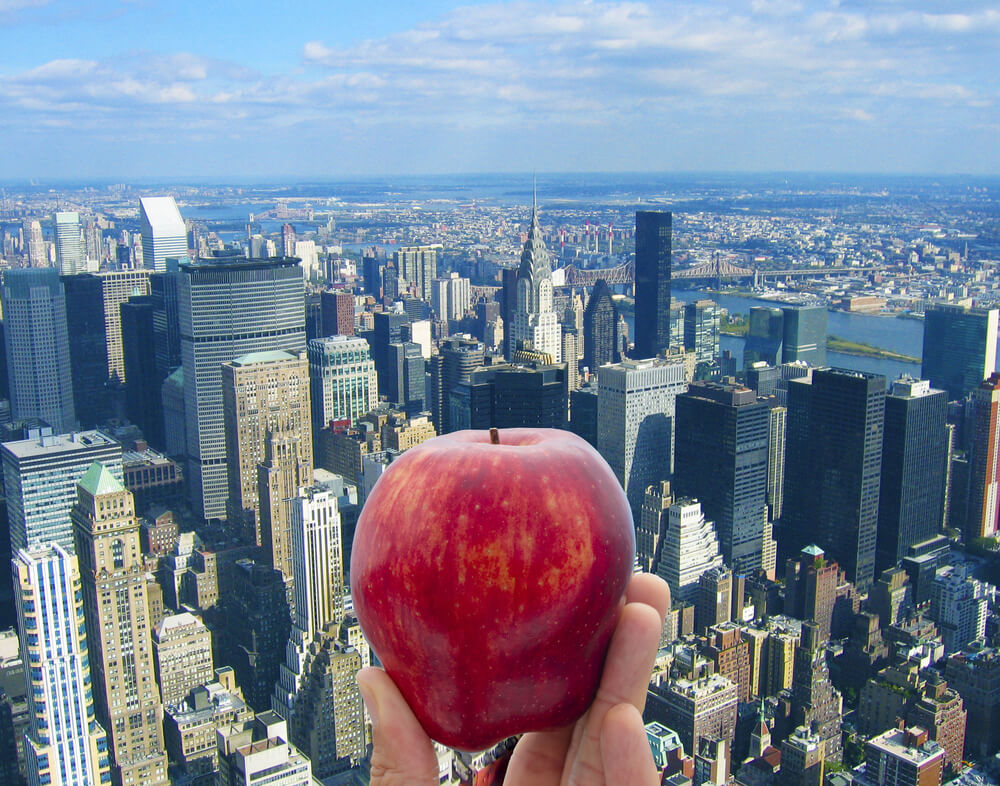
The Enduring Symbol
Thanks to the impactful 1970s campaign, “the Big Apple” shed its niche origins and became universally recognized. It transcended its roots in horse racing and jazz, evolving into a symbol of a city that is larger than life, full of possibilities, and ripe for discovery. Today, the nickname is deeply embedded in the global consciousness, instantly conjuring images of Manhattan skylines, vibrant street life, and unparalleled cultural experiences.
The enduring power of “the Big Apple” lies in its multi-layered meaning. It speaks to the city’s status as a global leader in finance (Wall Street), entertainment (Broadway), fashion (Fifth Avenue), and art (Metropolitan Museum of Art). It represents a place where dreams are pursued, ambitions are realized, and cultures converge. For many, taking a bite out of the Big Apple means seizing an opportunity, experiencing the best, and immersing oneself in a world-class environment. This simple, elegant nickname has perfectly captured the grand scale and boundless appeal of New York City, solidifying its place as one of the most beloved and recognizable urban identities on the planet.
More Than Just a Name: Why “Big Apple” Defines New York
The nickname “Big Apple” has endured not merely because of historical happenstance or clever marketing, but because it profoundly resonates with the actual experience of visiting or living in New York City. It encapsulates the city’s vast scale, its rich opportunities, and its position as a global leader in almost every imaginable field, making it a dream destination for travelers seeking diverse experiences, luxurious accommodation, and unforgettable memories.
A City of Abundance and Opportunity
Like a ripe, plentiful apple, New York City offers an abundance of opportunities and experiences. Whether you’re a budding artist, a financial wizard, a culinary enthusiast, or a family seeking adventure, the city presents a myriad of pathways. From the relentless pace of Wall Street to the creative energy of Greenwich Village, and the vibrant cultural tapestry of Queens or The Bronx, NYC promises something for everyone. It is a melting pot where millions come to chase their “big apple” – their personal dream or ultimate goal. This aspirational quality makes it a prime destination for lifestyle travelers, from those seeking luxury travel experiences to budget-conscious adventurers.
A Hub of Landmarks and Attractions
The “Big Apple” is undeniably home to some of the world’s most iconic landmarks and attractions, drawing millions of tourists annually. The sheer density and variety of these sites contribute significantly to the city’s allure. Imagine gazing upon the majestic Statue of Liberty, ascending the historic Empire State Building for panoramic views, or unwinding in the expansive urban oasis of Central Park. Each visit offers a chance to engage with history, art, and monumental architecture.
Other must-see destinations include the dazzling lights of Times Square, the world-class collections at the Metropolitan Museum of Art and the Guggenheim Museum, and the solemn beauty of the 9/11 Memorial & Museum. The architectural marvels like the Chrysler Building and the Rockefeller Center, alongside historic transportation hubs like Grand Central Terminal, further solidify New York’s reputation as a landmark-rich city. Each of these places offers a unique “bite” of the Big Apple experience, creating unforgettable memories for travelers.
A Global Epicenter for Travel and Accommodation
As a primary global travel hub, New York City offers an astounding array of accommodation options catering to every taste, budget, and travel style. Whether you’re seeking the opulent luxury of five-star hotels, the personalized charm of boutique hotels, spacious serviced apartments for a longer stay, or budget-friendly hostels, the Big Apple delivers. International chains like Hilton, Marriott, and Hyatt operate numerous properties across all boroughs, particularly in Manhattan and Brooklyn.
Luxury travelers can indulge in iconic establishments such as The Plaza Hotel, Waldorf Astoria New York, or The St. Regis New York, each offering impeccable service and historical grandeur. For those seeking modern amenities and chic design, boutique hotels in areas like SoHo or Meatpacking District provide unique experiences. The sheer volume of options, from lavish suites to cozy apartments, ensures that every visitor can find the perfect home base for their Big Apple adventure, seamlessly connecting with the city’s vibrant life and attractions.
Culinary Delights and Cultural Immersion
The “Big Apple” also signifies an unparalleled feast for the senses, especially for those passionate about food and culture. New York City is a gastronomic paradise, boasting everything from Michelin-starred fine dining establishments to diverse ethnic eateries, bustling food markets, and beloved street food vendors. Every borough, and indeed almost every neighborhood, offers a unique culinary landscape reflecting its immigrant heritage and contemporary trends. Whether you’re craving authentic Chinatown dim sum, a classic New York slice of pizza, or avant-garde cuisine, the options are limitless.
Beyond food, the city is a cultural behemoth. From the electrifying performances on Broadway and the world-renowned Metropolitan Opera to intimate jazz clubs in Harlem, the performing arts scene is second to none. Museums like the Museum of Modern Art (MoMA), the American Museum of Natural History, and countless galleries offer endless intellectual stimulation. Festivals, parades, and street performances year-round celebrate the city’s diverse communities, allowing for deep cultural immersion for any traveler. This rich tapestry of experiences truly embodies the idea of a prize-winning, multifaceted “Big Apple” that keeps on giving.
Experiencing the Big Apple: Tips for Your Visit
Planning a trip to the Big Apple requires a bit of strategy to maximize your experience and navigate its immense offerings. With so much to see and do, careful planning can transform a good trip into an unforgettable journey.
Navigating the City
New York City is remarkably easy to navigate, primarily thanks to its extensive and efficient public transportation system. The subway, operating 24/7, is often the quickest way to traverse Manhattan, Brooklyn, Queens, and The Bronx. Purchase a MetroCard for seamless travel. Walking is also an excellent way to explore neighborhoods like Midtown, Lower Manhattan, or the charming streets of West Village, allowing you to soak in the atmosphere and discover hidden gems. Taxis and ride-sharing services are readily available but can be slower and more expensive, especially during peak hours.
Where to Stay
Choosing the right accommodation is key to your New York experience. Midtown is ideal for first-time visitors, offering proximity to landmarks like Times Square, the Empire State Building, and Rockefeller Center, with numerous hotels from budget to luxury. For a more bohemian and artsy vibe, consider Greenwich Village or SoHo, known for their boutique hotels, unique shops, and vibrant nightlife. Lower Manhattan, including areas like the Financial District or Battery Park City, offers modern hotels with stunning waterfront views and easy access to the Statue of Liberty and Ellis Island.
If you’re looking for a more local, neighborhood feel, Brooklyn offers diverse options, particularly in areas like Dumbo with its industrial chic aesthetic and views of the Brooklyn Bridge, or Williamsburg for its trendy hotels and vibrant arts scene. Many hotels also offer specialized amenities, from rooftop pools and fitness centers to co-working spaces and pet-friendly policies, catering to all types of travelers, including those on family trips or business stays.
Must-Do Activities
Beyond the iconic landmarks, consider these activities to truly get a taste of the Big Apple:
- Catch a Broadway Show: Immerse yourself in the magic of live theater.
- Stroll Through Central Park: Rent a rowboat, visit Strawberry Fields, or simply relax and people-watch.
- Walk the Brooklyn Bridge: Enjoy breathtaking skyline views, especially at sunrise or sunset.
- Explore Museums: Dedicate time to world-class institutions like MoMA, the Metropolitan Museum of Art, or the American Museum of Natural History.
- Indulge in Culinary Adventures: From fine dining to street food, explore the city’s diverse food scene. Consider a food tour in areas like the Lower East Side or Flushing, Queens.
- Experience Times Square: Even if it’s just for the sheer spectacle of the bright lights and bustling crowds.
- Visit a Neighborhood Market: Check out Chelsea Market or Essex Market for unique food and artisan goods.
- Walk The High Line: An elevated park built on historic freight rail lines offers unique perspectives of the city.
- Enjoy a Rooftop Bar: Sip cocktails with stunning skyline views, particularly in Midtown or Flatiron District.
- Catch a Sporting Event: Experience the electric atmosphere of a Yankees or Knicks game.
The “Big Apple” continues to be a magnet for travelers, offering a profound sense of wonder and excitement. From its intriguing historical origins to its current status as a global powerhouse of culture, innovation, and tourism, the nickname perfectly encapsulates the grand scale and boundless appeal of New York City, inviting everyone to take a bite and discover their own slice of urban paradise.
LifeOutOfTheBox is a participant in the Amazon Services LLC Associates Program, an affiliate advertising program designed to provide a means for sites to earn advertising fees by advertising and linking to Amazon.com. Amazon, the Amazon logo, AmazonSupply, and the AmazonSupply logo are trademarks of Amazon.com, Inc. or its affiliates. As an Amazon Associate we earn affiliate commissions from qualifying purchases.