
The moniker “The Big Apple” is as iconic and unmistakable as the skyline of New York City itself. For millions of visitors flocking to this vibrant metropolis each year, seeking unforgettable travel experiences, a place to rest their heads in charming hotels, and immerse themselves in its unique tourism and lifestyle, the nickname is simply a given. Yet, behind this familiar term lies a fascinating history, a tale woven from music, journalism, and a genuine appreciation for the city’s unparalleled allure. It’s a nickname that didn’t spontaneously emerge but was cultivated, popularized, and ultimately cemented into the global lexicon.

From Racing Term to Cultural Icon: The Origins of “The Big Apple”
The most widely accepted origin story of “The Big Apple” traces back to the 1920s and the world of horse racing. John J. Fitz Gerald, a sports writer for the New York Morning Telegraph, is credited with popularizing the term. Fitz Gerald overheard African-American stable hands in New Orleans referring to New York City’s racetracks as “the big apple.” For jockeys and trainers, racing in New York was the pinnacle of success, the most lucrative and prestigious circuit. Winning there meant hitting the big time, achieving the ultimate prize – the “big apple.”
Fitz Gerald began using the term in his racing columns, often prefacing it with phrases like “They call [New York] ‘The Big Apple’.” He explained in a 1924 column: “The Big Apple. The dream of every lad who ever hoped to hear the roar of the crowd and the thunder of hoofs at the winning post in Gotham’s greatest garden, Aqueduct.” He saw it as a fitting metaphor for the city’s grandeur and the aspirations it represented for those in the racing fraternity.
The Jazz Age Connection: A Swing Towards Popularity
While Fitz Gerald gave “The Big Apple” its journalistic debut, it was the jazz musicians of the 1930s and 1940s who truly propelled the nickname into the cultural mainstream. Harlem, with its legendary jazz clubs, was a hub for this vibrant music scene. Musicians playing in New York felt they had “made it.” To perform in the city was to be at the top of their game, to be playing in the most important venue.
For these artists, “The Big Apple” became a metaphor for the ultimate gig, the place where the best music was played and where one could achieve fame and fortune. A common saying among them was: “If you can make it there, you can make it anywhere.” Playing in New York City meant playing in “The Big Apple.” This association with the electrifying energy and artistic excellence of the jazz scene gave the nickname a cool, sophisticated, and undeniably attractive aura, making it resonate far beyond the racetrack.
The Tourist Board’s Revitalization: Reclaiming the Nickname
Despite its growing popularity, by the mid-20th century, “The Big Apple” had largely faded from common parlance, sometimes even associated with a more seedy image of the city. It was the New York Convention and Visitors Bureau (now NYC & Company) that played a pivotal role in reviving and re-branding the nickname in the 1970s. Facing a city grappling with economic and social challenges, the tourism board launched a campaign to promote New York City as a premier tourist destination.
In 1971, Charles Gillett, the president of the New York Convention and Visitors Bureau, spearheaded an initiative to re-popularize “The Big Apple.” The campaign used red apples as a symbol, distributed throughout the city and even overseas, to evoke a sense of freshness, excitement, and opportunity. The campaign was incredibly successful, repositioning the nickname as a symbol of the city’s vibrant culture, endless possibilities, and undeniable charm. It transformed “The Big Apple” from a niche term into a universally recognized and cherished emblem of New York City’s enduring appeal.
What Makes “The Big Apple” So Appealing?
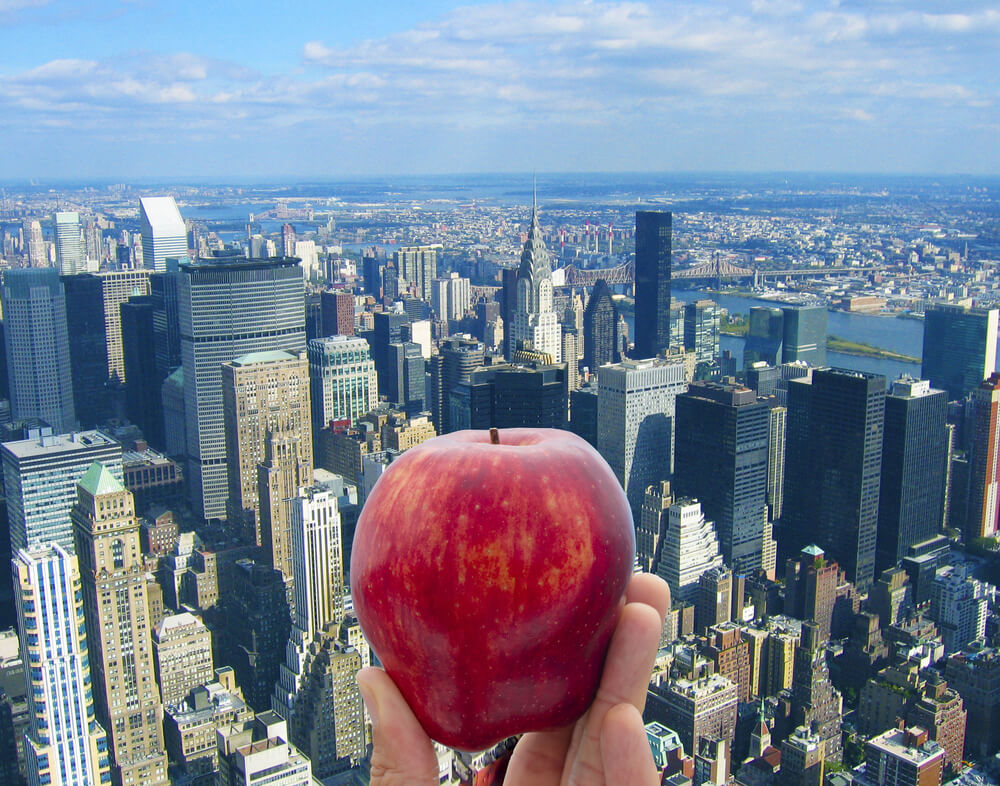
The enduring nickname “The Big Apple” perfectly encapsulates the multifaceted allure of New York City. It speaks to the city’s towering ambition, its rich cultural tapestry, and the sheer variety of experiences it offers to every kind of traveler, whether they are seeking luxurious resorts, budget-friendly apartments, or family-friendly stays.
A Global Hub of Culture and Cuisine
New York City is a melting pot of cultures, a place where you can experience the world without leaving its five boroughs. From the world-class museums like the Metropolitan Museum of Art and the Museum of Modern Art to the dazzling theaters of Broadway and the vibrant street art scene in Bushwick, there is an endless supply of artistic and cultural enrichment.
The city’s culinary landscape is equally diverse and exciting. You can savor authentic Italian cuisine in Little Italy, explore the bustling markets of Chinatown, indulge in Jewish deli classics, or experience the innovative dishes from Michelin-starred restaurants. New York City offers a gastronomic journey that mirrors its multicultural population, truly a feast for all senses.
Iconic Landmarks and Unforgettable Experiences
The sheer number of famous landmarks within New York City is staggering. Visitors can marvel at the architectural grandeur of the Empire State Building and the Chrysler Building, stand in awe of the Statue of Liberty, and wander through the verdant oasis of Central Park. Walking across the Brooklyn Bridge offers breathtaking views of the Manhattan skyline, an experience that embodies the city’s iconic status.
Beyond the static sights, New York City is a city of perpetual motion and unique experiences. From catching a New York Yankees game at Yankee Stadium to exploring the vibrant neighborhoods, each offering its own distinct character and charm, the possibilities for tourism are limitless. Whether you’re looking for a luxurious lifestyle experience, a budget-friendly adventure, or a memorable family trip, New York City delivers.
Accommodation to Suit Every Traveler
The variety of accommodation options in New York City is as vast as the city itself, catering to every need and budget. For those seeking opulence and impeccable service, world-renowned hotels like the Plaza Hotel and the St. Regis New York offer unparalleled luxury suites and amenities. For families or longer stays, spacious apartments and serviced villas provide a home-away-from-home feel.
Budget-conscious travelers can find comfortable and well-located hotels and hostels, while those looking for unique experiences might opt for boutique hotels or charming bed and breakfasts. The ease of booking, comparing options, and reading reviews online makes finding the perfect place to stay a straightforward process, ensuring that your accommodation is as delightful as the city itself.

The Enduring Symbolism of “The Big Apple”
The nickname “The Big Apple” has transcended its humble origins to become a powerful symbol of New York City’s ambition, its resilience, and its status as a global epicenter. It evokes a sense of excitement, opportunity, and the promise of an unforgettable adventure. Whether you’re a seasoned traveler or a first-time visitor, the phrase conjures images of bustling streets, iconic landmarks, and a vibrant energy that is unique to this incredible city.
The story of how “The Big Apple” came to be is a testament to the power of language and culture to shape perception. From Fitz Gerald’s racing dispatches to the soulful melodies of jazz musicians and the strategic marketing of tourism officials, each chapter has added depth and meaning to this beloved nickname. Today, it continues to draw millions to its shores, eager to bite into the rich, flavorful experience that is New York City, the one and only “Big Apple.”
LifeOutOfTheBox is a participant in the Amazon Services LLC Associates Program, an affiliate advertising program designed to provide a means for sites to earn advertising fees by advertising and linking to Amazon.com. Amazon, the Amazon logo, AmazonSupply, and the AmazonSupply logo are trademarks of Amazon.com, Inc. or its affiliates. As an Amazon Associate we earn affiliate commissions from qualifying purchases.