
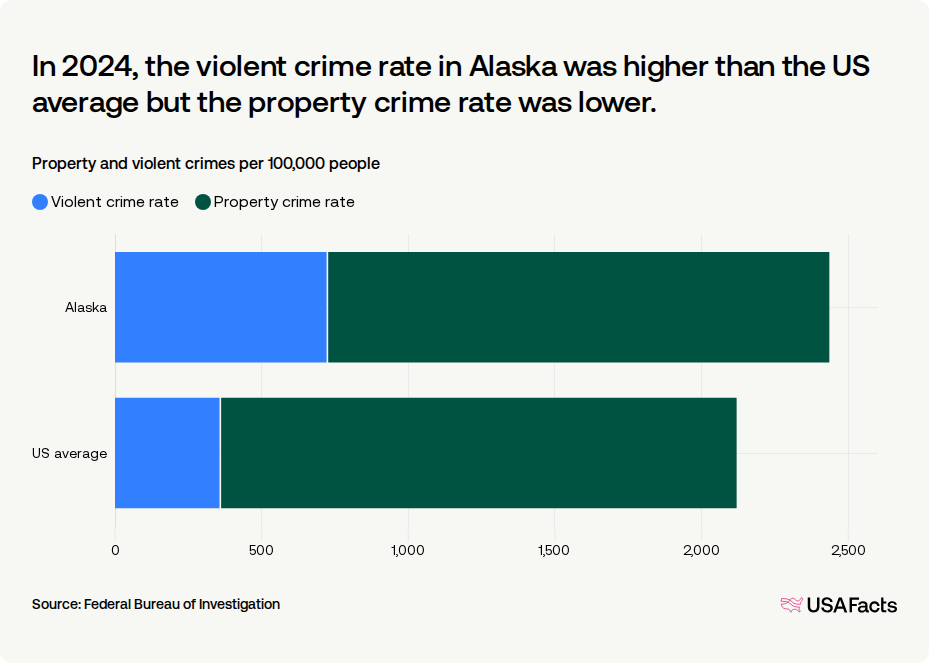
Alaska, often romanticized for its pristine wilderness and frontier spirit, consistently faces the stark reality of having one of the highest crime rates in the United States. This persistent issue significantly shapes the daily lives of its residents and contributes to a unique, often challenging, Alaskan lifestyle. Delving into the multifaceted reasons behind this statistic reveals a complex interplay of geography, socio-economic conditions, and systemic challenges that are deeply embedded in the fabric of the state.
The Unique Geography and Demographics
Alaska’s vastness and isolation are not merely picturesque features; they are foundational elements influencing its crime landscape and the distinct lifestyle forged by its inhabitants.

Vastness and Isolation
The sheer scale of Alaska is difficult to overstate. As the largest state by land area, it is geographically immense, presenting significant logistical hurdles for everything from commerce to law enforcement. Many communities, particularly in rural and Bush areas, are not accessible by road. Instead, they rely on air or sea travel, making them incredibly isolated. This isolation means that residents often live far from immediate support systems, healthcare facilities, and law enforcement agencies. When crimes occur in these remote locations, help can be hours, if not days, away, emboldening offenders and leaving victims vulnerable. The challenging terrain, from dense forests to mountainous regions and Arctic tundra, further complicates rapid response. This isolation doesn’t just affect crisis response; it also shapes a self-reliant, often solitary lifestyle, which while fostering independence, can also contribute to a sense of detachment from broader societal norms and oversight.
Sparse Population Distribution
Despite its vast size, Alaska is home to fewer than 750,000 people. The population is heavily concentrated in a few major urban hubs like Anchorage, Fairbanks, and the capital, Juneau. Beyond these cities, hundreds of small villages are scattered across immense distances. This sparse distribution translates into a very low police presence per capita in many areas. Some villages may not have a resident law enforcement officer, relying instead on periodic visits from Alaska State Troopers or local Village Public Safety Officers (VPSOs), who are often community members with limited training and authority. This lack of immediate, consistent law enforcement presence not only hinders crime prevention but also makes investigation and prosecution exceedingly difficult, contributing to a sense of impunity among some offenders. This unique demographic landscape inherently fosters a lifestyle where community bonds are strong due to necessity, but external formal structures of protection are weak, requiring residents to often navigate safety concerns independently.
Challenges for Law Enforcement
The geographic and demographic realities impose immense challenges on law enforcement agencies. Patrols cover vast distances, often requiring expensive air travel. Training and retaining officers in remote areas are difficult, leading to high turnover rates. Furthermore, officers frequently operate in environments where cultural and language barriers exist, particularly in diverse Alaska Native communities. The absence of reliable communication infrastructure in many rural areas further complicates coordination and emergency response. These operational difficulties mean that the justice system struggles to establish a consistent, deterrent presence across the state, leaving gaps that unfortunately contribute to higher crime rates. For the Alaskan lifestyle, this often means a greater reliance on informal community justice or, tragically, a resignation to persistent issues that formal systems struggle to address.
Socio-Economic Undercurrents
Beyond geography, deep-seated socio-economic factors contribute significantly to Alaska’s elevated crime rates, shaping the daily experiences and long-term prospects of many residents.
Resource-Dependent Economy
Alaska’s economy has historically been tied to natural resources, primarily oil, gas, and fishing. While providing periods of boom and prosperity, this dependency also leads to economic instability. Fluctuations in global resource prices can cause severe downturns, leading to job losses and economic hardship. These periods of instability contribute to increased stress, poverty, and a sense of hopelessness, which are known precursors to crime. The “boom and bust” cycle can also lead to transient populations, with workers moving into and out of the state for seasonal work, sometimes bringing with them social problems and weakening community ties that might otherwise deter criminal activity. This economic volatility is a defining characteristic of the Alaskan lifestyle, influencing everything from housing stability to mental health.
Economic Disparities and Poverty
Despite the image of a wealthy state due to its natural resources, significant economic disparities exist within Alaska. Many rural and Alaska Native communities experience high rates of poverty, unemployment, and lack of opportunities. Limited access to education, job training, and diversified economic activities traps individuals and families in cycles of deprivation. Poverty is a well-established driver of crime, as individuals may resort to criminal activities out of desperation or a perceived lack of alternatives. The cost of living in Alaska is also notoriously high, exacerbating financial strain even for those with employment, pushing more people towards precarious situations. These disparities create a challenging lifestyle for many, where basic needs are often a struggle to meet, and social mobility is limited.

Substance Abuse and Mental Health Crises
Substance abuse, particularly alcohol, and an escalating opioid crisis, are major contributors to crime in Alaska. The isolation, harsh climate, lack of opportunities, and historical trauma in many communities create fertile ground for substance misuse. Mental health challenges are also prevalent, often exacerbated by the same factors and a severe shortage of accessible mental health services, particularly in rural areas. The link between substance abuse, mental health issues, and crime is well-documented: individuals under the influence are more prone to violent or impulsive acts, and addiction can drive property crimes as people seek to fund their habits. Domestic violence, often fueled by substance abuse, is also disturbingly high, tragically impacting family life and community well-being, and fundamentally altering the domestic lifestyle for many Alaskan households.
Systemic Challenges and Community Impact
The effectiveness of Alaska’s justice system and social support structures is severely tested by its unique environment, leading to profound impacts on community safety and lifestyle.
Stretched Justice System
The entire criminal justice system in Alaska, from law enforcement to courts and correctional facilities, operates under immense strain. The high per capita crime rate, combined with the logistical challenges of a vast and sparsely populated state, means that resources are constantly stretched thin. Delays in investigations, backlogs in courts, and overcrowded jails are common. These systemic inefficiencies can undermine trust in the justice system, discourage reporting of crimes, and impede rehabilitation efforts. A justice system that struggles to deliver swift and equitable outcomes contributes to a cycle where crime is not effectively deterred or addressed, deeply affecting the perceived safety and stability of the Alaskan lifestyle.
Gaps in Social Services
Adequate social services, including addiction treatment, mental health counseling, domestic violence shelters, and youth programs, are critical for crime prevention and victim support. In Alaska, especially in rural regions, these services are severely lacking or non-existent. The few services available are often overwhelmed by demand. Without proper support systems, individuals struggling with addiction, mental illness, or experiences of violence have limited avenues for help, making them more vulnerable to perpetrating or falling victim to crime. This lack of a robust social safety net places a greater burden on communities and individuals, a defining characteristic of the resilient yet often unsupported Alaskan way of life.
Alaska Native Communities and Historical Trauma
A significant portion of Alaska’s high crime rate, particularly violent crime and domestic violence, disproportionately impacts Alaska Native communities. These communities often grapple with the lasting effects of historical trauma, including colonization, forced assimilation, and the legacy of boarding schools. This trauma manifests in high rates of substance abuse, mental health disorders, and intergenerational violence. Compounding these issues is a complex jurisdictional landscape, where the authority of tribal police, Alaska State Troopers, and Federal Bureau of Investigation can be unclear, particularly in the vast areas of the Yukon-Kuskokwim Delta and other remote regions. This jurisdictional ambiguity often leads to gaps in law enforcement response, leaving these vulnerable communities underserved and creating a lifestyle heavily burdened by unaddressed trauma and insufficient protection.
Understanding the Alaskan Lifestyle
The high crime rate in Alaska is not a simple phenomenon but a complex symptom of its unique challenges. Understanding these factors is crucial for anyone seeking to immerse themselves in the genuine Alaskan lifestyle, whether as a resident or a long-term visitor.
Resilience and Community Spirit
Despite the significant challenges, Alaskan communities often exhibit remarkable resilience and a strong spirit of mutual aid. In the absence of comprehensive formal services, informal networks of support become vital. Neighbors help neighbors, and community efforts often fill the gaps left by stretched governmental resources. This inherent toughness and communal responsibility are hallmarks of the Alaskan lifestyle, where survival and well-being often depend on collective effort. However, this reliance on informal systems cannot fully compensate for systemic deficiencies that contribute to crime.
Considerations for Residents and Visitors
For those considering living in Alaska or embarking on extensive travel, an awareness of these underlying factors is key to understanding the full spectrum of the Alaskan experience. It underscores the importance of being prepared, understanding local community dynamics, and recognizing the unique challenges faced by many Alaskan residents. While the natural beauty and adventure remain unparalleled, a comprehensive understanding of the socio-economic and systemic realities provides a more nuanced and realistic appreciation of life in the Last Frontier, allowing for informed choices about personal safety and community engagement within this distinctive lifestyle.
LifeOutOfTheBox is a participant in the Amazon Services LLC Associates Program, an affiliate advertising program designed to provide a means for sites to earn advertising fees by advertising and linking to Amazon.com. Amazon, the Amazon logo, AmazonSupply, and the AmazonSupply logo are trademarks of Amazon.com, Inc. or its affiliates. As an Amazon Associate we earn affiliate commissions from qualifying purchases.